




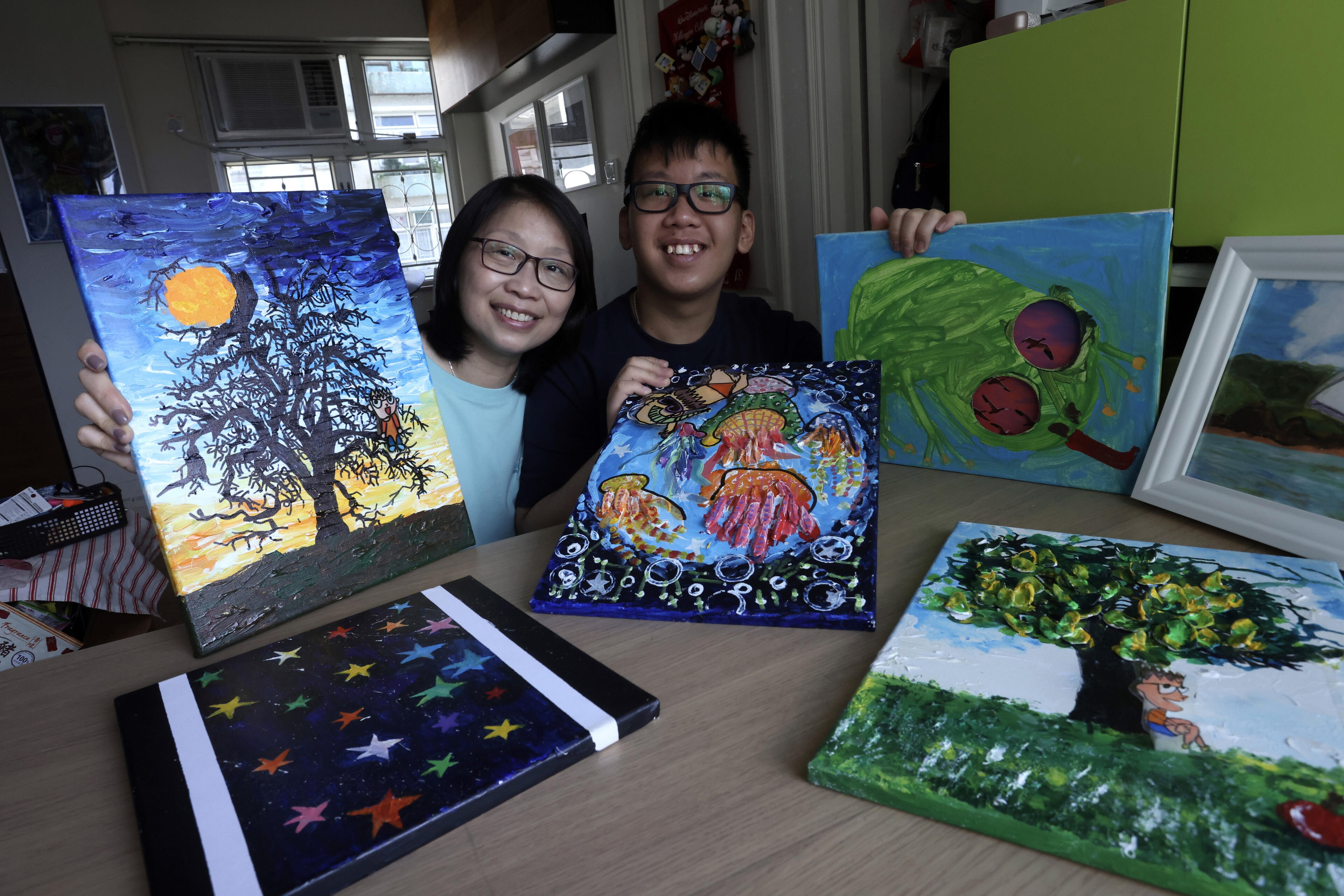
Peacher Poon Lai-ching never imagined sharing the story of her special needs son, Jack Lee King-ngon, on stage, but she got the chance when the two of them performed in a musical in February.
Jack, who has autism, developmental delays, and a severe speech impairment, proudly held up his award-winning painting Touching Message during Sign In Dance, a sign language dance performance.
The 18-year-old’s acrylic artwork, which symbolises the beauty and uniqueness of every life, gained recognition at the Cross All Borders competition for disabled artists last year.
The audience burst into applause.
Hong Kong students with special educational needs start new chapter at City University
“I was ecstatic. All that hardship and effort paid off at that moment,” Jack’s mother said, recalling how they practised for the show for three months – on top of going to school.
“We would practise sign language during our commute. Some performers forget the steps after the show, but he can still remember,” Poon said.
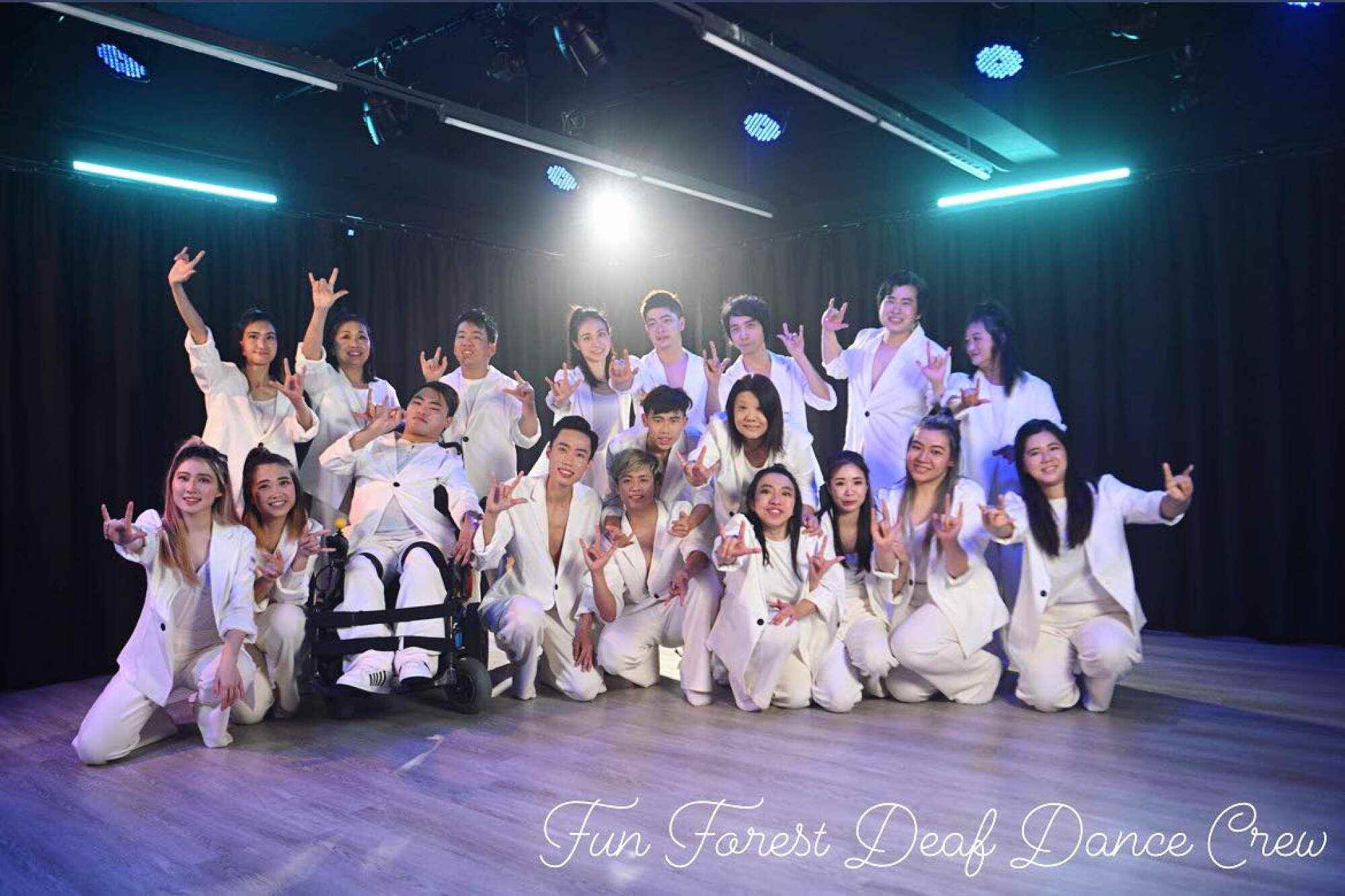
Their journey continued as they performed in sign language shows across the city alongside deaf dance crew Fun Forest, including at the Mid-Autumn Festival carnival in Sha Tin last month, hoping to raise awareness about individuals with different abilities and special educational needs (SEN).
“People with SEN face different obstacles. Rather than expecting them to live up to society’s expectations, the public should [learn] about them and understand their obstacles to build an inclusive place,” Poon said.
A long journey
There are around 59,000 SEN schoolchildren in Hong Kong. These children can attend special or mainstream schools, depending on their needs.
After Jack completed a special needs kindergarten, Poon enrolled him in mainstream schools, hoping to help him acquire social skills.
However, the academic demands posed a significant challenge for the youngster.
The mother remembered staying up late with Jack to revise for dictations and guiding his hands to practise handwriting for six months.
Are Hong Kong schools sensitive enough to students with special needs?
“Everything he can do now wasn’t easy. We didn’t expect high grades; our goal was simply to complete as much homework as possible. Getting points on exams was a bonus,” Poon said.
Jack was diagnosed with special needs at the age of two, and Poon left her job to become a full-time carer. The family sold their flat and sought various therapies and activities for Jack, such as swimming, street dancing and drawing, to uncover his talents.
And his talent shone through, especially in art.
In 2018, he won a gold medal at the Asian Youth Art Festival in Japan for a painting he made when he was 10 years old, titled I am Picasso, a replica of artist Pablo Picasso’s Portrait of Dora Maar.
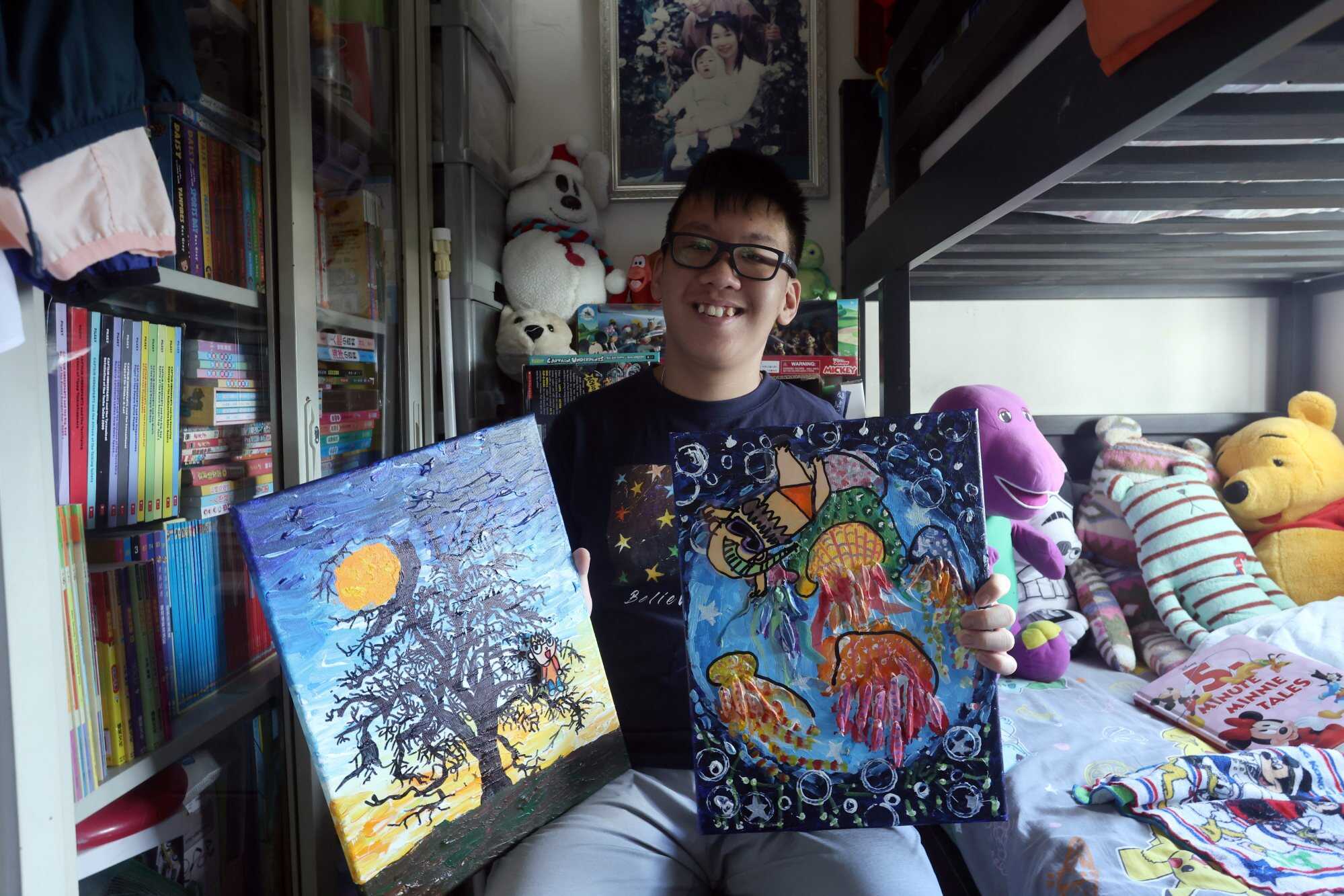
Wanting to showcase her son’s talent to the public, Poon printed his artwork on T-shirts and sold them at weekend markets and events. She was surprised when she sold 200 pieces in just one week and received many encouraging messages.
While most of the proceeds pay for the Form Four student’s education, some of it is donated to special needs organisations.
“I want people to know that my son is not what you expected. [He is not] a burden to society relying on government assistance. He can earn his own money and give back,” Poon said.
Neurodiversity Club highlights experiences of students with special education needs
Mission to serve
The family has faced many challenges throughout their journey, but they have also witnessed miracles.
When Jack was in primary school, his mother battled lupus, a disease that makes your immune system attack your own body. Though her lupus is now under control with medication, the fight nearly killed her, and after witnessing so much suffering during her month-long hospitalisation, she felt compelled to help other families.
Upon her recovery, Poon created a WhatsApp group for parents of SEN children, sharing useful information on education, training, events and news. She also visits schools and churches to uplift others with their story.
“I refuse to let myself despair, and I hope to uplift both my family and others,” Poon said, noting that many parents worry about the future of their SEN children.
How sign language and dance have helped one Deaf performer express himself
While Hong Kong provides people with disabilities residential services, career resources, and day activity centres for vocational training, these have faced criticism for not being able to serve enough people and having long waiting times.
“In his case, he can’t speak. In two years [when he graduates], he’s likely to remain at home,” Poon said, adding that no matter what, she would continue to help her son learn new things.
“We don’t expect our children to repay us,” she said. “Our hope is simply not to let them remain idle at home. A lack of engagement can slow their progress. We want society to recognise their value and contributions.”
To test your understanding of this story, download our printable worksheet or answer the questions in the quiz below.
