




Every week, Talking Points gives you a worksheet to practise your reading comprehension with exercises about the story we’ve written.
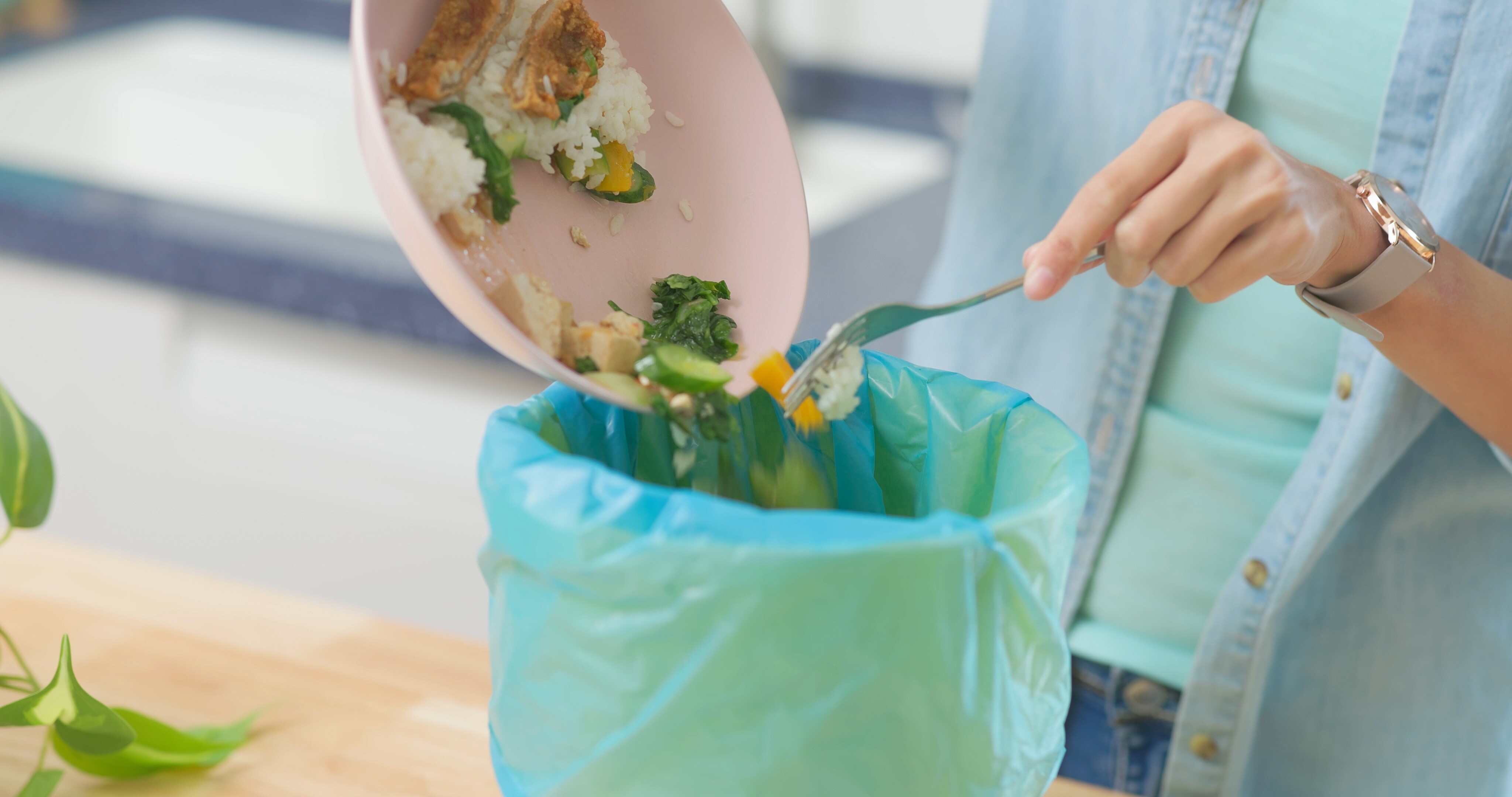
Just before Amina Seyd left home, she noticed half of a loaf of bread on the kitchen counter. She took a slice to eat, but knew the rest of it would likely be thrown out by the time she returned from school.
This all-too-familiar scenario illustrates a widespread problem: why do we waste food when we know it is wrong?
More food, more problems
Kevin Tam, a social sciences professor at the Hong Kong University of Science and Technology, explained the process of food waste in many homes.
“The household food waste journey ... begins with planning grocery shopping: deciding what, when and how much to buy. This is followed by unplanned purchases made in stores,” he said.
The food waste journey continues back at home, where people decide how much food to cook, what is healthy and safe to eat, whether to reheat leftovers, and finally, when to throw something out.
Tam, who is interested in environmental psychology and sustainable development, added that there could be many reasons people throw away food that could still be eaten.
In some cultures, it is expected to serve guests more food than necessary as a form of hospitality.
Parents might want their children to eat well, so they buy and prepare more than enough food. But when they cannot finish the food, it gets thrown out.
Hong Kong start-up flies in the face of food waste as insects make compost
This is the case in Amina’s home.
“Bread tends to expire easily, and since there are four siblings in our household, we sometimes buy more than we can eat. We usually only eat bread for breakfast, so it often goes unused,” the 16-year-old Hongkonger said.
“The same goes for home-made smoothies and curries.”
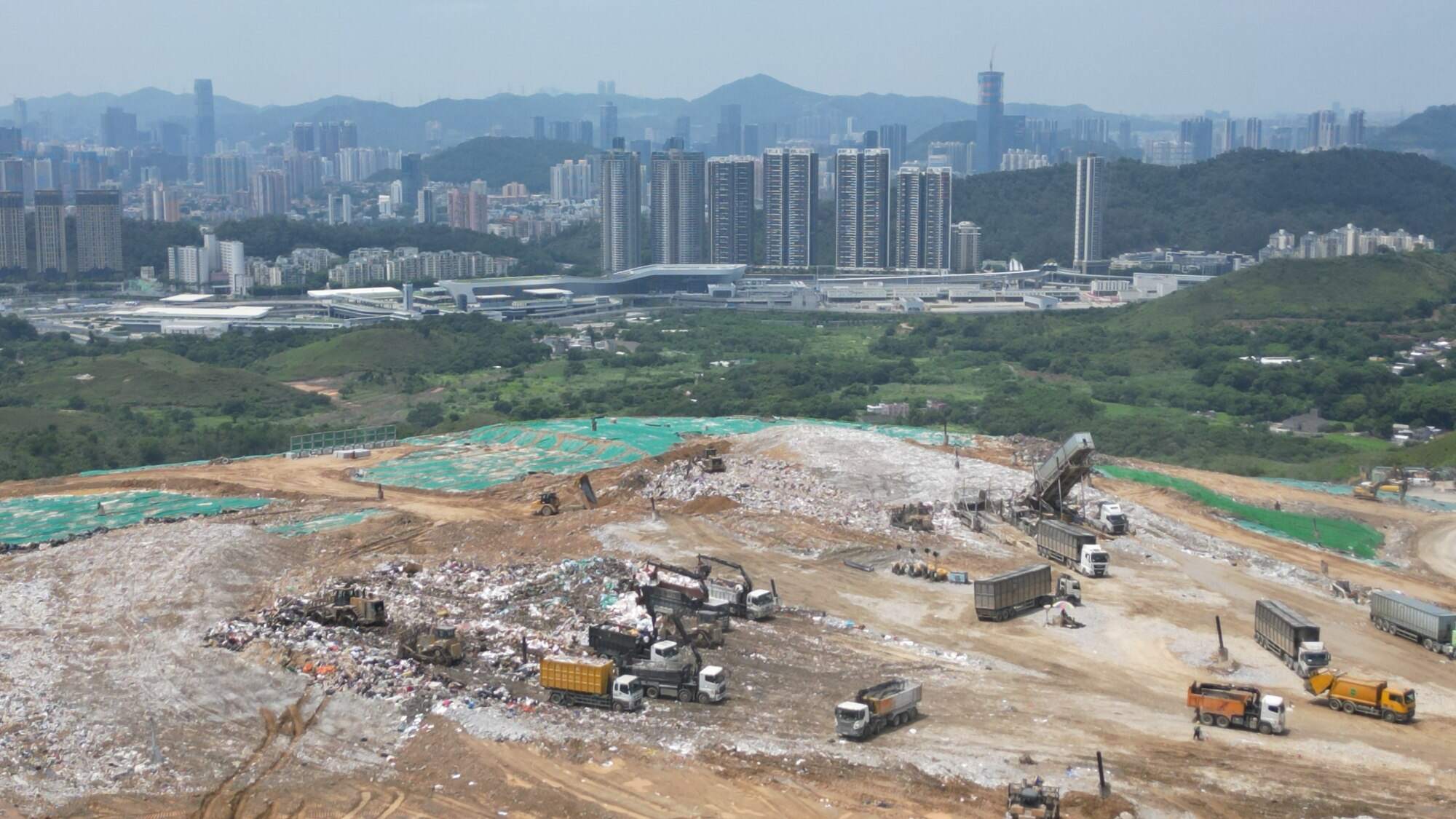
In 2022, Hong Kong’s landfills received close to 11,130 tonnes of municipal solid waste every day. Of this, 30 per cent was food waste. Disposing of food waste at landfills takes up limited space, and a 2024 UN report stated that food waste generates eight to 10 per cent of annual global greenhouse gas emissions.
Even though the Environmental Protection Department has waste-reduction initiatives such as food recycling bins, green groups say more needs to be done to change how people think.
How we rationalise away our guilt
Tam pointed out that some people do feel guilty about throwing food away.
“To resolve this conflict, they might take one of two paths: either change their behaviour by reducing food waste or change how they think about it,” he said.
One common way of changing how they think about food waste is by convincing themselves that the food is unappealing, spoiled or unsafe to eat. This is a form of rationalisation, in which people find ways to align their actions with their sense of morality.
Tam added that an individual might donate to a food bank or do another good deed to reduce the guilt they feel for discarding some food.
According to Amina, some of her peers feel that their individual actions do not make a difference.
“They often underestimate the impact of leaving behind even a small amount of food and think that it isn’t a big deal,” she said.
Tam noted this could be because teenagers, especially in developed cities like Hong Kong, are less likely to experience the negative consequences of food waste. When they do not see the consequences of their actions, they might assume no one is really hurt.
“This also highlights why simply telling people to waste less or offering rewards isn’t enough. We need to go beyond simply telling them it’s bad, and show how their actions are directly connected to their lives,” the professor said.
Teens’ Mazah app is fresh solution to rotten problem of food waste
Making a personal connection
Instead of showing abstract statistics, campaigns can highlight how wasting food creates greenhouse gases, which contribute to increasingly unbearable summers in Hong Kong.
The government can also promote smaller food packaging options in supermarkets and smaller servings in school canteens.
“When only large packages are available, or if smaller packages are too expensive, people tend to buy more food than they actually need,” Tam noted.
In addition, schools could help students put together a budget that shows how much money they could save in a year if they reduced their food waste. Workshops can teach them how to creatively use leftovers in new dishes and how to store food so it stays fresh for longer.
“Achieving lasting change in teenagers’ food waste habits and tackling Hong Kong’s food waste problem requires a comprehensive approach: motivating them, providing the right environment, and empowering them with the ability to act,” he said.
To test your understanding of this story, download our printable worksheet or answer the questions in the quiz below.
