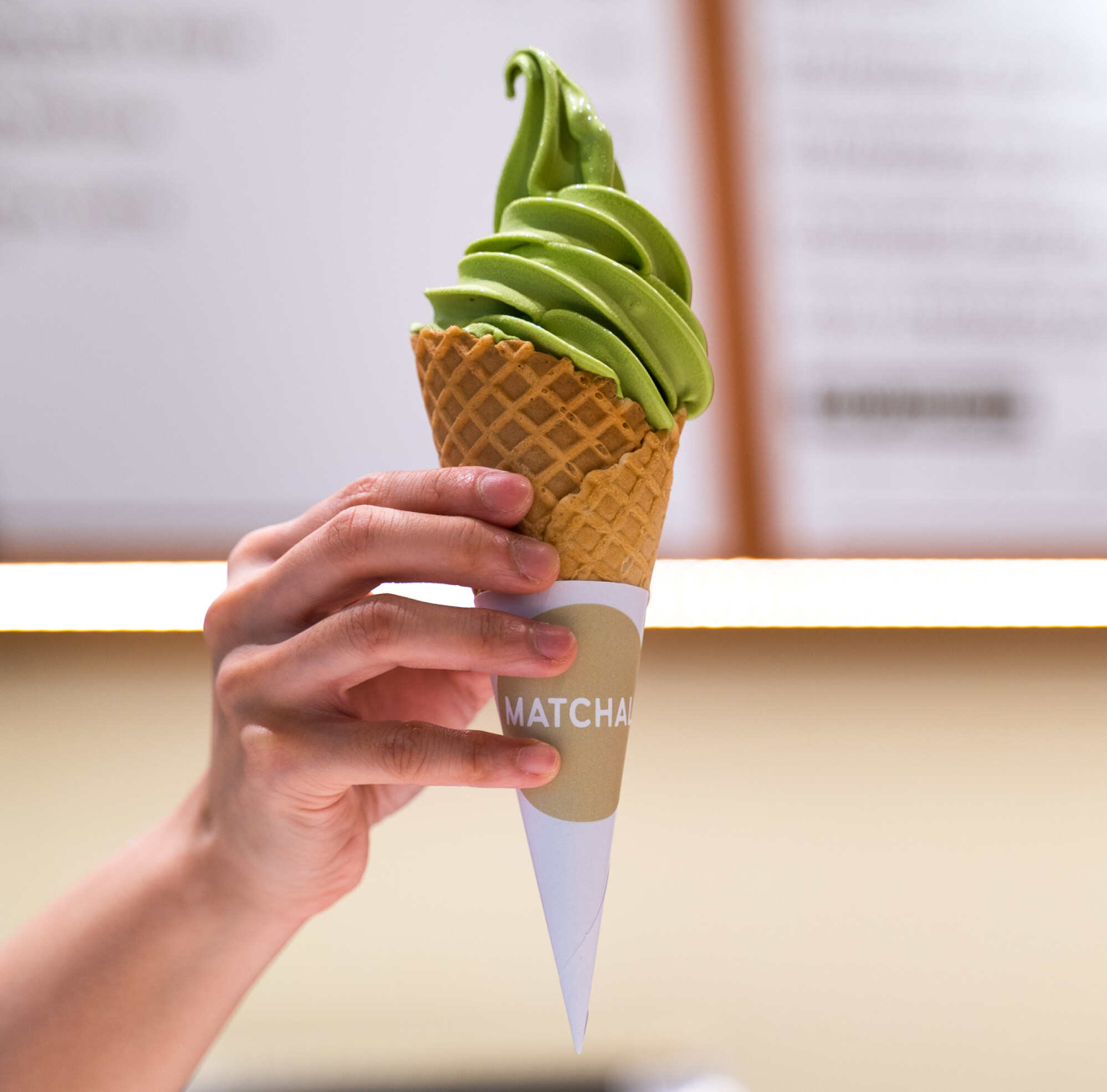
You are probably no stranger to matcha – and it’s having a real moment in Hong Kong. Found in cafe menus, in baked goods and pastries, and even chocolates, its vibrant green colour and umami flavour are hard to miss.
This powdered green tea has seen a real spike in popularity around the globe. Many love its delicious taste and appreciate its many touted health benefits.
But this surging demand is one of the main contributors to a global matcha shortage, alongside heatwaves.
So what is matcha? Where is it from, and what makes it unique? Young Post spoke to two employees from Matchali, a brand and store in Hong Kong that specialises in matcha.
What is matcha?
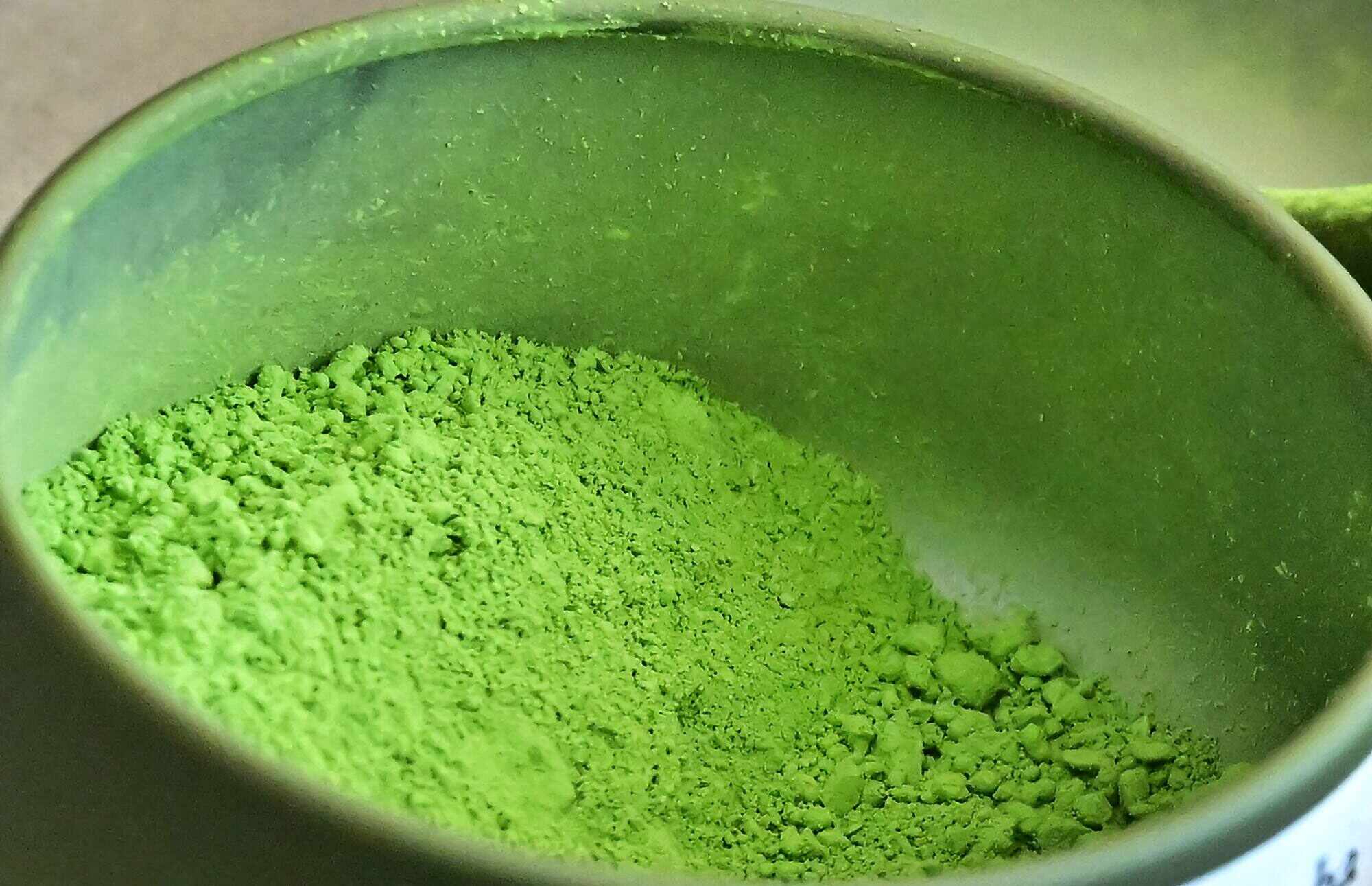
Matcha is a type of green tea, where the leaves are ground down to a fine powder. The main difference between this green tea and other types is that the whole plant is used in making matcha, whereas other green tea types tend to use one or a few parts.
The quality of matcha is measured in “grades”. The best is a “ceremonial grade” that tends to be the most expensive.
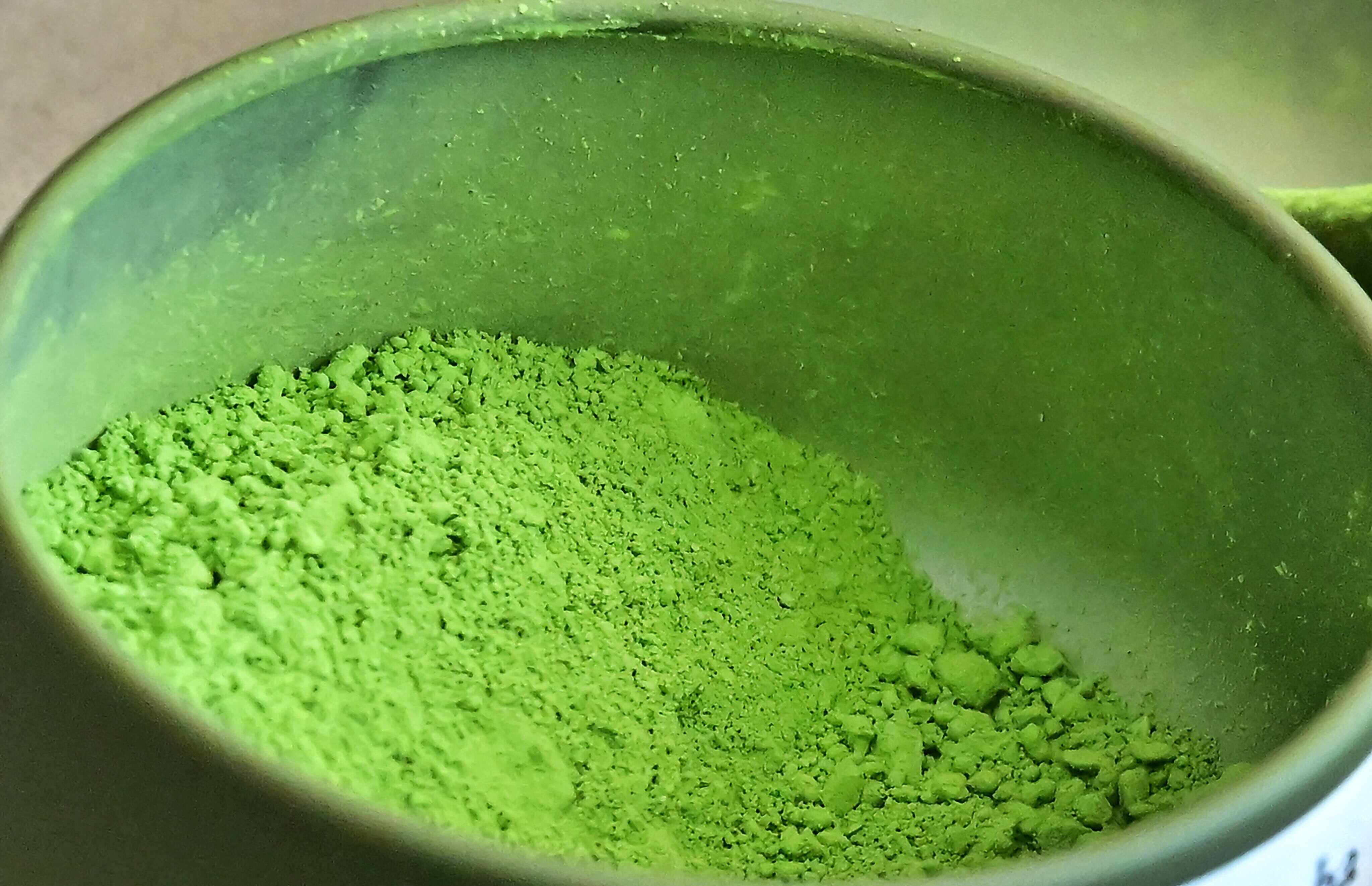
According to Kathleen Claire Tabora Valdejueza, the store manager at Matchali, you can tell a matcha’s quality by looking at its colour and taste.
“You want to have a vibrant green,” Valdejueza said. “Your green shouldn’t be yellow-green – [which means] it’s either oxidised already or [was] not stored properly – or grey-green.”
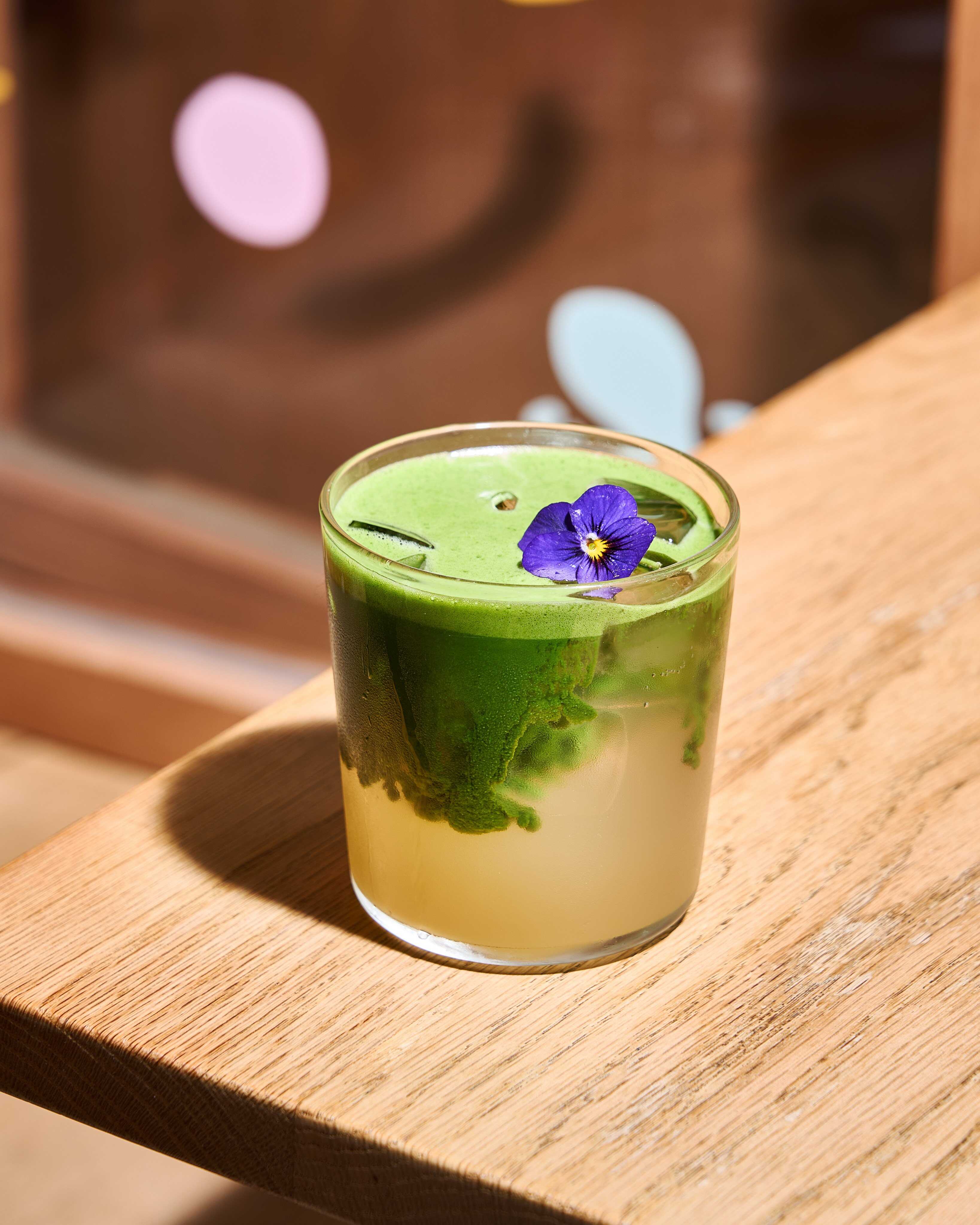
These days, matcha is most commonly used in lattes, speciality drinks, desserts and baked goods.
How is matcha made?
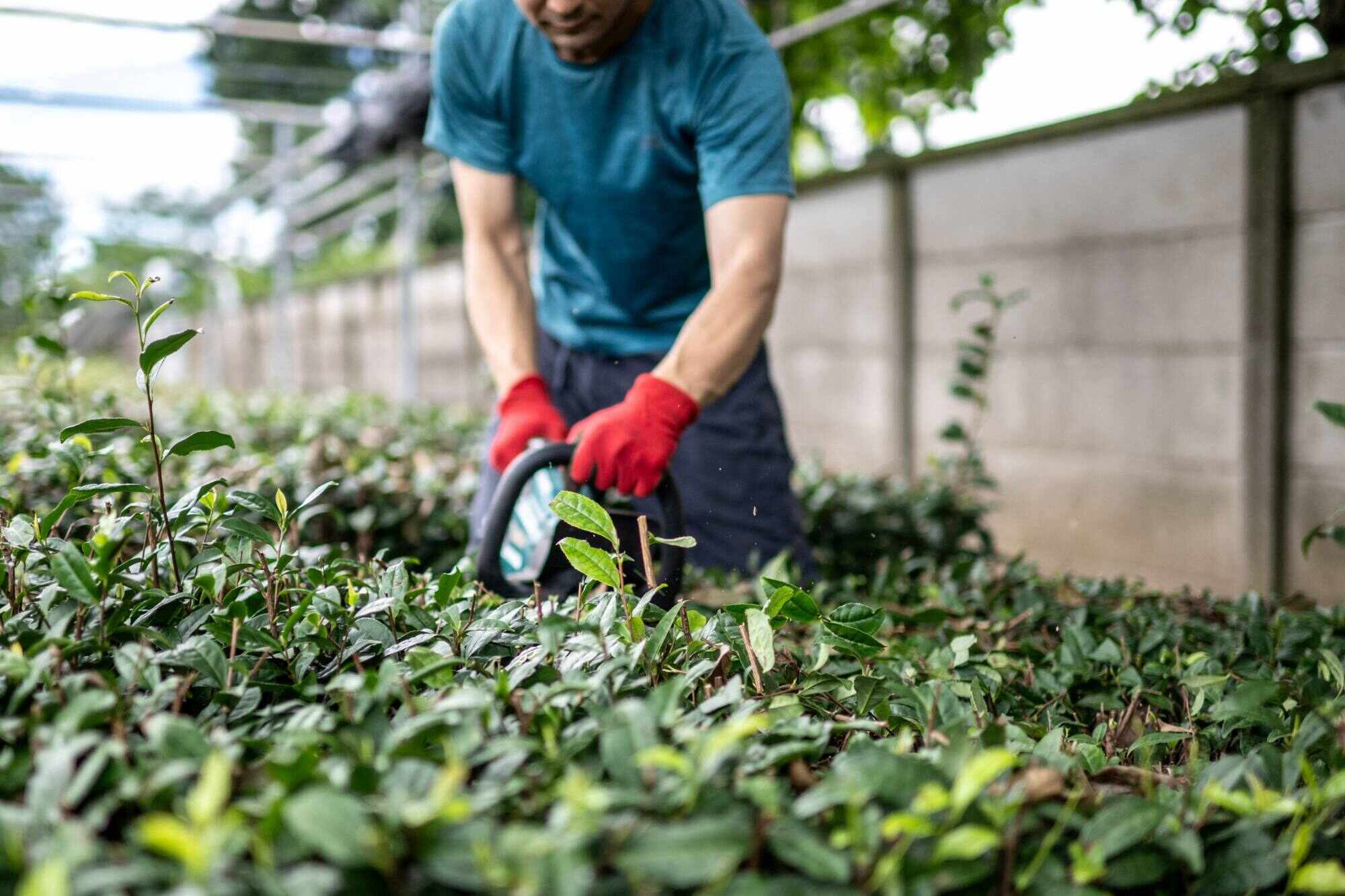
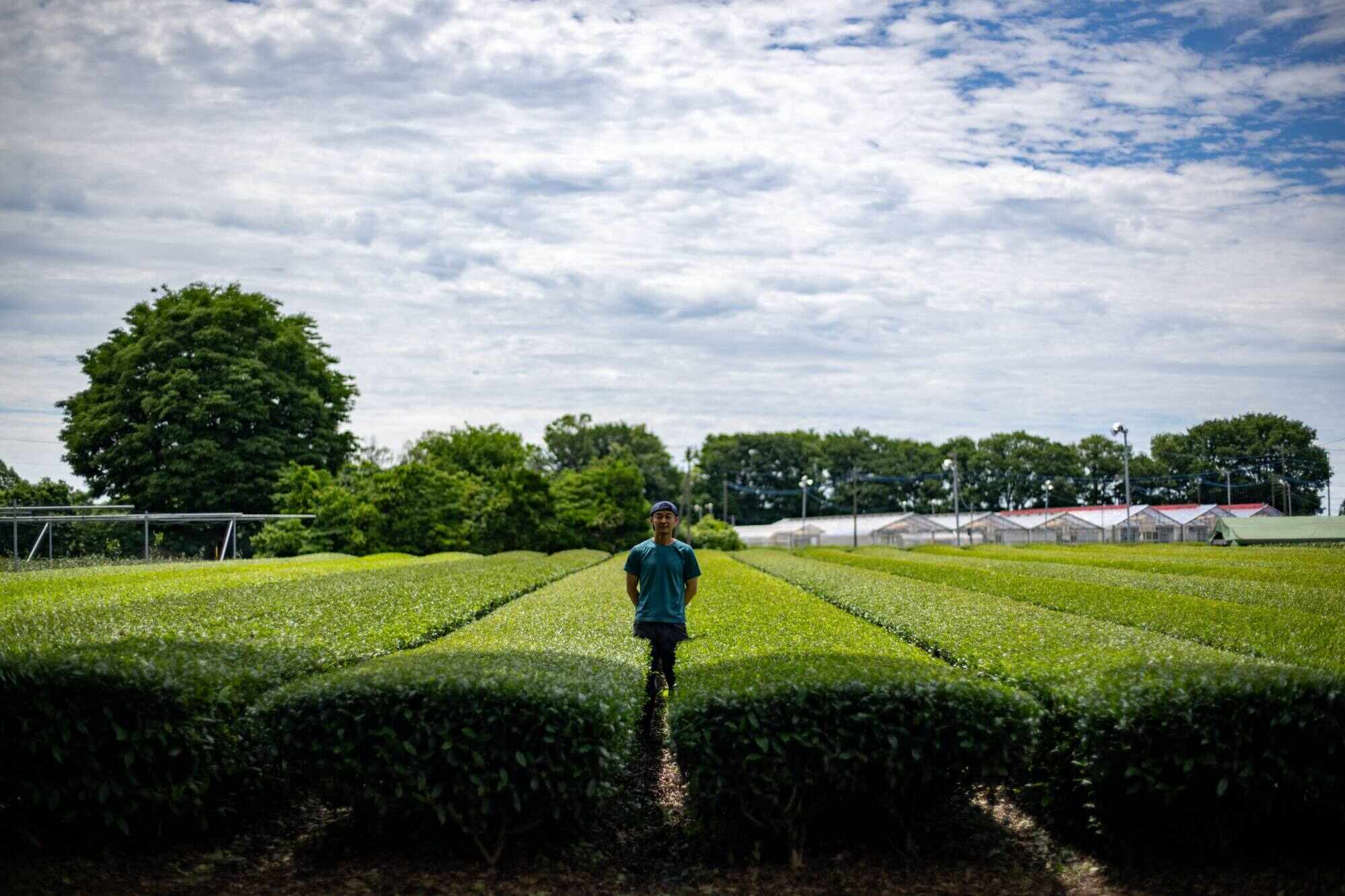
A special technique used to grow and harvest the plant distinguishes matcha from other tea leaves. Two weeks before the harvest, farmers shade the bushes with large nets. This increases the chlorophyll and theanine in the plant. After that, they start plucking the plants from the youngest part of the bush.
“It’s very specific, very labour-intensive, when you compare it to regular harvesting of green tea,” Valdejueza said.
Matcha is primarily grown in Japan, but there are also farms in China and Vietnam – although the quality may not necessarily match that of the Japanese.
What is matcha’s cultural and historical significance?
Matcha has been used in Japanese traditions as far back as the seventh century. But the green tea plant, Camellia sinensis, comes from China. Once the plant was brought to Japan, the Japanese “refined the whole process”, noted Harry Tsang, Matchali’s operations manager.
“Historically, [Japanese] monks used it as well,” Tsang said. At the time, the tea was mixed with hot water and salt, which “the monks used in meditation to help them focus,” he said.
Tsang explained that even samurai warriors going into battle would drink matcha, believing it would help them concentrate and give them energy.
Matcha is still used in traditional tea ceremonies in Japan today, where a specialist will whisk the powder and add hot water.
What are matcha’s health benefits?
Matcha may help protect against cell damage and reduce your risk of several chronic diseases. It could also support your brain, gut and heart health. However, more research needs to be done in humans to support all of these claims, as most studies so far have been tested on cells or animals.
One thing to consider about matcha is its caffeine content. This varies based on how much powder is used and how the drink is prepared, but typically, matcha has more caffeine than other green teas and less than most coffee.
According to one article by Harvard Health Publishing, the consumer health division of Harvard University’s graduate medical school, a typical serving of matcha can contain 38mg to 89mg of caffeine. In comparison, one serving of coffee typically gives you about 100mg to 120mg.
For those prone to anxiety exacerbated by drinking coffee, matcha has a key component that makes it a promising alternative. The green tea powder contains the amino acid L-theanine, which can help reduce stress and balance out the stimulation from the caffeine. L-theanine has been said to help reduce the “energy crash” that comes after consuming caffeine, while also improving alertness.
Why has matcha become so popular?
Matcha sales have exploded in the past five years. According to Forbes, the market will grow to around US$5 billion (HK$39 billion) by 2028.
Since the Covid-19 pandemic, people have shown more interest in health and wellness, and companies are capitalising on matcha’s touted benefits, Valdejueza said.
“[On] social media, especially [in] the past few years, TikTok and Instagram show you a lot of information [about] matcha,” she said. “That’s what’s made it very popular.”
Tsang added that the beautiful green colour of matcha is appealing to customers and food bloggers.
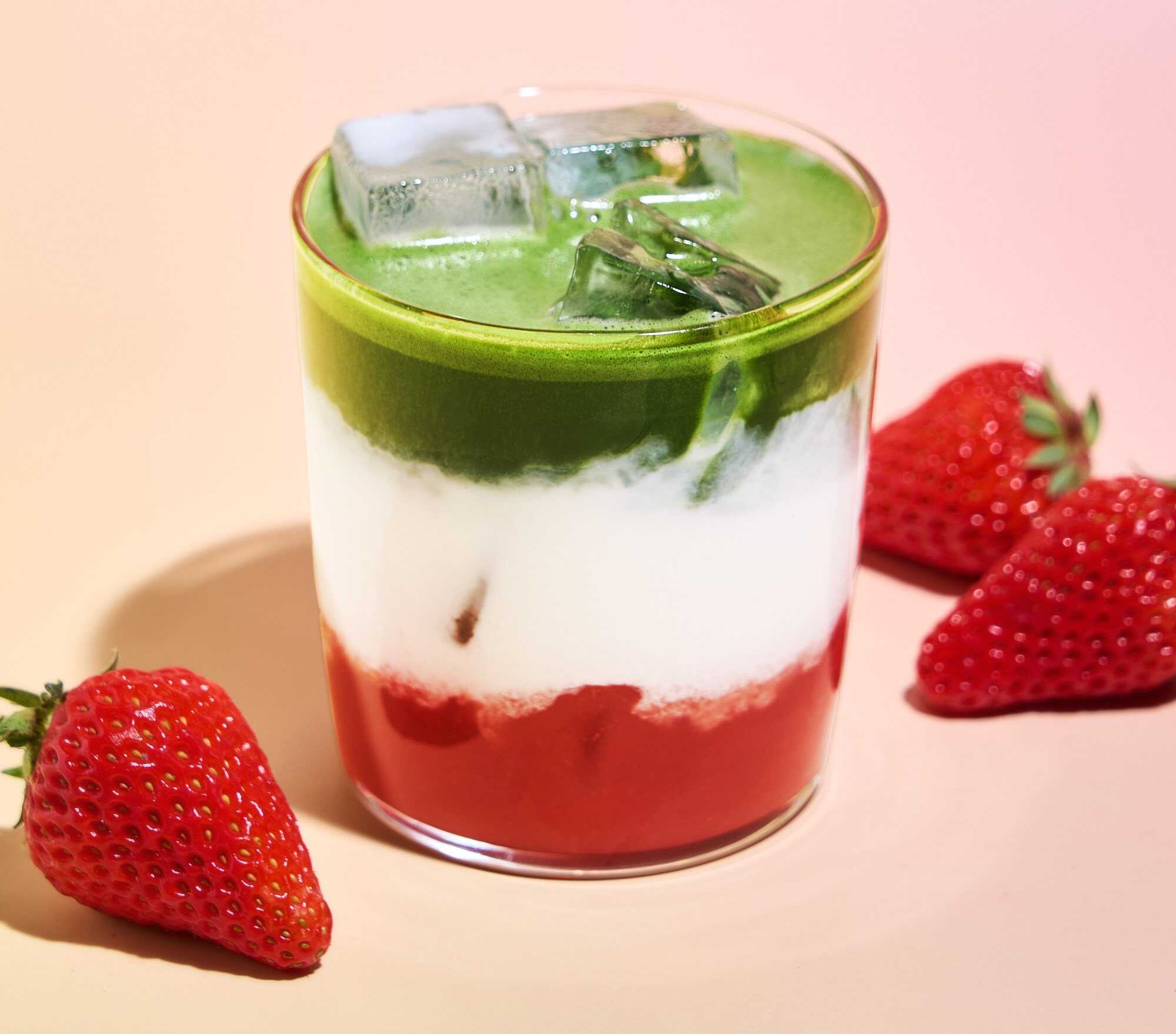
“[The colour] mixes well with other drinks, like we have the strawberry matcha latte, which is red and white with the milk. It’s very pretty,” he said.