When Marc Guyon decided to visit Shanghai, a global financial hub and China’s largest city, in early August, the main attraction was not the Art Deco architecture but driverless taxis and hotel delivery robots.
“It’s super impressive – China looks futuristic,” Guyon, a French national based in Hong Kong, said.
This kind of reaction is becoming increasingly common as China experiences a wave of “tech tourism” – a social media-driven trend where visitors fly into the country specifically to seek out its advanced technology and urban landscapes.
China has experienced a surge in foreign tourists over the past couple of years, following the relaxation of border policies, which now allows citizens of dozens of countries to stay in the country for up to 10 days without a visa.
That has dovetailed with a parallel explosion in social media posts about travelling in China. On TikTok, the number of videos tagged “#chinatravel” has climbed to more than 215,000, with nearly three-quarters of them uploaded within the past year.
Many of the most viral posts paint China’s biggest cities as “science-fiction” destinations, highlighting scenes that feel futuristic to many overseas viewers: palm payment systems, drones delivering takeout and driverless taxis zooming through the streets.
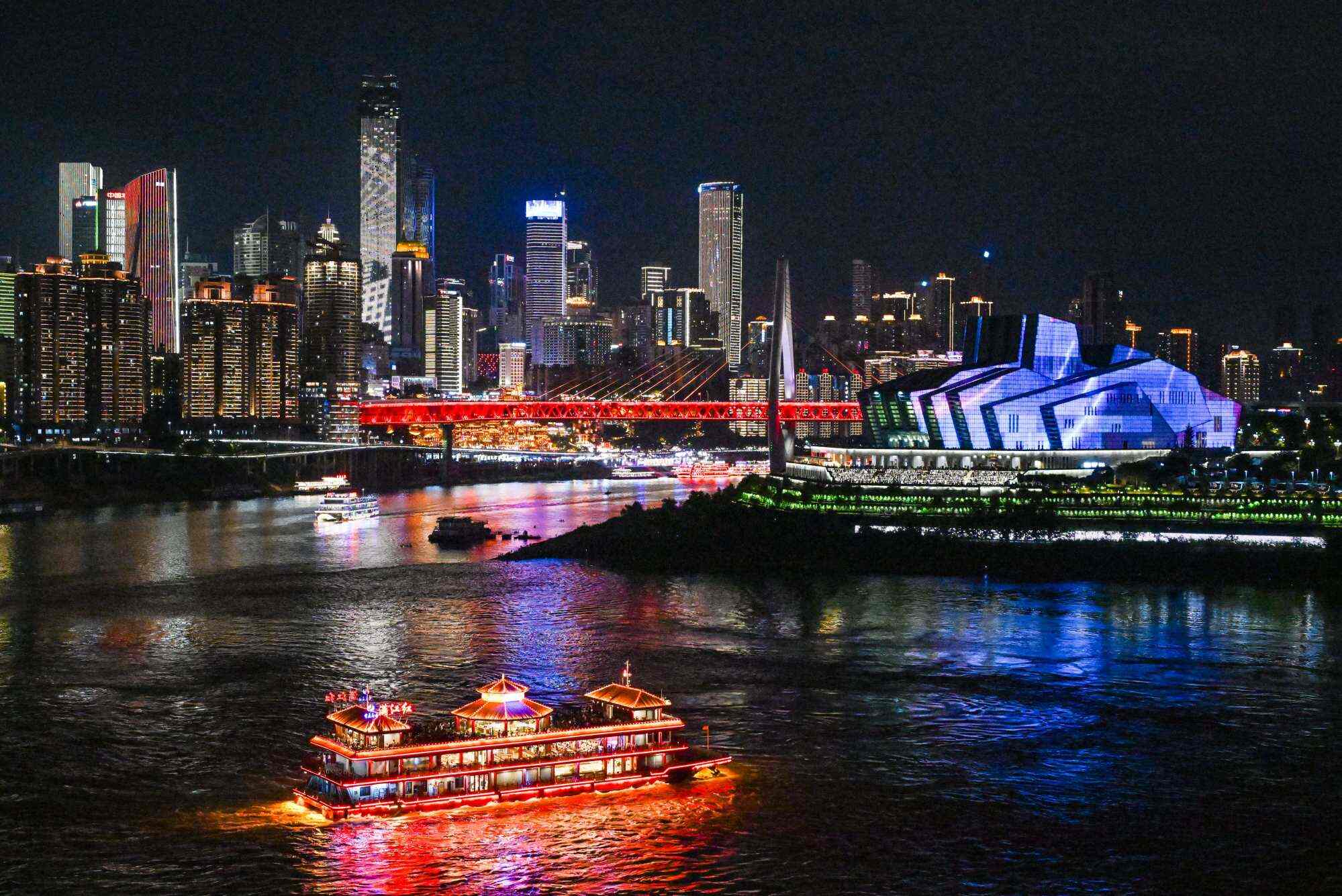
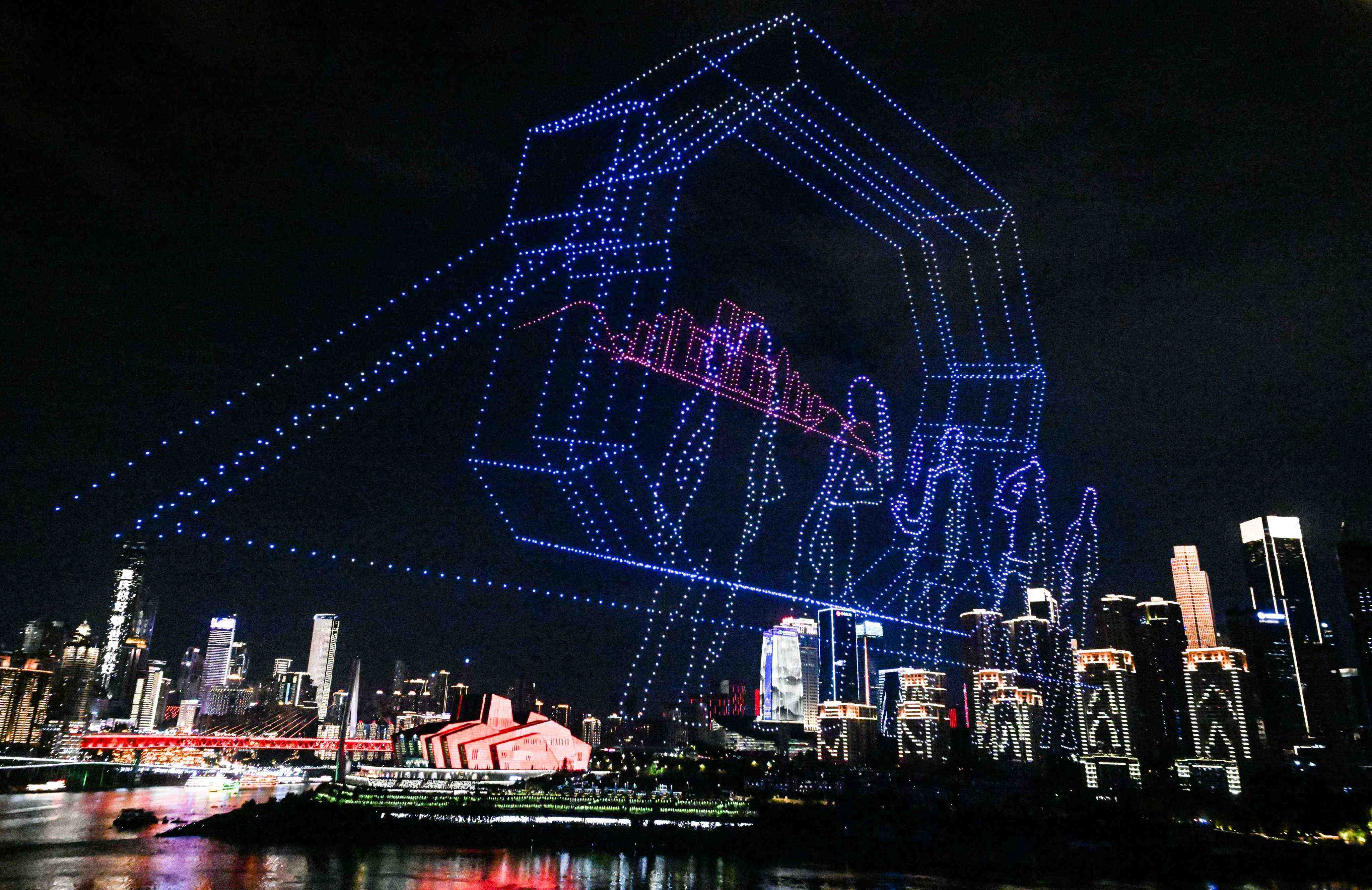
Chongqing – a mountainous city of more than 30 million people in the southwest – has become particularly famous as China’s “cyberpunk capital”. Instagram Reels and YouTube videos marvel at its spectacular urban landscape, such as its overground metro line that passes directly through a skyscraper.
Some of this content is sponsored by the Chinese authorities, but it is genuinely popular – and it already appears to be affecting the travel industry. Nora Qu Ou, a brand manager at the online travel agency China Highlights, said demand for “tech tourism” had grown sharply since the pandemic.
“In recent years, we’ve seen more overseas visitors – especially from Europe and Singapore – ask us to build technology into their itineraries,” she said.
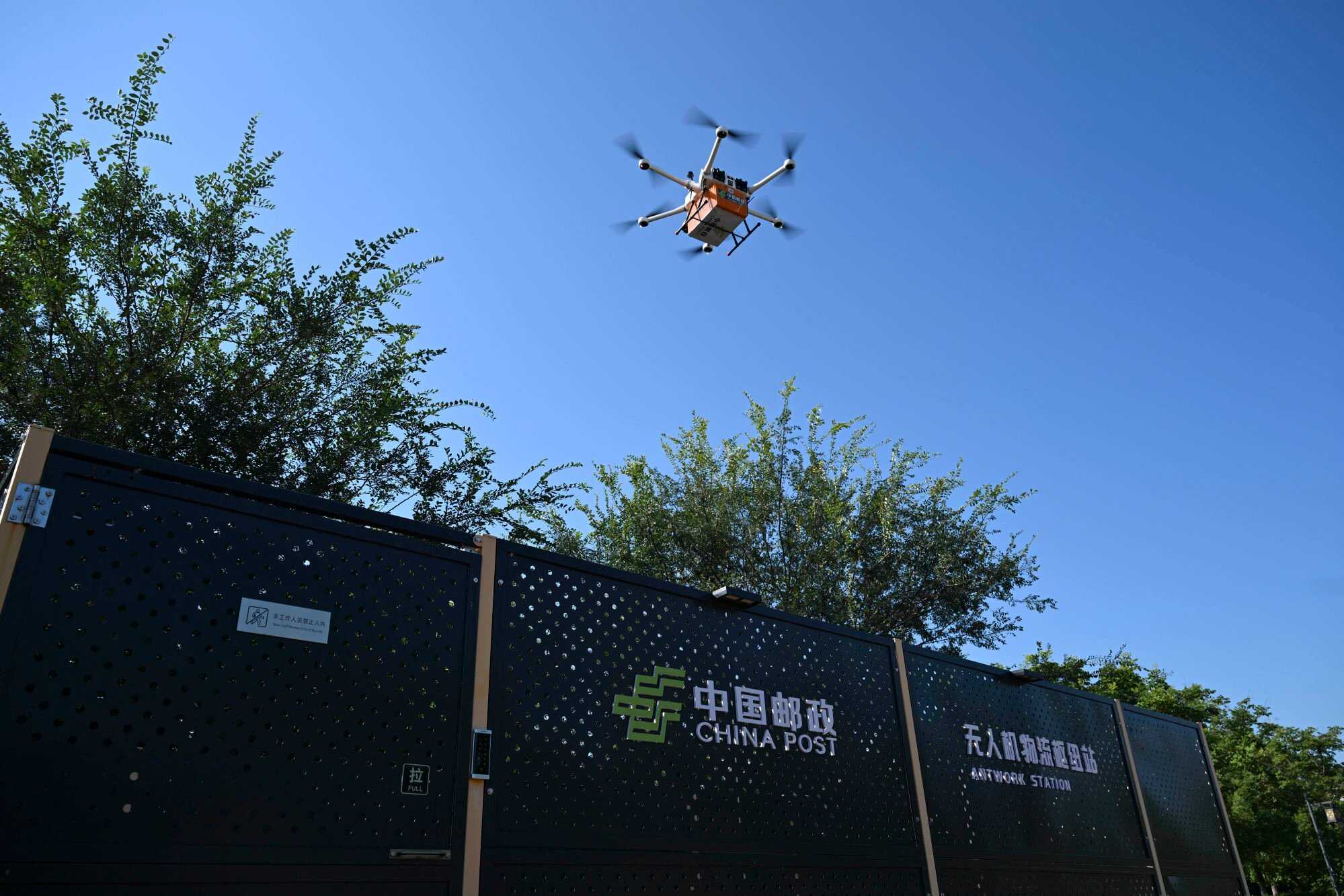
These requests range from self-driving car rides to getting takeout delivered by drone to the Great Wall, Qu Ou said. For many clients, these experiences become the highlight of their trip.
“Clients tell us these are the moments they remember most,” she said. “The satisfaction ratings are extremely high.”

China Highlights began weaving tech into its tours as early as 2018, when the company would introduce visitors to digital payments using QR codes and smart retail outlets – novelties at the time that often left travellers impressed, according to Qu Ou.
“But things are different now,” she said. “China’s digital lifestyle is widely recognised. Tourists often download Alipay or WeChat Pay before they even arrive.”
Now, the company focuses on providing tourists with “interactive experiences”, such as restaurants with robot waiters, high-speed rail journeys and supermarkets that deliver items using large conveyor belts suspended from the ceiling, Qu Ou said.
Chinese agencies are not alone in offering such experiences; foreign-led travel businesses are also carving out a niche in tech-driven tourism. Ed Sander, a Dutch analyst and long-term China tech enthusiast, launched ChinaTechTrip in 2018.
Since China’s borders reopened in 2023, Sander has been offering groups of 10 to 20 overseas visitors guided study tours that showcase innovation in China’s retail and e-commerce sectors.
These trips attract a mix of online and offline retail specialists eager to understand China’s innovation ecosystem – and they are often taken aback by what they see, according to Sander.
“Many participants are surprised by how advanced China already is,” he said. “Beforehand, their impressions were often shaped by biased Western media. After the tours, they walk away with a more balanced view.”
For some, the contrast is jarring. “They realise how fast things are developing here – and how slow things move in Europe. It’s a bit of a rude awakening,” he added.
The surge in travel to China appears to be continuing, with Beijing further easing its border policies in recent months. The country now offers visa-free entry or reciprocal visa exemptions to citizens of 75 countries.
China recorded more than 38 million border crossings by foreign nationals in the first half of 2025, up more than 30 per cent compared with the same period last year, according to official data. Visa-free entries were up nearly 54 per cent year on year.
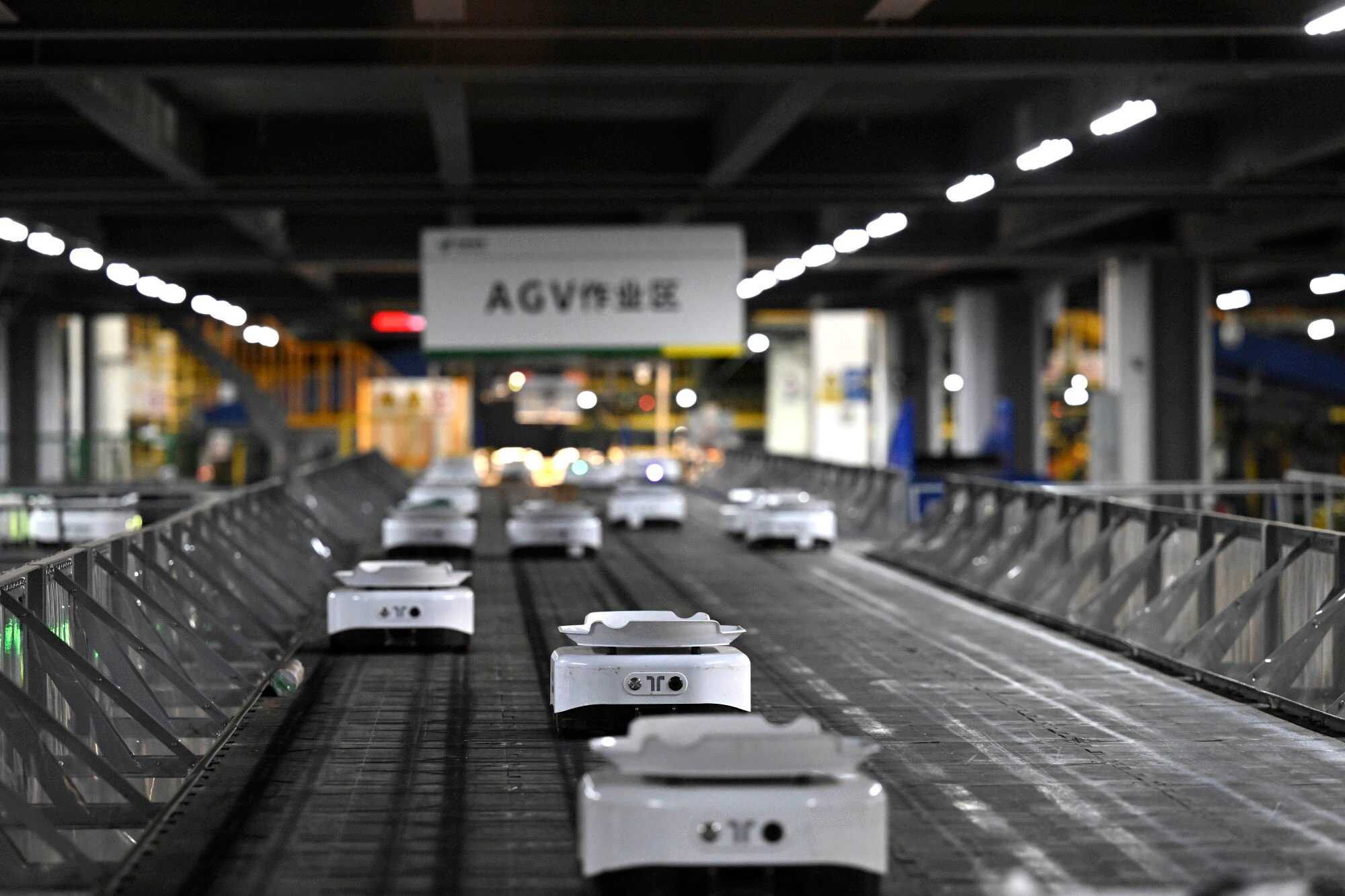
Two of the country’s most high-profile tech hubs – Shanghai and Shenzhen – have seen a surge in foreign visitors this year.
As of early August, Shenzhen had received 984,100 visits from foreign nationals, up 44.7 per cent from the same period a year earlier. Shanghai recorded 3.12 million in the first half alone, a jump of 53.3 per cent year on year, official data showed.
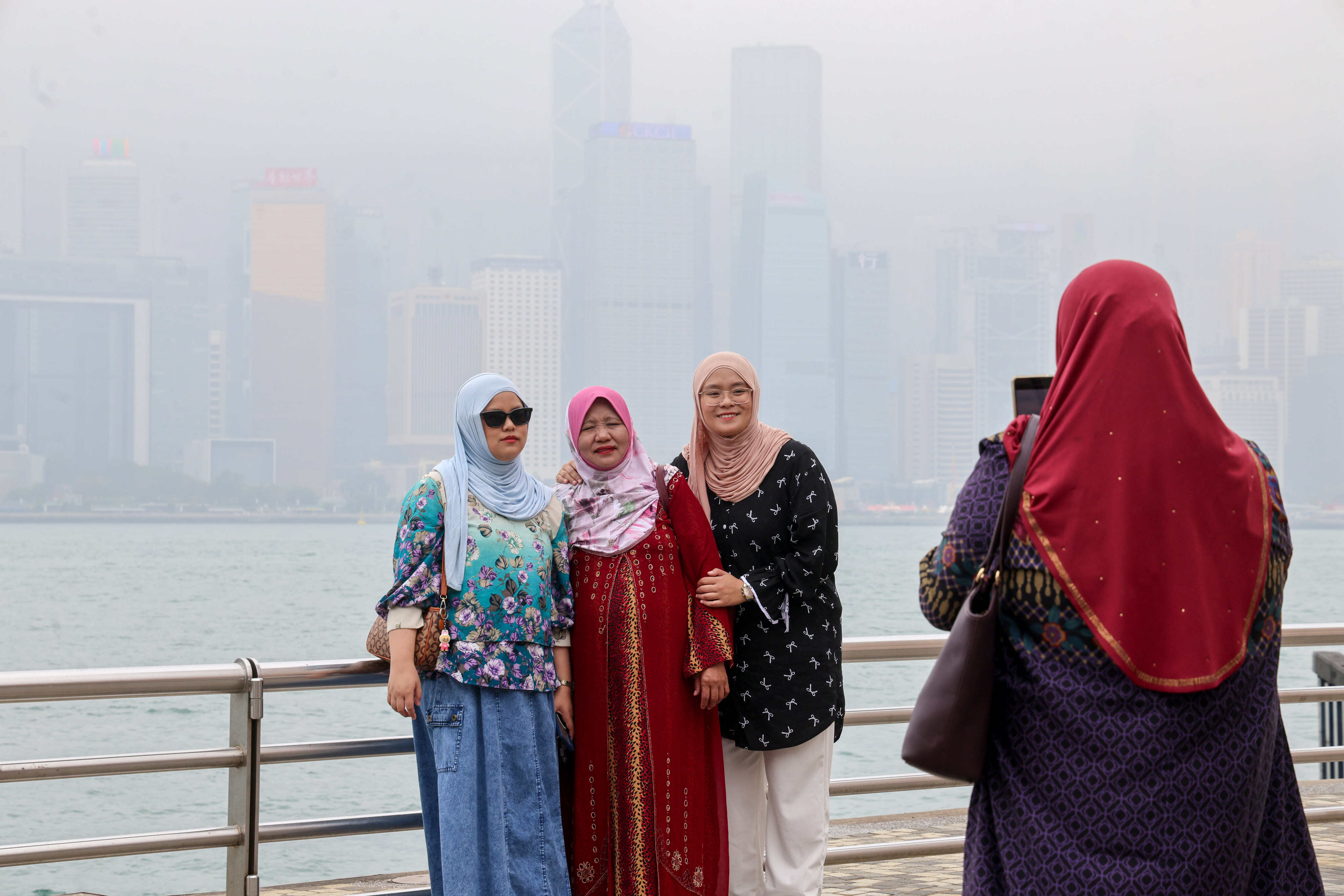
But tourists’ reactions are not solely positive. Online, praise for Chinese innovations is often mixed with concerns about the impact on jobs and personal privacy. Complaints about urban pollution sit alongside rapturous reviews of the nation’s high-speed rail network.
For Guyon, there are still areas where the visitor experience could be improved. “The main thing is international standards – being able to get around with English only, and being able to use international apps on our devices.”