




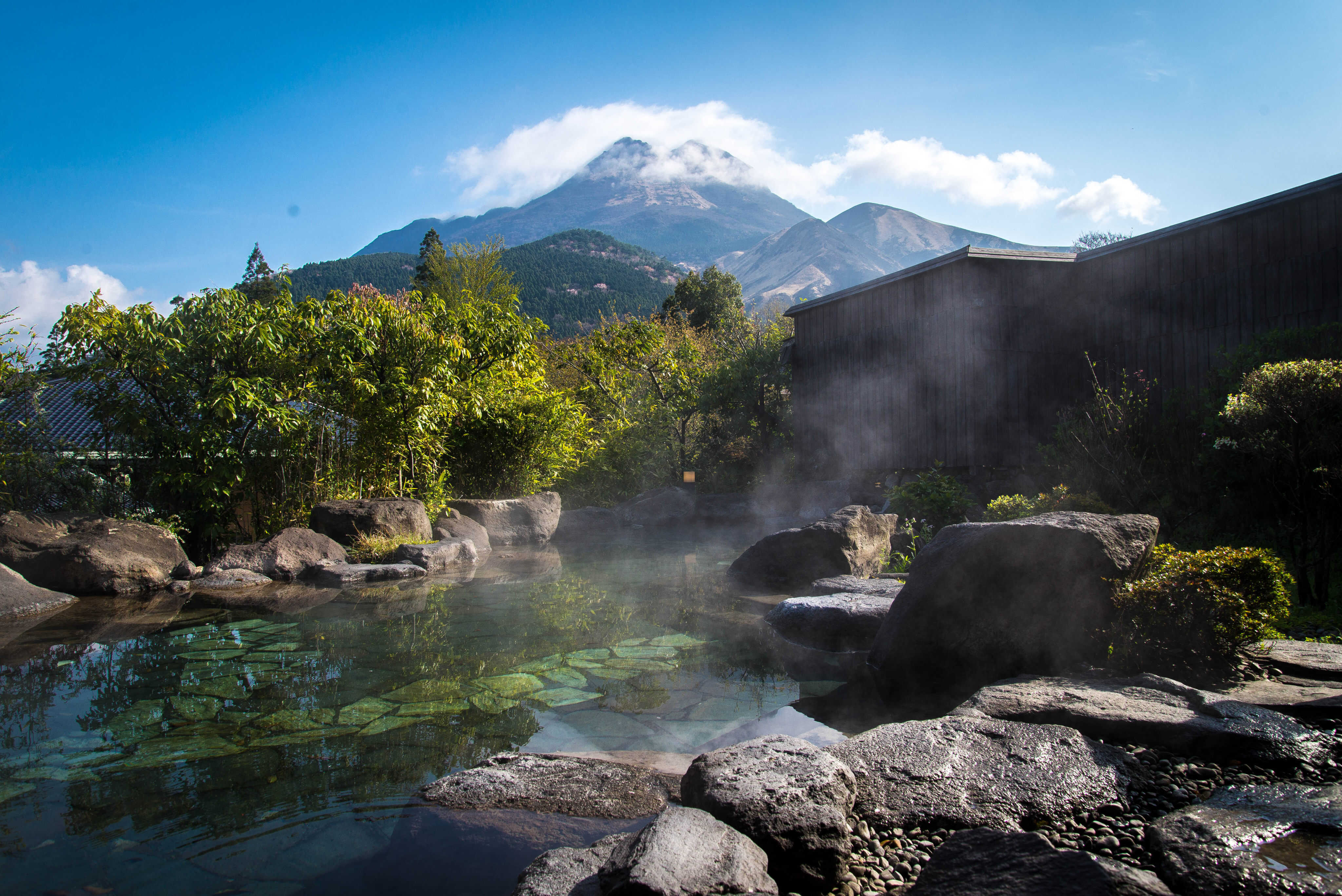
With more than 100 active volcanoes, Japan has the world’s third-largest geothermal resources, but a powerful industry has steadfastly opposed developing the sector: hot springs.
Geothermal energy is a renewable resource that uses heat from deep below the Earth’s crust (see graphic) – it would seem like an attractive option for Japan since the country is poor in other energy resources.
But the hot springs – called onsen in Japanese – located all over the country are a major business that is beloved by locals and tourists alike. The industry fears that developing geothermal energy might cause water levels and temperatures at their facilities to drop. There are about 2,900 hot spring spots across the nation.

Using geothermal resources to generate electricity is a divisive idea in Japan, but there is little disagreement about another use for it: natural steam for cooking.
The geothermal sources that make Japan a perfect place for hot springs are also used to produce a range of delicacies.
For example, there is the onsen tamago – these eggs are cooked in geothermally-heated water at around 65 degrees Celsius to produce a relatively firm yolk surrounded by a creamy soft white.
And then there are small round cakes called onsen manju, a popular snack sold at Japanese hot springs. Stuffed with red bean paste, they are cooked with the steam that rises from onsen water.
Move to London inspired this Hongkonger to share recipes from home
In Beppu, a small coastal town in Japan’s southwestern Kyushu, an abundance of natural hot springs has given rise to a local speciality: jigoku mushi which translates to “hell steaming”. Customers can buy meat, fish and vegetables on-site at an onsen, and cook them in containers that are connected directly to the steam coming from a nearby natural hot spring.
“This method of cooking was already being mentioned in local historical documents as far back as 200 years ago,” said Hitoshi Tanaka, president of Hyotan Onsen – which offers jigoku mushi to its customers.
With steam at temperatures of 100 to 110 degrees Celsius, cooking generally takes no more than five to 10 minutes, “so the food retains its original colour”, Tanaka explains.

The sulphur present in the steam imparts umami to the meal, a flavour enhancer considered key to Japanese cuisine, and it contains iron, a trace element important for health, he added.
“You savour it with your eyes; you smell the steam; you hear the sound of the source of the hot spring – so you appreciate the food here with your whole body.”
This cooking technique has another benefit: it does not need electricity or petrol at a time when Japan, like many other countries, is dealing with soaring energy prices.
Agence France-Presse
Scientists explain why certain foods taste bitter
How are hot springs formed, and why do people enjoy soaking in them?
Hot springs occur in places where there is magma just beneath the Earth’s surface. The magma heats water that has seeped into the Earth’s crust, and the water bubbles up to the surface as a hot spring.
Some people believe soaking in hot springs can help ease aches and pains. The minerals found in hot springs may also treat certain skin conditions such as dermatitis. A study done in 2016 found that soaking in hot water can help improve the circulatory system and blood pressure.
But not all hot springs are safe. Some contain high levels of sulphur which can cause respiratory damage when inhaled in huge quantities. Others might be unsafe because of high temperatures.
