




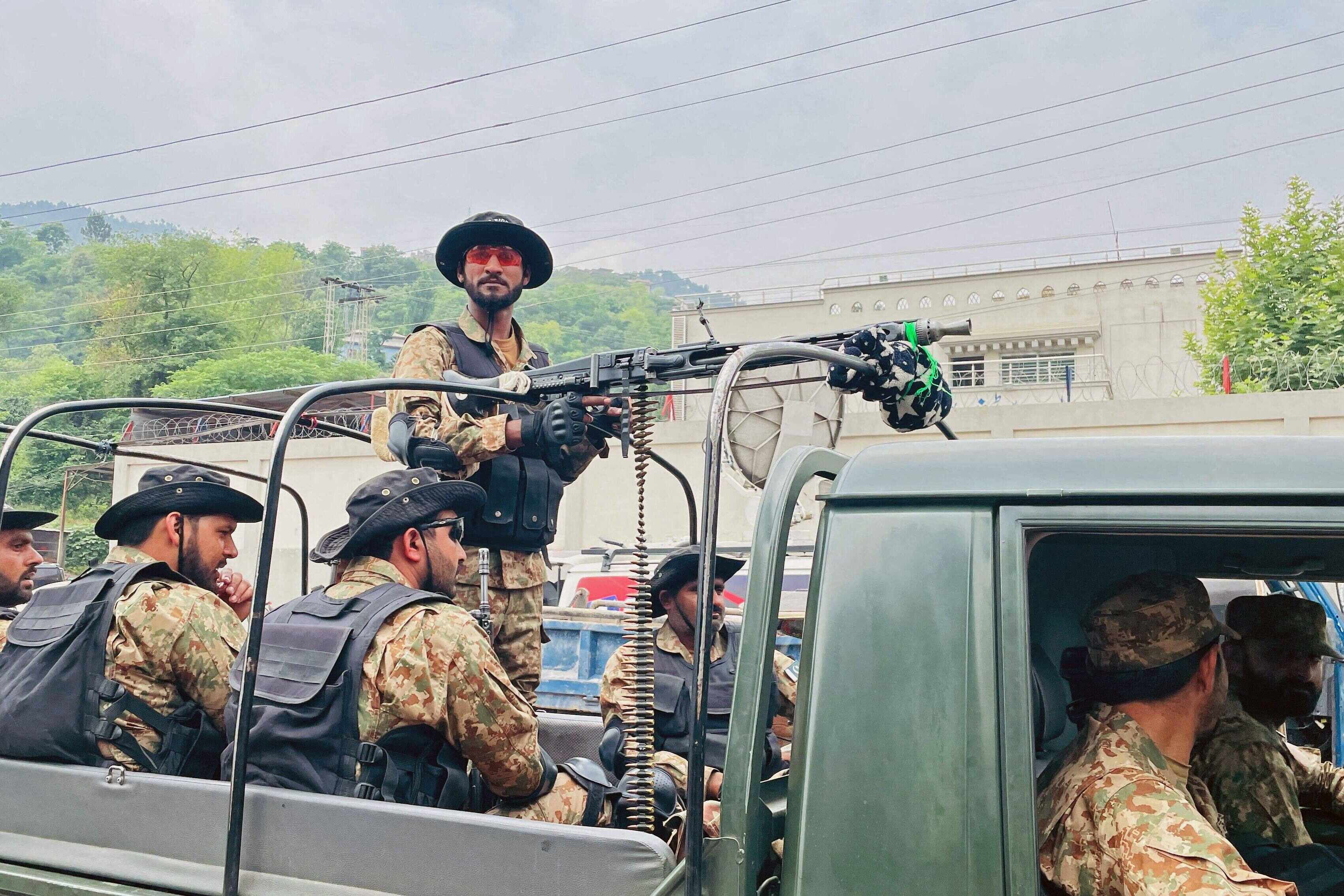
The worst violence between nuclear-armed India and Pakistan in two decades has killed up to 38 people, reportedly. The neighbouring nations exchanged heavy artillery fire along their contested frontier on Wednesday, following deadly missile strikes from New Delhi.
At least 38 are dead, with some 26 being civilians who died by Indian strikes and firing along the border, Islamabad said.
New Delhi said 12 have died from Pakistani shelling.
The fighting comes two weeks after the Indian government claimed Pakistan was behind a militant attack in the Indian-administered part of the disputed Kashmir region.
The neighbours have fought various wars since being partitioned by the British in 1947. The new violence exceeds Indian strikes in 2019 that followed a suicide bombing attack in an Indian security force convoy that killed 40.
Syed Adil Shah’s family mourn hero who died fighting Kashmir attacker in Pahalgam
The Indian army said “justice is served”, reporting nine “terrorist camps” had been destroyed, with the Indian government adding that its actions “have been focused, measured and non-escalatory in nature”.
Pakistan’s defence minister, Khawaja Muhammad Asif, accused Indian Prime Minister Narendra Modi of launching the strikes to “shore up” his domestic popularity, but said Islamabad had struck back.
“The retaliation has already started”, Asif told Agence France-Presse. “We won’t take long to settle the score.”
Military spokesman Ahmed Sharif Chaudhry said five Indian jets had been brought down across the border. An Indian senior security source, who asked not to be named, said three of its fighter jets had crashed on home territory.
In Muzaffarabad, the main city of Pakistan-administered Kashmir, troops cordoned off streets around a mosque Islamabad said was struck, with blast marks visible on the walls of several nearby homes.
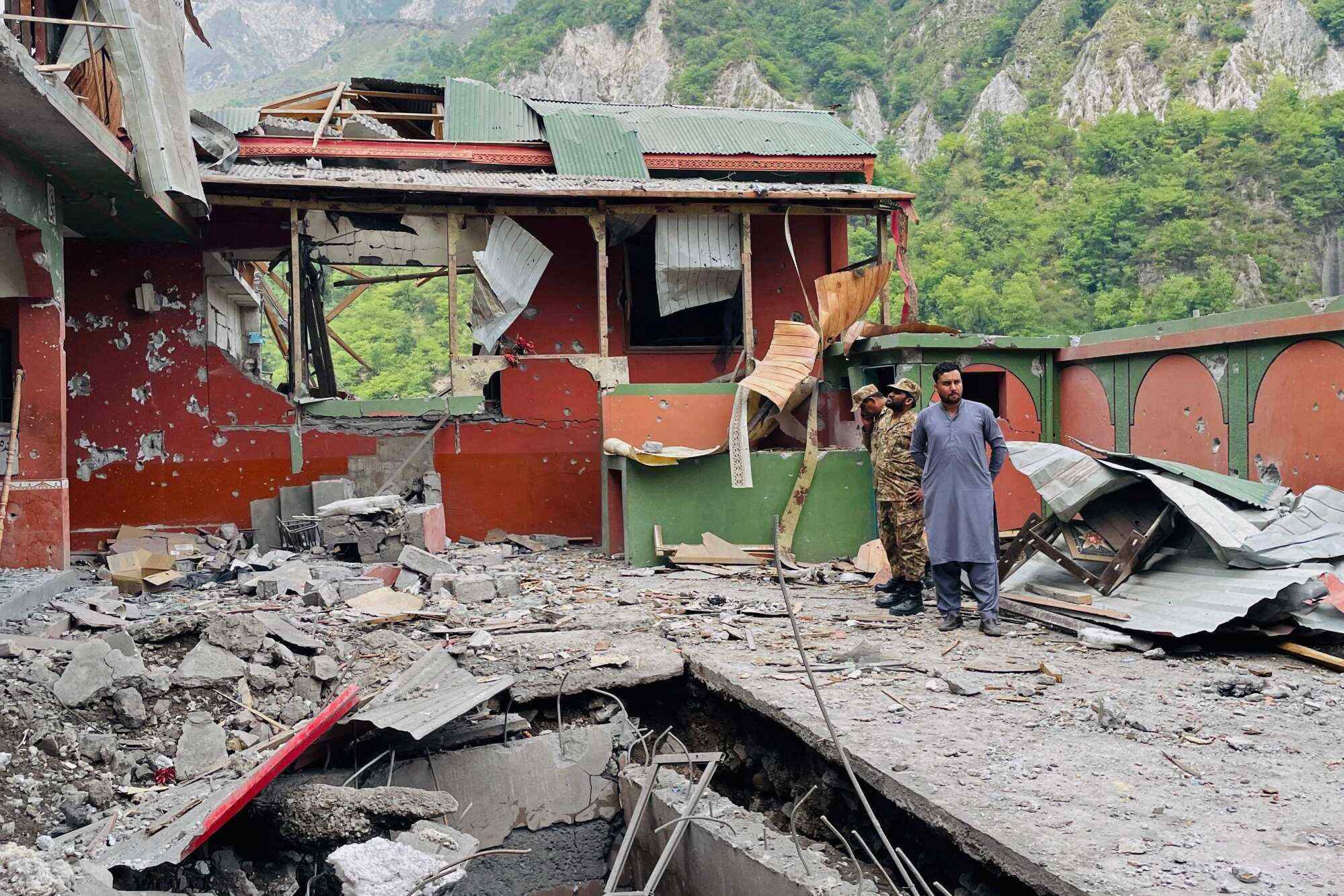
“There were terrible sounds during the night, there was panic among everyone,” said Muhammad Salman, who lives close to the mosque.
“We are moving to a safer place … we are homeless now,” added 24-year-old Tariq Mir, who was hit in the leg by shrapnel.
Pakistan said strikes killed 21 civilians - including four children - while gunfire at the border killed another five.
India’s army accused Pakistan of “indiscriminate” firing across The Line of Control (LoC), the de facto border in Kashmir.
“We woke up as we heard the sound of firing”, Farooq, a man in the Indian town of Poonch, told the Press Trust of India news agency from his hospital bed, his head wrapped in a bandage.
“I saw shelling raining down.”
March 2025: Pakistan TV dramas win Indian hearts, bridging the gap between neighbour nations
Agence France-Presse reporters in the town saw bursts of flame as shells landed. At least 12 people were killed and 29 others wounded in Poonch, local official Azhar Majid told Agence France-Presse.
India had been widely expected to respond militarily to the April 22 attack on tourists in Indian-administered Kashmir by gunmen it said were from Pakistan-based group Lashkar-e-Taiba, a UN-designated terrorist organisation.
The assault in the tourist hotspot of Pahalgam killed 26 people, mainly Hindu men. New Delhi has blamed Islamabad for backing the attack, sparking a series of heated threats and diplomatic tit-for-tat measures.
Pakistan rejects the accusations and called for an independent probe. On Wednesday, Pakistani Prime Minister Shehbaz Sharif called India’s strikes a “heinous act of aggression” that would “not go unpunished”.
The two sides have exchanged nightly gunfire since April 24 along the LoC, according to the Indian army. Pakistan also said it has held two missile tests.
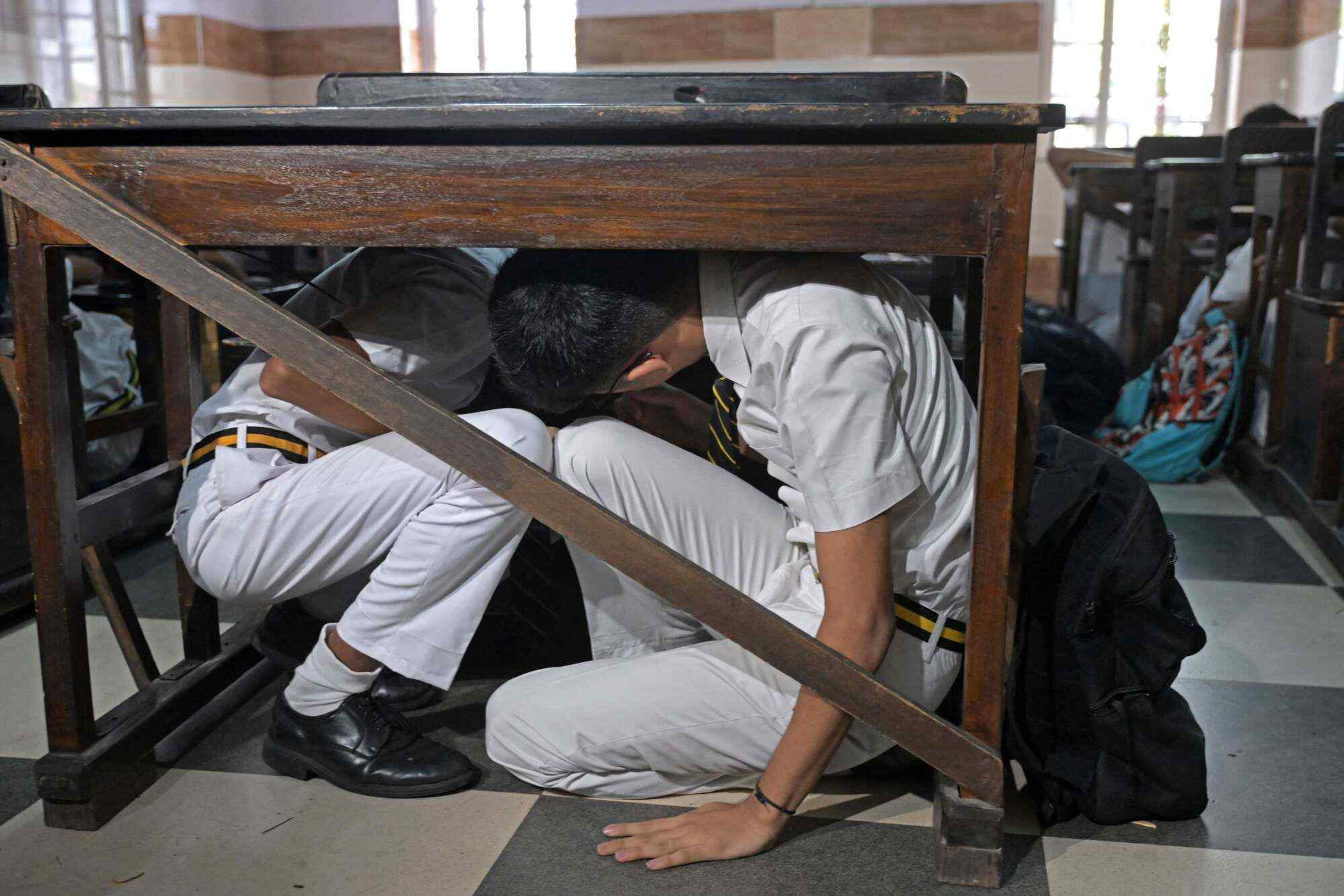
“Escalation between India and Pakistan has already reached a larger scale than during the last major crisis in 2019, with potentially dire consequences”, International Crisis Group analyst Praveen Donthi said.
Diplomats have piled pressure on leaders to step back.
“The world cannot afford a military confrontation between India and Pakistan,” the spokesman for United Nations chief Antonio Guterres, Stephane Dujarric, said in a statement.
United States president Donald Trump told reporters in Washington he hoped that the fighting “ends very quickly”.
Concern poured in from China, a mutual neighbour of both nations that administers its own part of Kashmir, Britain, France and Russia. Airlines have cancelled, diverted or diverted flights.
Rebels in Indian-administered Kashmir have waged an insurgency since 1989, seeking independence or a merger with Pakistan.
India regularly blames its neighbour for backing armed groups fighting its forces in Kashmir, a charge that Islamabad denies.
Iranian Foreign Minister Abbas Araghchi is expected in New Delhi on Wednesday, two days after a visit to Islamabad, as Tehran seeks to mediate.
