




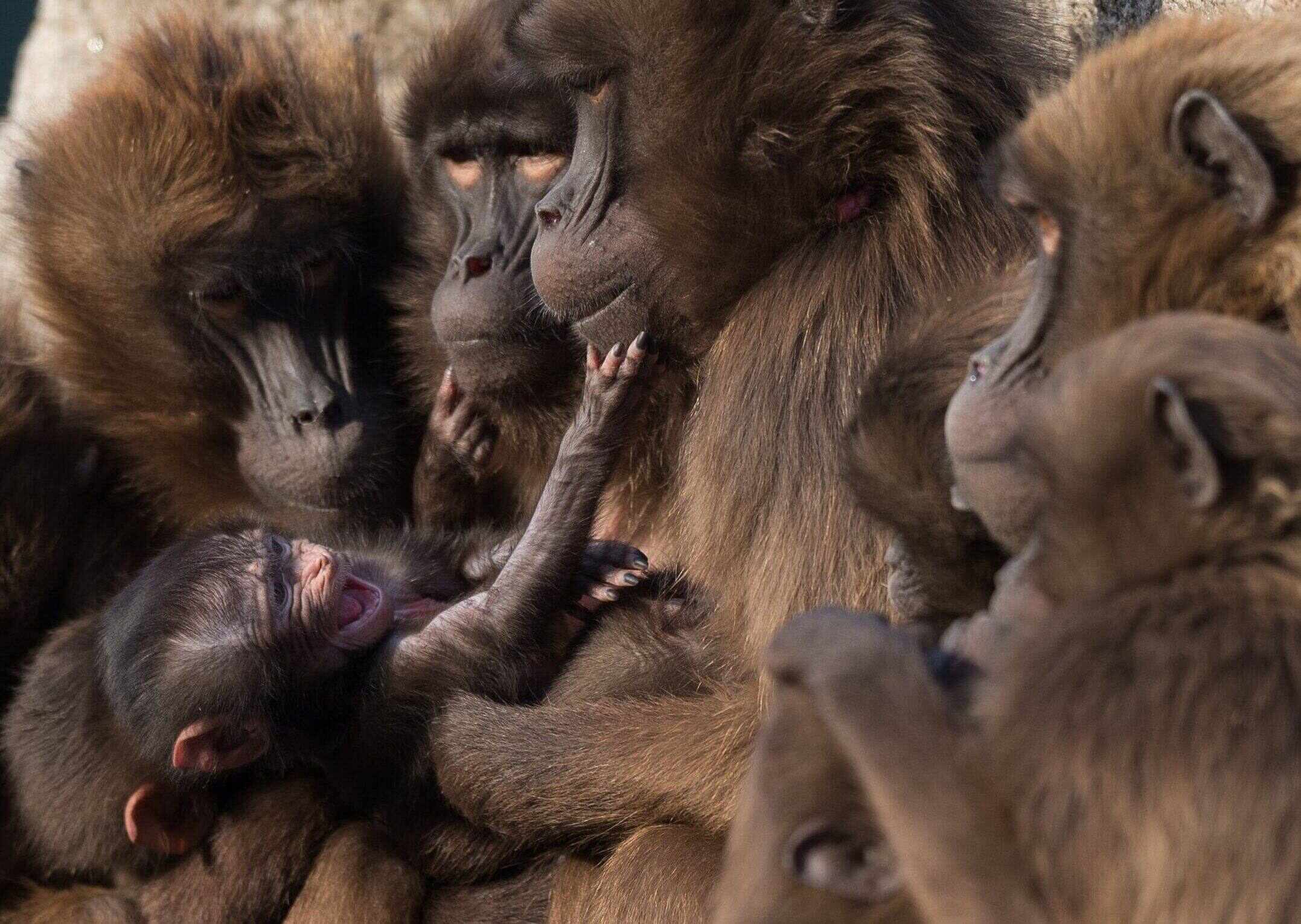
Baboons have the ability to cooperate with each other, like their human counterparts, for the common good, or punish them if they do not reciprocate, according to a study.
Scientists have long debated whether animals other than humans are capable of this complicated tit-for-tat interaction known as “strategic cooperation”.
For example, imagine a student who helped out an absent schoolmate by lending them their notes from class.
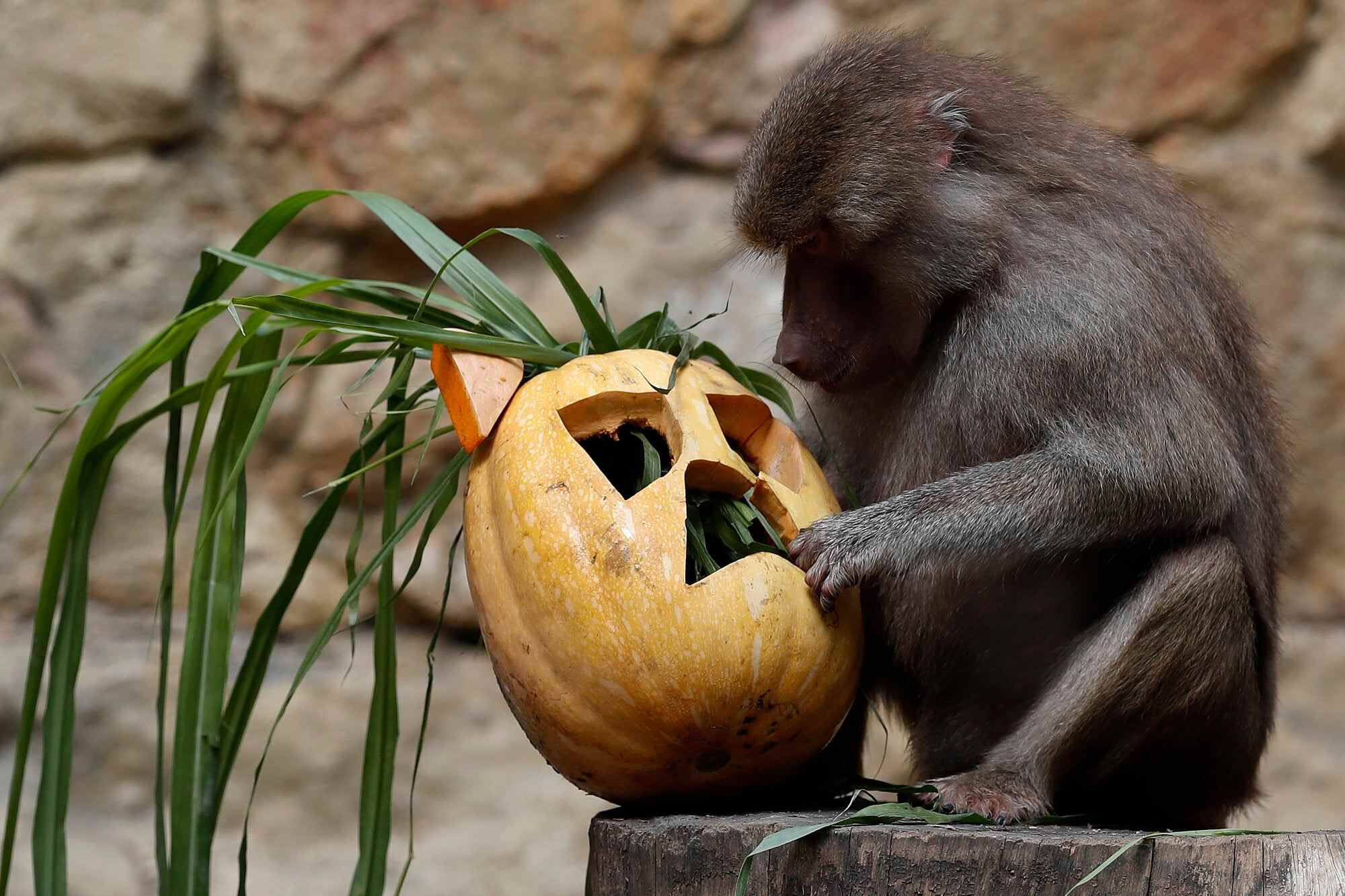
The student might expect that schoolmate to return the favour next time – and if they did not, seek out someone else more willing to play ball.
To find out if baboons, which are particularly sociable monkeys, are capable of this level of sophistication, researchers conducted an experiment at a French primate centre.
Eighteen Guinea baboons were paired off and put opposite each other, separated by a transparent partition, so they could watch their partner’s behaviour.
Hong Kong’s pet rabbits enjoy luxury bunny resort while owners head on holiday
Each baboon had its own touch screen, which they were accustomed to from previous research at the centre.
One of the baboons was then presented with several images on their touch screen. Pressing one image would release a tasty treat just for themselves.
But pressing another image would give both baboons a treat – a decision the partner on the other side of the screen would see.
Ten of the baboons were swiftly sacked because they did not understand the task.
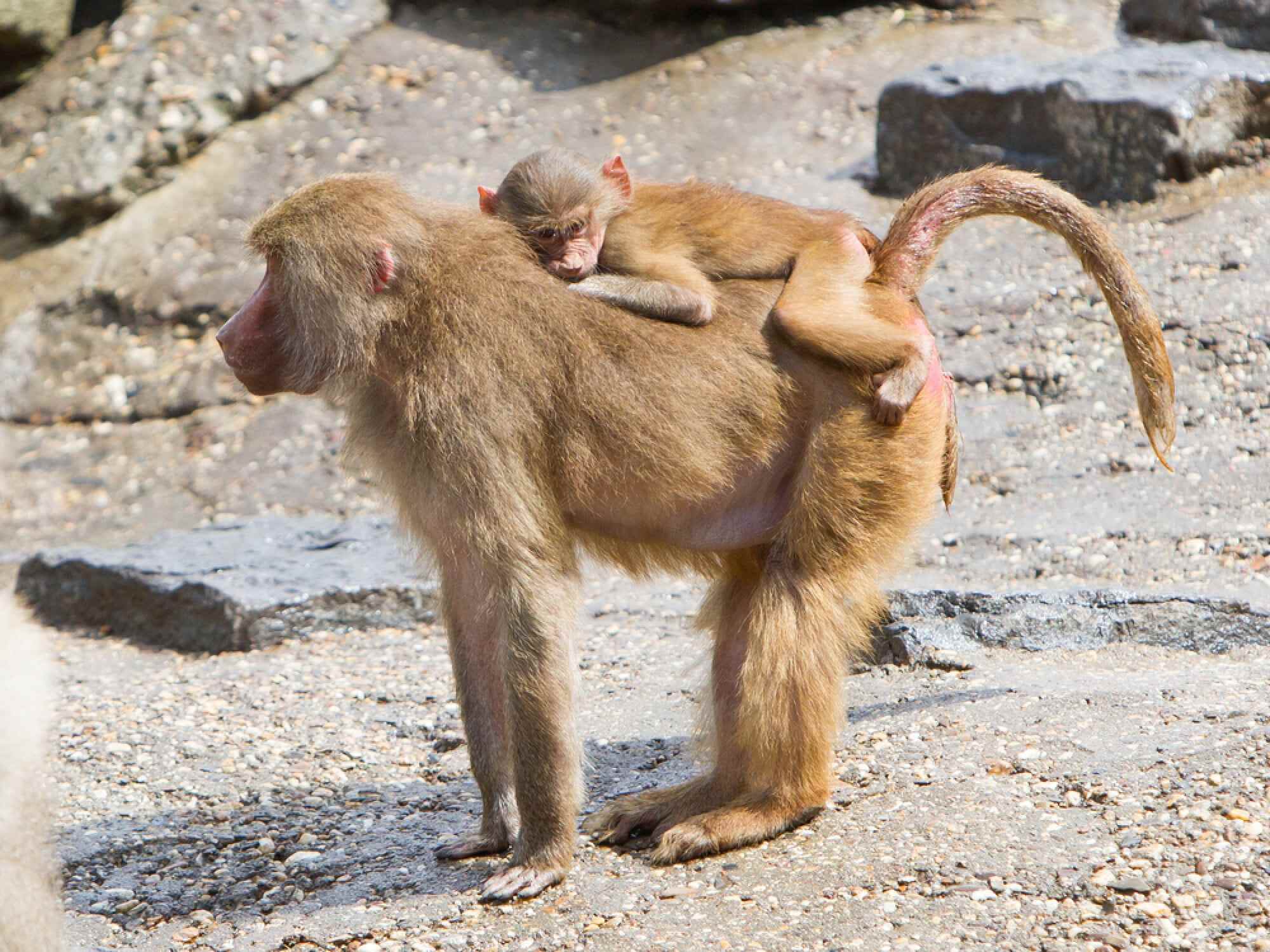
For the remaining eight, the researchers conducted nearly 250,000 tests on random pairings over 95 days.
In almost all of the interactions, the baboons selected “the image that rewarded them both”, said Anthony Formaux, an expert in animal psychology and the lead author of the study in the journal Science Advances.
The baboons made the decision out of a “sense of the general interest”, said Formaux.
Study Buddy (Challenger): ‘Paw-ga’ sessions teach yoga with shelter dogs
Then the researchers increased the difficulty. The baboons were given two options: one gave a treat to the monkey on the other side of the screen, while the other did nothing.
“No longer able to reward themselves, they watched their partner much more carefully,” Formaux said.
Baboons who gave treats to their comrades were more likely to receive some later in return.
But if a baboon made the “selfish” choice of not rewarding its partner, the partner would later punish it, potentially by wondering off to find another monkey at a different screen.
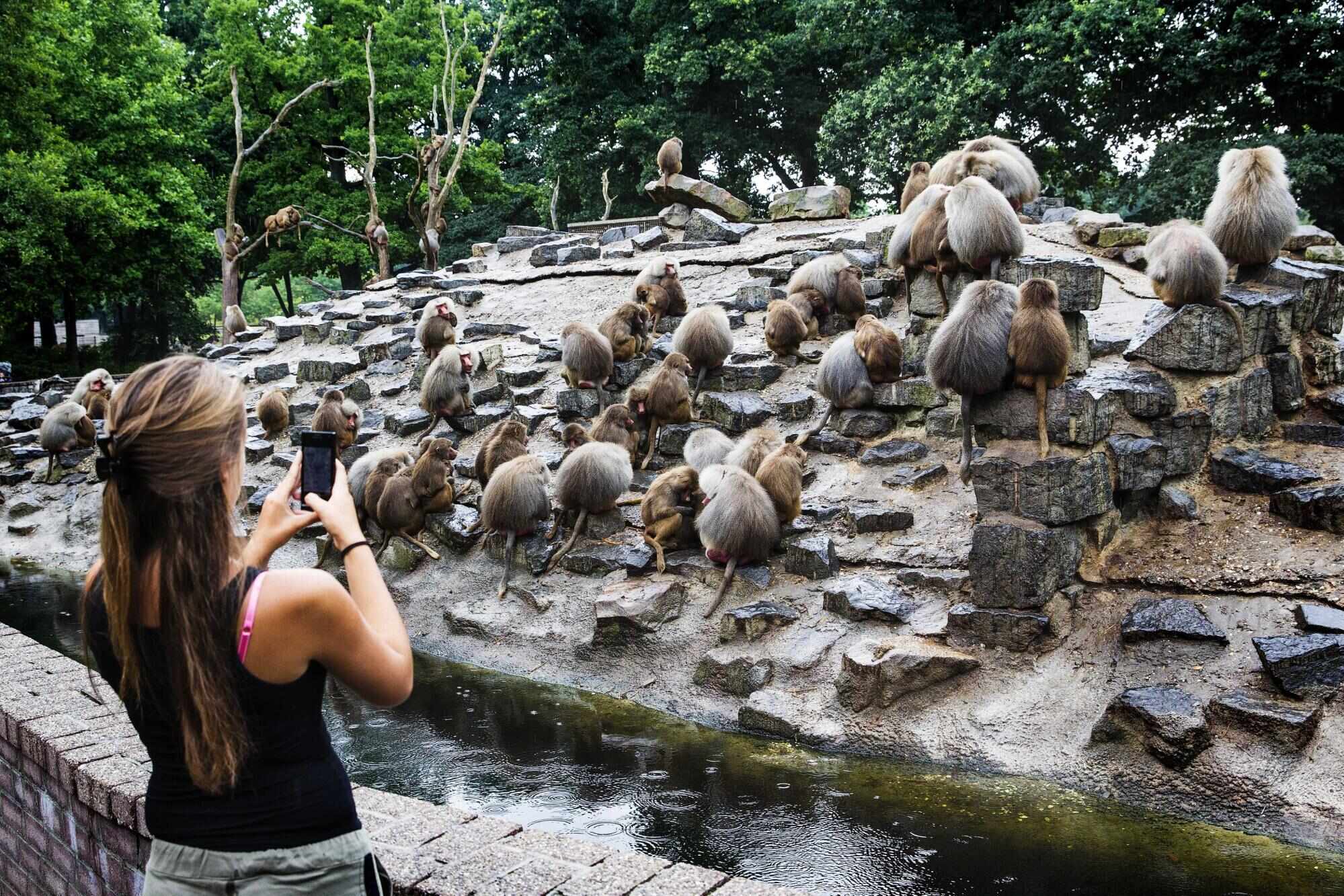
The baboons would only dish out punishment sometimes, “as a little reminder to control the partner in order to strengthen cooperation”, Formaux said.
“It was incredible!” he said. “They adapted their strategy according to difficulty and the costs imposed on them.”
The researchers suggested that this capacity for strategic cooperation was potentially inherited from a common ancestor of both humans and baboons at least 30 million years ago.
