




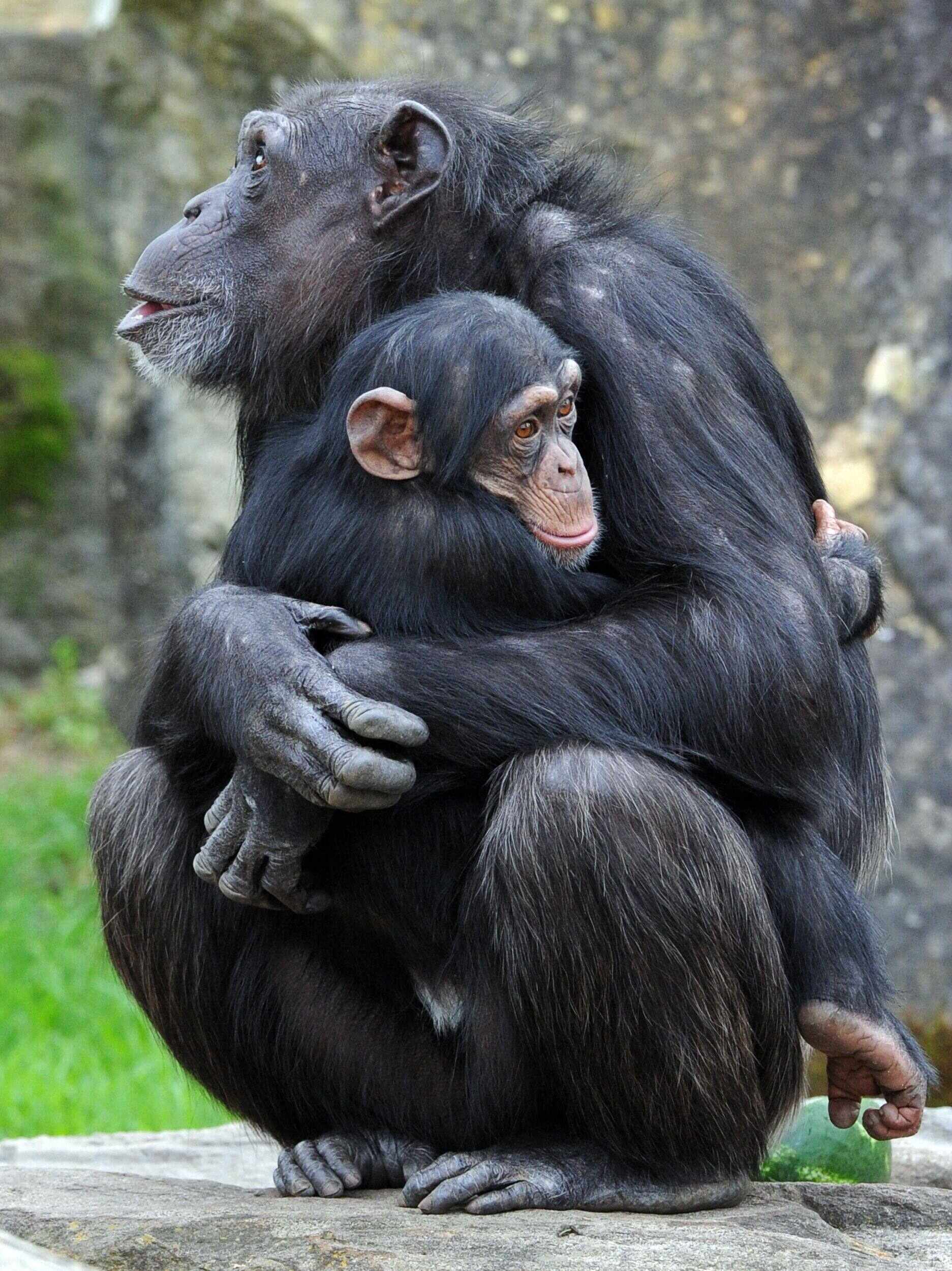
A boisterous young chimpanzee slaps an adult in his family on the back, then scampers away and looks back to see the response to his cheekiness.
Nothing yet, so the young chimp Azibo rolls back and dishes out another slap, this time provoking a reaction: the distracted adult waves a half-hearted swipe in his direction, shooing the troublesome youth away – though not for long.
This scene recorded at Leipzig Zoo in Germany is just one of many analysed by scientists to show that great apes engage in playful teasing in a similar way to young human children.
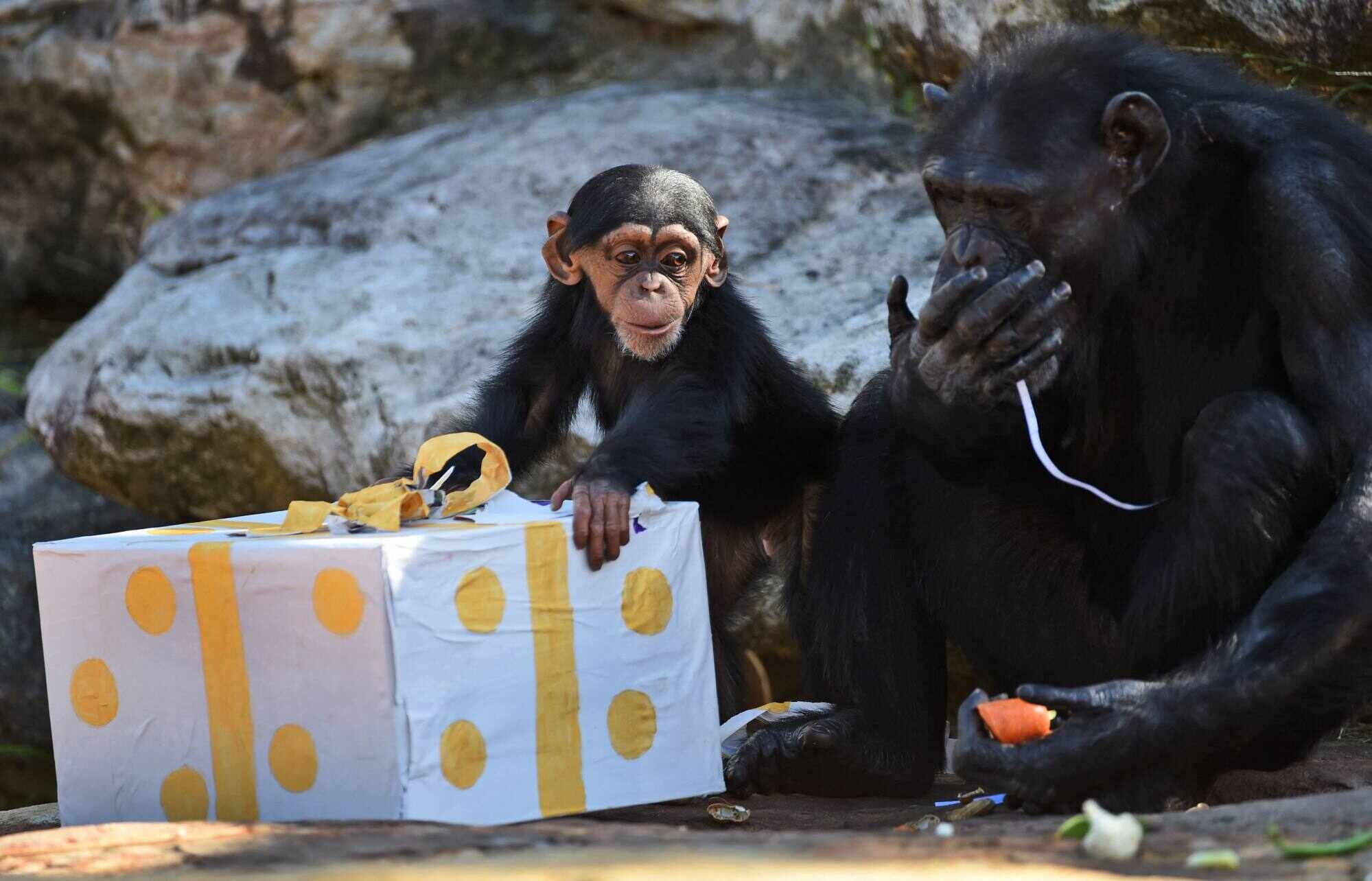
Because all four species of great apes were recorded teasing each other, the “cognitive prerequisites for joking” probably evolved in a shared ancestor millions of years ago, the scientists said in a new study.
The researchers catalogued a wide range of classic japery. One ape would offer another an object, only to withdraw it at the last second. Or they would prevent their mark from grabbing something they want. Other tricksters simply did the opposite of what they were told. Some just liked to poke.
Much of this behaviour is common in human children, starting from around eight months for the most precocious.
San Francisco science museum has welcomed 10 African penguin chicks
Somewhere between normal play and aggression, playful teasing involves anticipating the response of others as well as enjoying going against their expectations, according to the study in the journal Proceedings of the Royal Society B.
Lead author Isabelle Laumer says that the researchers were surprised this rambunctious teasing “rarely resulted in any aggressive behaviour”.
The great primatologist Jane Goodall had previously observed that young chimpanzees “sometimes disturbed older animals when they were sleeping by jumping on them or playfully biting them, or pulling their hair,” Laumer said.
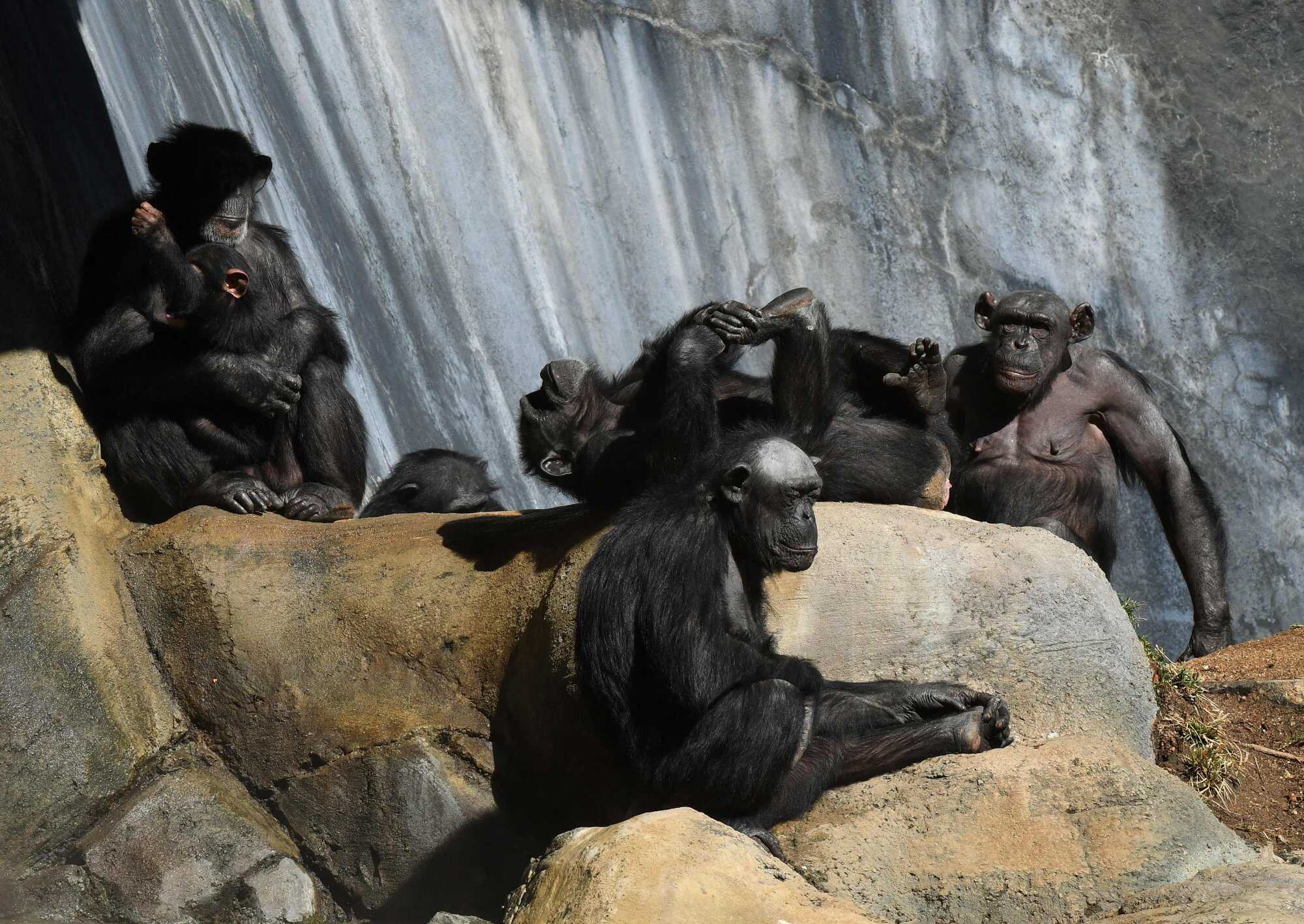
“The adults also reacted to this quite calmly,” added Laumer, a cognitive biologist and primatologist at Germany’s Max Planck Institute of Animal Behavior.
The team, which included researchers from the University of California, Los Angeles, analysed 75 hours of video of chimpanzees, bonobos, gorillas and orangutans getting up to hijinks in zoos.
Focusing on one youth of each species, the researchers identified 18 different teasing behaviours.
Unsurprisingly, chimpanzees were up to the most funny business. They liked slapping a dozing adult or just generally getting in the way. Orangutans showed a proficiency at hair pulling. Gorillas were fans of that most traditional of provocations: the shove.
Slow but steady wins the race at unique Japan racecourse
As demonstrated by Azibo, most of the interactions involved a youth starting to tease an adult, then repeating the gesture until they got a reaction.
In one quarter of the interactions, the initial target turned the tables on the prankster, teasing them right back.
That could devolve into more traditional play, in which the apes wrestled, chased, mock-bit or tickled each other.
Such play takes two, but playful teasing has to be asymmetrical -- one has to target another, the researchers emphasised.
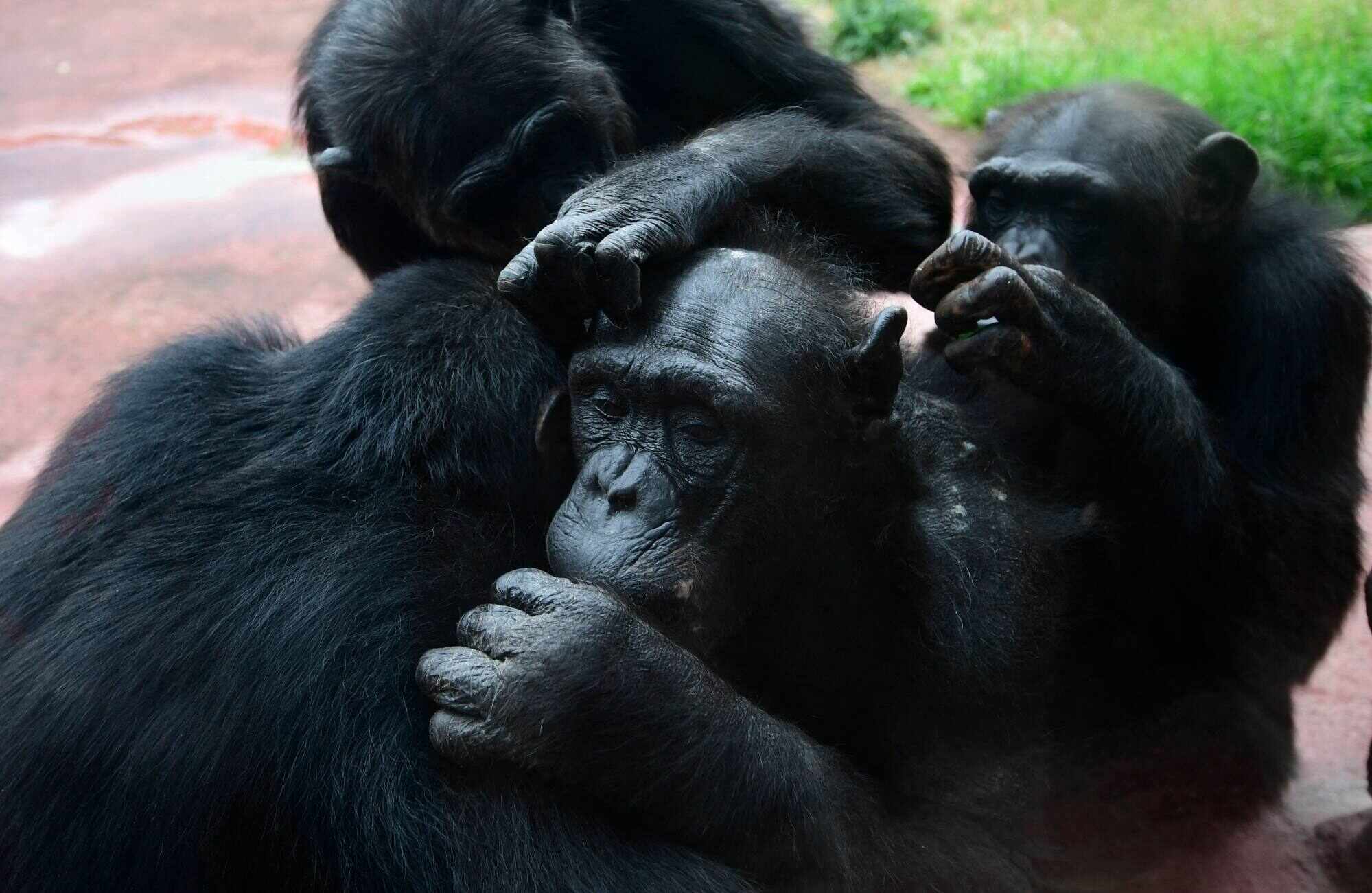
The cognitive ability to engage in such joking must have been present in the common ancestor of humans and all modern primates at least 13 million years ago, they said.
But beyond the laughs, what is the purpose of this incessant teasing among apes?
Laumer declined to speculate.
But she said that for human children, such teasing helps “test social boundaries,” creating mutual enjoyment and therefore potentially strengthening the relationship between the prankster and the butt of their joke.
