




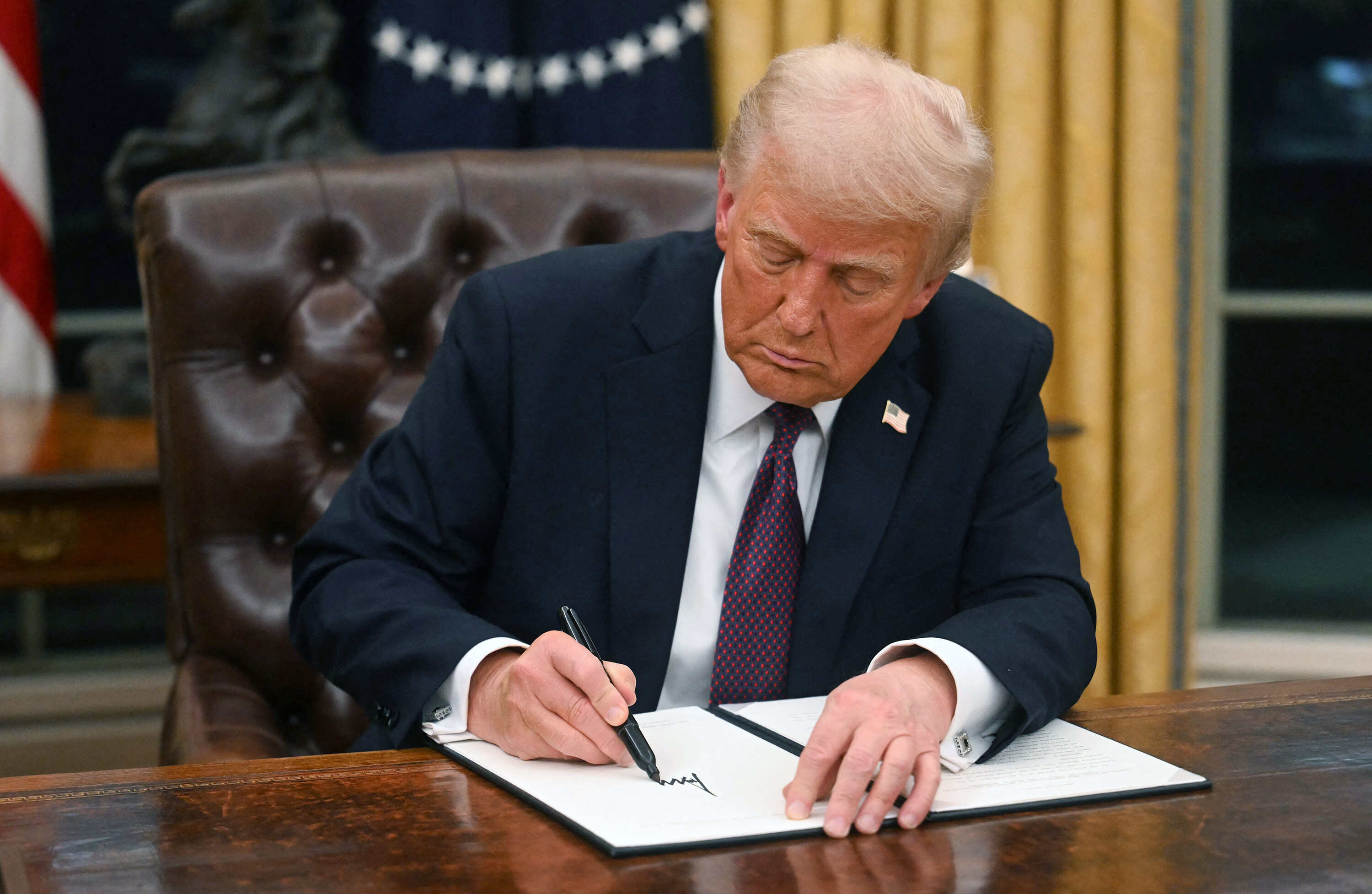
President Donald Trump signed a proclamation banning individuals from 12 countries from entering the US, reinstating one of the most controversial measures from his first term following an attack in Colorado that targeted an event supporting Israeli hostages.
The travel ban announced on Wednesday covers Afghanistan, Myanmar, Chad, the Republic of the Congo, Equatorial Guinea, Eritrea, Haiti, Iran, Libya, Somalia, Sudan and Yemen.
The measure also partially limits entry of people from Burundi, Cuba, Laos, Sierra Leone, Togo, Turkmenistan and Venezuela.
Trump earlier in the week blamed the immigration policies of former President Joe Biden for the presence of the suspect in the Colorado attack. The suspect was an Egyptian who overstayed his visa and wouldn’t have been affected by the ban. Witnesses say they saw the suspect use a makeshift flame-thrower and throw an incendiary device in the attack.
“The recent terror attack in Boulder, Colorado, has underscored the extreme dangers posed to our country by the entry of foreign nationals who are not properly vetted, as well as those who come here as temporary visitors and overstay their visas,” Trump said in a video posted on social media Wednesday. “We don’t want them.”
The ban will not apply to those who already have visas, lawful permanent residents of the US or teams travelling for the World Cup or Olympics. Those with special visas to escape persecution in Iran or for assisting the US military effort in Afghanistan are also exempt.
In his first term, Trump barred travellers from Cuba, Iran, Libya, North Korea, Somalia, Sudan, Syria, Venezuela and Yemen.
Hong Kong students are ‘hesitant’ to study in the US because of Trump’s policies
The addition of Afghanistan in this order comes after the Trump administration suspended the US refugee programme and froze federal funding for assistance programmes, including those that provided travel for Afghans who had already been approved to resettle in the US.
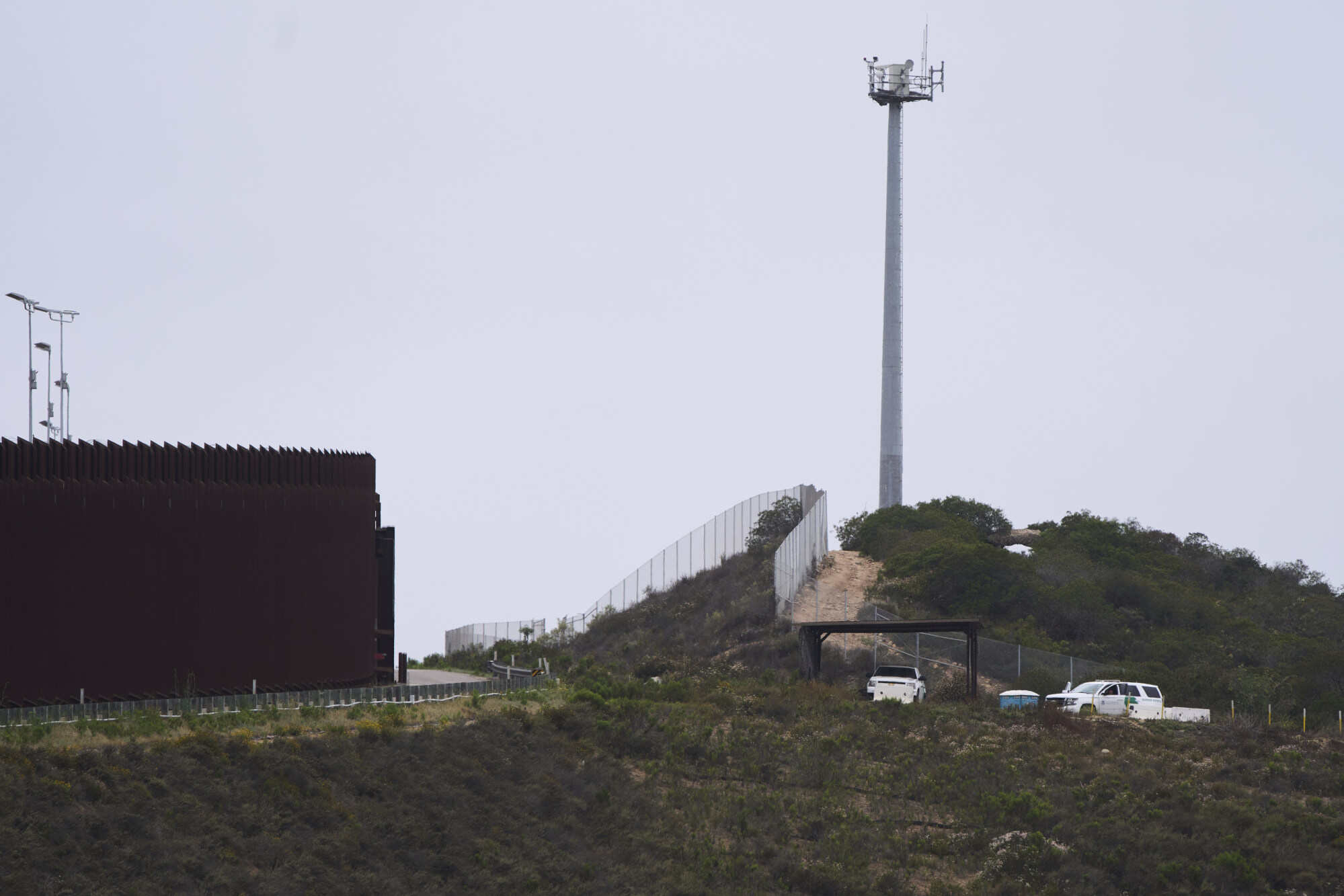
The move is part of a broader immigration plan to reduce undocumented migration, increase deportations and finish the US-Mexico border wall that Trump started during his first term.
In his 2024 presidential campaign, Trump promised to strengthen US borders, focusing on voter worries about crime and rising numbers of migrants.
The travel ban is likely to face legal challenges, just as its first-term predecessor did and with many of Trump’s other immigration actions during his current White House stint already being litigated in the courts.
Trump has vowed to carry out an agenda that offers to test the powers of his office on immigration policy.
The first-term travel ban marked a signature moment in Trump’s tenure. Trump, in 2017, within days of taking office, issued an order which barred people from seven countries with largely Muslim populations from entering the US for 90 days.
The move sparked chaos and confusion at airports, protests across the globe and a flood of lawsuits seeking to halt the order, which critics assailed as a “Muslim ban”.
Trump defended the move as necessary for national security and, after judges struck down the initial version. He moved to issue revised orders that altered the list of countries targeted and offered more specifics about the scope of the restrictions in a bid to survive further legal scrutiny.
The subsequent changes to the policy eventually led to the US Supreme Court in 2018 upholding the travel ban, with the justices rejecting claims that it targeted Muslims and giving Trump a major legal victory that bolstered a president’s broad controls over the nation’s borders.
Biden – in one of his first acts in office in 2021 – signed his own order ending Trump’s travel ban.
Trump during the 2024 campaign, though, had vowed to reinstate it and expand the measure to cover refugees from Gaza if elected, and his move delivers on a key plank of his agenda.
