




Student leaders never wanted the founders of the Occupy protests involved in their demonstration, a Hong Kong court heard on Monday. The event turned into a civil disobedience movement that brought Hong Kong to a standstill in 2014.
A lawyer for Tommy Cheung Sau-ying, one of the student leaders, made the claim during the trial of nine people accused of playing leading roles in the pro-democracy movement four years ago.
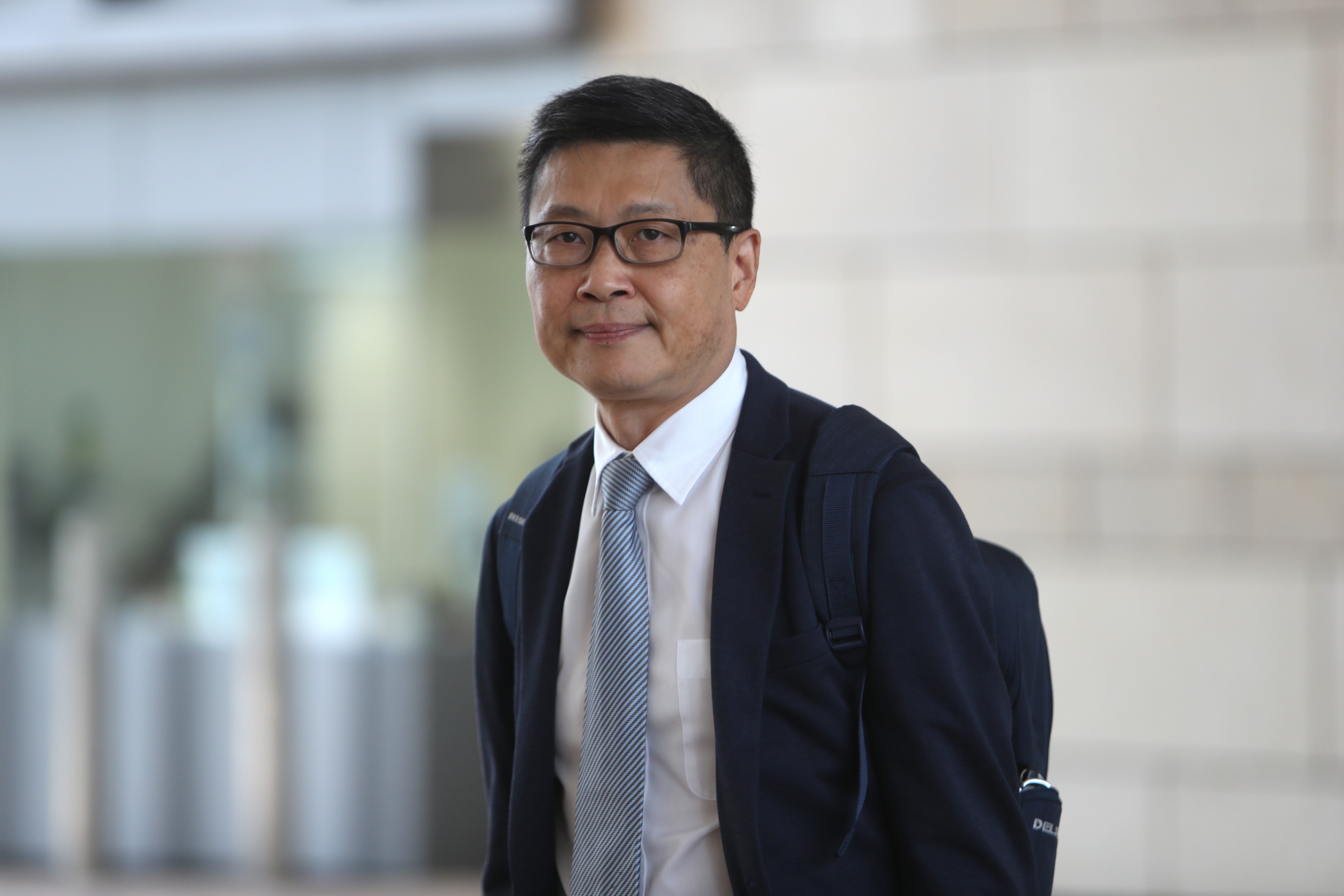
The shock assertion even caught Dr Chan Kin-man, one of the protest founders, by surprise. He said he doubted it to be true, although he did not ignore the possibility when asked about it at West Kowloon Court. “I cannot rule it out completely,” he said. “Though the possibility would not be high.”
Hong Kong’s Occupy leaders on trial: who they are and what they’re accused of
The claim was further evidence that the protest was punctuated with arguments between the student leaders and the 2014 pro-democracy protest’s founders, the two main forces at the time.
Although the Occupy movement was suggested by university scholars Chan, Benny Tai Yiu-ting, and Reverend Chu Yiu-ming in 2013, it did not go to plan. The court previously heard that it was declared prematurely, alongside an ongoing student-led protest in Admiralty.
The student-led protest – equally sparked by the frustration against Beijing’s restrictive proposals in relation to the election of Hong Kong’s leader – first emerged on September 26, 2014. Two days later, Tai announced the start of the Occupy movement after some of the leaders were arrested.
The court had previously been shown video footage of a large crowd of student protesters leaving straight away after Tai’s announcement, with some accusing the three founders of hijacking their protest.
While Chan, who has been testifying since last Thursday, said they had asked for student leaders’ blessing before turning it into the Occupy movement, barrister Hectar Pun Hei SC painted a different picture.
As the barrister for Cheung, he was able to cross-examine Chan.
Prosecutors want harsher sentences for Occupy activists who led the 2014 protests
The barrister said the student leaders had indeed asked for the trio’s help at the time, but what they wanted was purely logistical support, including manpower and supplies.
They did not mean to ask them to declare their Occupy protest, said Pun, who called it a “misunderstanding”.
Philip Dykes SC, barrister for another student leader, Eason Chung Yiu-wa, said that was why students beside the founders looked surprised – as video footage had suggested – when the founders declared their movement.
The trial continues before Judge Johnny Chan Jong-herng.
