

YoungPost Club Learn
DOWNLOAD OUR APP
appstoregoogleplay
FIND US AT
My JourneyMy VocabularyMy Leaderboard
My AccountSearchAbout UsContact Us
Subscription Plan
School Subscription
YOUNG POST
NewsTrendingBeing wellLearning zoneShare with usQuizzes
SPARK
NewsTrendingBeing wellLearning zoneShare with usQuizzes
POSTIES
Big readEye on the newsHa-ha-happeningsThings to doYour saySteam studioHealth and happinessQuizzes
Subscribe to Young Post Club to access our great content
ABOUT US|CONTACT US|WRITE FOR US|PRIVACY POLICY|TERMS & CONDITIONS
©2025 Young Post Club. All rights reserved.
My Journey Hello
Brand Avatar
Young Post
My Journey illustration

With a subscription, you can answer quizzes and track your reading progress.

News / Hong Kong

Hong Kong plans widespread ban of Japanese seafood

Chief Executive John Lee said the city would consider ban if Tokyo goes ahead with plan to discharge treated radioactive water from Fukushima plant into the ocean Japan’s announcement has faced opposition amid concerns over food safety
byReuters
Published: 8:30am, 11 Jul 2023
Length: 359 words
Hong Kong plans widespread ban of Japanese seafood

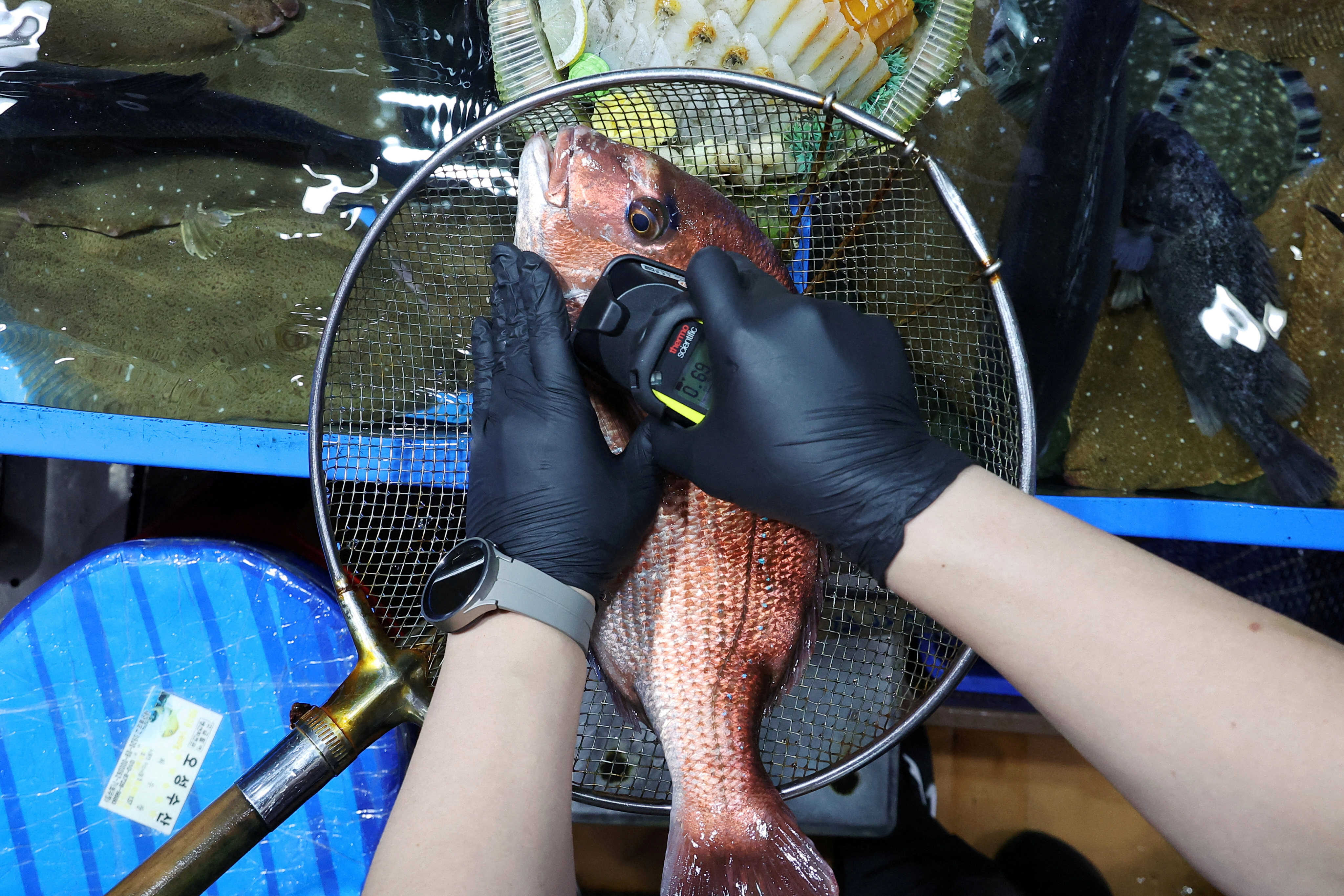
An official measures the radiation level of a fish imported from Japan at Noryangjin fisheries wholesale market in Seoul, South Korea. Photo: Reuters

Hong Kong leader John Lee Ka-chiu on Tuesday said the city will ban seafood products from a large number of Japanese prefectures if Tokyo goes ahead with a plan to discharge treated radioactive water from the crippled Fukushima plant into the ocean.

Hong Kong is Japan’s second-largest market for agricultural and fisheries exports. Mainland China is its biggest.

Japan’s plan, approved by UN nuclear watchdog the International Atomic Energy Agency (IAEA), has faced opposition at home and abroad over concerns for food safety. Tokyo says the releases will be safe and meet global standards.

On the 10th anniversary of the 2011 Great East Japan Earthquake and Fukushima nuclear disaster, children of the tragedy speak up

Hong Kong’s current ban on shipments from one prefecture would “definitely” be expanded, said Lee, chief executive of the Hong Kong Special Administrative Region, at a media briefing.

“If the exercise really starts, we’ll be banning a large number of prefectures’ sea products.”

China said last week it would tighten its scrutiny on food from Japan and maintain curbs on some Japanese imports. South Korea said a ban on food and seafood imports from the Fukushima region would remain in place.
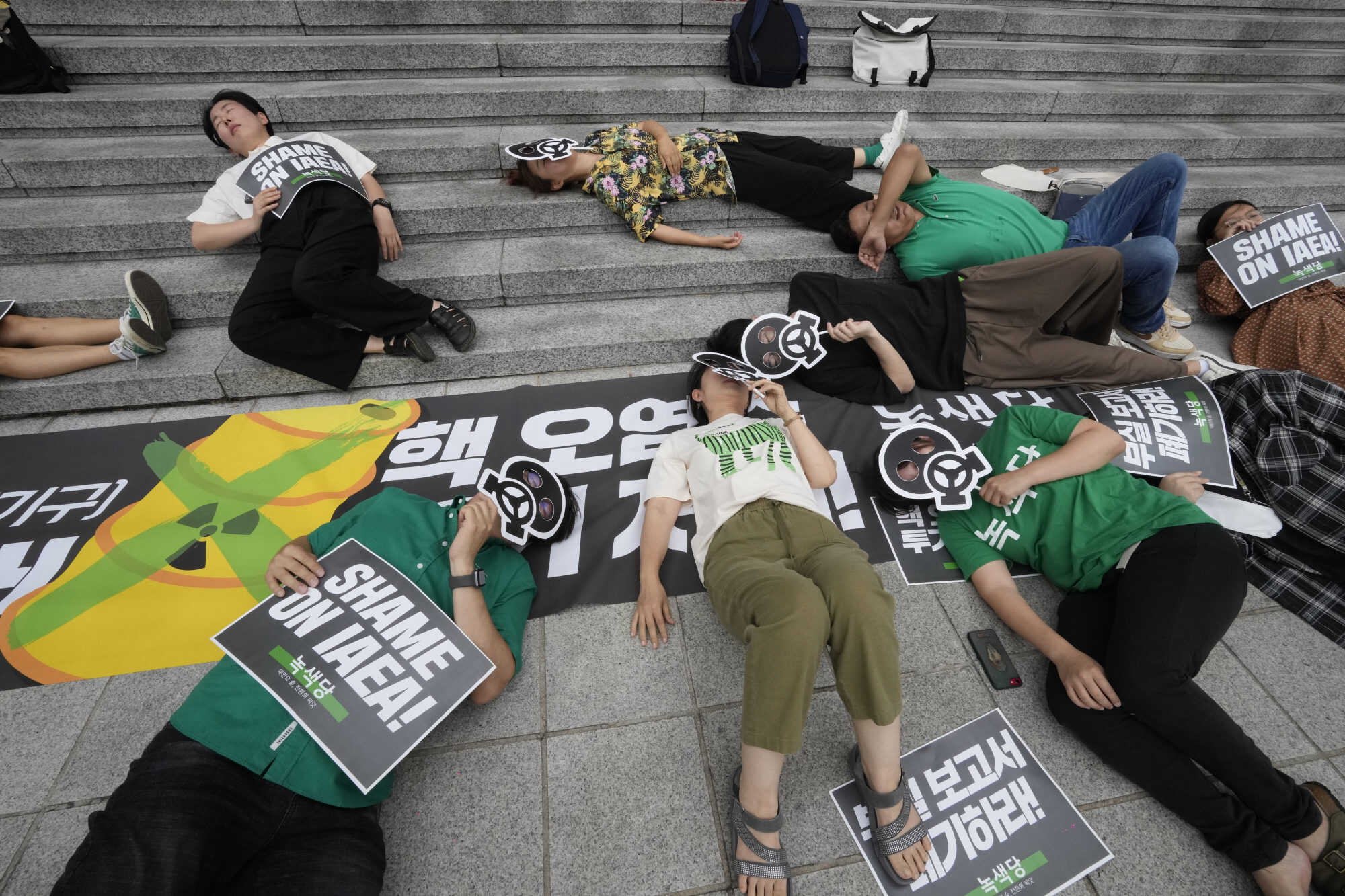
Environmental activists stage a die-in during a rally in Seoul, South Korea against the Japanese government’s decision to discharge treated radioactive water from the Fukushima plant into the ocean. Photo: AP

Lee said he had asked Hong Kong’s secretary for the environment and ecology to form a multi-department team to design the city’s action plan. The government would take “decisive action” and announce details of the plan to the public as soon as possible, Lee said.

“The catering industry will be affected, but I am sure that they will understand that we’re forced to make a decision because of this unprecedented exercise.”

In 2022, Japan exported 75.5 billion yen (HK$4.2 billion) in fishery products to Hong Kong, according to Japanese government statistics.

IN THIS ARTICLE
Hong Kong
Japan
Fukushima nuclear disaster