




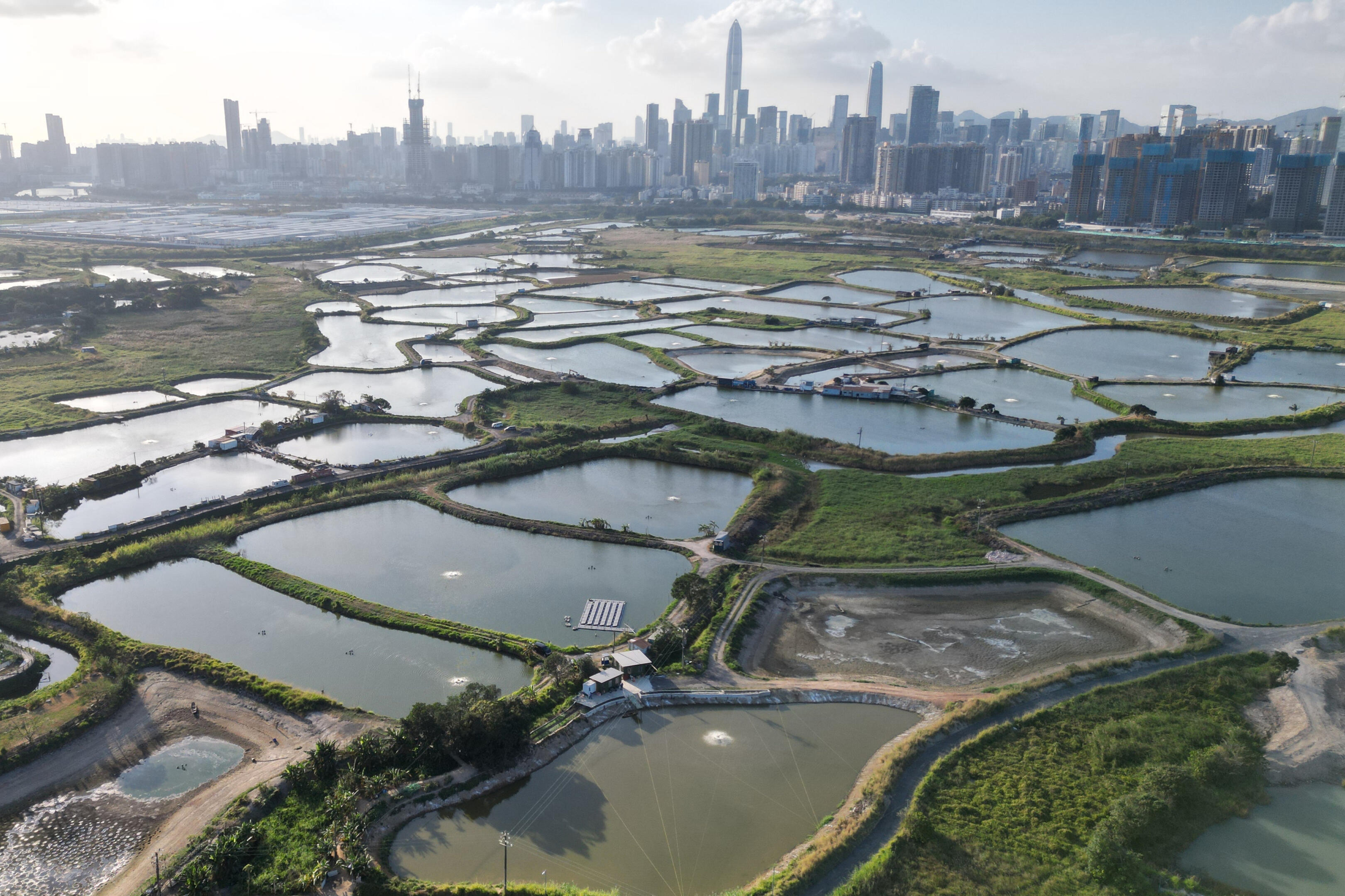
Since the announcement of plans for a technology hub near the border last year, Hong Kong environmental groups have reported extensive damage to wetlands that were earmarked for conservation. Appeals have been made to the government to take steps to prevent further destruction.
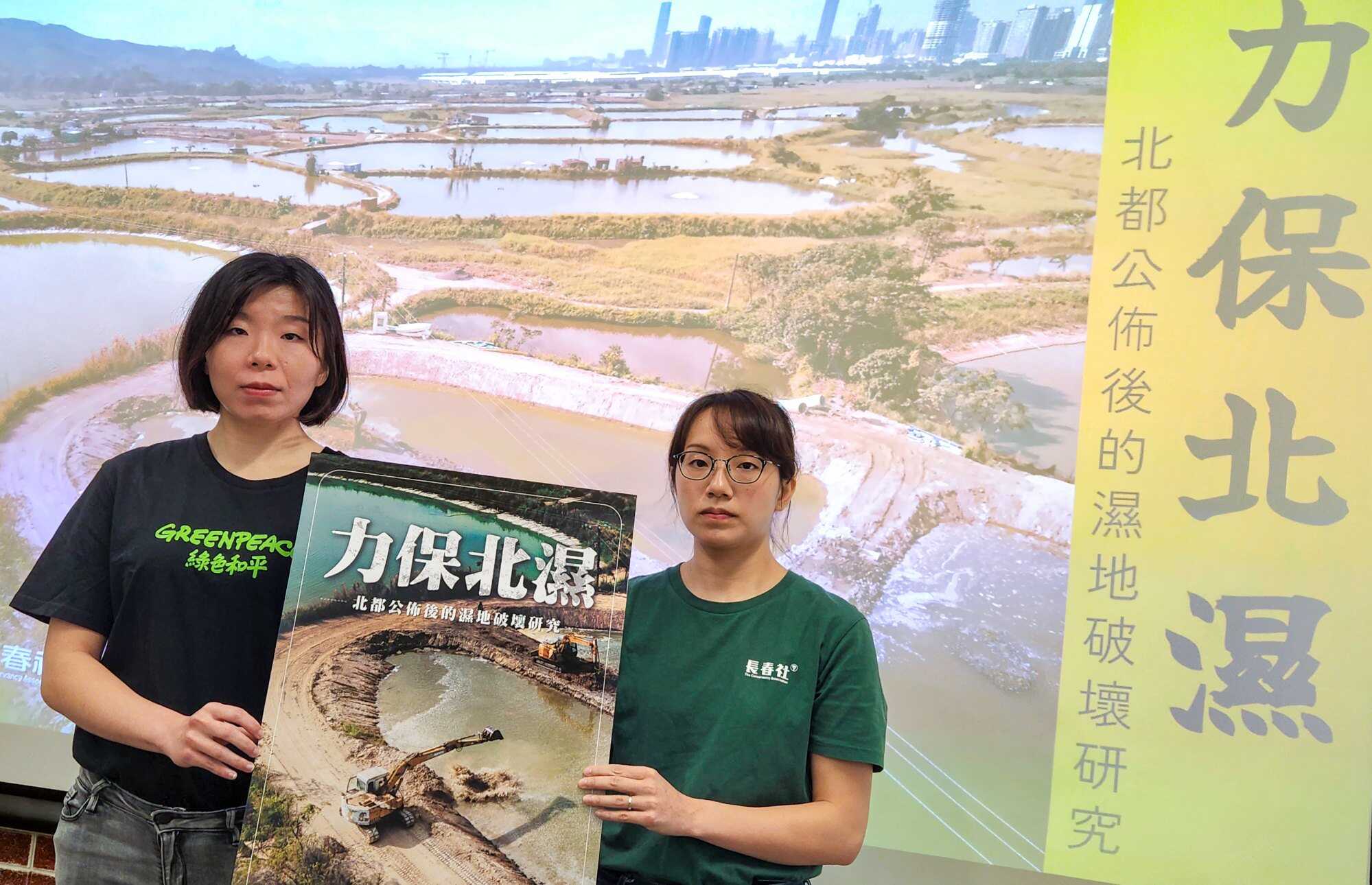
Greenpeace and the Conservancy Association released the results of their two-year study on Thursday which found 78.7 hectares (195 acres) of wetlands designated for conservation in the government’s Northern Metropolis Development Strategy in 2021 had suffered damage by the end of last year.
“We think the government’s ‘development first, conservation later’ approach is not a matter of priority, but a revolving door for destruction,” Greenpeace campaigner Chan Hall-sion said.
The Northern Metropolis plan, which involves the conversion of wetlands and farmland near the border into development areas, has sparked controversy over the balance between conservation and development.
The scheme, first mentioned in 2021 by then chief executive Carrie Lam Cheng Yuet-ngor, is a blueprint for the development of the northern New Territories into a major hub for business, innovation and technology (I&T), eco-tourism, professional services and logistics.
The government that year said it aimed to establish a wetlands system spanning 2,000 hectares, including a proposal to build four wetland parks, but authorities in last year’s policy address only outlined plans for the Sam Po Shue Wetland Conservation Park.
No details were provided for wetlands in Hoo Hok Wai, Nam Sang Wai and a proposed extension of the Hong Kong Wetland Park.
Bernadette Linn Hon-ho, the development secretary, defended the zoning changes in October last year.
She said the city would have to prioritise the quality of conservation, rather than the amount of wetlands preserved, because of limited land supply.
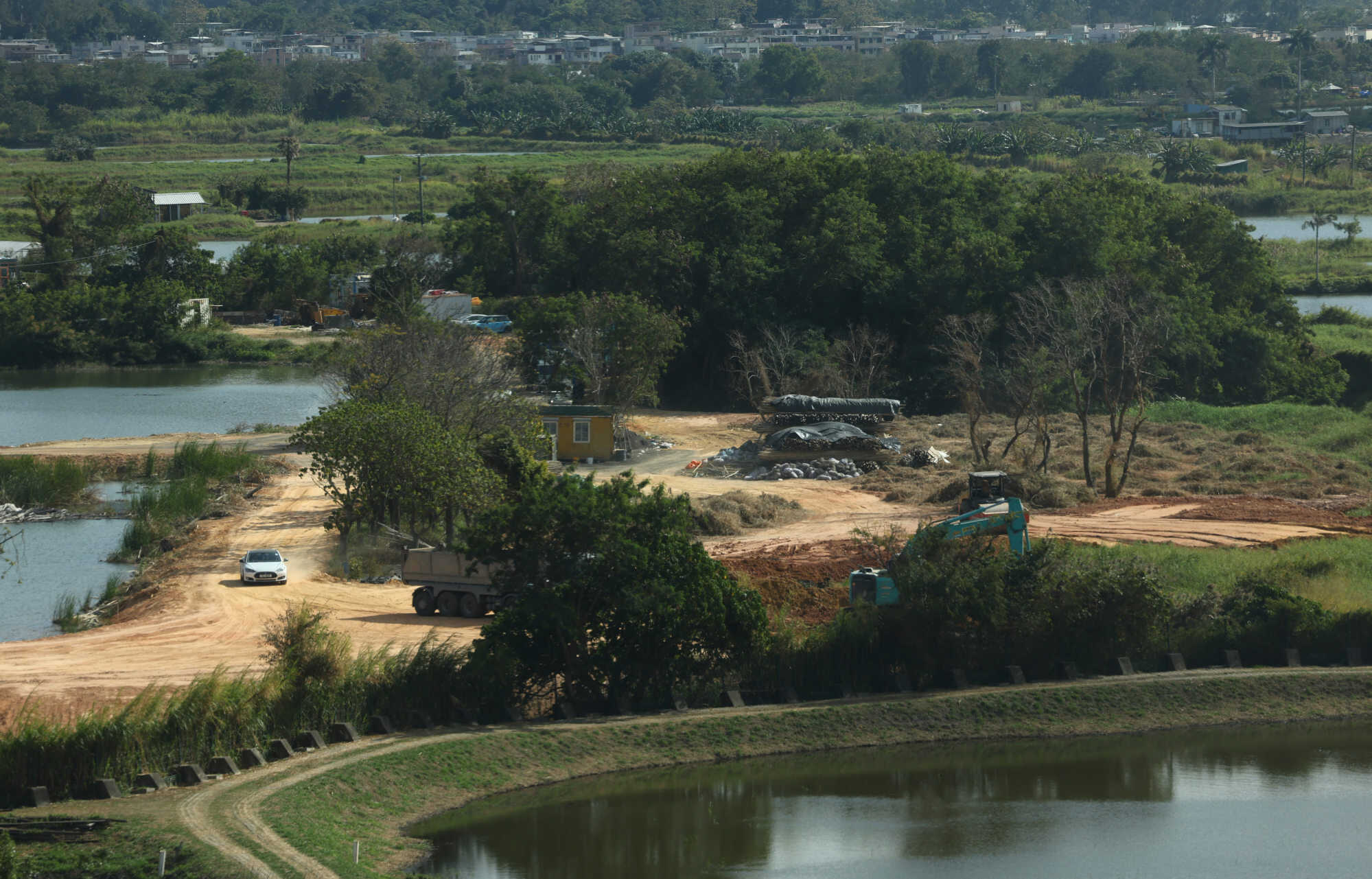
The two-year study found that Hoo Hok Wai, a patch of wetland next to the Lok Ma Chau Loop, suffered the most damage, as 11.5 per cent of the land designated for a wetland park in the government plan had been affected.
Hong Kong environmental group slams revellers for leaving tree covered in plastic glowsticks
Researchers said field trips, examination of prosecution records and satellite images had revealed that 36.9 hectares, out of about 320 hectares earmarked for a wetland park, had been affected illegal waste dumping and the unregistered expansion of fish ponds.
The study found the damage doubled within two years, from about 17.6 hectares in 2021 to an estimated 36.9 hectares last year.
Chan accused law enforcement of being lax when it came to wetland destruction and said Greenpeace had found persistent contamination despite government intervention.
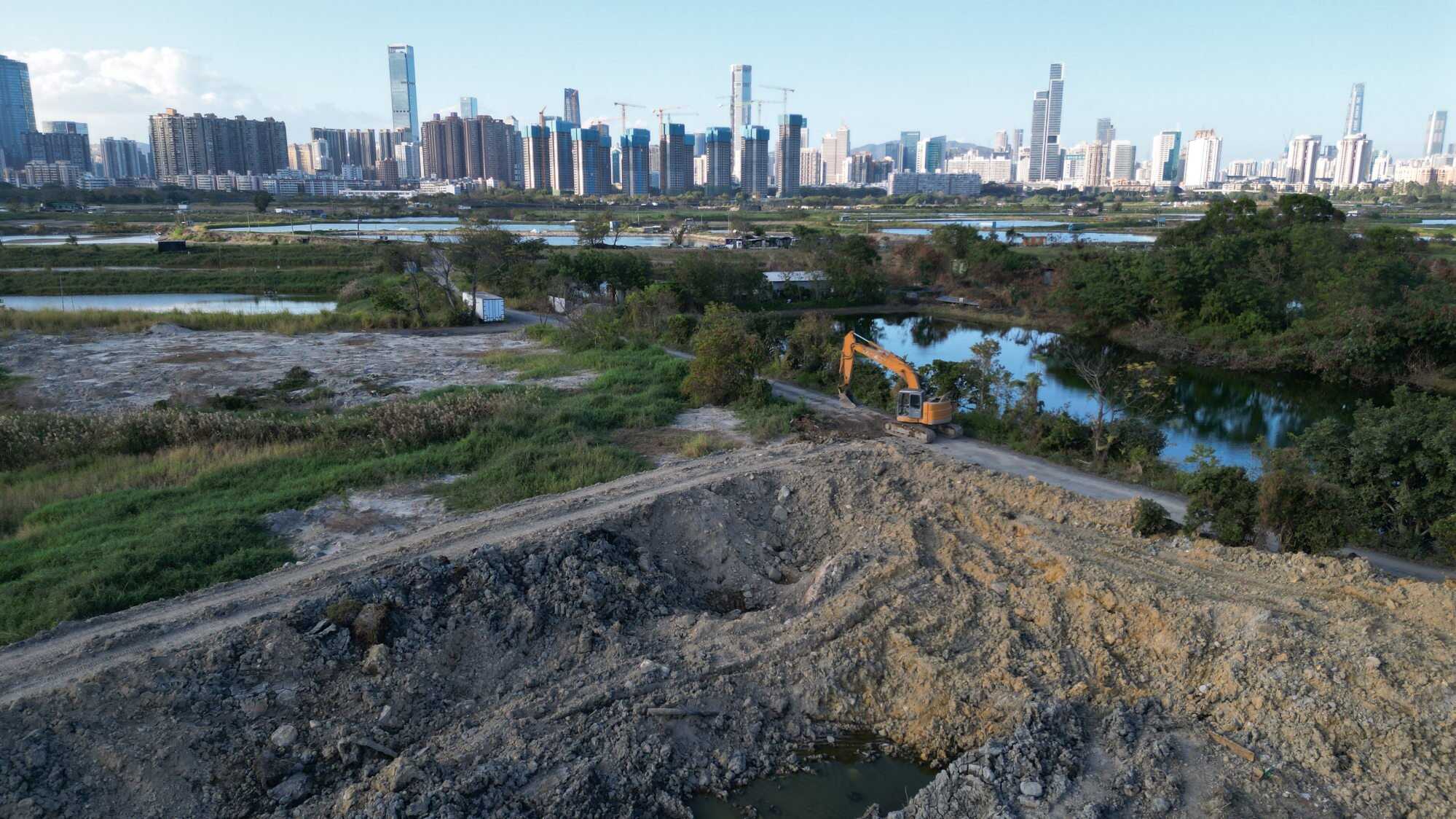
Researchers said a biotechnology firm was only fined HK$4,000 (US$511) for illegal construction work involving the conversion of a fish pond into a prawn farm.
They added construction waste had contaminated a fish pond located to the North of Liu Pok Village in Lok Ma Chau, a month after a government clearance letter to certify restoration efforts in July 2022.
“We cannot rely on law enforcement to resolve the growing problem of destruction. Environmental groups have reported to authorities with evidence of damage in the past, but the problem just got worse,” Chan said.
Climate change boosts risk of extreme wildfires 25 per cent, study finds
The Sam Po Shue wetlands near San Tin, the only ecological site marked with a conservation timeline, has also been affected by nearby dumping.
Kristy Chow Oi-chuen, a campaign officer at the Conservancy Association, said researchers had spotted as many as seven trucks pouring dirt into a fish pond in an hour near Tun Yu Road in San Tin during a field trip last month.
Researchers discovered the trucks had headed back to a construction site, which public records showed was a private residential project north of the Fanling golf course.
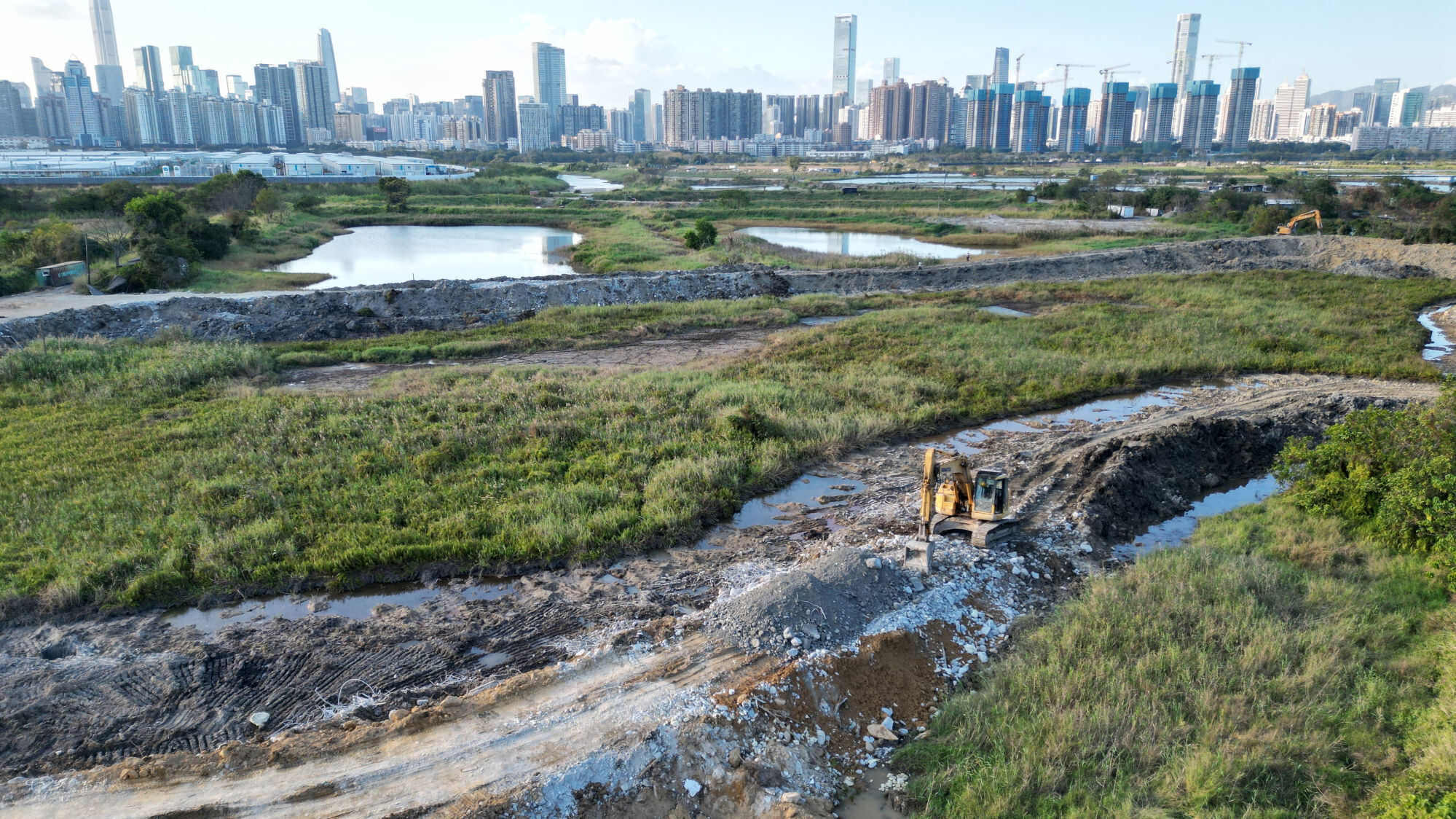
Campaigners appealed to the government to lay out a strict timetable for wetland parks in the Northern Metropolis plan to prevent private development projects and waste dumping from encroaching on the sensitive sites.
The environmental groups found at least 587.1 hectares of wetland earmarked for development after comparison of sites marked for conservation in the 2021 plan and recent development records.
The land included 267.2 hectares allotted for approved private projects, 25.5 hectares for small houses and 114.3 hectares for other development projects.
Your Voice: Saving planet Earth with sustainability (short letters)
“Under the government’s plans, the Sam Po Shue wetland park, the only park with a relatively concrete timetable, has already suffered so much damage, let alone other parks with no detailed plans, no timeline and no promise on when they will be built,” Chow said.
“Will we see further damage in the future?” she asked. “Where will it happen?
“We aren’t sure, and that’s our concern.”
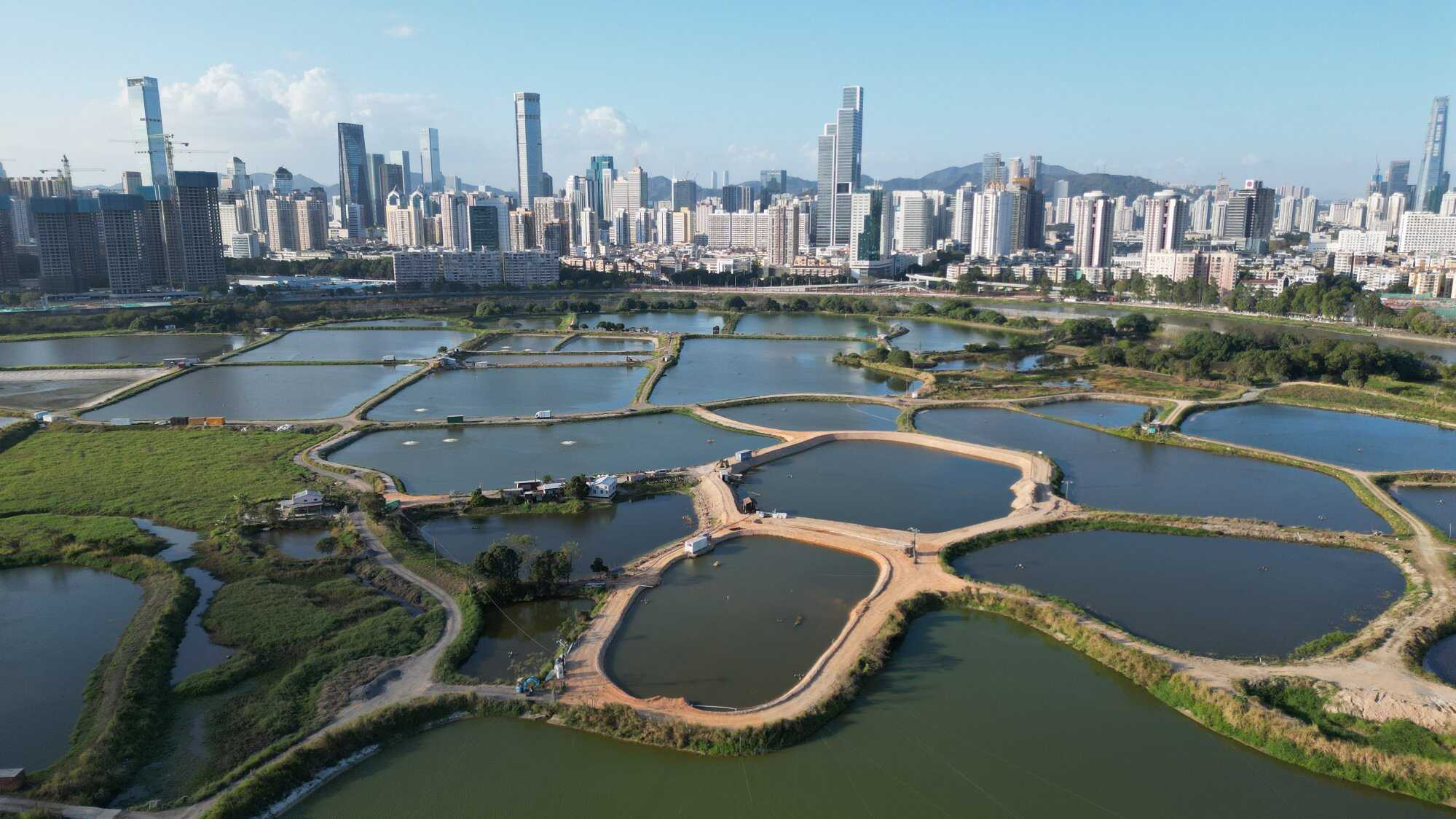
A spokesman for the Development Bureau said it did not tolerate acts of “development after destruction” and had prioritised ecologically significant sites for enforcement.
“As for the groups’ claim that around 78.7 hectares of wetland have been damaged, we could not check every site and provide a response today due to time constraints, but the Planning Department will follow up as soon as possible,” he promised.
A spokeswoman from the Environment and Ecology Bureau said it had received feedback from the public and stakeholders on a feasibility study on the wetland parks, which would be taken into account in work involving the Sam Po Shue wetlands.
Harbour School’s seaweed farms in Hong Kong making waves for environmental impact
“With the experience gained from establishing the Sam Po Shue Wetlands Conservation Park, we will evaluate other research work for other proposed wetland parks,” she added.
“This does not mean the government will only follow up with work on other wetland parks after the completion of the Sam Po Shue wetland park.”
