




Every week, Talking Points gives you a worksheet to practise your reading comprehension with exercises about the story we’ve written.
Waves, blossoms and embroidery are a few of the motifs that reflect the enduring legacy of Chinese craftsmanship. Now, the Hong Kong Palace Museum is turning these patterns into a multi-sensory experience.
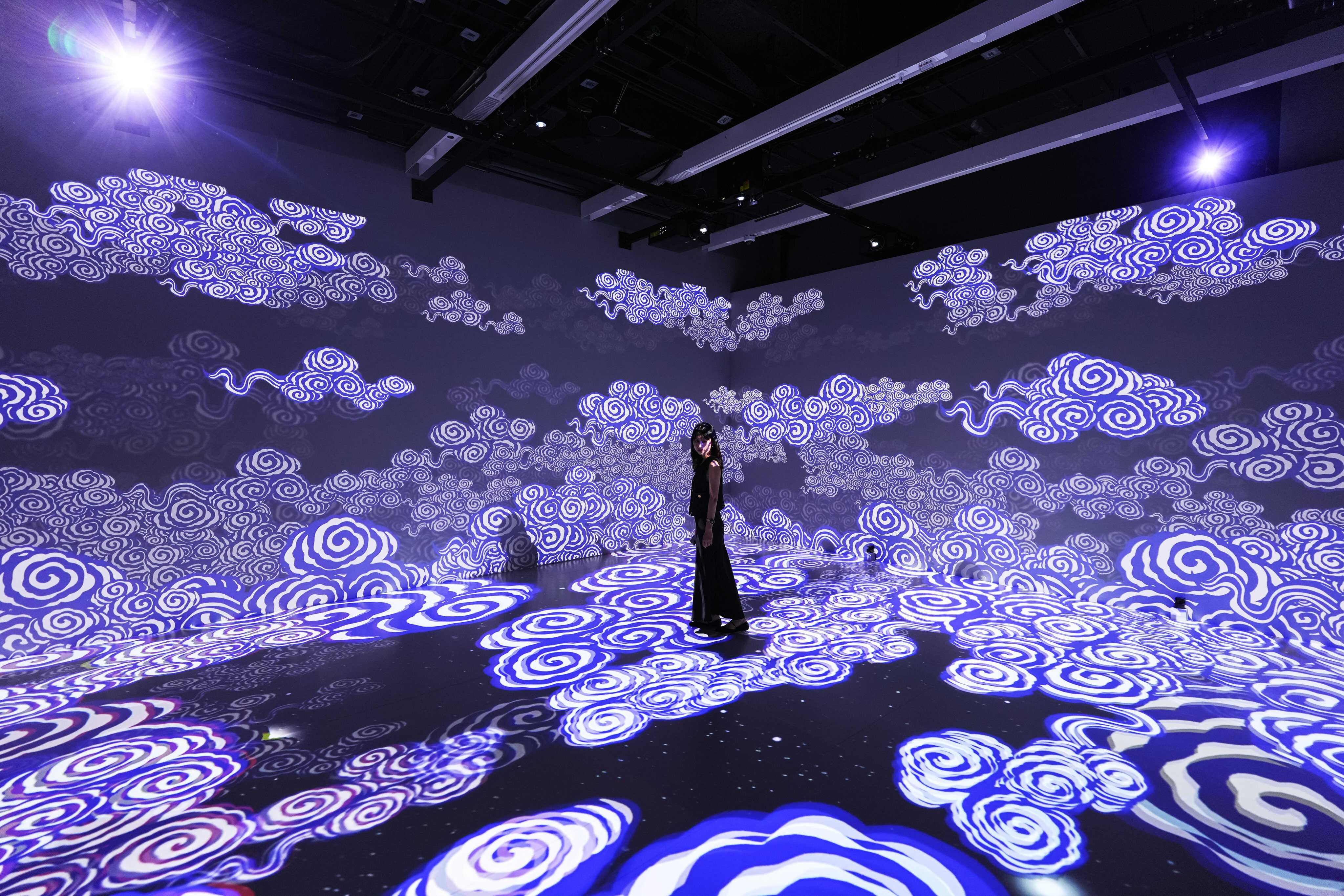
“The Ways in Patterns: An Immersive Digital Exhibition from the Palace Museum” uses cutting-edge tools to reimagine designs found in the architecture, ceramics and textiles at Beijing’s Palace Museum, which is housed on the grounds of the Forbidden City.
Instead of showcasing physical artefacts, the exhibition invites visitors to step into a world where age-old motifs are presented in cascades of light, shadow and sound.
Hong Kong teens win award for game sparking youth interest in museums
‘A fresh lens’
What sets this exhibition apart is its innovative use of digital projections, artificial intelligence (AI) and interactive installations to explore the meaning behind centuries-old designs, from majestic ceilings to elegant fashion and nature-inspired motifs.
“We hope to offer audiences a fresh lens for engaging with our heritage,” said Louis Ng, the museum’s director.
3D projections bring each design to life, rendering them in intricate, moving detail. AI technology also helped in analysing patterns that uncovered hidden links between artefacts.
At the exhibition’s heart are three symbols: dragons, peaches and bats, woven throughout seven themed zones. These traditional motifs, long cherished in Chinese art, represent longevity, prosperity and good fortune.
The exhibition also dives into the wonder of nature’s abundance in Chinese culture: the grandeur of starry constellations, the delicate beauty of flowers and birds, and the grace of mythical creatures like the phoenix and dragon. These motifs express ancient aspirations for beauty, harmony and joy.
Ng said these patterns could also be found across other parts of the museum in ceramics, ornamental designs, calligraphy and paintings. He added that the digital exhibition allowed audiences to engage with the richness of Chinese culture in a different way.
“Visitors won’t just find it immersive, interactive and fun. They’ll also walk away with a deeper appreciation of the artistic excellence found in the decorative motifs of the Palace Museum’s collections,” Ng said.
The museum director hopes that these technology-driven presentations of traditional culture can make an impact on younger audiences – especially as 78 per cent of the museum’s visitors are under the age of 45.
“We hope this exhibition will help the younger generation better understand China’s outstanding traditional culture and encourage them to participate more actively in its preservation and innovation,” he said.
Don’t miss these sections
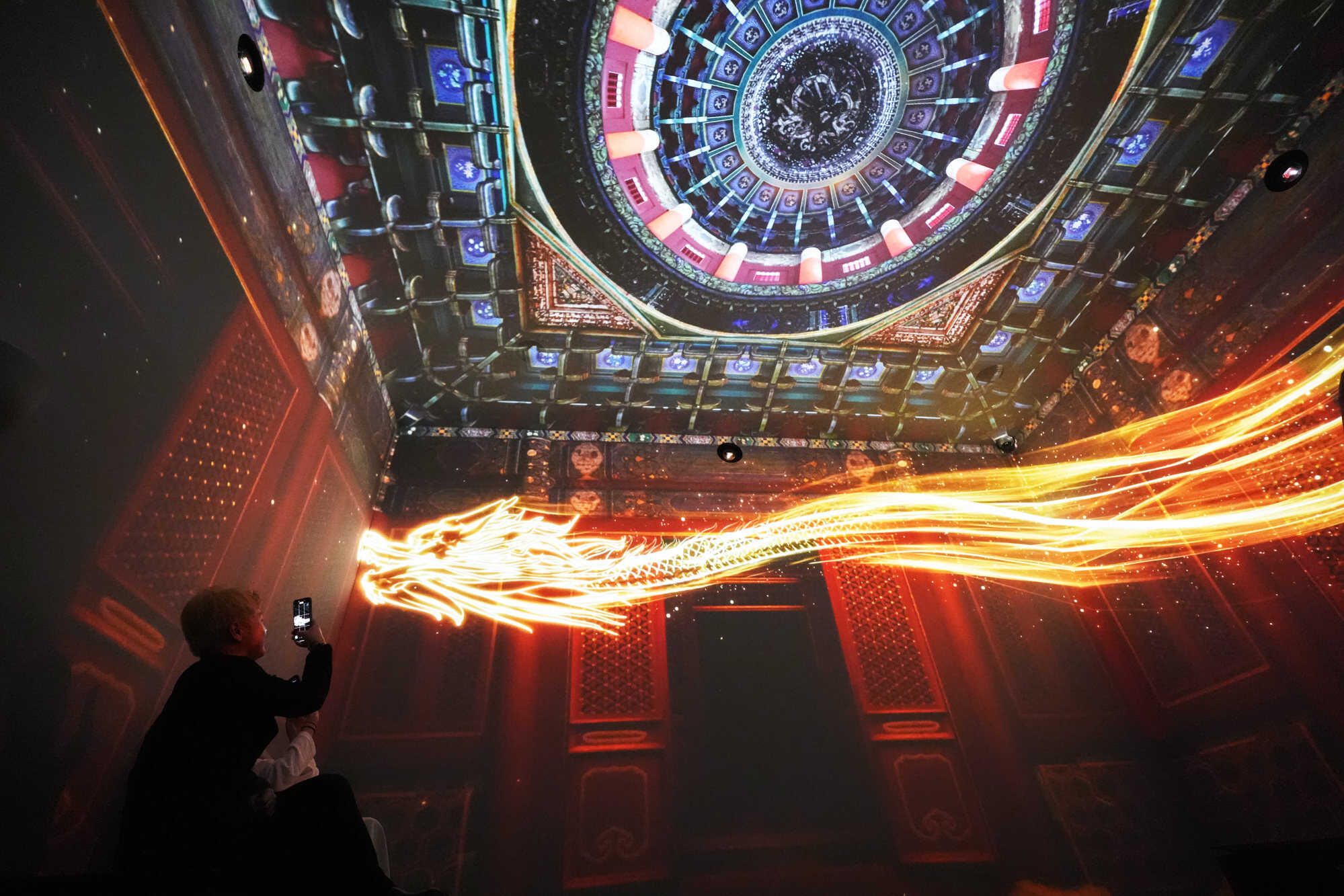
Some of the visual highlights are in the fourth unit, where visitors can gaze up at virtual reconstructions of the ornate caisson ceilings in key parts of Beijing’s Palace Museum, such as the Hall of Supreme Harmony and the Pavilion of One Thousand Autumns.
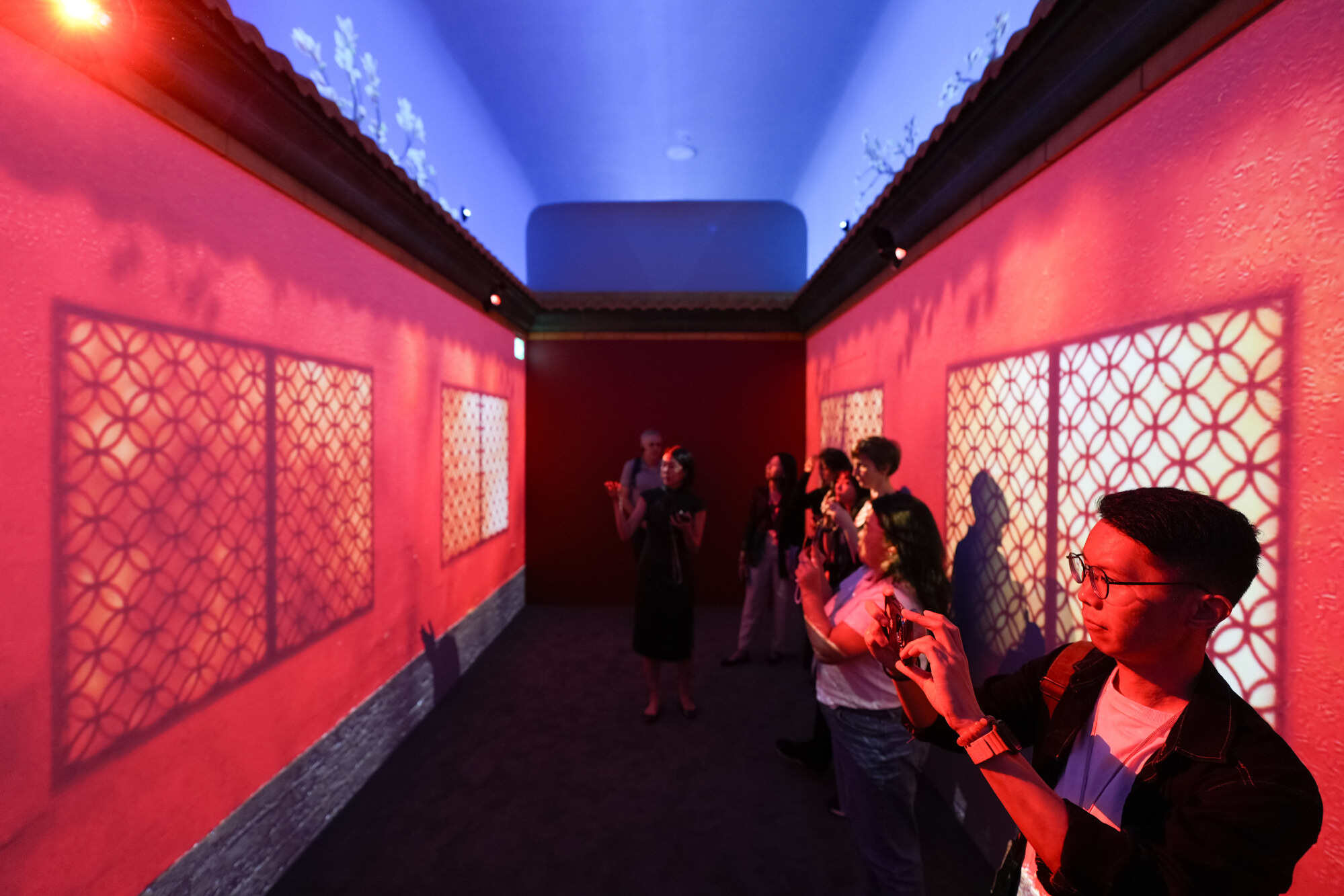
Another section of the show recreates the window grilles of the Forbidden City. With auspicious patterns like “three intersections and six arches” or “step-by-step brocade”, these digital grilles project mesmerising shadows that change with the seasons, echoing the passage of time.
Near the end of the exhibition, visitors can create their own digital swimming fish that are instantly projected onto the wall. It is a playful way to reinterpret tradition using light as ink and the screen as a canvas.
One final point from Ng: don’t just look – use all your senses to explore the exhibition. Use your whole body to interact with these cultural treasures.
Running until October 13 in Gallery Seven, this exhibition marks the first in-gallery multimedia collaboration between the Hong Kong Palace Museum and the Palace Museum in Beijing.
“The Palace Museum has taken a leading role in digitisation efforts. Out of their ... artefacts, many have already been digitised in high resolution, a process that took three years,” Ng explained.
“Combining technology with our cultural and artistic heritage has become a key goal.”
To test your understanding of this story, download our printable worksheet or answer the questions in the quiz below.
