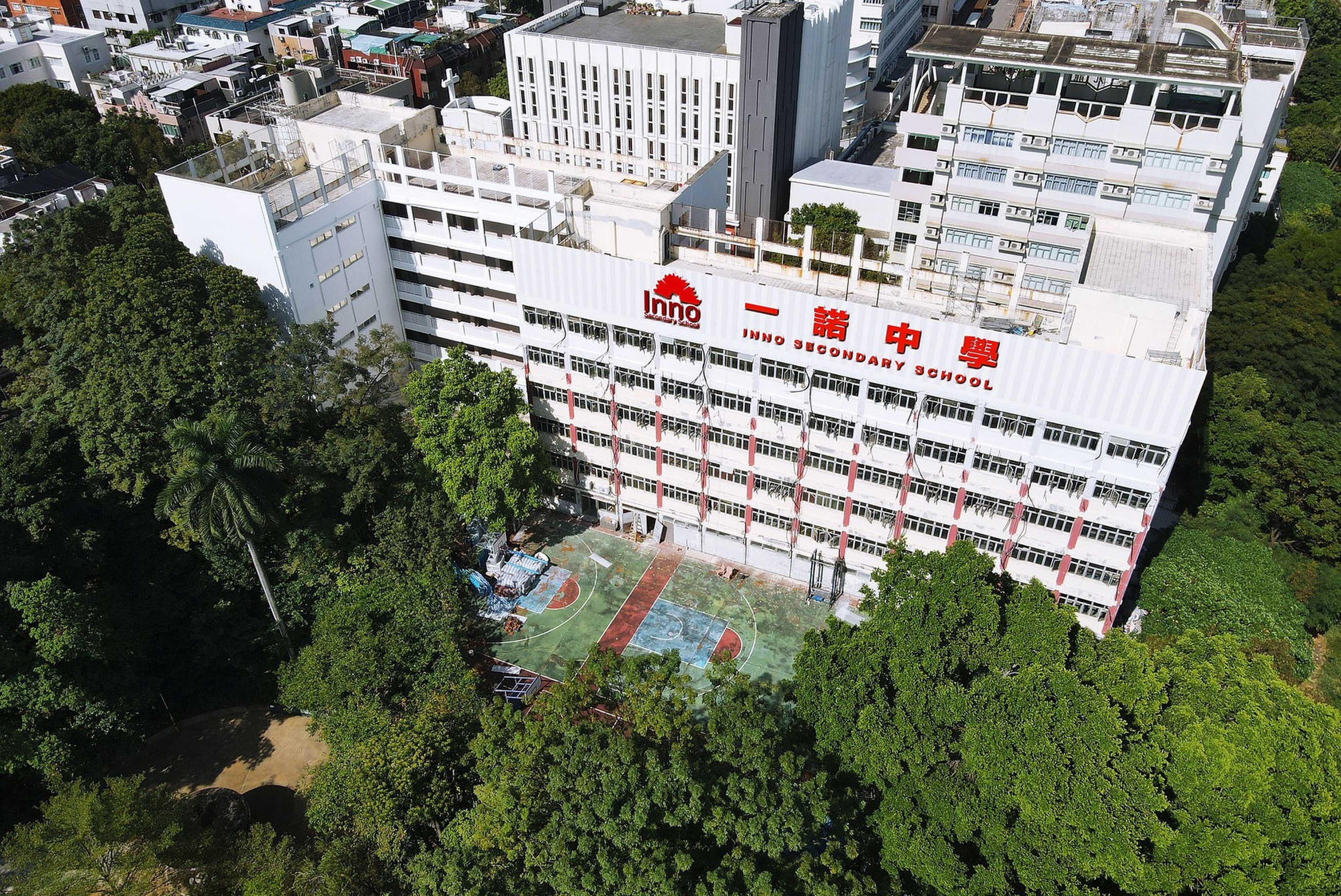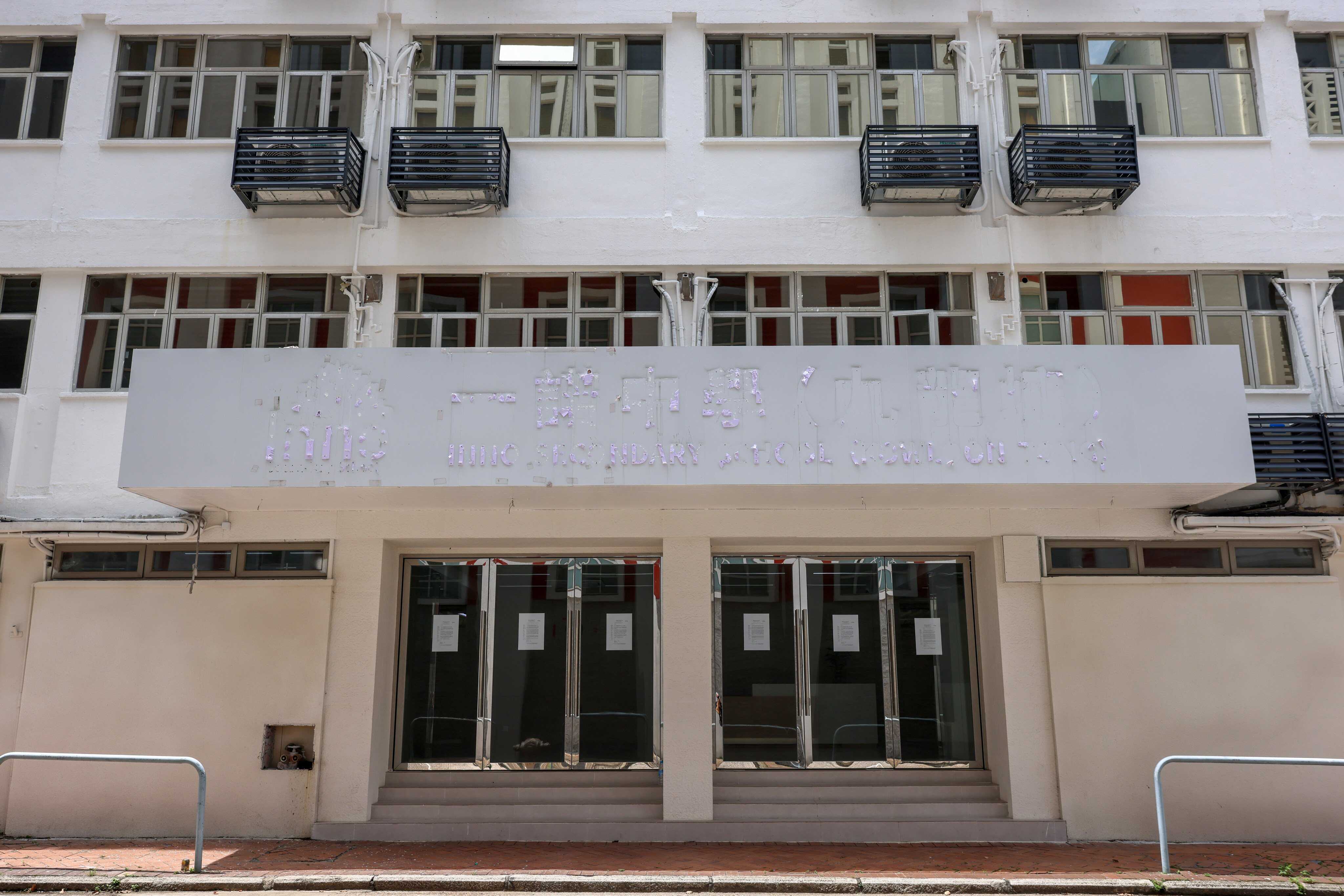
A private secondary school in Hong Kong, which was recently suspended by authorities, reportedly owed teachers several months of wages and provided students with a dormitory that was in unsanitary conditions, as staff and parents have found rat faeces on beds.
A teacher at Inno Secondary School in Kowloon Tong said on Wednesday that he and other academic staff at the institution had only received half of their wages in July and still had not received the remainder that was due last Sunday.
The school, which hired 10 to 15 teachers, had also failed to contribute to staff members’ Mandatory Provident Fund retirement schemes, he added.
The teacher said he had decided not to renew his contract, which ends this month, and that staff members had filed a complaint to the Labour Department.
“We have not been able to contact the principal. He has not replied [to our messages and calls],” said the teacher, who spoke on condition of anonymity. He added that he had not ruled out taking the principal to court.
Inno Secondary School had its registration application rejected by the Education Bureau in late July for its “unsatisfactory management and financial situation”, and as part of a crackdown on institutions collaborating with third-party agencies to help non-local students qualify for subsidised university programmes in the city.
The school was found to have owed rent since March and moved to a new location in Hung Hom before having its operations suspended by authorities, leaving parents and students in limbo.
On Wednesday, a mother joined a chorus of other parents who previously told the South China Morning Post that the school had failed to return their HK$200,000 (US$25,500) “construction fee” and stonewalled their inquiries after news of the suspension had gone public.
The mother had earlier withdrawn her daughter from the school because of a “terrible experience” with the school’s administration and her child’s encounter with a half-renovated and allegedly unhygienic dormitory.
The family had been introduced to the boarding school in Kowloon Tong by an agent, who promoted the institution by highlighting its “excellent academic results” and claiming that its students had a “100 per cent admission rate to the top three universities in Hong Kong”.
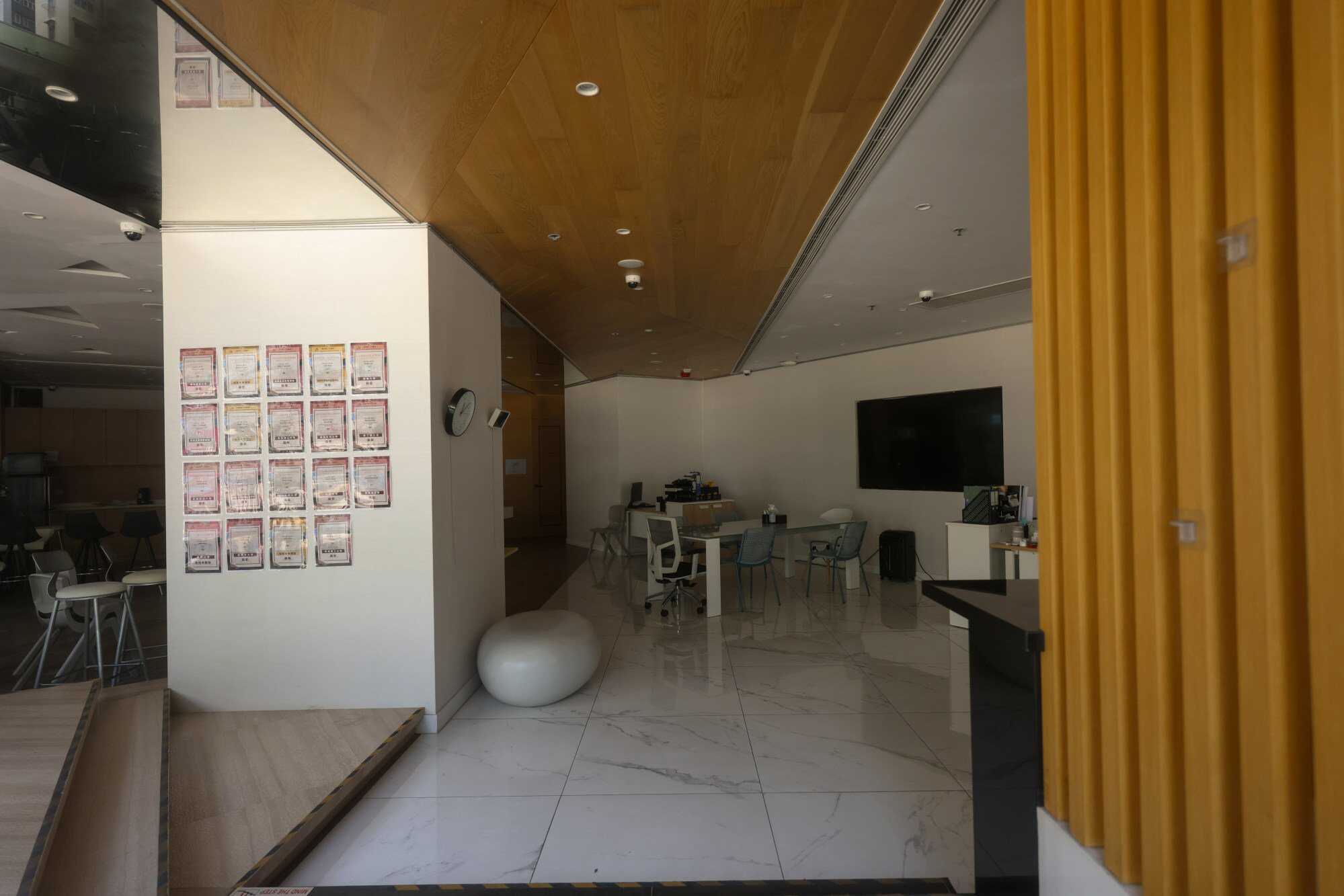
But she said her daughter, after moving into the school’s dormitory, was shocked to find out that it was still under renovation and unsanitary. Photographs seen by the South China Morning Post showed hallways cluttered with cardboard boxes and electrical wires, floors covered in white dust and what appeared to be rat faeces in the rooms.
“My child was subject to a terrible living environment at school, with rat faeces and urine on the bed,” the mother said.
The mother’s description of the school’s dormitory conditions echoed those of the teacher interviewed by the South China Morning Post and also matched complaints on the Chinese social media platform RedNote, with one user saying there were “rats running around”.
The mother also said that school administrators’ responses to complaints by parents and students were “slow and disrespectful”, which eventually prompted her to withdraw her daughter from the institution.
“My child wanted to study in Hong Kong; we all believe the education here is excellent, that’s why we sent her here to fulfil her wish. But we never expected to be so humiliated,” she lamented.
The South China Morning Post has reached out to school principal Thomas Qi Wendi and the Education Bureau for comment on the latest accusations.
The Labour Department urged anyone affected to contact it for help, but did not say whether it had received any complaints regarding Inno Secondary School.
Last month, authorities said children of non-local talent would be required to live in the city for at least two years to become eligible for benefits provided to local students at publicly funded tertiary education institutions.
The change, which applies to children under 18 who are holders of dependent visas or entry permits, is part of the bureau’s efforts to prevent abuse.
In light of the change, Inno Secondary School started offering a programme that allows children to study on the mainland before completing their final two years in Hong Kong, with accommodation provided.
The school also recently came under scrutiny after a pupil was suspected of holding dual student registrations in both Hong Kong and Shenzhen.
The Education Bureau said on Monday it was “very seriously” investigating institutions that were allegedly collaborating with placement companies or tutoring agencies that operated “shell schools” to help students gain local status.
It also said it had not received an official application from the school to register a new campus in Hung Hom.