Hong Kong authorities have issued warnings to local schools against collaborating with third-party agencies to provide classes for students outside the city without prior approval. This is part of a crackdown on so-called shell institutions.
Jeff Sze Chun-fai, the acting secretary for education, said on Sunday that the government was “seriously concerned” about reports that some schools in the city had partnered with agencies based in mainland China to offer classes that would allow students to apply for subsidised university places, which are reserved for Hongkongers.
“We have issued letters to all private and public schools, reminding them not to collaborate with any third party to open courses or charge [students] for those without the Education Bureau’s approval,” Sze said in a televised interview.
He added that officials had met school sponsoring bodies, education groups and parents to explain the crackdown.
“We also encourage schools or relevant stakeholders to report any suspected irregularities so as to safeguard the reputation of Hong Kong’s education system ... We don’t want to see our reputation jeopardised by a small group of black sheep,” he said.

Sze said schools were also asked to submit lists of pupils to the bureau, and their records of attendance, to help stamp out the enrolment of “shadow students” who never showed up to class.
Concerns were raised recently after reports emerged that at least six subsidised or private schools were allegedly collaborating with mainland agencies to offer Hong Kong’s university entrance exam courses to students based across the border.
The bureau has suspended at least two of the schools – Inno Secondary School and Tsung Tsin Middle School – and asked the others to submit a report to explain.
Sze also said the bureau’s crackdown would see officers being sent to conduct surprise inspections at private schools.
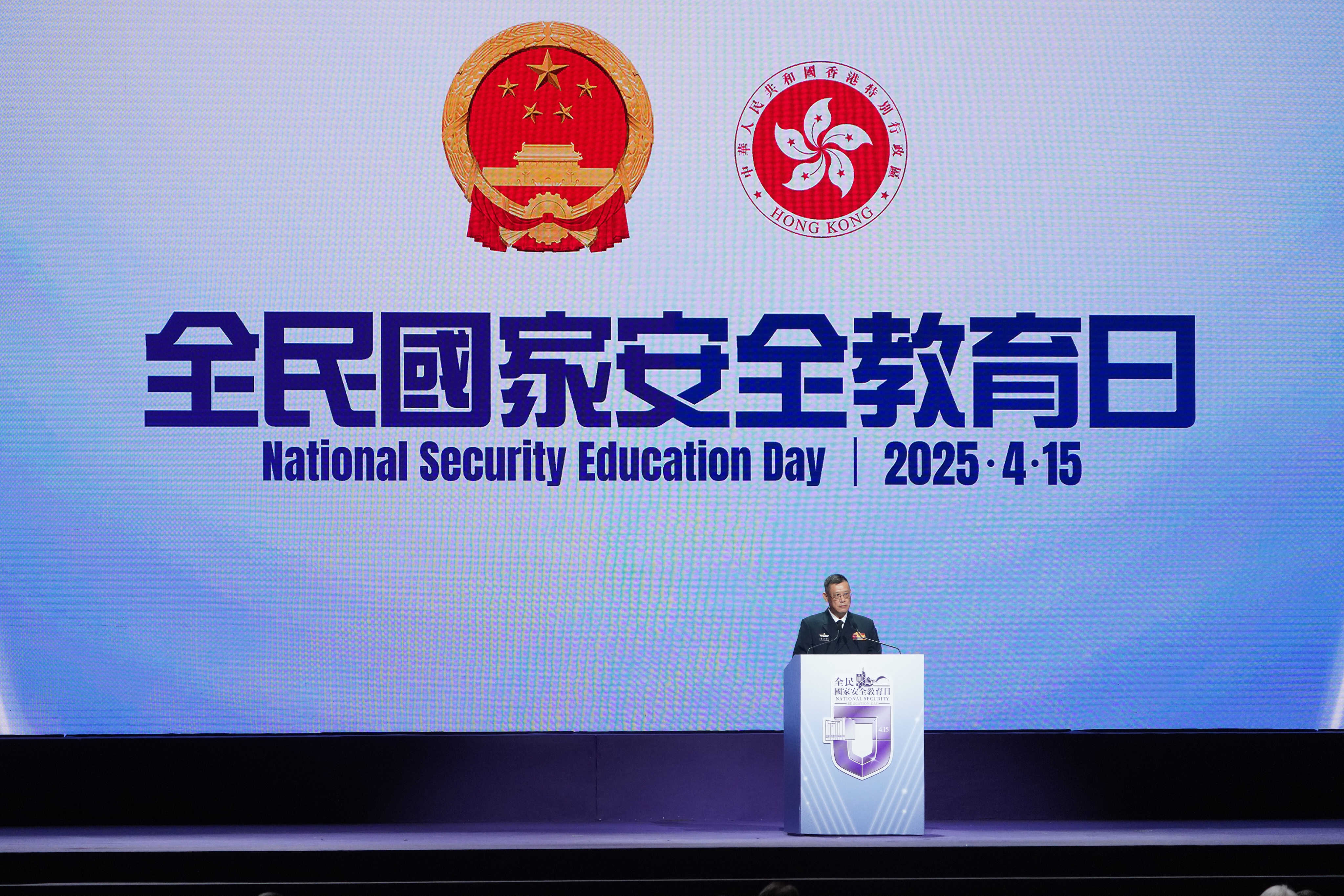
Meanwhile, he noted that this year marked the 80th anniversary of the victory over Japanese aggression and fascism, with the bureau to promote national education in schools.
He said he was satisfied that the promotion of national education in schools in the past few years had been progressing well.
“A strong vibe has been built in schools,” Sze said.