




If you are interested in being a regular contributor for The Lens, please apply by clicking this link.
Thoughts from last week
Henry Ng, 18, Winchester College (UK)

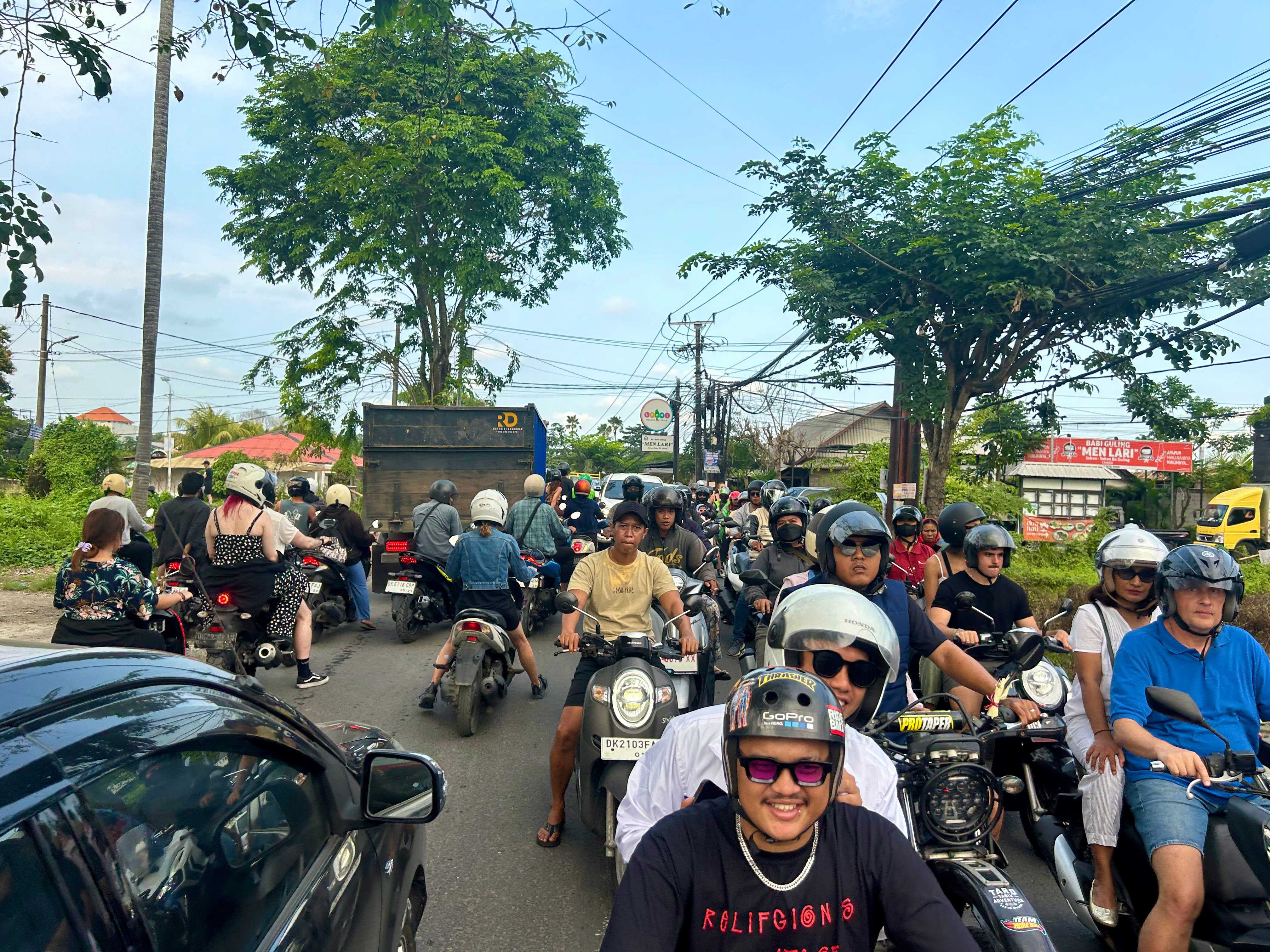
Bali is one of Indonesia’s most famous tourist destinations, so it’s no surprise that it has been facing significant traffic congestion issues. These challenges arise from Bali being unprepared for the recent surge in tourist numbers.
Following the Covid-19 pandemic, the number of tourists in Bali increased dramatically. In 2024, the island welcomed over 6.3 million foreign visitors, nearly double from 2022. This influx of tourists has placed immense strain on the infrastructure.
Bali lacks a well-developed public transport system. Public buses are the most common form of transport. However, they are poorly regulated.
Consequently, many tourists choose to hire private vehicles or use taxi services like Grab. With thousands of taxi drivers transporting passengers daily, both in cars and on motorcycles, Bali’s roads are facing unprecedented congestion.
Water taxis offer an effective solution to transport issues. They are significantly faster than road transport options, making them an attractive choice for many tourists. By using water taxis, tourists can alleviate traffic congestion, particularly around popular resort areas.
One possible solution is to enhance public transport options. For instance, increasing the number of buses and adding bus-only lanes would make public transport more effective. This approach would also help alleviate congestion without requiring personnel to be trained to operate a new mode of transport.
It is also important for the government to invest in sustainable development. Expanding road infrastructure by widening narrow roads and developing bypasses or alternative routes can help accommodate the growing number of vehicles.
Other solutions include intelligent traffic systems and traffic lights, which can optimise vehicle movement.
Bali is a fantastic tourist destination known for its stunning natural scenery and rich cultural heritage. Many people visit Bali to detox and relax, but overcrowding can diminish the enjoyment of the experience.
Read up on this issue in last week’s The Lens
Read and observe
The growing popularity of Korean food products worldwide has given rise to copycat versions in Asia and beyond, sparking concerns about health risks and potential reputational damage to South Korean brands.
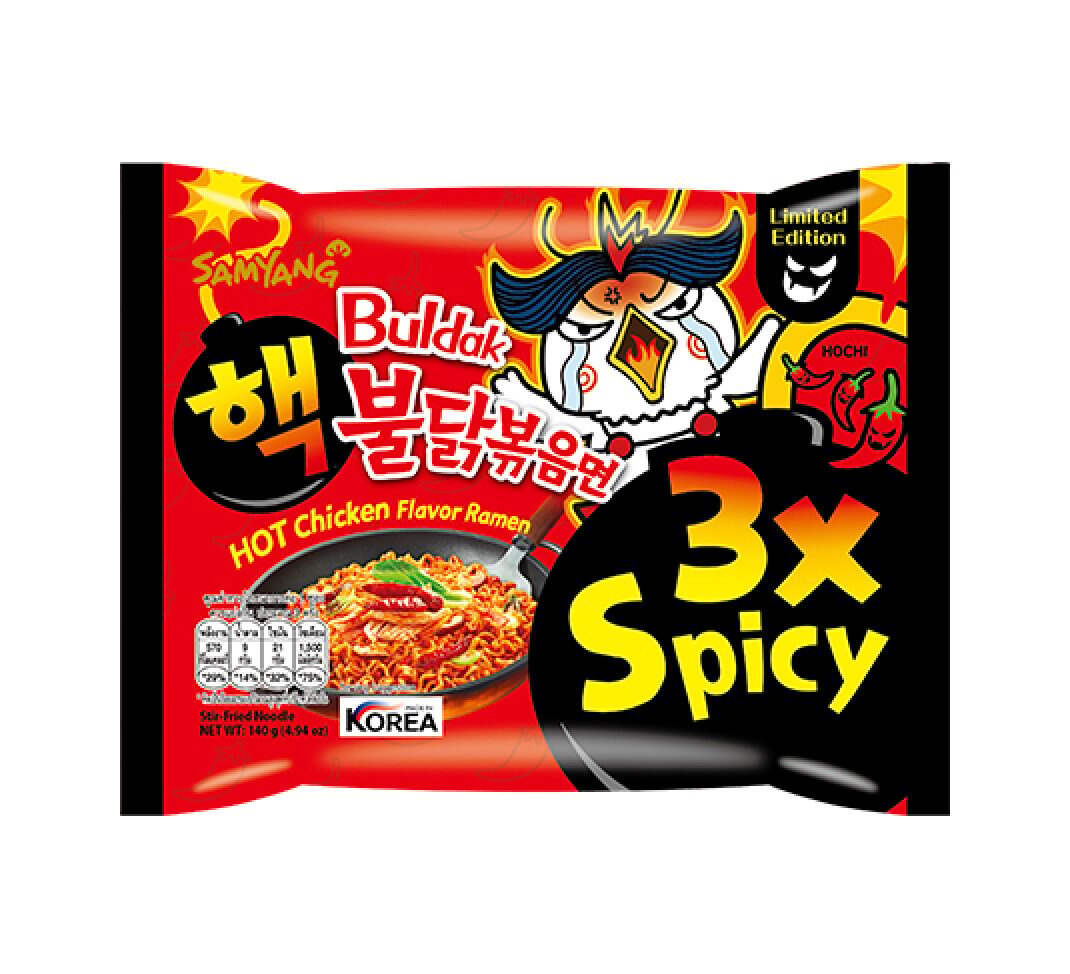
Among them is Buldak ramen from Samyang, one of South Korea’s leading instant noodle brands.
According to the Chosun Biz media outlet, its success has led to counterfeit products being sold in China, Southeast Asia, Russia and Africa.
The packaging of the Chinese knock-off version looks similar to the original, including the illustration of Hochi, the mascot of Buldak ramen.
“The Chinese sellers even duplicated the Korean and halal logos, making it hard for overseas consumers to tell apart a genuine product from a fake one,” said Seo Kyoung-duk, a professor at Sungshin Women’s University.
Seo said some of the fake products showed the incorrect names of the South Korean brands targeted or bore the “Made in PRC” mark, referring to the People’s Republic of China.
“The Korean government will have to take an active response to protect our intellectual property rights abroad. If such food becomes popular all over the world, it can have a negative impact on the K-food image that is popular these days,” he added.
The demand for soju, a South Korean alcoholic drink, has also led to copycat products in Asia.
In Vietnam and Thailand, imitations of the famous soju brand Chamisul were being sold at 30 per cent lower prices than the original, The Chosun Daily newspaper reported.
Several products by South Korean food conglomerate CJ CheilJedang have also been targeted by counterfeiters, including its Beksul sugar and beef seasoning that were falsely marketed as “white sugar imported from Korea” and “premium beef powder from Korea”, respectively.
In 2021, several South Korean food companies partnered with the Korea Food Industry Association and the Korea Intellectual Property Office to form a task force to fight the sale of counterfeit products.
However, South Korea’s anti-counterfeit measures for the food industry were not as robust as those in other countries, Kim So-hyung, a consultant at Davis & Company, a communications agency, told local media.
“The damage to a brand’s image caused by fake products goes beyond just financial losses. It could create negative perceptions about the entire K-food sector,” Kim said.
Staff writers
Research and respond
-
In what ways are counterfeit Korean products damaging South Korea’s image or economy?
-
Do you think these products honour Korean food and beverages by making them more accessible? Why or why not?
-
How can the Korean government address this issue, and what can consumers do?
