




Have something to say? Send us a letter using this form.
Fandom frenzy in Hong Kong
Peter Chui Pui-ling, Maryknoll Fathers’ School
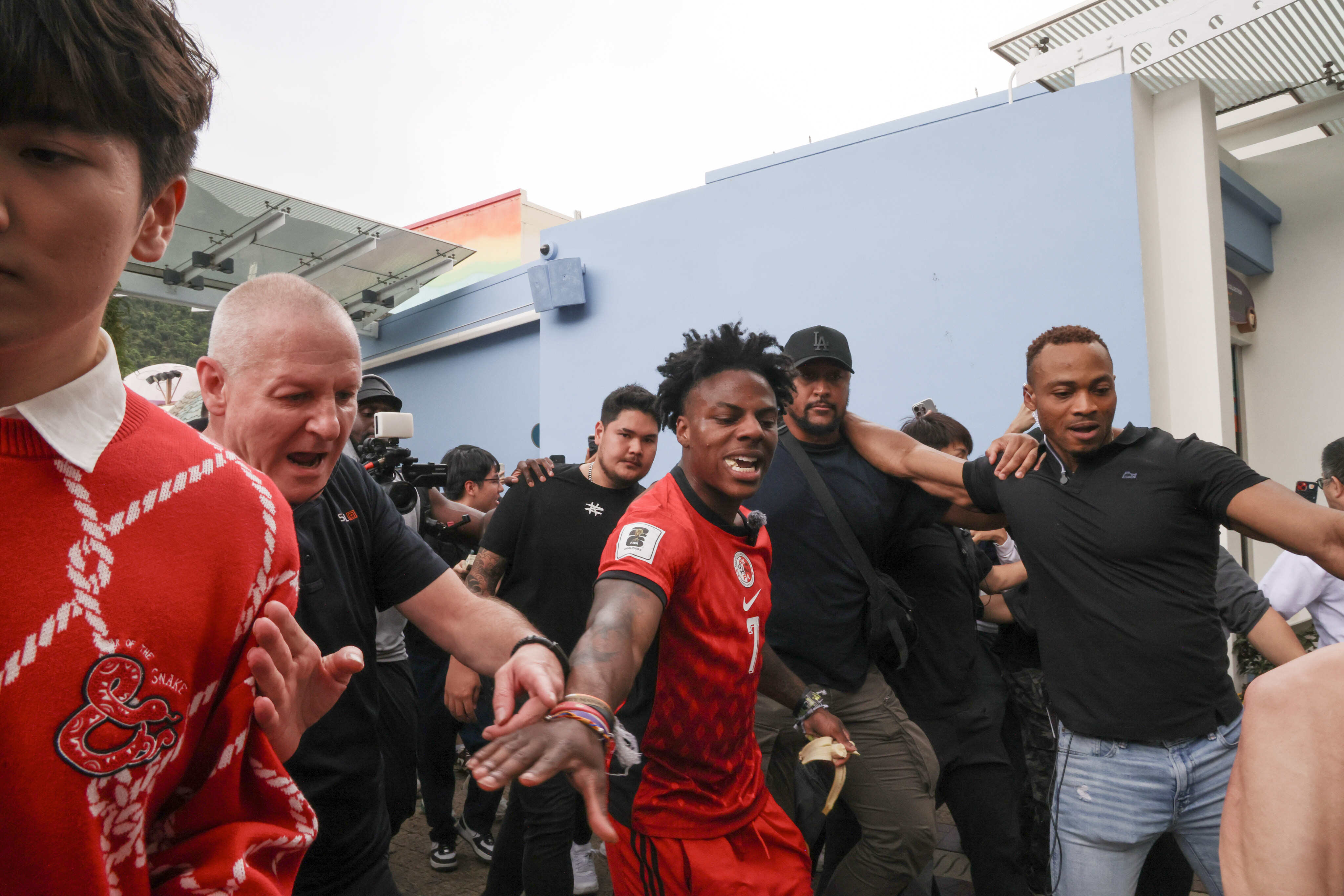
Last month, the bustling streets of Hong Kong transformed into a massive battleground when the famous YouTuber IShowSpeed unexpectedly visited our city as part of his global tour. His visit ignited unprecedented excitement and anticipation among his devoted fans, many of whom flooded the streets in hopes of catching a glimpse of their idol, leading to an overwhelming frenzy.
The grand event attracted a diverse array of attendees from various backgrounds and garnered significant media coverage, while also highlighting the darker side of toxic fandom and its damaging impact on Hong Kong’s reputation. During Speed’s tour, he drew large crowds wherever he went, with some fans relentlessly pursuing him. For instance, when he entered an MTR station to take the train, several obsessed fans, desperate not to miss any moment, jumped over the entrance gates, slipping into the paid area without paying – a behaviour that likely violated MTR regulations.
In a shocking turn of events, some fans even went in the wrong direction on the escalators, resulting in injuries along with damaged cell phones. Another alarming scene occurred when Speed was sitting inside his car: enthusiastic fans rushed onto the pavement, with some Hongkongers even riding motorcycles to chase after him, waving support banners that read, “I love you Speed!” while dangerously overtaking other vehicles.
Hong Kong, often celebrated as the “Pearl of the Orient”, has long prided itself on its vibrant culture and status as an international hub for cultural exchange. However, the chaotic scenes triggered by Speed’s visit have tarnished this once-stunning reputation. The unruly incidents surrounding a social influencer’s visit reflect a disrespectful attitude toward public figures and a disregard for social etiquette among some Hongkongers, ultimately raising questions about the city’s image abroad.
Is Hong Kong’s fandom culture toxic?
The disruptive behaviour stands in sharp contrast to Hong Kong’s traditional image. Not only did these incidents affect the city’s atmosphere and reputation, but they also led the outside world to question the overall character of Hongkongers. Furthermore, the breakdown of public order undeniably harmed Hong Kong’s image, a city once acclaimed for its efficiency and organisation. Reports from tourists and widespread media coverage may reinforce these negative impressions.
On the same day, Speed travelled to Shenzhen to participate in another promotional campaign, where the atmosphere was notably different. The reception he received there was much more orderly and respectful, with an attentive and reserved audience compared to the chaotic crowds in Hong Kong.
Why did these contrasting experiences occur in different regions? This is a question worth pondering. Exploring the motives behind this social issue, it is clear that toxic fandom is largely to blame for creating this situation.
It is unhealthy for fans to excessively idolise celebrities. IShowSpeed is known for completing bold yet reckless extreme challenges on YouTube; his absurd style has, in particular, influenced the mindsets of many young followers. But is it right to mimic and blindly follow him?
This behaviour reflects a shallow understanding and perpetuates a vicious cycle of fandom toxicity.
Advocating for pet inclusion
Chan Yee-tung, Pope Paul VI College
I am writing in response to the article “Hong Kong’s MTR Corp, KMB explore pet-friendly policies”, published on March 12, 2025.
Pets play a crucial role in our society today, and adapting our infrastructure to accommodate them is essential. Not only does this provide convenience for pet owners, allowing for easier transport, but it also fosters a more understanding and inclusive environment for pets.
The number of pet owners is rising, as pets offer comfort and emotional support to those dealing with daily work pressures. Spending time with pets serves as an excellent escape from stress. Popular activities for owners include visiting rural areas and enjoying pet-friendly facilities. However, with pets restricted from MTR platforms and cabins, transport options remain limited. This forces pet owners to resort to expensive taxi rides or rely on their own vehicles, creating significant barriers for both owners and their pets.
Fun day of woofs and walks for animal welfare at Dogathon
Therefore, it is crucial to address this situation by implementing more pet-friendly initiatives that offer numerous benefits.
First and foremost, such initiatives would promote and boost the pet-related industries. When transport becomes more welcoming to furry companions, people will be able to travel freely with their pets. This freedom encourages exploration and enhances shared experiences. As a result, we can expect the emergence of more pet-friendly facilities, which will attract animal-lovers and stimulate the local economy.
Additionally, addressing these transport issues raises awareness about the importance of pets in our city. By offering more incentives for pet owners, we can significantly increase society’s understanding of animal equality. By integrating pets into daily life, we foster acceptance and respect for these companions. Responsible pet ownership not only involves meeting animals’ basic needs but also reflects on the broader responsibilities that come with it. This could create a ripple effect, helping people recognise the importance of pets and what responsible pet ownership entails.
In conclusion, by implementing more pet-friendly designs and options, our community can become more inclusive and diverse. We should take steps to break down barriers and enhance pet engagement.
