





Have something to say? Send us a letter using this form.
A pet-friendly city
Elna Lo Nga-woon, Our Lady’s College
A University of Hong Kong survey found that over 70 per cent of Hong Kong households own a pet. Most household animals have short lifespans, so owners unmistakably want to cherish the time they have with their pets and allow them to explore the world.
I believe Hong Kong has an insufficient number of pet-friendly facilities and services.
Although a new pet-friendly scheme, implemented at the start of May, allows pets to be brought on Hong Kong’s light rail trains, they are still limited to travelling on weekends and holidays. Similarly, KMB’s pet-friendly bus routes are only available on weekends and holidays.
Owners still pay up to HK$400 to take their pets outdoors by taxi on a single journey. This is a financial burden and inconvenient. Pet owner Ms Chan said that on one train ride, complaints were made about her dog despite her keeping it in a carrier bag.
I urge the city’s government to do more, such as adding more pet-friendly parks, services and facilities and supporting animal-friendly businesses ranging from restaurants to shopping centres. An animal-friendly society is beneficial for owners, pets and the community.
Hong Kong’s annual Dogathon raises HK$2.2 million for animal welfare
The beauty of anime
Hon Tsz-yau, Tsuen Wan Government Secondary School
Recently, I have been captivated again by the Japanese anime My Hero Academia. Although it may not be the most popular anime today, it has had an undeniable effect on me, and even after rewatching it, the series remains deeply endearing.
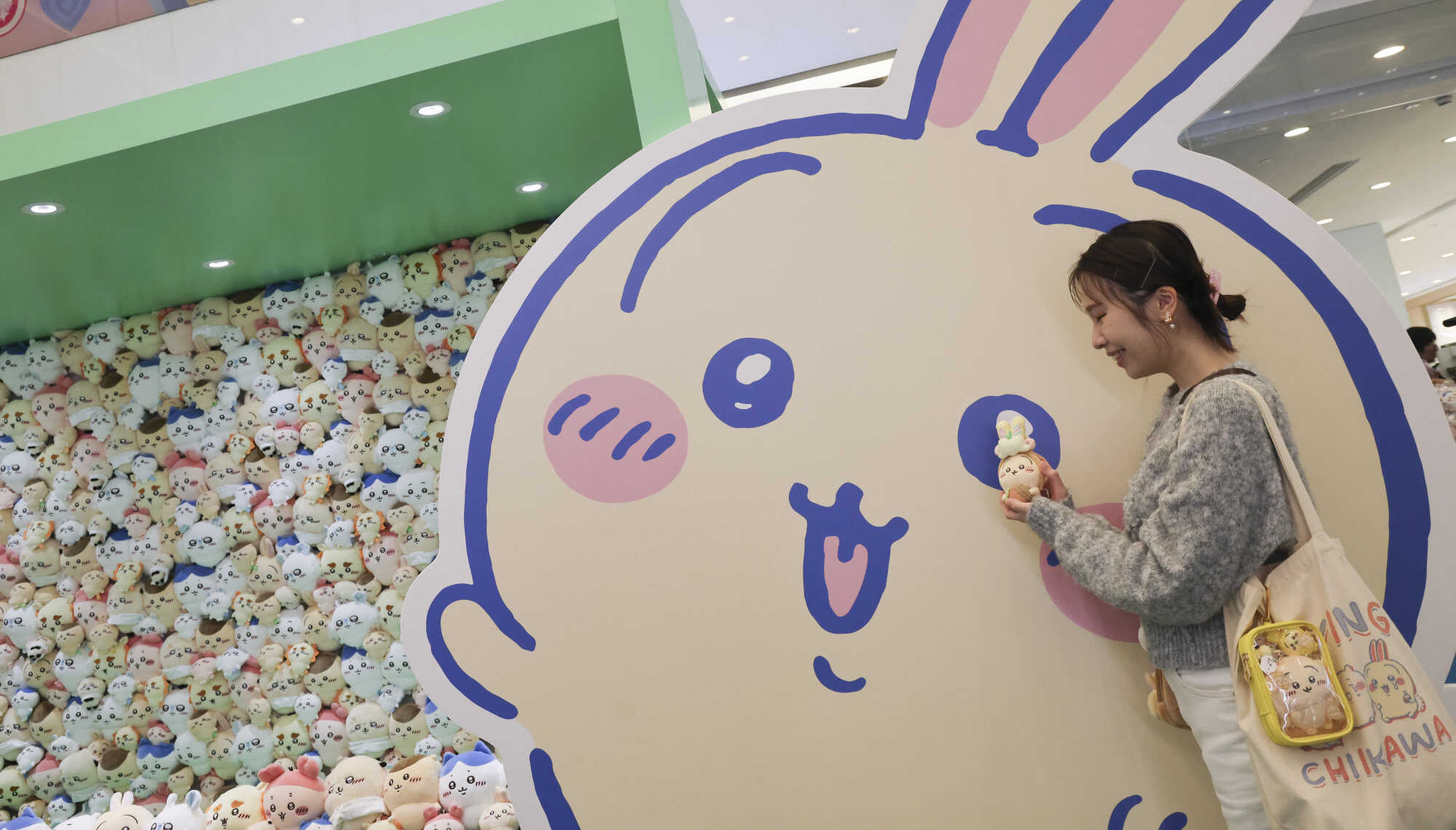
Countless anime, from the adorable Chiikawa to the timeless Doraemon, have enchanted children and adults. I firmly believe Japan’s animation industry must be protected.
Anime conveys important life lessons in an engaging way, inspiring viewers to chase their dreams while also offering them a brief escape from tough realities such as academic stress or work pressure. Anime and manga are a comforting place to rest.
One of the industry’s greatest strengths is the depth of meaning behind each production. Every anime is made with dedication, filled with touching messages and heartfelt emotions, morals, thrilling plotlines and small yet powerful details. Many people find these stories relatable, as they remind them of their own lives and struggles.
Japan’s anime industry has an undeniable influence, offering comfort, inspiration, entertainment and a sense of belonging.
The problem with AI
To Man-kwan, Tsuen Wan Public Ho Chuen Yiu Memorial College
Artificial intelligence (AI) has become a big part of our lives, but it requires careful attention. While it can make things easier and inspire new ideas, concerns exist about fairness, responsibility, and how the technology affects people.
Many people use AI to generate content, including words and images. Who deserves the copyright? AI, the people who generate content or the person whose creation was “fed” to the tool? The definition of “copyright” just became ambiguous.
Amid AI threat, Hong Kong artists say they must hone what makes art uniquely human
Internet usage is booming. Many people can access AI-generated information from anywhere. The world cannot ignore this tech, and handling AI will become a crucial part of our daily lives. We have to learn how to use it correctly.
I think there should be two criteria for using artificial intelligence: morality and responsibility. For example, a person generating animal abuse content is violating morality. A person who generates homework answers betrays their responsibility as a student.
We should make a concerted effort to remain calm, avoid fraudulent activity, and face AI head-on to create a more sustainable virtual society.
Study Buddy (Challenger): Actors are regretting licensing their likeness to AI companies
Is traditional literature fading?
Grace Li Sze-nga, POCA Wong Siu Ching Secondary School
Technology has changed the way we read and experience stories. While classics remain, traditional literature – long novels, poetry and printed works – appears to be fading away.
One big change is how we consume content. Just a decade ago, reading meant sitting down with a physical book, often for hours. Now, smartphones, tablets and e-readers allow us to access stories anytime, anywhere.
Short articles, social media posts and videos often catch our attention more than long, complex books. This preference for quick, bite-sized content means some people read fewer of the longer works that once defined literature.
Your Voice: healthier ‘dopamine hits’ and make reading a habit (short letters)
Digital platforms have also made it easier for anyone to share their stories. Self-publishing online means that new voices are constantly emerging, which is great for diversity and creativity.
But it also means that books and traditional literary works do not always receive the spotlight they once did. E-books and audiobooks are popular, but if they replace print, it will become harder for traditional literature to stay in bookstores and libraries.
If we read, share and teach traditional stories, we can keep the rich world of literature alive for generations to come.
