




Have something to say? Send us a letter using this form.
Congee’s enduring legacy in Hong Kong
Stacey Fung, The ISF Academy
In Hong Kong, congee is more than a meal; it’s a lifesaver. Literally. In the darkest days of the pandemic, when my dad and I had Covid-19, my mother served us congee. It was the best medicine, healing me from within.
Congee, known as juk in Cantonese and zhou in Mandarin, is a creamy rice porridge that first appeared in documents from the Zhou dynasty, around 1000BC. The dish likely originated as a means of stretching rice in times of food shortages. It can be served plain or with ingredients such as fish, pork, beef and meatballs.
There are two famed Hong Kong varieties: one with fish belly and peanuts sprinkled on top and another with pork intestines and lungs. Local congee makers insist on fresh, high-quality ingredients, as well as a kind of magic – measuring ingredients by feel.
8 warming foods to try in Hong Kong
My family and I enjoy congee from a traditional shop that many other families visit.
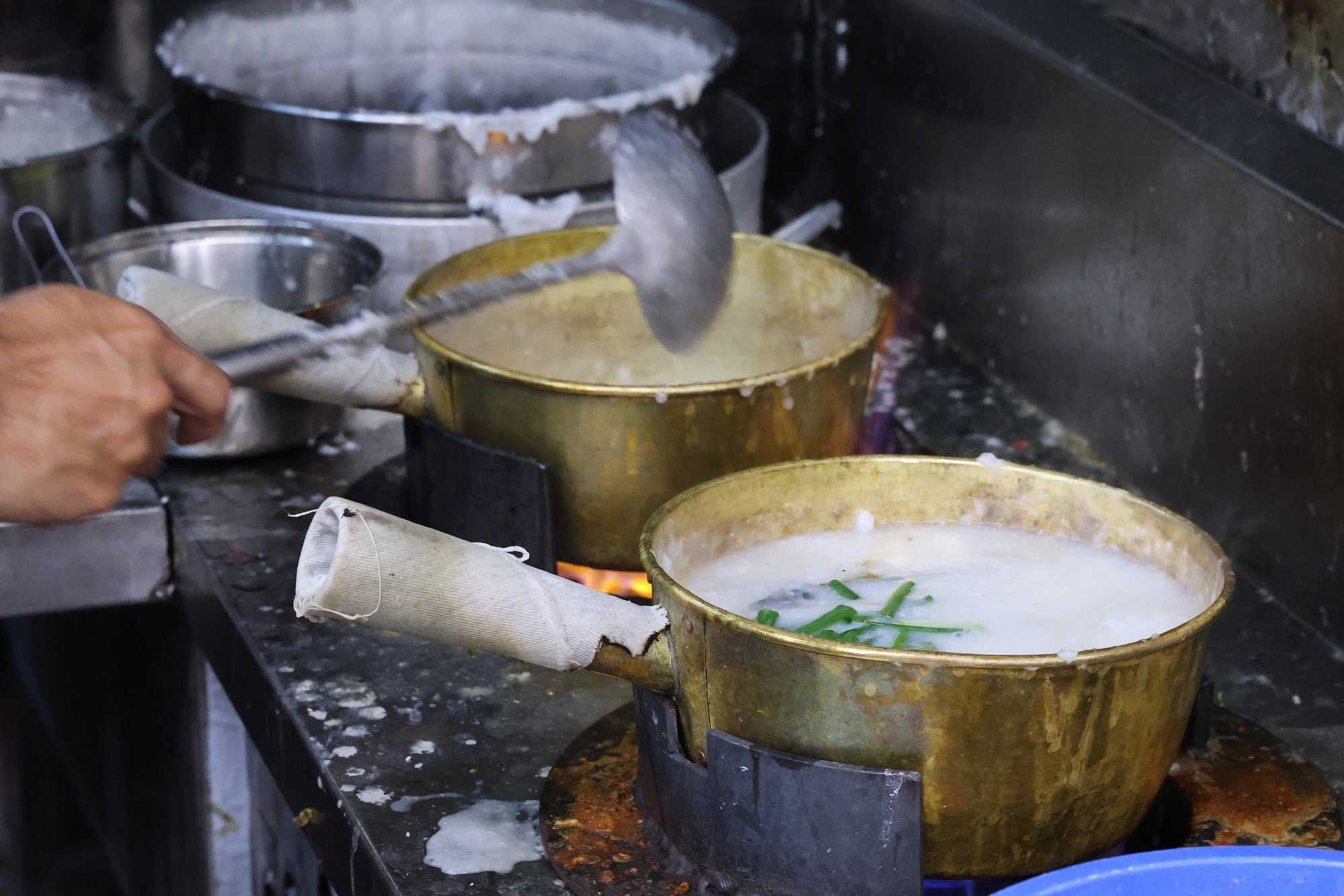
“It is muscle memory … cooking congee,” said Dong, the owner of Mui Kee Congee, a historic congee shop that has been open for 46 years. Speaking in Cantonese, Dong added, “There are no tablespoons or grams in congee cooking; it is done with the heart.”
Originally a dai pai dong, Mui Kee has insisted on using copper pots made by local artisans to cook their congee. It is among the top 10 best Hong Kong congee shops on Yelp, and it’s also my grandmother’s favourite; she has been going there for her lunch congee ever since my mother was born.
“Their food doesn’t change,” my grandmother, Grace Chan, said.
“The flavour is still the same after so many years. The people there treat me well, too; they always give me free ingredients to take home. They are like my friends, always talking to me if I’m alone.”
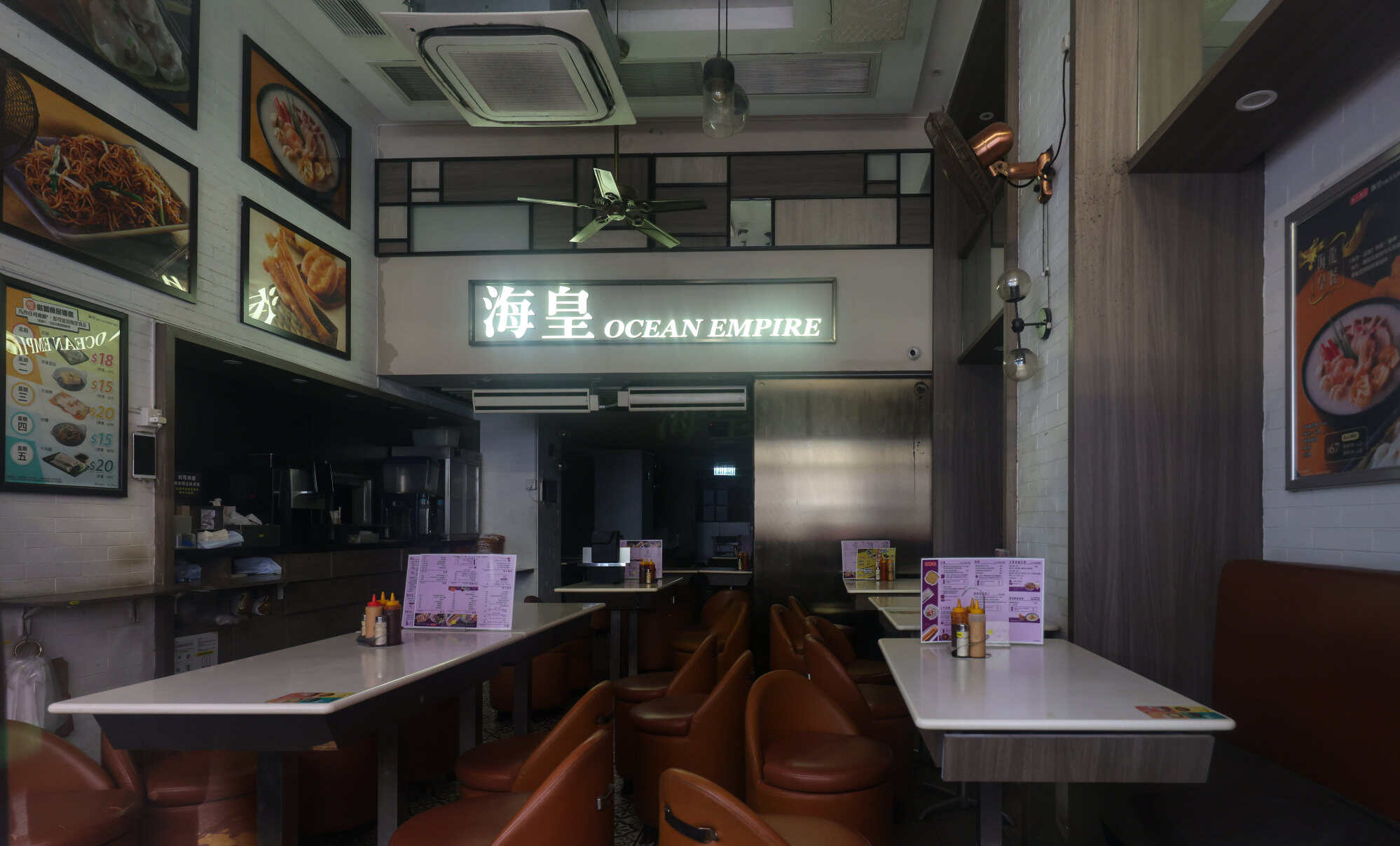
My family’s favourite type of congee is a creamy soup topped with century eggs, lean pork or beef and spring onions – a balance of earthy flavours.
My grandmother has been cooking this for me ever since I was old enough to eat solid food. It’s a comfort food in every season of life.
I recently wrote a research paper on congee for my Chinese class. When I approached the owners of Mui Kee, they showed me a slide show on the history of their business. Mui Kee has locations at Shanghai Pudong Airport and Beijing Capital Airport. It even won second runner-up in The Straits Times’ 2019 Best Asian Restaurants awards.
Mui Kee was established by Dong’s grandmother in 1979. A tiled wall next to the kitchen is covered with tearsheets of newspaper articles and gourmet magazine features that have praised their shop over the decades.
A healthy upgrade for nian gao and congee
Celebrity-filled photos feature Chow Yun-fat, as well as various YouTubers and social media foodies.
Dong, who is the third-generation owner, expressed concern over the declining popularity of traditional congee, noting that many older establishments are closing their doors. The labour-intensive process of preparing congee, combined with rising operational costs, makes it difficult for traditional congee shops to compete in the modern market.
A shop older than Mui Kee recently closed due to declining business, and the owner immigrated overseas, according to an article on STHeadline.com.
But Mui Kee should not worry. My family and I will do our best to support them!
Access to clean drinking water
Kaylie Tang, Maryknoll Convent School
On May 17, my family and I took part in “Walk for Living Water”, a fundraising event organised by the Amity Foundation at Sha Tin Park. This poignant experience along the Shing Mun River deepened my appreciation for water and its significance in our lives.
The challenge was to carry a bamboo pole with two buckets, each holding a few bottles of water, across a 3km riverbank route. But more than the physical task, it was the experience’s emotional weight and lessons that left a lasting mark on me.
When we arrived, we were greeted by the bustling energy of participants and a prize presentation that kick-started the event.
Hong Kong’s Global 6K for Water run highlights need for clean water
We each hoisted bamboo poles onto our shoulders at the starting line. The weight of the buckets began to tug at my balance, and each step soon became a test of focus and strength. The task was gruelling as the pole pressed into my shoulders, and the bottles shifted unpredictably.
To my surprise, we covered the first half of the route in just 15 minutes. I had expected it to take longer, given how the weight seemed to amplify with every step under the blazing heat. That fleeting sense of accomplishment was quickly overshadowed by a humbling realisation that this was a mere fraction of the daily burden borne by many children in underprivileged regions.
I felt a pang of guilt for my initial pride in our pace, knowing that for many, carrying water is not a one-time event for family and fun but a daily necessity. I genuinely could not imagine the exhaustion of children trekking far longer distances with real water sloshing and spilling on their way, their families’ survival resting on their small shoulders.
My struggle with bottled water over 3km felt trivial in comparison, yet it was enough to leave me breathless and uncomfortable. This contrast sparked a deep gratitude for the taps at home, always ready with clean water – a privilege I had never truly appreciated until that day.
I believe the event’s true impact lay in its ability to connect the people of our city to a broader human struggle. At each step – surrounded by families and stations with messages of encouragement – the power of collective empathy was reinforced.
The challenge was not purely about endurance but a call to recognise water’s sacred role in life. I felt a quiet resolve grow within me to be more mindful of my water use, to advocate for those without access and to carry forward the lesson that every drop matters.
Leaving Sha Tin Park, the ache in my shoulders began to fade. But the weight of the experience would linger much longer.
