




Have something to say? Send us a letter using this form.
Hong Kong must let Cantonese opera go
Cui Hin-yu, TWGHs Kap Yan Directors’ College
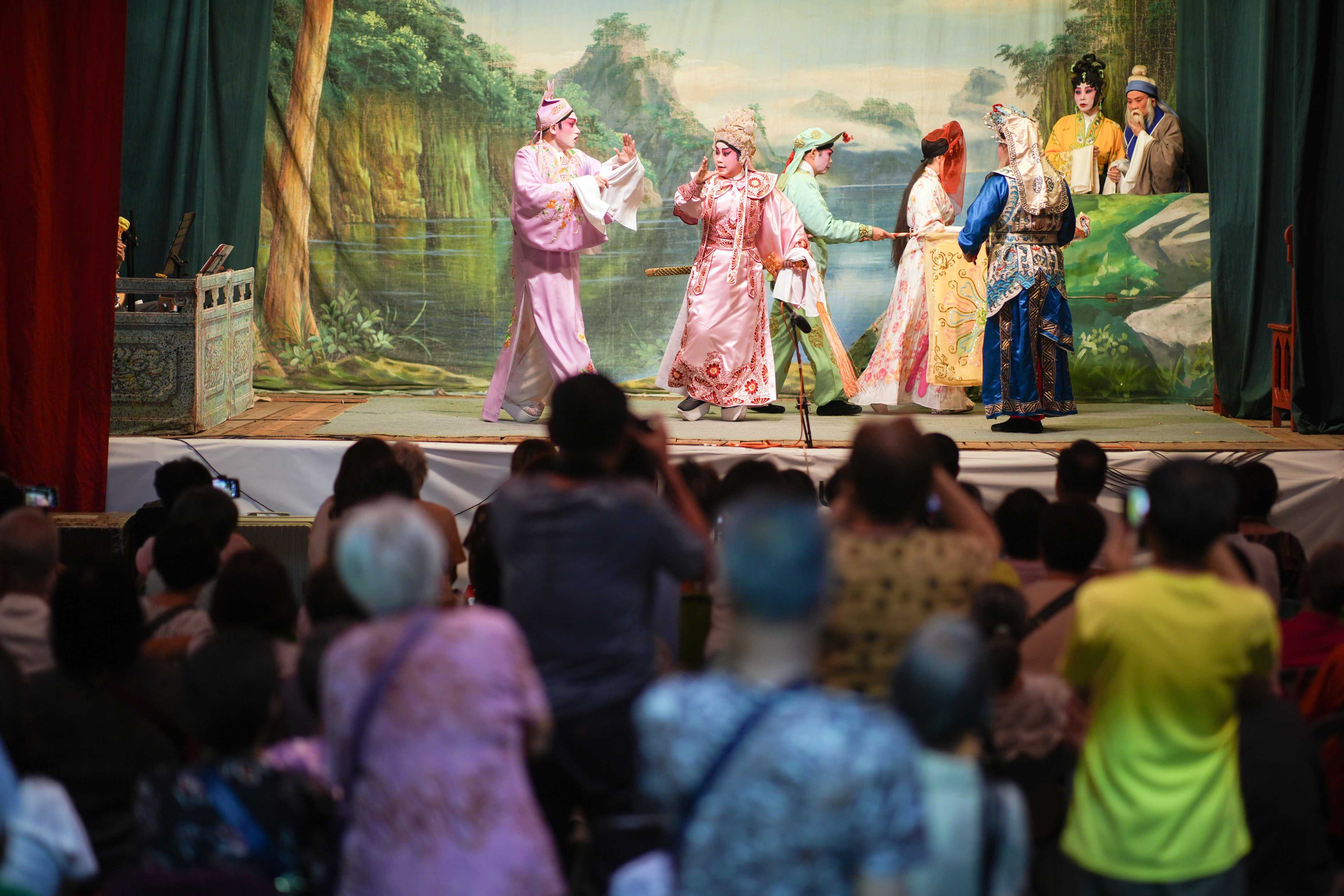
Cantonese opera, which is deeply embedded in Hong Kong’s history, is teetering on a precipice. As the city steps into the future with innovation and globalism, one wonders: Is it time to let go of a tradition whose moment has passed?
The 300-year-old art form has certainly shaped Hong Kong’s cultural identity. But its allure now is spectral. Young people today are used to the instantaneous digital world and globalised popular culture. They are alienated by Cantonese opera’s deliberate allegorical nature and antiquated dialect.
The money people have to spend on leisure goes toward streaming services and K-pop group concerts. Cantonese opera does not have the same substantial value in 2025. To say that it does is masquerading nostalgia as cultural guardianship.
Artist bridges Cantonese opera and J-pop in Hong Kong's evolving cultural scene
The purpose of art is to urge us to reflect and challenge the human condition, not to embalm it. When a tradition no longer resonates with contemporary life and its symbolism obfuscates more than enlightens, it becomes a museum piece by default.
Hong Kong’s character has always been one of dynamism. From a fishing village to a fiscal giant, the city’s success lies in discarding what is outdated. Survival of the fittest is not savagery; it is reality.
The city’s own skyline is a monument to evolution. Why, then, should Cantonese opera, sustained only by artificial respirators of government subsidy, defy this rule?
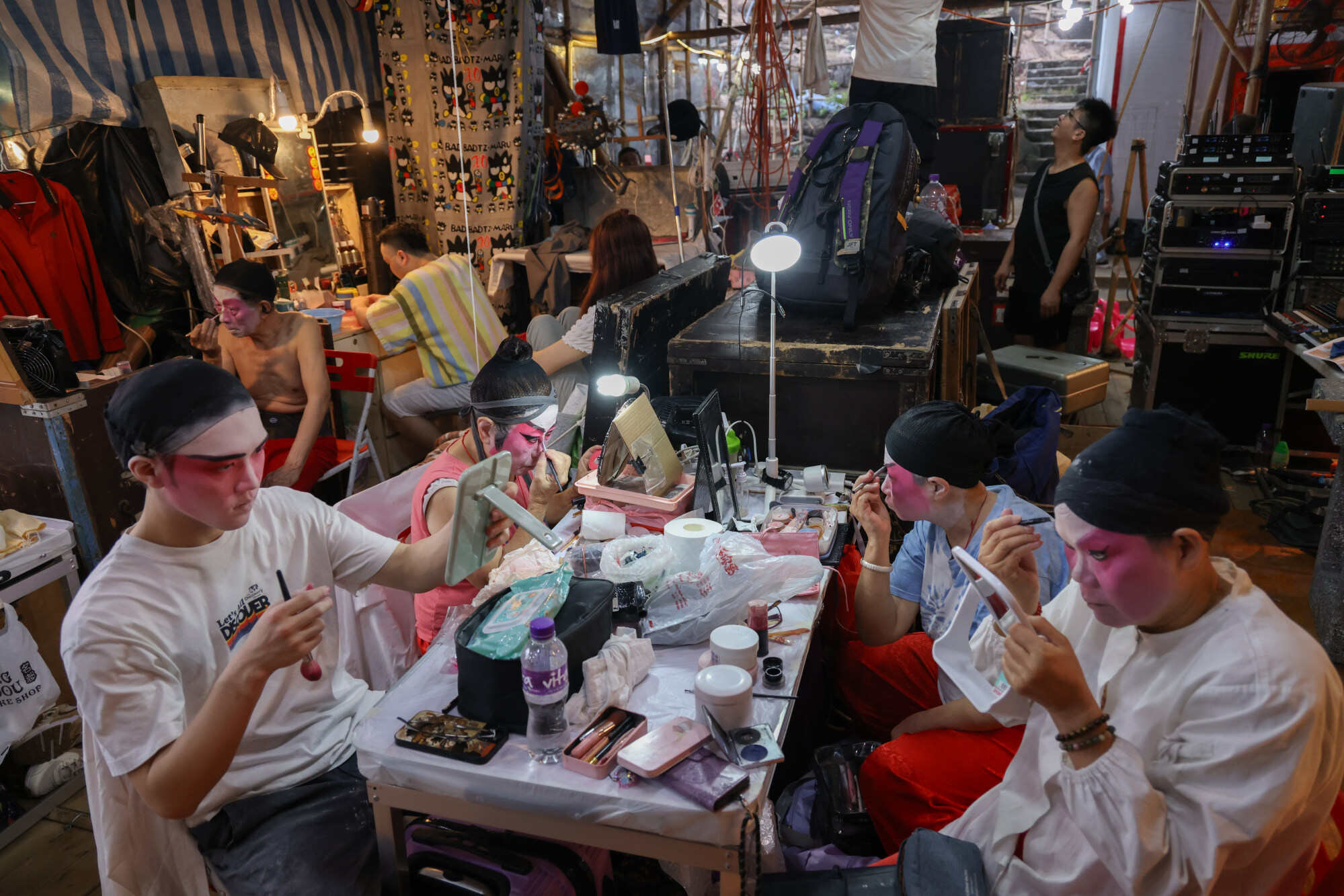
Since 2018, the Hong Kong government has invested too much in opera conservation, subsidising training schools, outreach initiatives and even a failed bid for Unesco listing. Audiences dwindle, and performers retire fruitlessly. No amount of money can produce cultural vitality.
Cantonese opera, unbending in form and substance, has not adapted. Many lament that abandoning opera is a betrayal of local heritage. But at whose cost? Why keep investing in a sinking ship when budding talents bob without lifeboats?
Consider the West Kowloon Cultural District’s Xiqu Centre, a costly architectural marvel constructed as an opera complex. On most nights, its sleek halls echo with the din of tourists snapping selfies, far from entranced locals. Compare that to the crowds at Clockenflap or Art Basel, events that capture Hong Kong’s current scene.
Your Voice: Hong Kong’s Sunbeam Theatre closure sparks debate (long letters)
Culture cannot be imposed; it must organically grow. This is not about obliterating but honouring history.
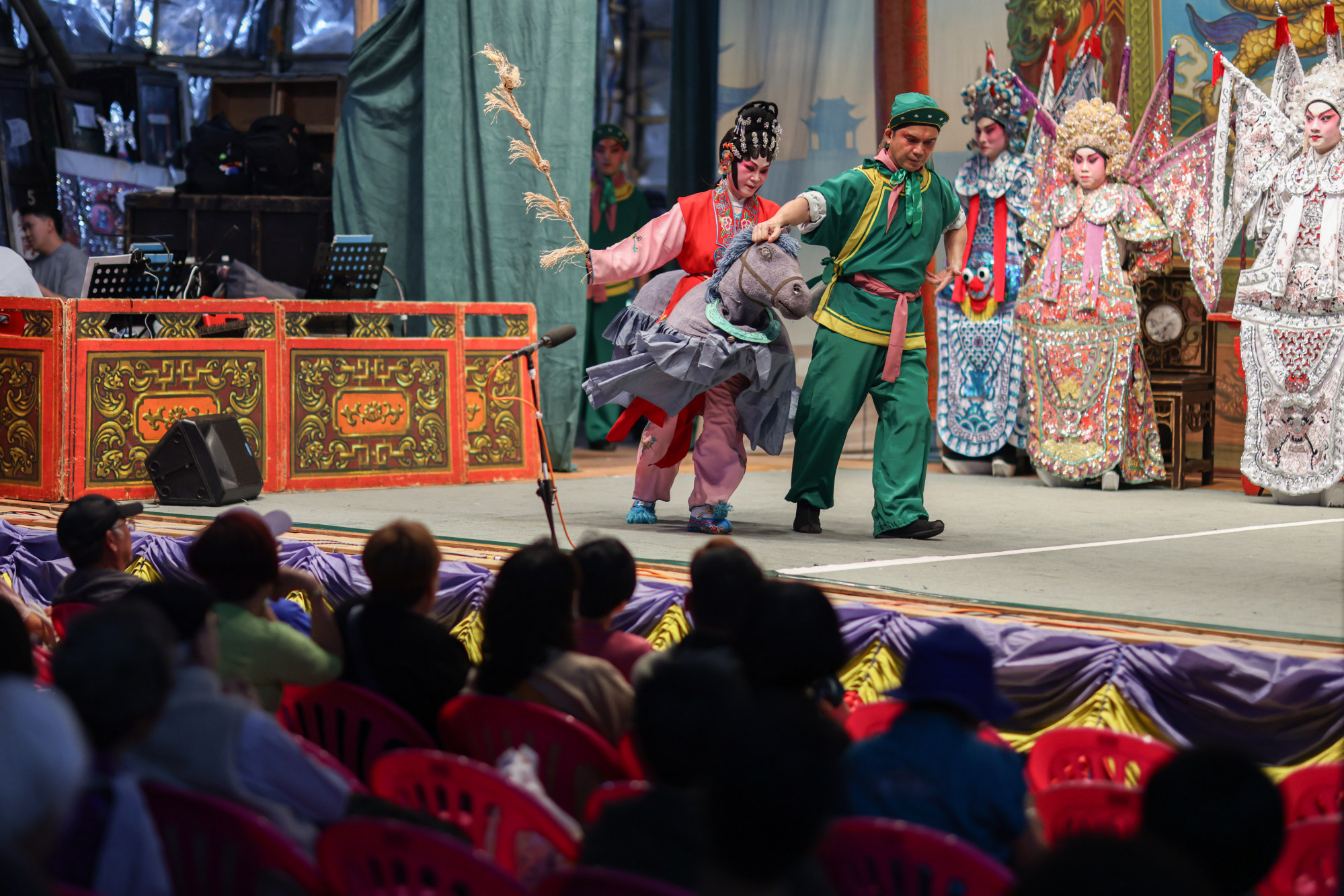
Hong Kong can pay Cantonese opera respect by allowing it to graciously retire. Digitise its scripts and records. Create immersive museum exhibitions featuring holographic actors who re-enact Legend of the Purple Hairpin, accompanied by displays of extravagant headdresses. Train archivists, not new performers, to guard its legacy.
This approach respects reality and memory. The retrospective of Cantonese pop legend Anita Mui at M+, a diva inspired by opera iconography, shows how preserved and displayed glory can be more engaging than living remnants.
Let the spirit of opera inform art for the future, not limit it. Cultures are not static; they are conversations.
A fun and rewarding volunteer experience
Li Kwan-ho, CCC Fong Yun Wah Secondary School
I volunteered for the Amity Foundation in Hong Kong’s Walk for Living Water event this year. I appreciated the opportunity to design a game about ways to save water in our daily lives for the carnival.
When we rehearsed the game, our teachers were encouraging and offered suggestions about how to manage the game booth smoothly and professionally. They made a lot of effort to create an enjoyable and enriching environment by having us role-play. It was truly a fun learning experience.
Helping out with this carnival is my most memorable experience of volunteer work. When kids glanced at our stall, I was passionate about inviting them to play our game. Fortunately, our booth’s intriguing design attracted a host of children with insatiable curiosity.
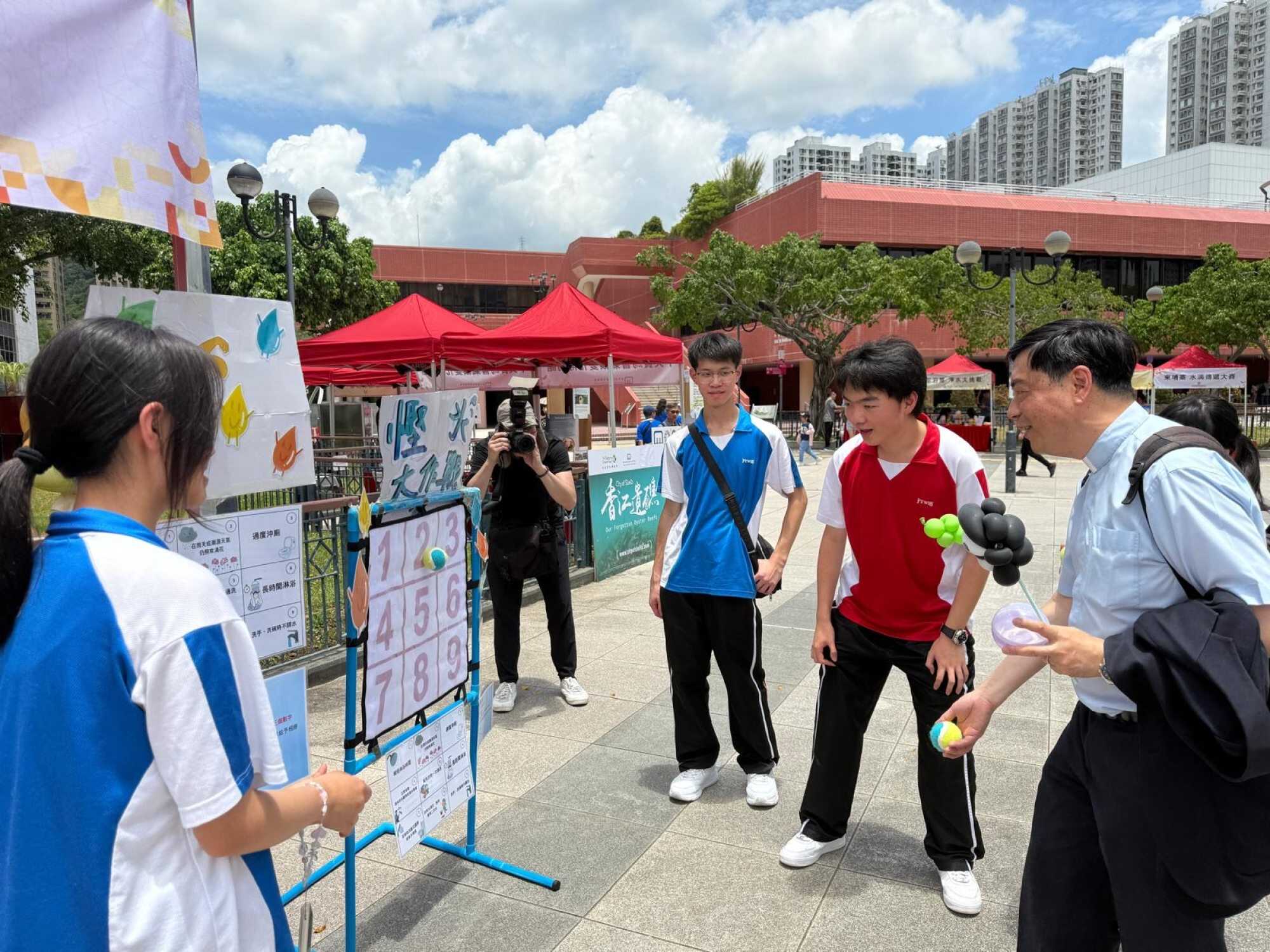
I encouraged people visiting our game booth to score high, giving them genuine compliments and plenty of applause. They seemed determined to improve and motivated to try again and again. After scoring high, I saw sincere smiles on their faces that showed a great sense of accomplishment and satisfaction.
At that moment, I realised the spiritual reward of volunteering and the contribution I could make. I felt extremely proud and satisfied with providing happiness and creating an unforgettable memory for those children.
Despite the scorching sun, which made the service physically demanding, we all worked at the carnival without any moaning or groaning. Not only did we help raise awareness of saving water, but we also provided an opportunity for others to learn outside the classroom.
In a nutshell, the volunteer experience was truly rewarding. I hope there will be more service opportunities like this for us and other students to serve our community and make it a better place for everyone.
Your Voice: The global lack of access to clean water (long letters)
Chewing gum does not make you ‘dumb’
Lok Wong, Pui Kiu College
I have always heard that chewing gum makes you “dumber”. It is a myth that is quite prevalent despite lacking substantial evidence. Many associate chewing gum with distraction, particularly in academic settings.
This perception may stem from observing students who chew gum while trying to focus on lectures or exams.
However, research indicates that chewing gum could have cognitive benefits. Some studies suggest that it may enhance concentration and improve memory retention. The act of chewing increases blood flow to the brain, which can lead to increased alertness and cognitive performance.
While it is important to consider the context – such as chewing gum during important discussions – it is unfair to label the act as something that can diminish intelligence. Instead, we should recognise that chewing gum, when appropriate, can actually help maintain focus and enhance mental sharpness. Thus, the notion that it makes one “dumber” is largely unfounded.
