If you are interested in joining future Face Off debates, fill out this form to submit your application.
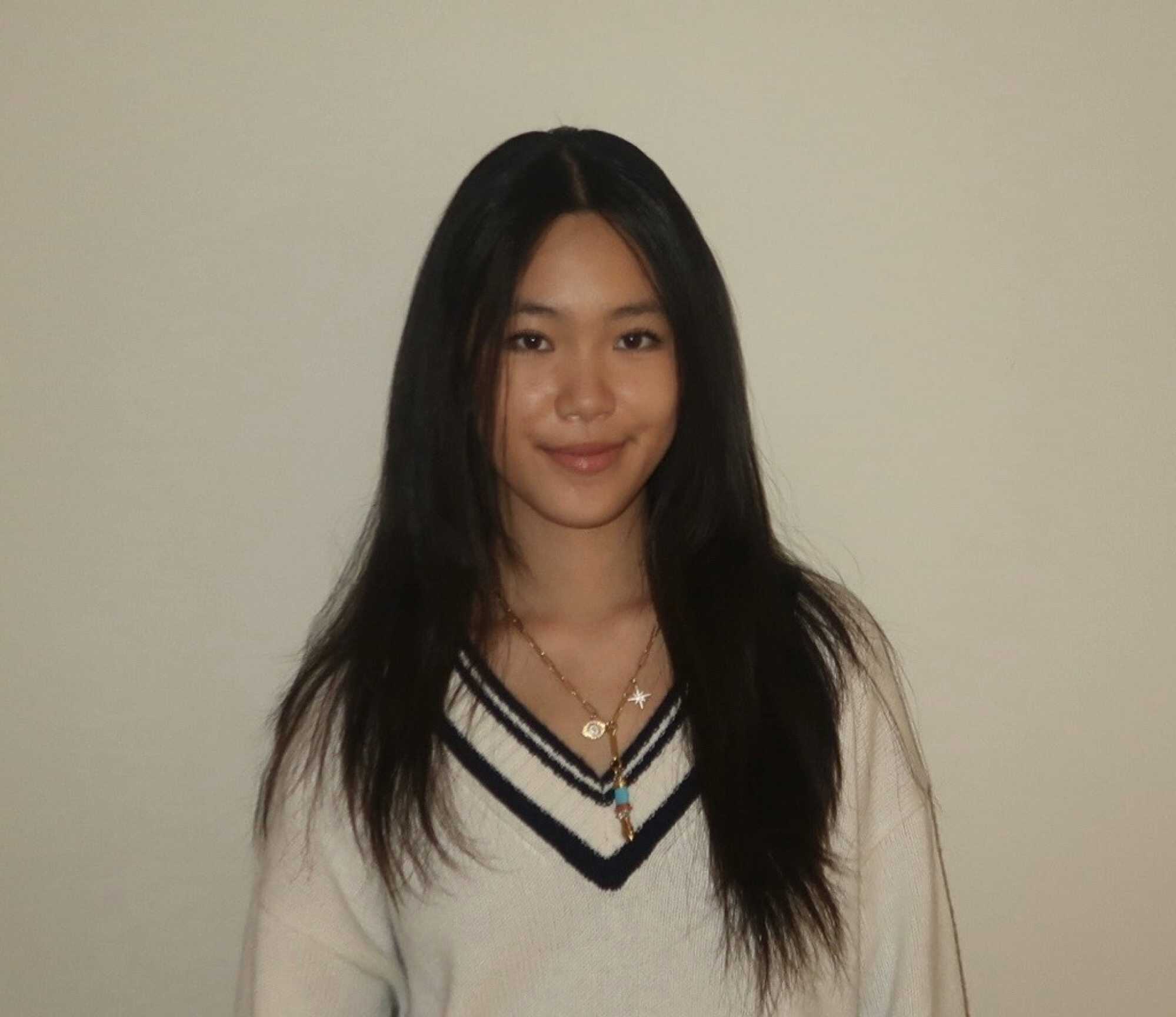
For: Angela Guo Yu, 16, Phillips Academy (United States)
The United States has introduced increased screening for students applying for DS-160 visas, requiring them to list and unlock all social media handles from the past five years, including any deactivated accounts.
The measure has been criticised as an invasion of privacy and an infringement on freedom of expression. However, social media screening can serve legitimate security purposes, help protect academic environments and even benefit applicants.
As early as 2018, the assistant director of the US Federal Bureau of Investigation’s (FBI) Counterintelligence Division expressed concerns about the exploitation of student visas by other countries for intelligence gathering, talent recruitment and technology transfer.
I believe that social media screening is unlikely to prevent most students from obtaining visas, especially those with consistent digital histories. For example, public records of academic achievements, volunteer work and community involvement on social media give immigration officers clear evidence, reducing the length of background checks.
Vetting also helps keep campuses safe. Social media can reveal much about a person that would not appear in formal documents, such as their affiliations and views. Its time-stamped, public nature makes it difficult to falsify personal histories, offering evidence that can be weighed alongside other sources.
By identifying individuals who openly endorse violence or engage in harassment before they arrive, admissions systems help maintain the open, safe learning environments valued by international students.
Concerns about privacy, misinterpretation and free speech deserve serious consideration, but they do not negate the policy. Visa applicants already disclose sensitive personal information as part of the process, including criminal records, biometric data and financial statements. Social media disclosure is simply an extension of this existing security procedure.
I believe social media screening can identify concrete, legally recognised threats that would already be disqualified under current application rules. Given the widespread use of social media and teenagers’ increasing digital presence, viewing online activity as evidence simply reflects the reality that much of modern identity exists online.
While still developing, social media screening with clear safeguards could be a pragmatic addition to the visa process.
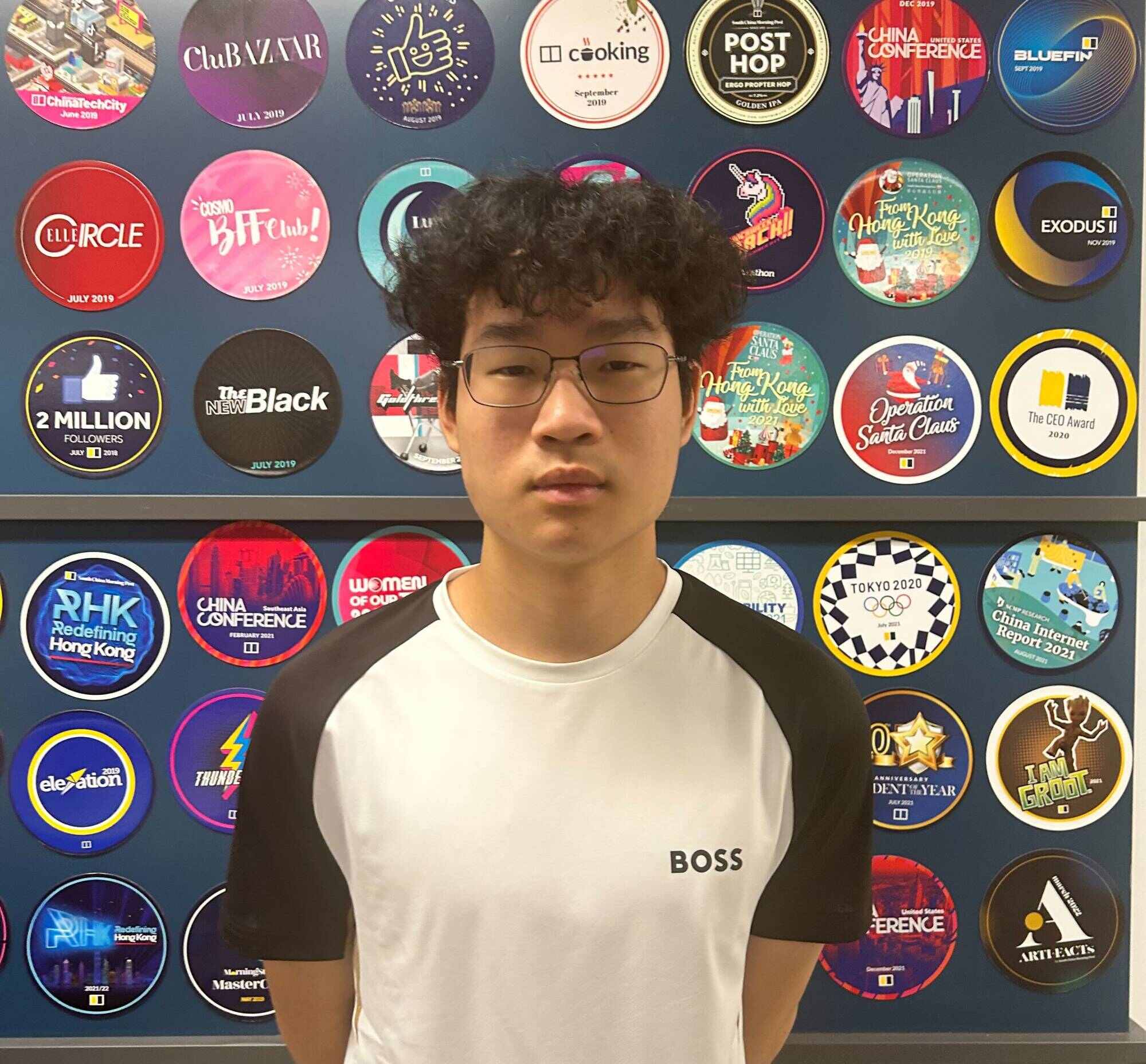
Against: Nicholas Gao, 17, Chinese International School
The United States announced plans to expand social media screening and vetting for applicants seeking student visas. This move attracted much scrutiny and is likely to damage the country’s global reputation.
Even before Donald Trump’s 2024 presidential election win, The New York Times had already established that visa applicants’ social media data did not help identify potential terrorists. Intelligence agents even admitted in a classified document republished by the Times that the requirement added “no value” to the screening process and had “minimal impact” overall.
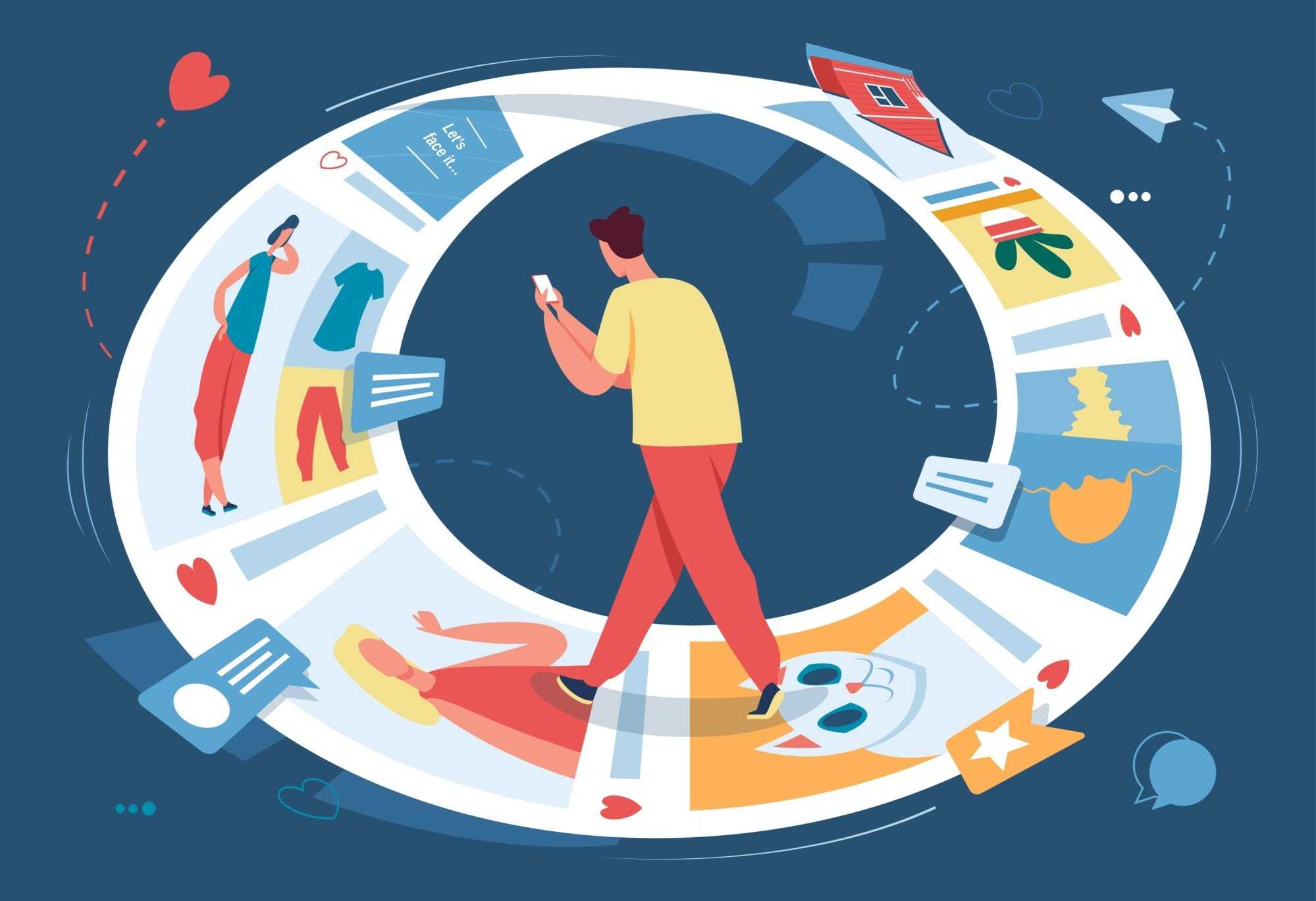
The reality of social media screening means immigration officers might find themselves aimlessly scrolling through visa applicants’ accounts in a futile search for negative posts. That time and resources could be used to identify genuine security risks.
Numerous newspapers have also highlighted how immigrants and visitors are simply scrubbing their social media pages ahead of visa applications and using burner phones to bypass the new rules.
Such student visa rules will be detrimental to a country’s reputation. In the United States’ case, screening will eventually harm the nation’s role as a global leader in higher education.
US universities consistently rank among the world’s top, and the pioneering research from these schools has helped maintain America’s position as one of the most technologically advanced nations globally.
Student social media screenings ultimately deter international talent from attending tertiary institutions and later working in the country. Many young, bright minds have expressed a genuine fear about meeting an immigration official who may simply dislike a tweet they posted five years prior.
This will lead to future leaders and talent opting to pursue their education elsewhere, undoubtedly affecting America’s standing as an intellectual powerhouse. It will also alter the country’s global soft power and likely result in waning international influence. The repercussions may only be felt in decades to come.
While there is an argument to be made that digital monitoring is necessary today due to global security concerns, the requirement to scan social media does not make sense. This is the case for the US but also for Germany, the United Kingdom and Australia – all of which have begun or are proposing social media monitoring for visa applications. It is worth noting the hypocrisy of these nations, which have spent decades promoting free speech.
In short, the idea of introducing social media requirements for student visa holders lacks depth and is likely to be ineffective.