




Content provided by British Council
Read the following text, and answer questions 1-9 below:
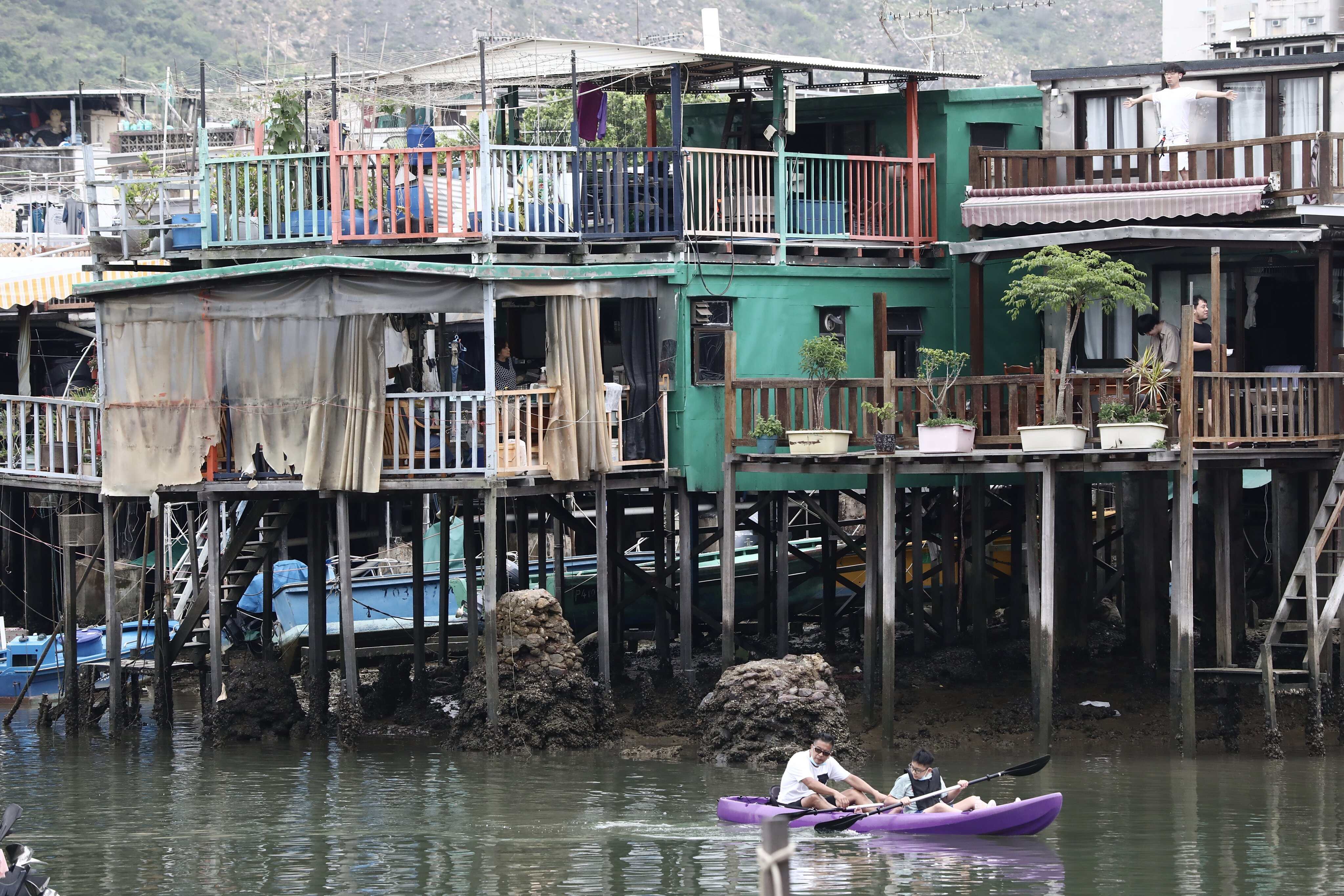
[1] To set foot in Tai O is to enter a time warp. From this fishing village at the southwestern tip of Lantau, Hong Kong’s largest island, the skyscrapers and bright lights synonymous with the city are nowhere to be seen. Stilt houses and multicoloured sampans populate its winding waterways, beside which residents attend to woven platters holding dried fish and seafood.
[2] However, Tai O’s population is growing older, with much of the younger generation choosing to move to urban areas. The village’s heritage and history are at increasing risk of being forgotten. That prospect did not sit well with Melanie Kwok, assistant general manager (sustainability) for the non-profit Hong Kong Heritage Conservation Foundation (HCF).
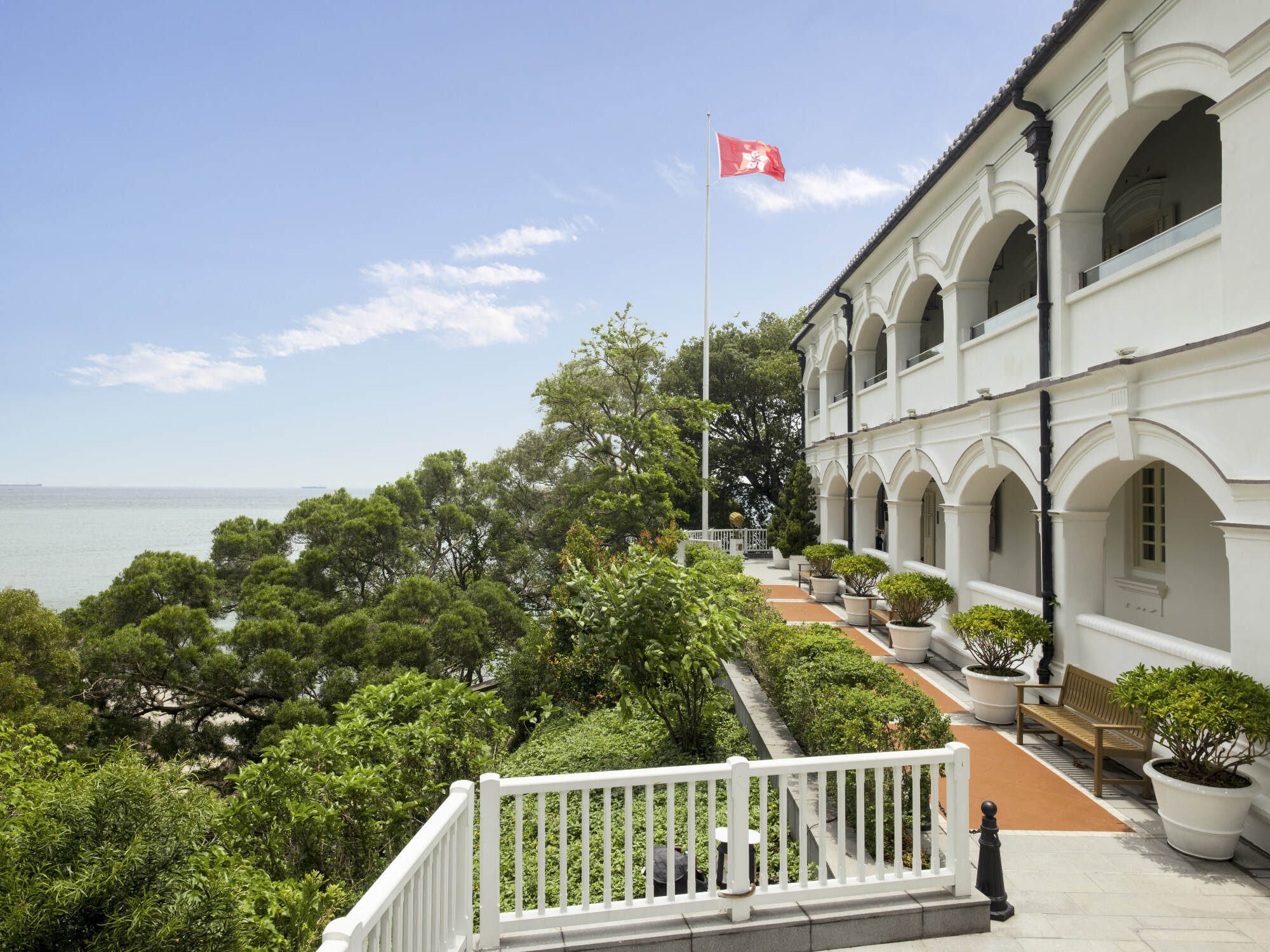
[3] Kwok began working closely with Tai O villagers in 2009. She oversaw the renovation of its marine police station into the Tai O Heritage Hotel. In the 15 years since, she has spearheaded several projects to preserve Tai O’s history and culture. In 2018, she and the foundation launched a programme to revitalise stilt houses. The foundation also launched ArtWalk@Tai O. Under the programme, murals have been painted around Tai O. Created by local artists, the murals depict subjects such as the village’s annual dragon boat parade. The aim is to give tourists insight into Tai O’s history and culture.
[4] The hotel is a 15-minute walk from the central part of Tai O and is managed by the foundation. It has implemented its own initiatives to serve the village. They recruit at least 50 per cent of staff from Tai O and surrounding Lantau communities. The hotel also runs beach clean-ups with non-governmental organisations and villagers. In 2023, the hotel partnered with the Hong Kong Young Women’s Christian Association to deliver soup and gift packs to the elderly.
[5] In front of each hotel room is a plaque explaining its original purpose. This unique feature adds to the charm of the property. Room 2111, for instance, used to be the inspectors’ quarters before it was turned into a restroom for officers. It is named Sea Tiger after one of the station’s vessels. Turn on the TV inside a guest room, and you will find a channel dedicated to documentaries and videos about the fishing village. Some of these documentaries feature former Tai O police officers. “We recorded all their stories, and we made [them] into videos and publications [to] extend the legacy of this project’s history,” Kwok says.
[6] For her, the effort is to ensure that Tai O is not forgotten. “[The foundation] started off as a stranger in this area, but with so many years of dedicated efforts working with the community, we’ve become part of the family,” Kwok says. “Over these 13 years, I’ve been through a number of typhoon 10s [Hong Kong’s highest storm warning] with them, I’ve been through a flood with them – we’ve been together through thick and thin.” She adds: “[Tai O] really speaks to the history of Hong Kong. As Hong Kong citizens, we should take the responsibility to preserve this beautiful traditional fishing village – the last [major] traditional fishing village – for our next generation.”
Source: South China Morning Post, April 30
Questions
1. In paragraph 1, the overall impression of Tai O is that of a …
A. village with a modern touch.
B. peaceful village nestled amidst tall buildings.
C. vibrant village with a focus on community living.
D. traditional fishing village.
2. What is absent from Tai O compared to Hong Kong according to paragraph 1?
______________________________________________________________________________________________________
3. What does “that prospect” in paragraph 2 refer to?
______________________________________________________________________________________________________
4. What did the Tai O Heritage Hotel used to be according to paragraph 3?
A. a specialised police facility
B. a lookout tower
C. a fish processing plant
D. a shelter for homeless people
5. Based on your understanding of paragraph 3, what is the purpose of the ArtWalk@Tai O program?______________________________________________________________________________________________________
6. Which of the following best describes the hotel’s business model according to paragraph 4?
A. It is solely focused on maximising revenue and profit for the shareholders.
B. It seeks to contribute to the well-being and development of the Tai O community.
C. It is fully owned and operated by the government.
D. none of the above
7. What is the likely purpose of the dedicated documentary channel in the hotel rooms mentioned in paragraph 5?______________________________________________________________________________________________________
8. Find a phrase in paragraph 6 that means to have “supported each other despite facing challenges and difficulties”. ___________________________________________________
9. What is the significance of preserving Tai O according to paragraph 6? _____________________________________________________________________________________________________
Answers
1. D
2. skyscrapers and bright lights
3. the increasing risk of Tai O’s heritage and history being forgotten
4. A
5. It aims to educate tourists about Tai O’s history and culture through murals created by local artists. (accept all similar answers)
6. B
7. to educate guests about the history and culture of Tai O fishing village (accept all similar answers)
8. been together through thick and thin
9. Tai O is the last major traditional fishing village in Hong Kong, and preserving the village ensures these cultural elements are not lost and continue to be passed on to future generations. (accept all reasonable answers)
