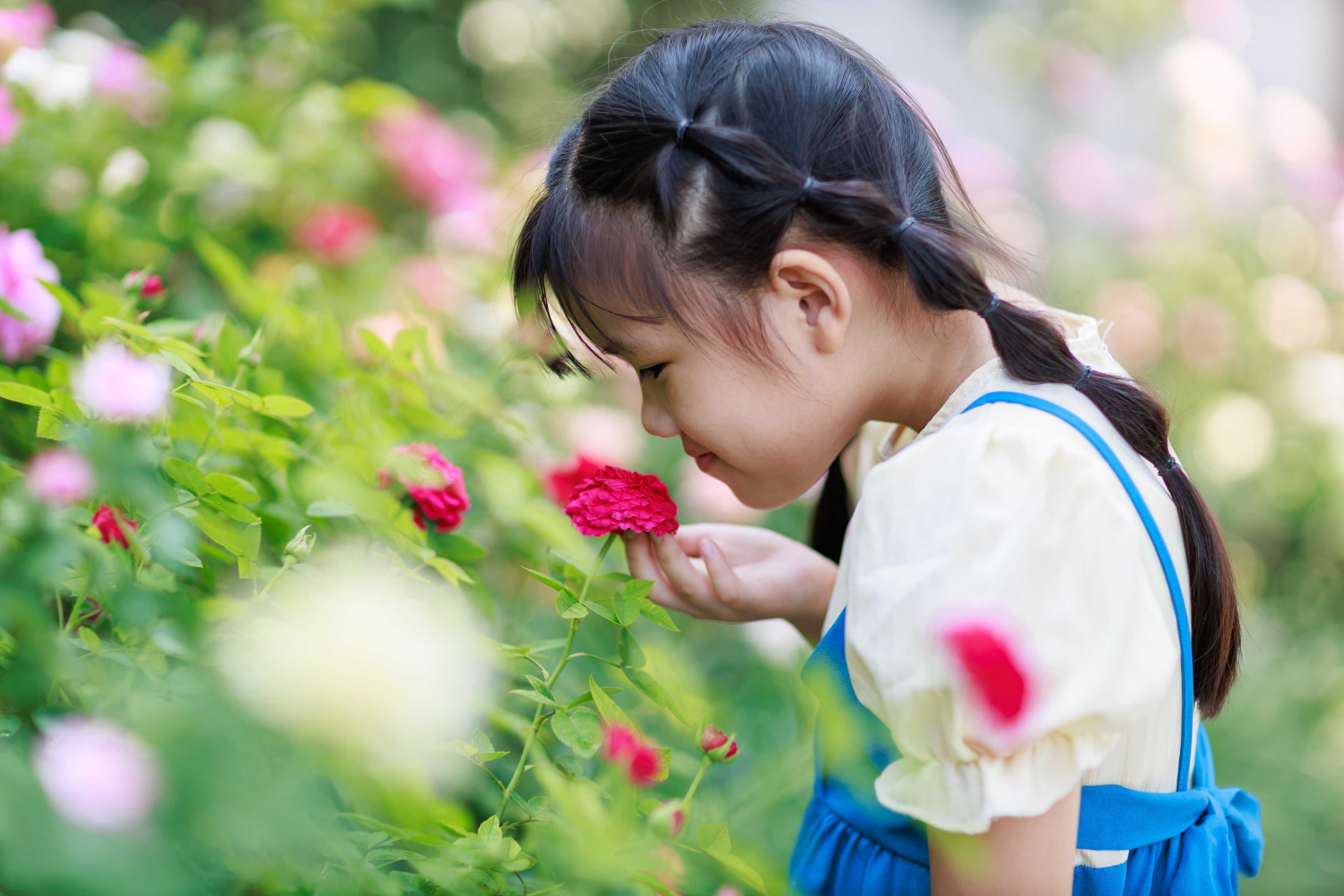
Have you ever wondered why some flowers smell so delightful, while others produce unpleasant odours? Although some floral scents may appeal to our senses, their true purpose is rooted in survival.
These smells are chemical signals that help plants interact with their environment. Floral scents can deter herbivores or pathogens, but their most important role is to attract pollinators, which are vital for seed dispersal and ensuring the continuity of the plant species.
What gives flowers their scent?
A flower’s smell comes from volatile organic compounds (VOCs), a diverse group of tiny molecules that evaporate easily and travel through the air. In flower cells, enzymes convert simpler molecules into a wide array of VOCs. When released, they create the scents we perceive. Floral VOCs belong to several major chemical classes, such as fatty acid derivatives, amino acid derivatives and compounds containing nitrogen or sulphur. Each flower species makes a unique blend of VOCs that creates its signature scent.
Which parts of a flower create its scent?
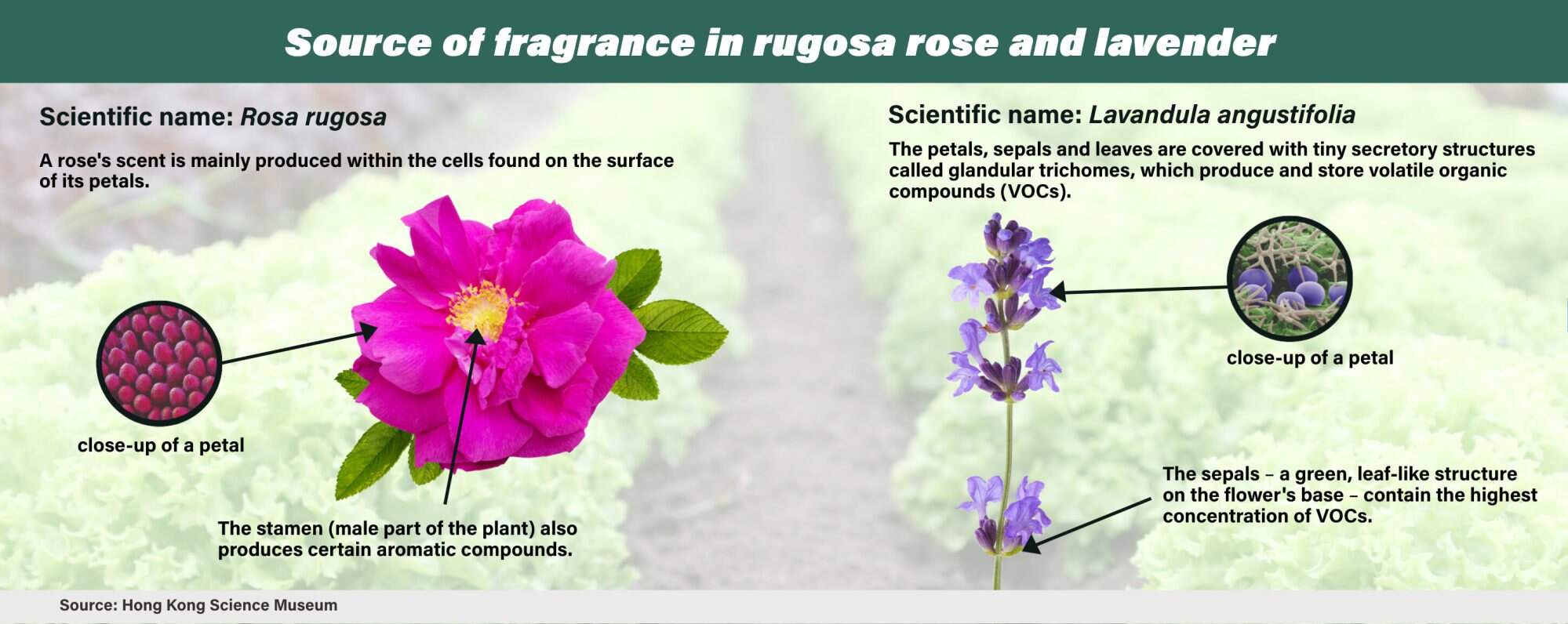
VOCs are primarily emitted by epidermal cells or specialised secretory tissues in various parts of the flower. While petals are the main source of VOCs and define the overall fragrance, other floral organs – such as stamens, pistils and sepals – also contribute (see graphic).
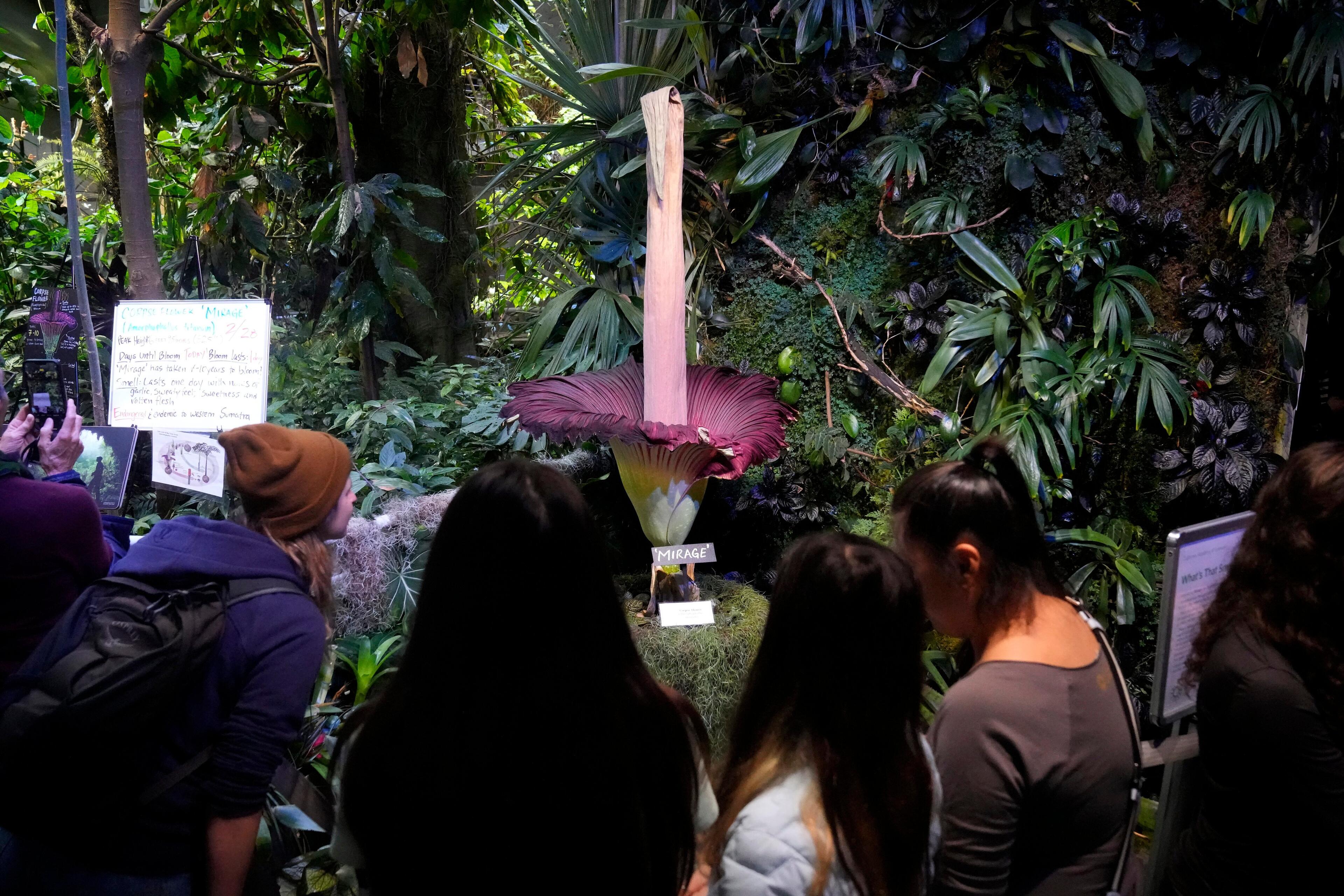
Unlike other flowers that produce scents from their petals and leaves, the corpse flower – also known as titan arum or Amorphophallus titanum – produces its foul smell from its central spike, or appendix. When it is in bloom, it generates heat through a process called thermogenesis. The appendix heats up to about 37 degrees Celsius, which helps vaporise pungent chemicals, disperse the strong odour and attract pollinators.
Key floral VOCs
Floral aroma chemistry is highly complex, usually arising from a mixture of many VOCs. In roses, key compounds include rose oxide, rose ketones and terpene compounds.
By contrast, flowers with unpleasant odours often release VOCs that resemble the smell of microbial degradation or fermentation of plant and animal material. These include sulphur-containing compounds such as dimethyl disulphide, which smells similar to garlic, and dimethyl trisulphide, which resembles the scent of onion.
These flowers also release nitrogen-containing compounds like indole and skatole, which are naturally present in human faeces and emit a foul odour in high concentrations. Surprisingly, at low concentrations, they can give off a flowery fragrance and are even used as ingredients in products like perfume and ice cream.
The corpse flower is infamous for smelling like dead flesh. This odour is created by a blend of dimethyl disulphide, dimethyl trisulphide, trimethylamine and putrescine. Trimethylamine smells like rotting fish, while putrescine smells like putrefying flesh.
Together, these compounds mimic the scent of rotting flesh to lure pollinators like flies and beetles that are drawn to carrion – the flesh of dead, decaying animals.
Factors that influence floral scent
Scent emission often changes over a flower’s lifespan. Production typically peaks when the flower is most receptive to pollination, enhancing its appeal. Once the flower ages past its reproductive phase, the fragrance often fades.
This strategic timing ensures the scent is strongest when pollinators are most active, boosting the likelihood of successful pollination and conserving energy when pollinators are scarce.
Evolution has forged a close link between the chemistry of floral scents and pollinator preferences. Flowers pollinated by bees, for example, often release sweet, honey-like scents rich in monoterpenes and phenylpropanoids. In contrast, flowers reliant on flies may produce putrid odours containing sulphur compounds that mimic the rotting carrion that flies seek for laying eggs.
Environmental conditions also play a key role. Temperature affects how easily VOCs evaporate, with warmer days enhancing scent emission. Light influences production rhythms, with some flowers releasing more fragrance in bright light and others at dawn or dusk. Plants that are stressed by water availability or climate change might also produce less fragrance.
Ultimately, each flower’s fragrance tells a story of adaptation, survival and the intricate relationships that weave together the natural world.