German grammar is notoriously difficult to grasp, but English speakers might actually know more German than they think. Because both languages belong to the Germanic family, there are some considerable overlaps in vocabulary. Here are eight English terms that are nearly identical to German words.
Doppelganger
German: der Doppelgänger (masculine), die Doppelgängerin (feminine)
Doppelgangers are spirits or individuals who bear an exact resemblance to you, yet are not related to you. This word, though widely used in English, is actually German. The German spelling is doppelgänger, with the two dots over the letter “a” forming an umlaut and indicating a change in pronunciation.
There is one more difference: while the English word “doppelganger” does not indicate gender, the German word doppelgänger is reserved solely for males. A female doppelganger would be referred to as a doppelgängerin. Do you believe doppelgangers really exist?
Kindergarten
German: kindergarten
This word originated in the 19th century. In German, kinder means children and garten means garden. The only difference is that in German, the “t” sound is pronounced as written, whereas in English, the “t” has been adapted to sound more like a “d”.

Fantastic
German: fantastisch
This English adjective is quite similar both in spelling and pronunciation to the German word fantastisch. Its roots lie in the Ancient Greek word phăntăstĭkós, which was borrowed into 14th-century Old French and later adopted by the English language.
Coffee
German: kaffee
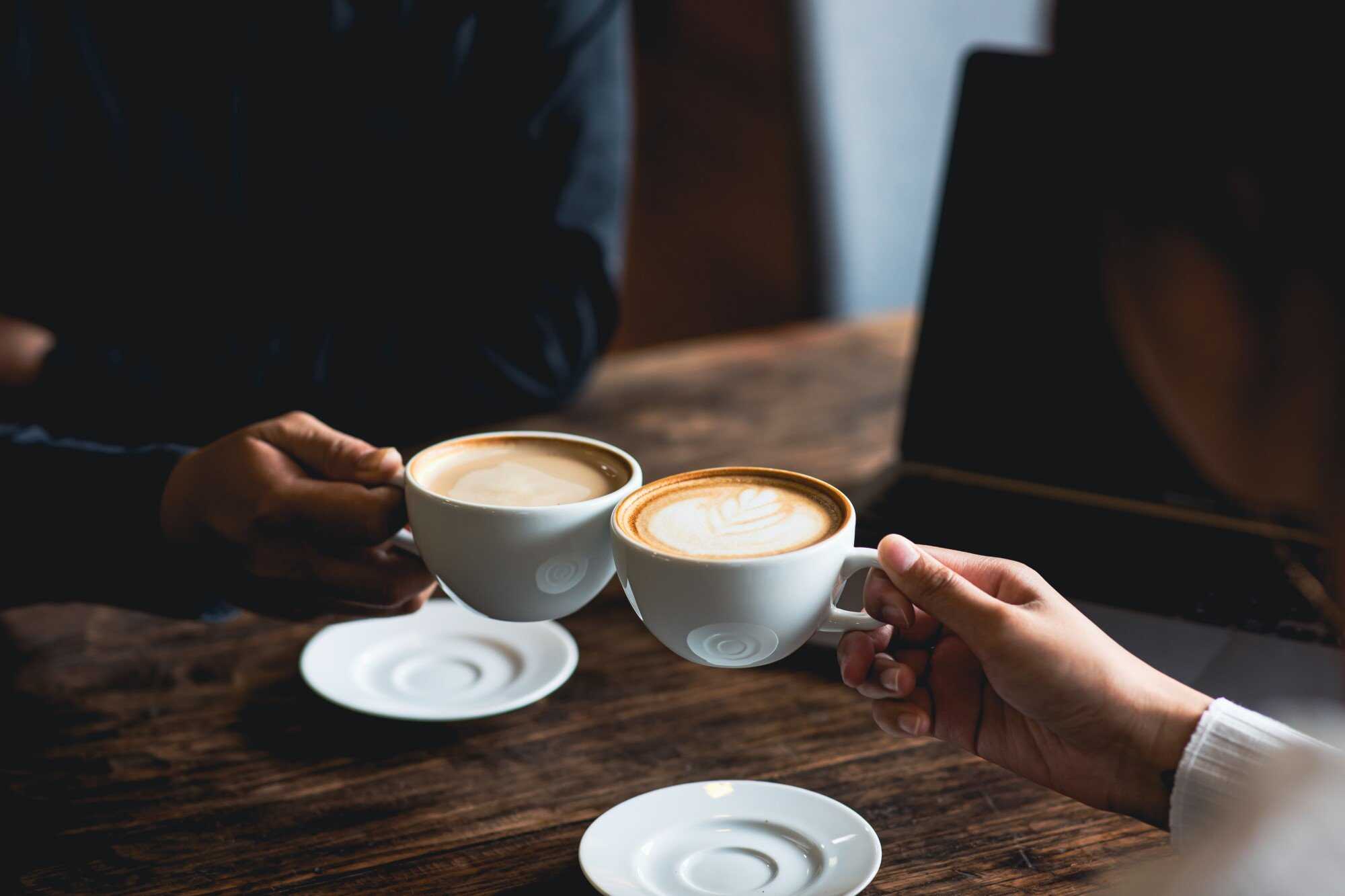
Do you love caffeine? Well, the Germans sure do! Aside from mineral water, coffee – kaffee in German – is the country’s second most consumed drink. The word itself originates from the Dutch word koffie.
Rucksack
German: rucksack
A “rucksack” in English is a backpack typically made of a strong, waterproof material and widely used by hikers. The same word, der Rucksack, exists in German, but it is the direct translation of “backpack”. There is no implication that it is for hiking.
Music
German: musik
We can’t talk about German without mentioning music, or – as they say in German – musik. The master of Baroque music, Johann Sebastian Bach, was from Eisenach, a town in modern-day Germany. Wolfgang Amadeus Mozart was a German-speaking classical composer. Ludwig van Beethoven was a German Romantic composer. And the man behind the soundtracks of The Lion King and Dune is German composer Hans Zimmer.
Blitz
German: blitz
The English word “blitz” comes from the German word blitzkrieg, which literally means “lightning war”. Blitzkrieg was a 20th-century Nazi military tactic characterised by rapid and destructive surprise attacks on the enemy.
Hobby
German: hobby
The German word for “hobby” is literally hobby. The plural form is simply hobbys. The pronunciation is exactly the same as in English. So, if you ever want to strike up small talk with a German, try asking them about their hobbies.