India’s move to strengthen sports governance through a new law is set to transform the management of sports federations and empower athletes, analysts say.
Key changes under the National Sports Governance Act, which was enacted into law last week, include the creation of a national sports board to oversee all sports federations, such as the powerful Board of Control for Cricket in India. Additionally, a tribunal will be formed to speed up dispute resolution.
“It is a valuable step. It provides for a statutory-based framework for the regulation of all national sports in the country, which we never had before,” said Russell A. Stamets, a partner at the New Delhi-based law firm Circle of Counsels, which has previously advised Indian sports federations and athletes.
Shift in attitudes
Approved by President Droupadi Murmu, the new law follows Prime Minister Narendra Modi’s Independence Day address on August 15, in which he noted a shift in attitudes among Indian parents towards sports. Parents who once discouraged their children from taking up sports were now embracing them as a viable career path, Modi said.
Different sports in India have previously been overseen by their respective federations, ranging from the All India Football Federation to the Badminton Association of India.
This fragmented approach has led to arbitrary decision-making by senior sports officials and sidelined the concerns of athletes.
“This law is a huge step forward for the rights of individual athletes who have basically been at the mercy of their boards entirely,” Stamets said.
“It will give a voice to athletes by establishing a national sports tribunal, which is a forum to resolve disputes between athletes and their respective federations.”
Another key feature of the new law was a pledge towards gender equality among athletes and combating discrimination, Stamets said.
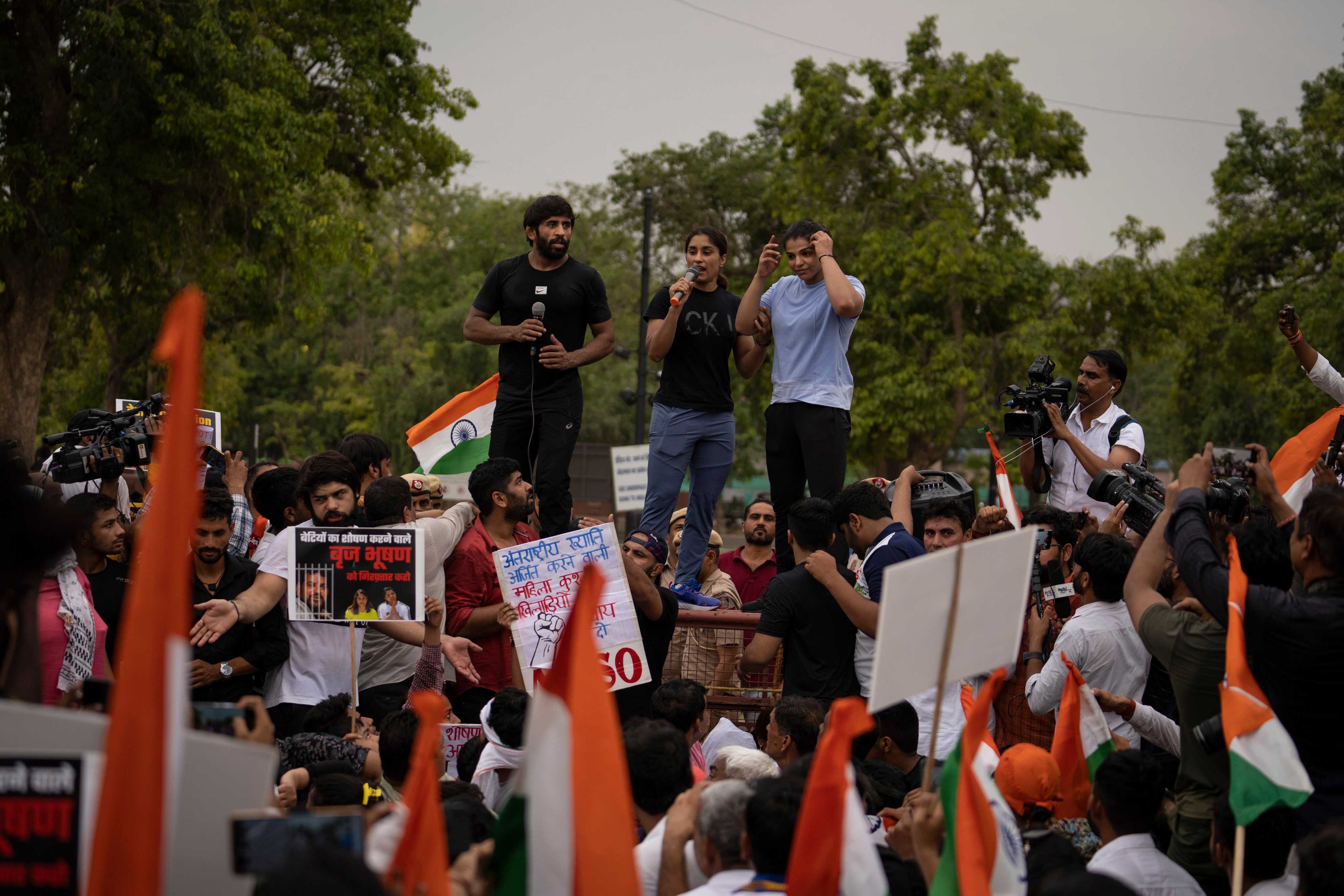
“This is very important because we had protests earlier regarding the treatment of women by one of the sports federations,” he added.
Such safeguards are considered by analysts as key in reshaping societal attitudes.
“This law will broaden the opportunity for more women to be involved in sports because there will be greater transparency,” said Hemant Kenkre, a sports writer.
Kenkre said more should be done to strengthen the development of Indian athletes, many of whom were from smaller towns and villages: “Hopefully, the government will look at the law as the first step to advancing sports development at the grass roots level,” he added.