[1] Just like the widely acclaimed 3D animated film Ne Zha 2 before it, Nobody – a breakout box office hit in China this summer – draws its inspiration from a Chinese literary classic, namely Journey to the West.
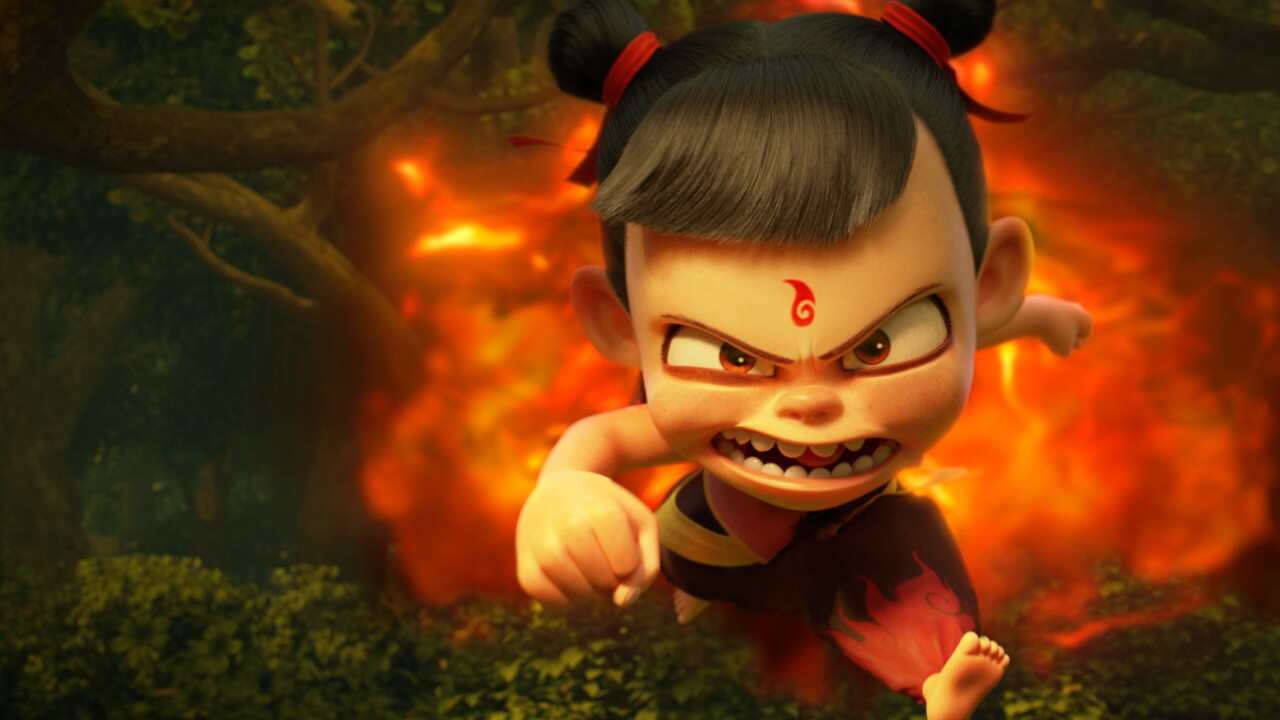
[2] Its characters and plotlines are influenced by the 2023 animated series Yao-Chinese Folktales, which in turn is based on stories of demons and monsters in traditional Chinese folklore. Released on August 2, Nobody surpassed 1.1 billion yuan (HK$1.2 billion) in total box office revenue 20 days after its release.
A new spin on a Chinese classic
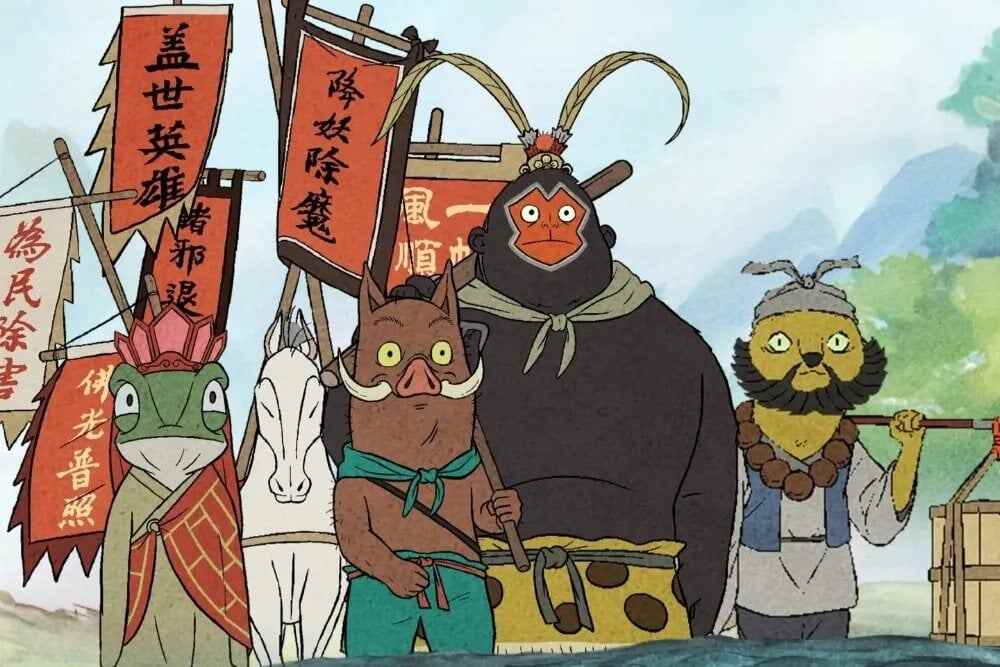
[3] The film is a creative adaptation of the 16th-century classic, Journey to the West, which recounts the adventures of Tang Sanzang, a Chinese monk tasked by the Buddha to retrieve sacred texts from India.
[4] While retaining the classic’s core, Nobody is told from the perspective of four demons – a wild boar demon, a toad demon, a weasel spirit and a gorilla monster – who go on a similar journey. Leading the crew is the idealistic wild boar demon.
Emotional depth
[5] Every viewer can see themselves reflected in these minor demons: the wild boar fails his civil service exams because he has no connections, for example, or the toad, a cog in the corporate machine who gets laid off over tiny mistakes.
[6] “In the original novel, the journey of Tang Monk and his disciples was always aided by powerful allies when in need,” one Douyin user said. “But these four little monsters had no one to rely on but themselves. They struggled against their fate, even though they knew the chance of success was slim – just like most ordinary people face in our society.”
[7] “I kept waiting for the true monkey king, Sun Wukong, to help the cast when they fought the villain, but he never came,” another said. “In the real world, legendary heroes seem to barely exist. For most people, simply getting through life while staying true to ourselves is hard enough.”
[8] Snippets from the film, such as an interaction between the wild boar’s mother and her son, also resonated deeply with many viewers. Reuniting after several years, her first words to her child were to ask if he had been drinking enough water. “‘You’re not drinking enough, have some more.’ I guess that’s something mums everywhere can’t stop saying, right?” one Douyin user said. Throughout their adventure, the demons undergo growth, evolving from being doubted by others to ultimately shaping their destinies.
The producer
[9] Founded in 1957, Shanghai Animation Film Studio is one of China’s oldest and most well-known animation studios. Its works, such as Havoc in Heaven, Nezha Conquers the Dragon King and Lotus Lantern have left an impact on many generations.
[10] As the pioneer of 2D animated films in China, the studio draws deeply from Chinese myths and classical literature, creating an array of unique animations rooted in traditional Chinese artistic style.
Source: South China Morning Post, August 24