Read the following text and answer the quiz below.
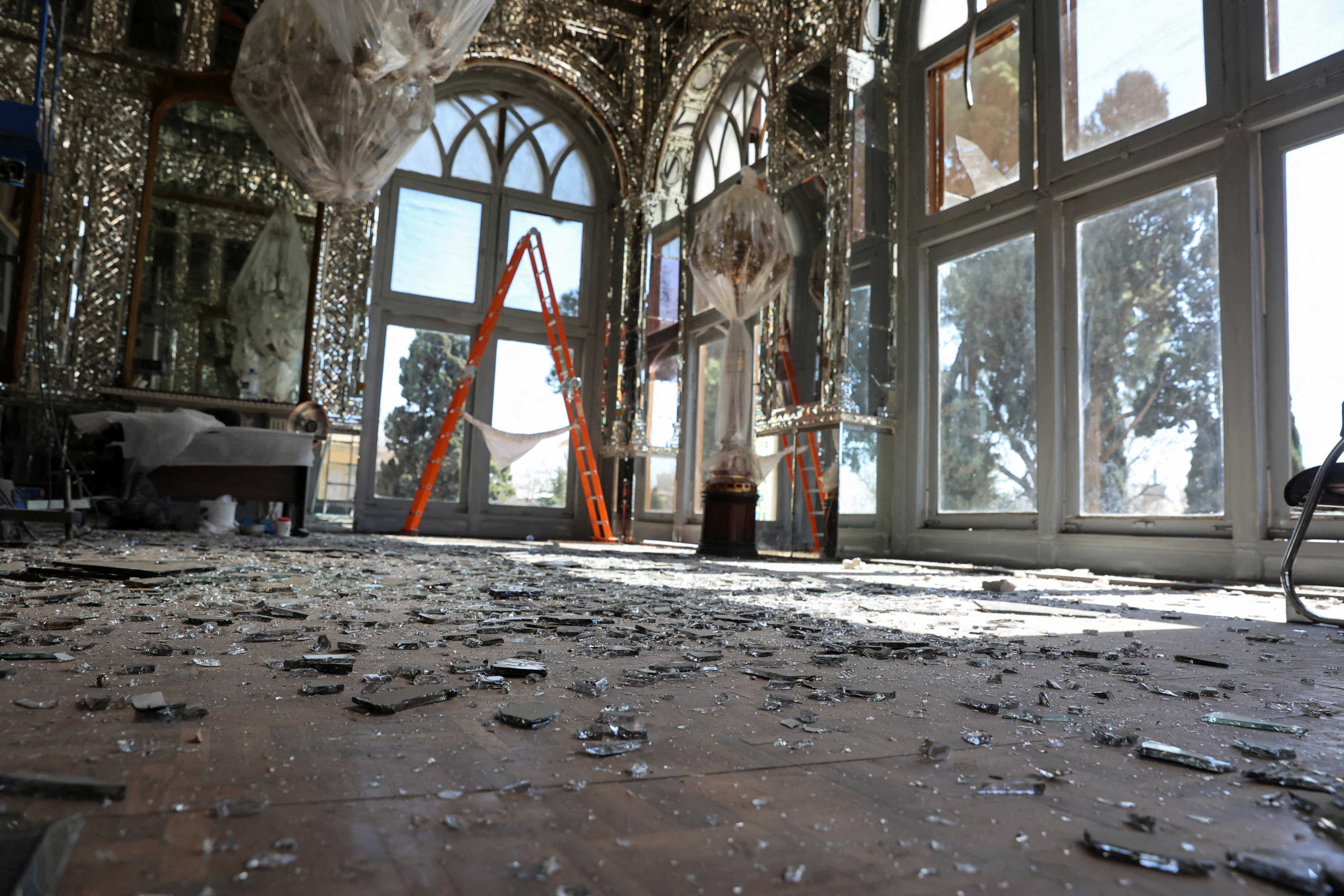
[1] US and Israeli strikes have damaged at least four cultural and historical sites in Iran, including palaces and an ancient mosque, raising alarms about the impact of the widening war on protected landmarks that are important to Iranian identity and world history. The speed and extent of the damage have so concerned Iran and Lebanon that they sent a request to the United Nations’ cultural agency, Unesco, to add more sites to its enhanced protection list.
[2] Unesco confirmed that it has verified damage to the lavish Qajar-era Golestan Palace in Tehran, as well as the 17th century Chehel Sotoun palace and the Masjed-e Jame, the country’s oldest Friday (congregational) mosque, both in Isfahan. There was also verified damage at buildings close to the Khorramabad Valley, which includes five prehistoric caves and one rock shelter providing evidence of human occupation dating to 63,000BC.
[3] The impact on cultural sites has been felt across the Middle East, with Unesco tracking damage to Tyre in Lebanon and elsewhere. Collateral damage in such places has long been part of the fabric of war.
[4] “What is happening is clear to all: in these increasingly modern conflicts, it’s civilians who pay the price; it’s civilian infrastructure that pays the price; and we’ve all seen the destruction of priceless historical heritage,” UN spokesman Stephane Dujarric said.
[5] “It causes harm to civilians because it damages or destroys a piece of their history that can be significant both to the world and also to a specific region or community,” said Bonnie Docherty, a senior researcher in the crisis, conflict and arms division for the NGO watchdog, Human Rights Watch. “It undermines the sort of shared identity of a local community, which can often be important for bringing people together.”
[6] Arash Azizi, who grew up in Iran before moving to the United States as an adult, said that because his family could not afford to travel abroad when he was a child, they visited historical sites across the country. This, he said, was how he learned about his cultural identity and history.
[7] “At times where school kids are killed, when human life is at stake, when the stakes are very high, people might think, ‘What are a couple of broken tiles or broken glasses?’” said the 38-year-old resident of the US state of New York. “I think this is the wrong attitude. We need a cultural context. We need to know who we are, where we come from and what it all means.”
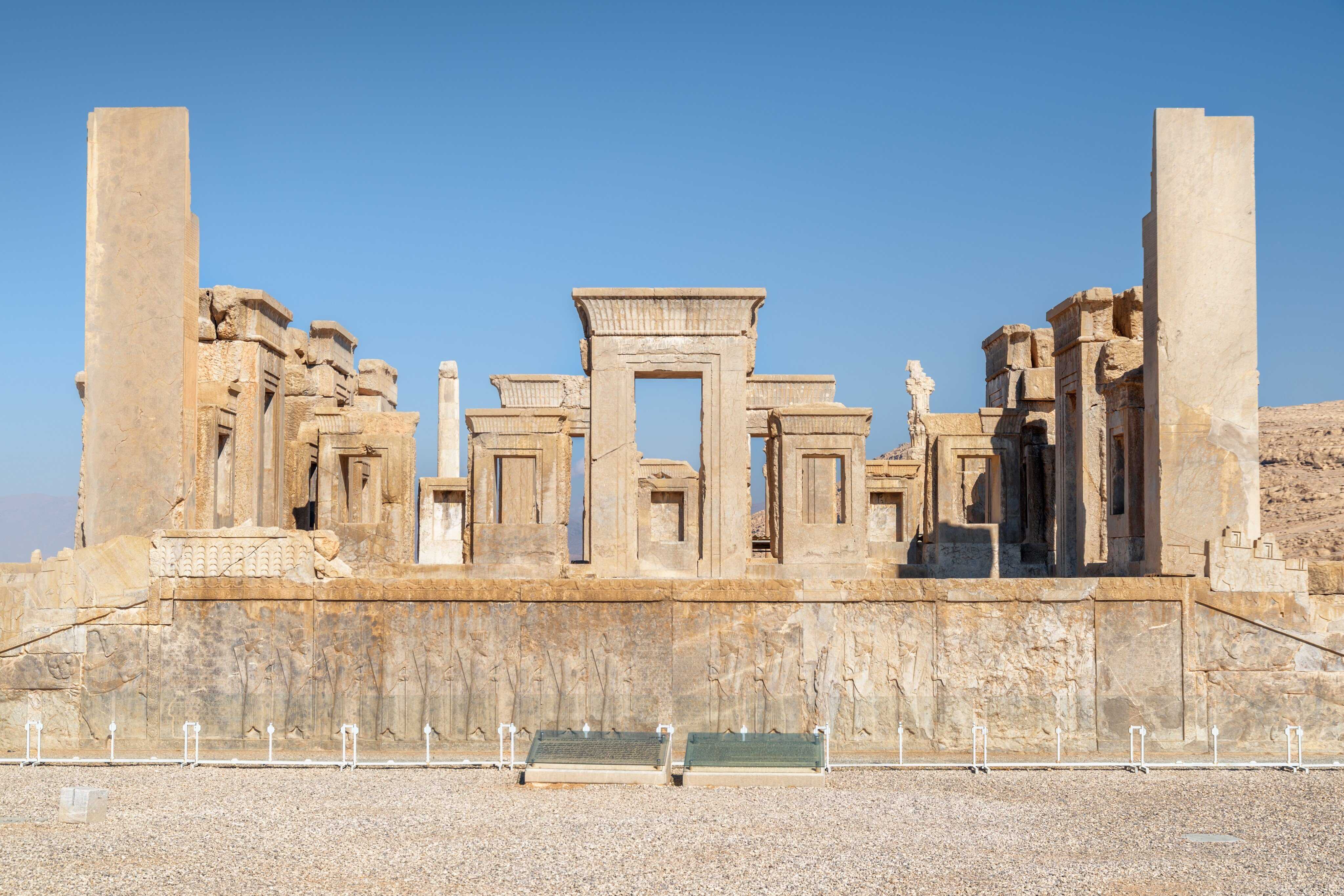
[8] These four damaged sites are among the nearly 30 Iranian sites designated as under special protection as part of Unesco’s World Heritage list. Other notable landmarks on the list include the Great Wall of China, the Egyptian pyramids, India’s Taj Mahal and the United States’ Statue of Liberty.
[9] The agency’s World Heritage Committee annually designates sites considered “of outstanding value to humanity” and intervenes when sites are in danger of destruction or damage. The programme provides countries with technical help and professional training to preserve the sites.
Source: Associated Press, March 16