Every week, Talking Points gives you a worksheet to practise your reading comprehension with exercises about the story we’ve written.
If you have never heard of neutering your pet, you might wonder why we would sterilise the animals we love and care for, taking away their ability to have babies. But the reason is simpler than it seems: we want our pets to live long, happy and healthy lives.
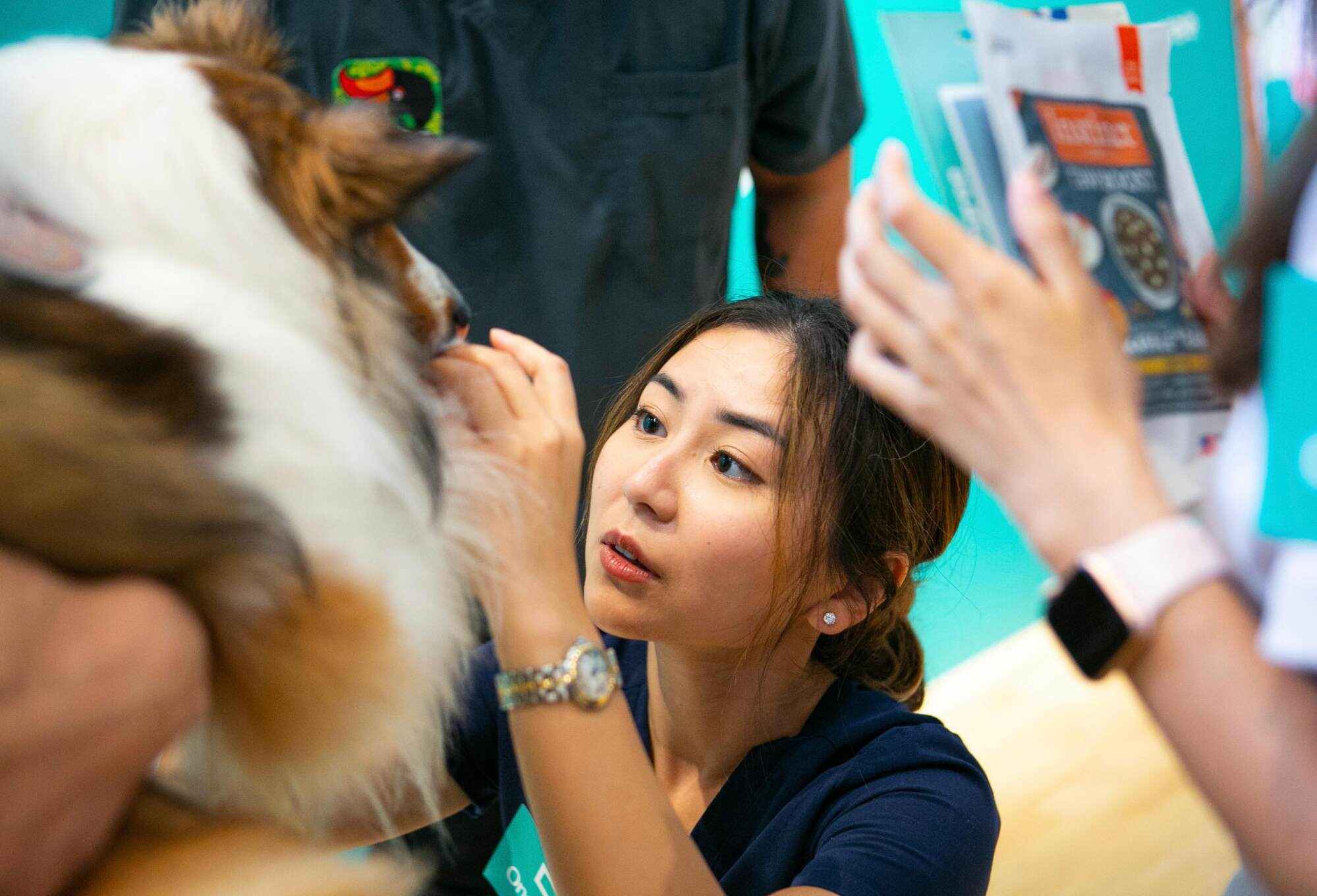
We spoke to Dr Angel Ngo, a veterinarian, to learn why neutering is so important. Ngo is also the founder of Once And For All, a social enterprise that ensures all animals receive the care they need in homes, shelters and even the wild.
What is neutering?
Neutering is the term for any surgical procedure that removes an animal’s reproductive organs. It is sometimes referred to as desexing or fixing. It sterilises the animal, meaning the animal cannot have babies. The surgery for males is called castration. The surgery for females is called spaying.
Why is neutering important?
A female cat or dog that is not neutered is at a higher risk of developing a life-threatening illness in their mammary gland or uterus. For example, they could grow a tumour or catch a severe infection. Neutered pets usually live longer, safer lives. In some countries, sterilising animals can reduce the spread of diseases like rabies, protecting other animals and humans.
Neutering can also minimise unwanted behaviour. For example, when female cats are in heat, they often meow loudly to attract a male cat. They may become more aggressive and try to leave their homes in search of a partner. They may even fight other female cats.
Unneutered adult cats may also refuse to urinate in a litter tray. This is because their urine emits a special scent called a pheromone that helps attract a mate.
Sterilising pets lowers the number of strays. In five years, a pair of healthy cats could lead to up to 12,288 offspring. This number includes all the possible kittens of the initial pairs’ litters.
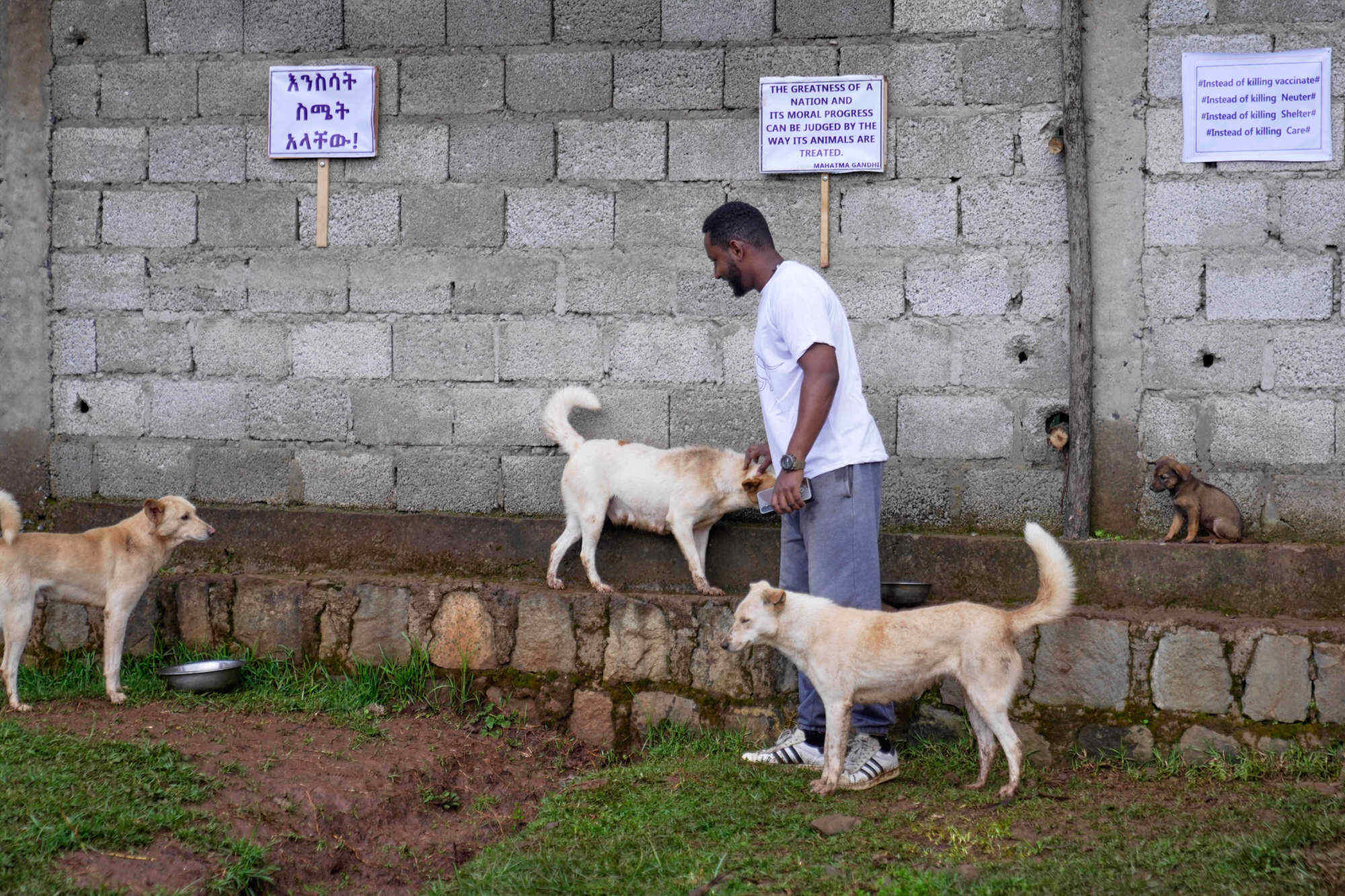
But many domesticated animals without a home do not reach adulthood in the wild. They usually do not have enough food and it becomes easier for them to get ill or injured. That means fewer sick and starving animals on the streets.
When should you neuter a pet?
It is important to time it right. Recent studies show that there could be problems if you neuter an animal when it is too young. For certain breeds, this could increase the risk of health issues such as joint diseases and cancers.
For example, golden retrievers and Labrador retrievers that are neutered before they are one year old tend to have up to four times the risk of joint disorders.
Sterilisation plans will depend on a pet’s breed, age and other factors. The latest research suggests waiting before sterilising to help the animal’s long-term health.
But many programmes will prioritise neutering stray animals as soon as possible to help control the population. It is best to talk to a veterinarian to decide on the right time.
The most important thing to do is to learn to recognise signs of poor health in a pet. Spotting common signs of illness early will give your pet the best chance of a long, healthy life.
Dr Angel Ngo is a veterinarian and the founder of Once And For All, a social enterprise that ensures all animals receive the care they need in homes, shelters and even the wild