Content provided by British Council
Read the following text and answer the quiz below.
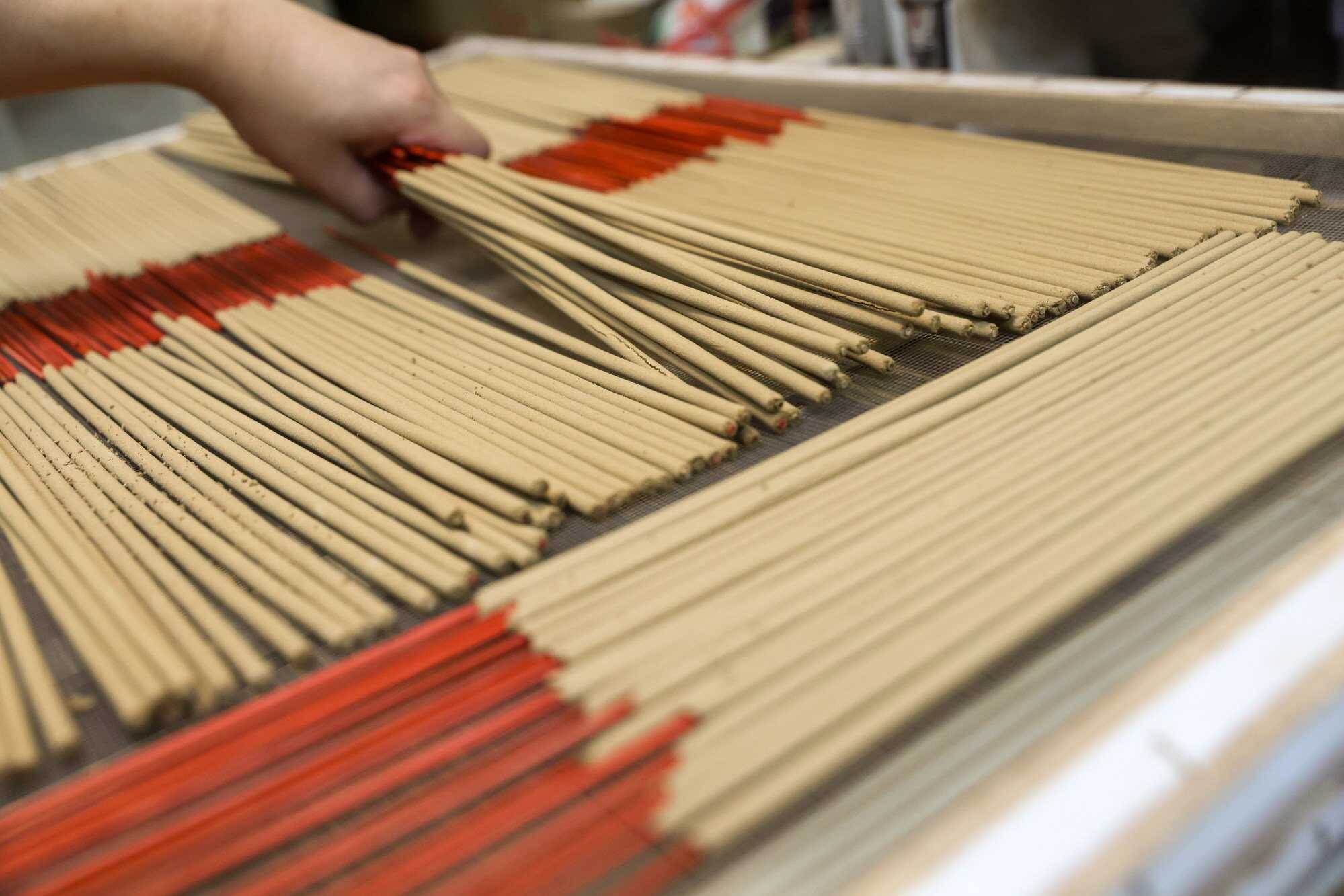
[1] Hong Kong incense master Aaron Tang Ho-chuen scoops up chunks of agarwood and breathes in their rich, smoky scent. “Agarwood creates a sense of calm, making it perfect for peaceful activities like meditation and yoga,” says Tang, the founder of the Hong Kong Incense Company, which makes incense with natural ingredients using traditional recipes.
[2] Agarwood – a dark, infection-fighting resin created when incense trees are cut or damaged – is highly sought-after for its use in traditional medicine, religious ceremonies, incense and perfumery. Sometimes called “black gold”, it is one of the world’s most expensive natural resources. But there is a dark side to the agarwood trade: its high value has created a multibillion-dollar illegal market that fuels the poaching of wild trees.
[3] Illegal harvesting goes against the spirit of traditional incense, says Tang. Sustainability is a vital element of the incense industry, and Tang wants to educate people about Hong Kong’s rich incense heritage, which took root when incense trees were planted in ancient villages during the Song and Ming dynasties.
[4] It is a noble mission, given the city’s strong connection to incense: the literal translation of Hong Kong from Cantonese, “fragrant harbour”, comes from the once-flourishing agarwood trade. “Not many people know that Hong Kong’s name has roots in the incense trade and that, from the 1940s to 1970s, the city was the main incense production hub,” Tang says. By the late 20th century, as manufacturing costs soared and younger people shunned low-paying, labour-intensive work, Hong Kong’s incense factories relocated to mainland China.
[5] Today, the city’s focus is on conserving the endangered incense tree, which is threatened by poaching and illegal logging. Native to Hong Kong and South China, the species is listed as “vulnerable” by the International Union for Conservation of Nature (IUCN).
[6] According to the Convention on International Trade in Endangered Species of Wild Fauna and Flora (CITES), anyone who imports an endangered species into Hong Kong without a licence faces a fine of up to HK$10 million and 10 years’ imprisonment. The felling of incense trees on government land in Hong Kong without permission carries a maximum fine of HK$25,000 and a year in prison, while the Agriculture, Fisheries and Conservation Department (AFCD) has a task force that patrols wild tree hotspots.
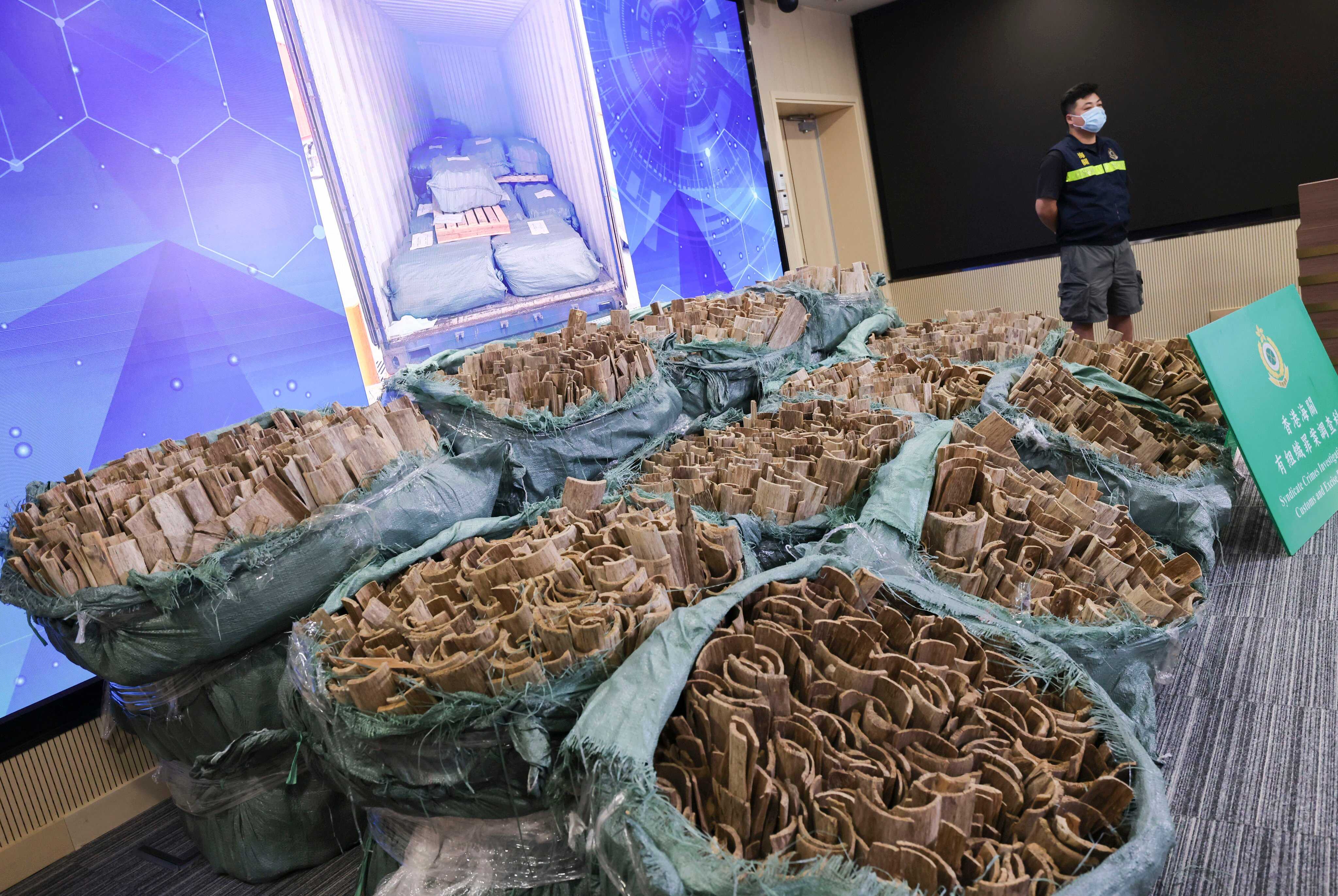
[7] Still, illegal harvesting continues to feed a trade that is growing in scale. On September 25 last year, Hong Kong Customs seized agarwood worth HK$18 million. Tang wants the incense industry to get more government support. “We need to preserve traditional incense culture and strive to promote it as intangible cultural heritage. We cannot let Hong Kong become a place without fragrance,” says Tang, adding that burning incense has played a vital role in Chinese culture for a long time.
Source: South China Morning Post, October 30