Content provided by British Council
Read the following text and answer the quiz below.
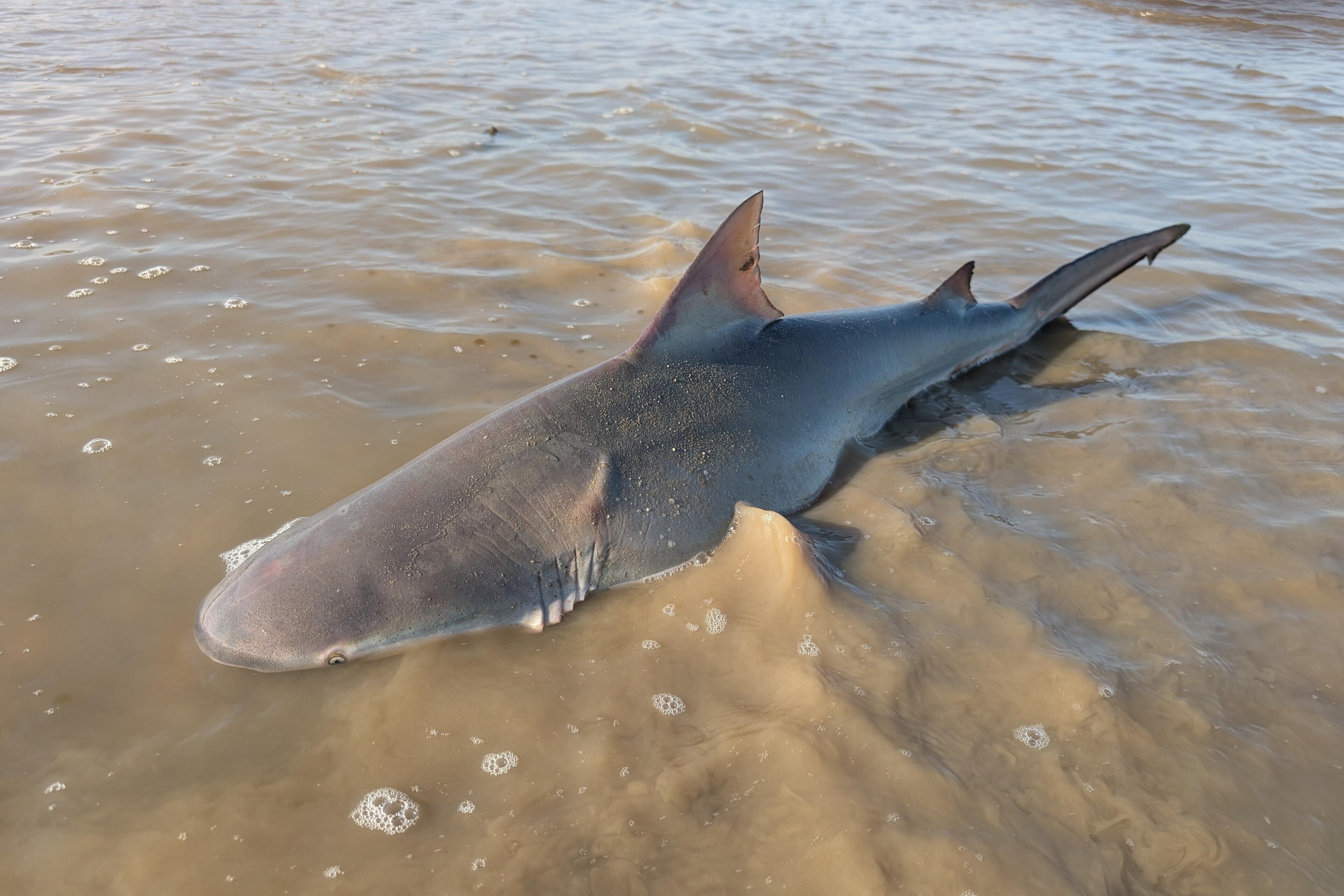
[1] In November, a bull shark was found stranded in the mudflats of Pak Nai in Hong Kong. Authorities and residents quickly rescued the animal. The sighting was positive news for the city’s marine ecosystem, a marine scientist said.
[2] Khan Cheung is a PhD student at the University of Hong Kong’s (HKU) school of biological sciences. He was involved in the rescue, saying he and several colleagues were carrying out research on the mudflats when they spotted a woman in the area struggling to drag an object towards the sea.
[3] “When we got here, there was a woman who we thought was helping to pick up trash in the area … then we saw that she was trying to get our attention while dragging something,” he said. “We later discovered that she was trying to drag a shark. She told us that it had been stuck in some fishing nets by the shore … I stepped in to help push it back into the ocean.”
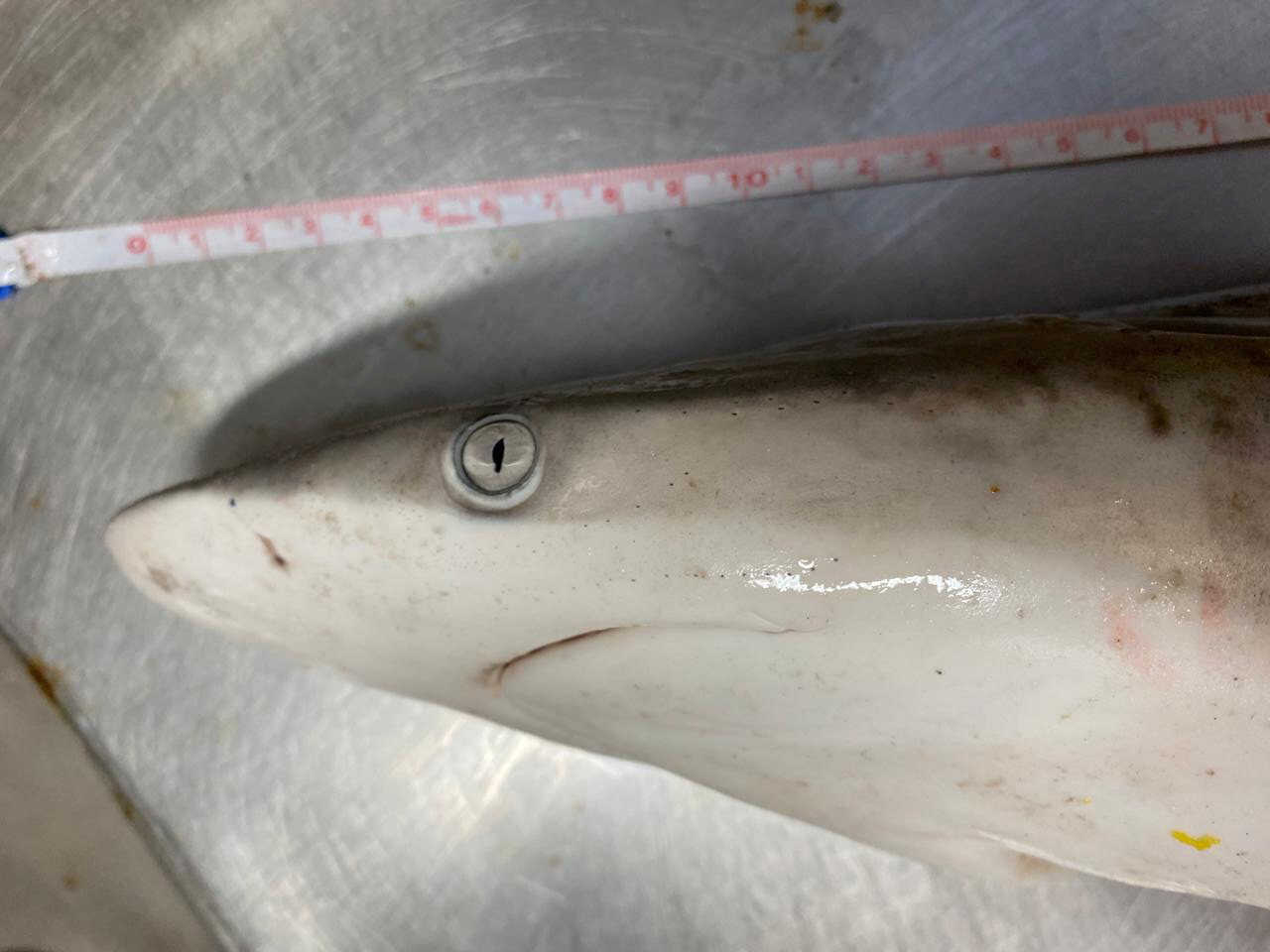
[4] The PhD student called the Agriculture, Fisheries and Conservation Department, whose rescue team arrived to help. Professor David Baker, interim director of HKU’s Swire Institute of Marine Science, identified the one-metre-long animal as a bull shark of about a year old. He said the presence of the creature was “fantastic news” for the city.
[5] “Most of the large fish that we had in Hong Kong were removed over the past century due to industrial and local artisanal fisheries,” Baker said. “The government passed a trawling ban in 2013, marking the end of a very destructive fishing practice. Over the 12 years since the trawl ban was implemented, that period of time has been a recovery period for our local [marine] environment.” Baker said the presence of a bull shark in Pak Nai was “a very positive development”, suggesting that nature was recovering from “centuries of abuse”.
[6] It was unclear how the bull shark got stranded. One reason could have been exposure to or ingestion of toxins from a harmful algal bloom, leaving the animal disoriented, Baker said. He added that it was difficult to assess the animal’s rarity in Hong Kong but did not find the sighting surprising, as the species could be found in many different parts of the ocean and was well suited to estuaries, where freshwater mixes with saltwater from the open sea.
[7] “Bull sharks can actually survive in fresh water. They are known to swim great distances up rivers into freshwater areas,” the professor said. “They are an extremely resilient species, and they function as a top predator in the ecosystem, which is why their presence is really important evidence that our ecosystems are coming back to balance.”
[8] Baker said the bull shark found in Pak Nai was probably an older juvenile. The largest animal of this species can reach almost three metres in length. He added that the appearance of a juvenile shark also suggested that the species was reproducing in the region – another positive sign of nature’s recovery.
Source: South China Morning Post, November 26