Every week, Talking Points gives you a worksheet to practise your reading comprehension with exercises about the story we’ve written.
Daniel Chan King-lok’s coursework usually focuses on business and economics, but last semester, he had the chance to channel his love for his grandmother through writing song lyrics.
The 19-year-old is studying hospitality and management at Hong Kong Metropolitan University. His school’s first Cantonese lyric-writing course gave him a chance to explore his love of music.
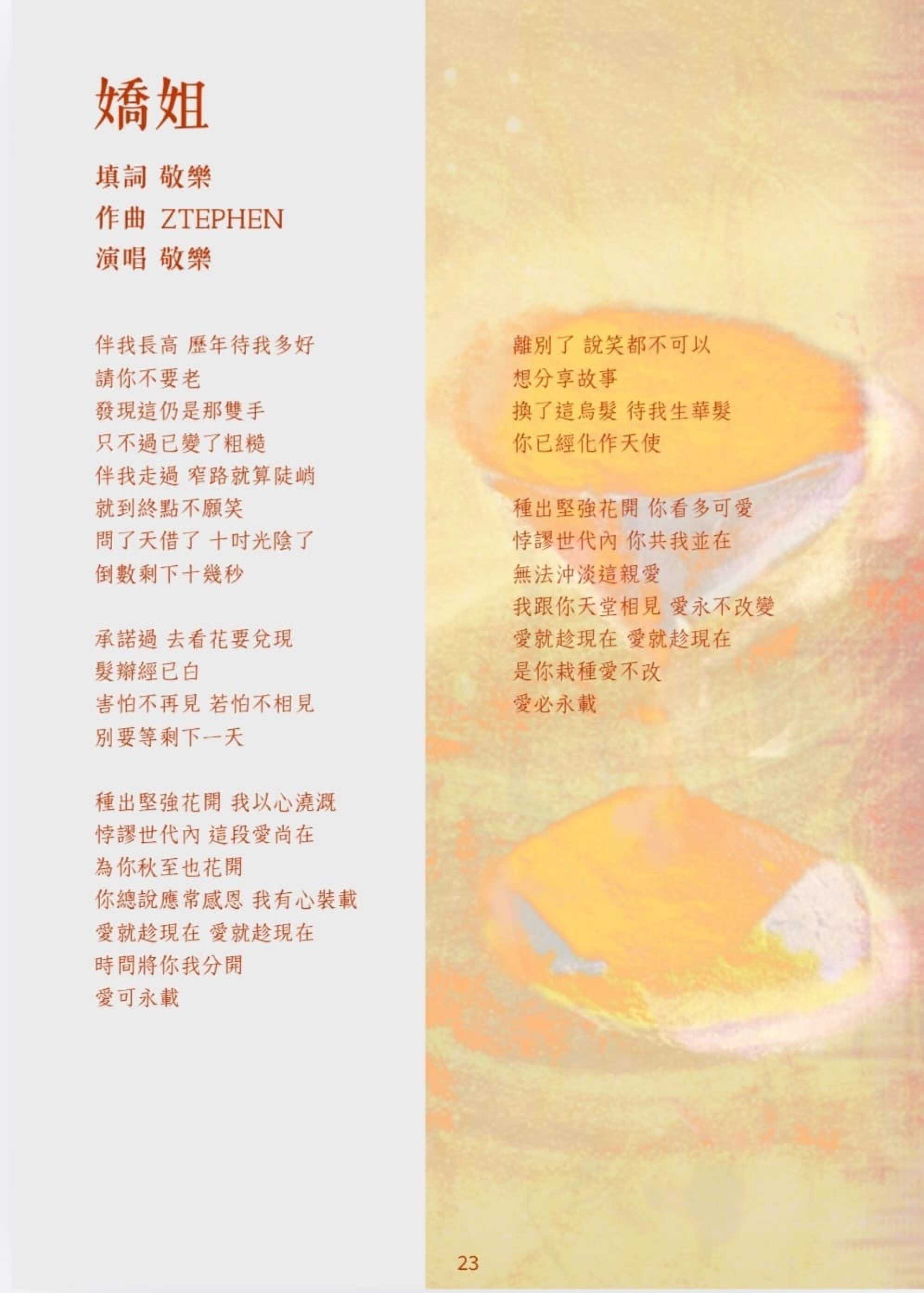
Under the guidance of award-winning lyricist Chow Yiu-fai, Chan wrote the lyrics for a song that reflected on ageing, family love and the passing of time. He named it “Kiu Je (嬌姐)” – his grandmother’s nickname.
“My grandmother is getting older. She raised me and took care of me, but now her memory is failing … She may not have much time left. So, I wrote about not wanting to let her go,” Chan said.
Turning family memories into a song
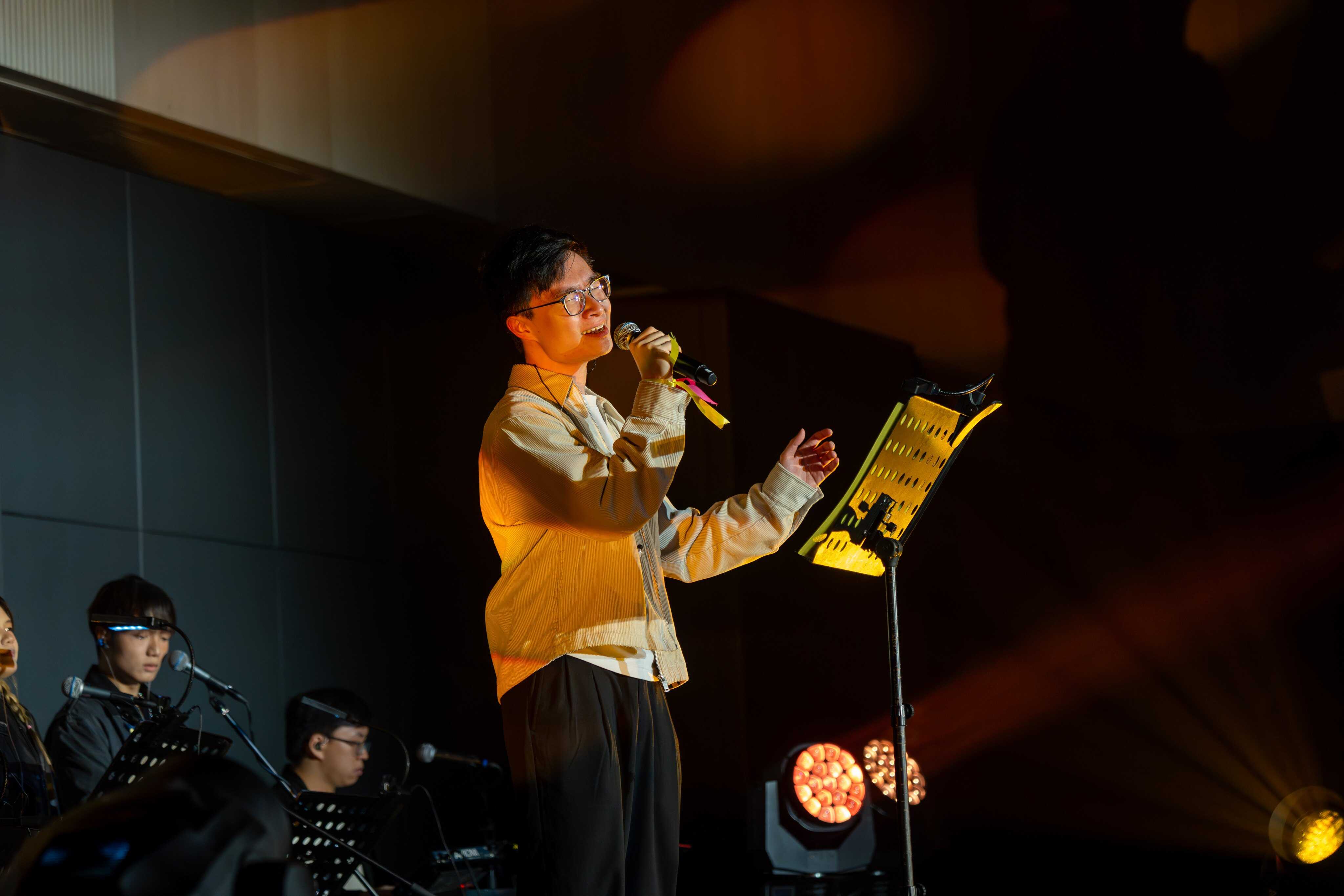
As part of their final assignment, students in the lyrics course organised a mini-concert in March, focused on the theme, “How Much Time Do We Have Left?”
The 19 students interviewed people around them, capturing their stories through Cantonese lyrics.
Originally, Chan planned to write about his friends’ romantic relationships for his final project. But Chow had heard Chan frequently share about his grandmother in class, and the professor suggested he write about her instead.
At first, Chan hesitated. “I thought it might be too personal,” he said. “I worried whether audiences would connect with it.” Still, he decided to try.
Chan explained that he was raised by his grandmother, who lived with him because his parents were busy with work. They share a deep bond.
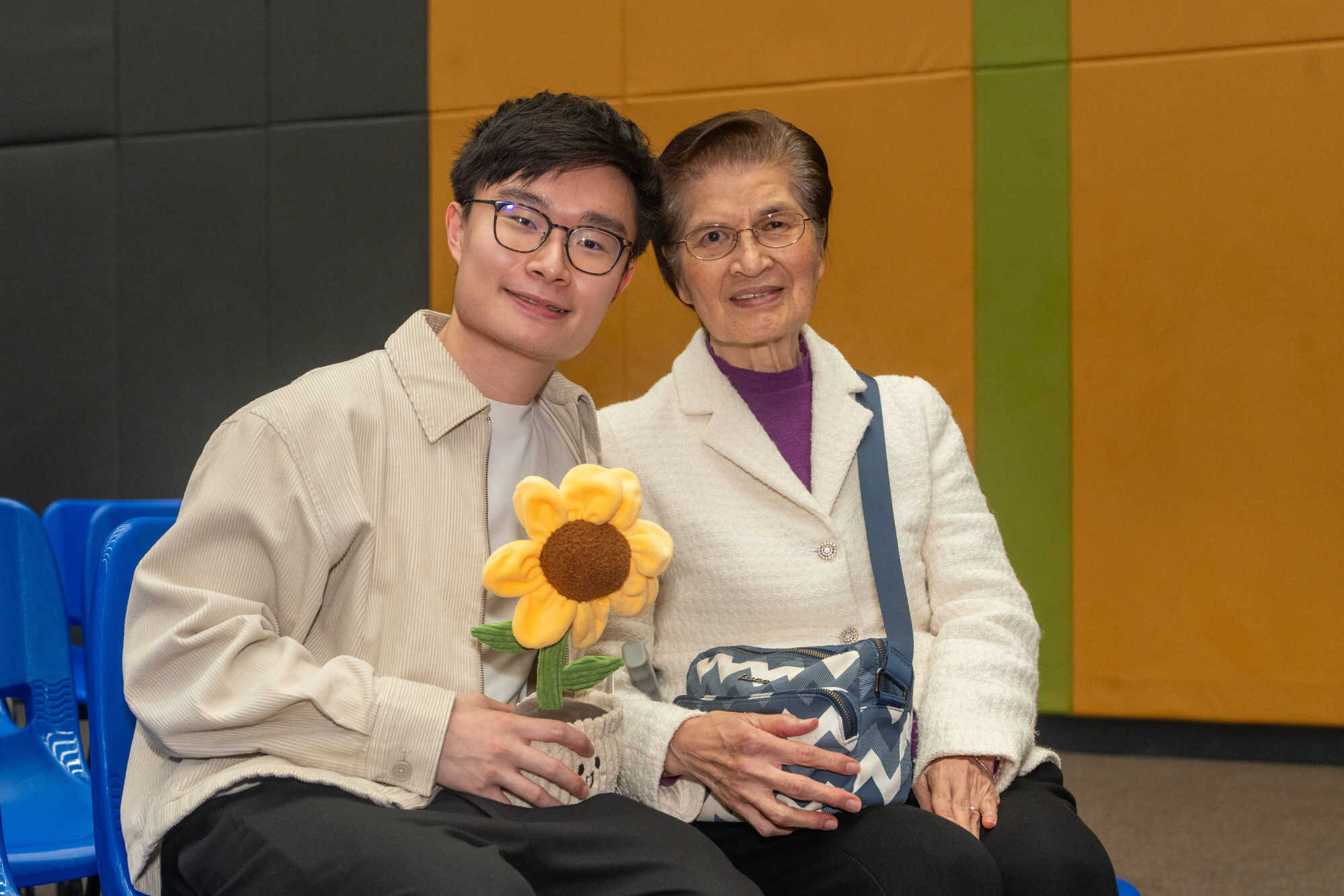
He described his grandmother as kind and optimistic, someone who enthusiastically greets neighbours and taught him to be grateful and sincere. These lessons have profoundly shaped his character.
Growing up in Tai Po, Chan also drew inspiration from his memories of Mid-Autumn Festival gatherings with relatives and cousins in the community. Over the years, he noticed those gatherings became smaller as people emigrated and familiar places changed.
The fire at Wang Fuk Court also occurred while Chan was writing the song, prompting him to reflect on his life.
“[I realised there could be] a sudden accident, and your family member could be gone just like that,” he said. “By the time you really lose them, it’s too late for regrets.”
Chan’s biggest challenge was fitting all sorts of deep emotions into one song.
“At first, I cared too much about rhyme and technical structure,” he said. “But Mr Chow taught us that meaning is more important than making everything mechanically perfect.”
When it came time for the final performance, his grandmother’s reaction showed him that the technical aspects of a song mattered less than the emotions it expressed.
“I couldn’t see her from the stage, but later I learned that some of my classmates went to interview her during the short break … She was very moved, and almost cried,” Chan said.
“I was very happy and touched as well. She really felt what I wanted to express.”
Observing the world differently
Chan’s professor, Chow, applied an experiential approach to teach the students. Rather than focusing solely on technical skills such as rhyme and structure, he encouraged students to experience life more deeply and to pay closer attention to everyday details.
At the start of each lesson, students shared interesting experiences from the week. One exercise asked students to sit in complete darkness and write about their feelings. Another required them to ride public transport without looking at their phones or listening to music.
To Chan, the course meant more than lyric writing.
“The biggest gain is that it encouraged me to observe more and try more,” Chan said, adding that he didn’t join many activities or try new things in secondary school.
“[Chow] reminded me to try more and not to immediately think something can’t be done.”
Although Chan does not plan to pursue songwriting commercially, he hopes to continue writing lyrics and collaborating with friends in the future.
To Chan, the message behind “Kiu Je” matters most. He pointed to his favourite lines from the song, which translate to “Love while you can, love while you can. The love you planted never changes.”
“In busy city life, people don’t spend much time at home. Sometimes you might be angry or irritable from work or school,” he said. “We might assume our family members understand us, they should forgive us, they know we love them.”
“But sometimes they still need to hear it. Don’t wait until it’s too late.”