Technology can be an important tool in our fight to protect the environment. For example, apps can teach people to improve their recycling habits, and artificial intelligence (AI) can track deforestation.
However, this role can be complicated. Some forms of technology also add to our planet’s problems.
For example, training generative AI models like ChatGPT requires a lot of energy and water. A study by KnownHost revealed that ChatGPT alone emits nearly 261,000kg of carbon dioxide every month – this is the same as 260 flights from New York to London.
That is why it is wasteful to send unnecessary requests to AI chatbots. As the CEO behind ChatGPT, Sam Altman, noted in a social media post that adding polite phrases like “please” to queries can cost millions of dollars in extra electricity.
This shows a vital lesson: technology’s environmental impact depends on how we design and use it.
An easy guide to computational and design thinking
Student projects use tech for good
Hong Kong youth are designing tech to tackle climate challenges through Preface’s annual Innovation Challenge.
Preface CEO Tommie Lo said: “We invest in youth because they reimagine solutions with fresh perspectives.”
Here are two standout projects from last year’s competition that show how small innovations can benefit our planet.
1. A platform for change
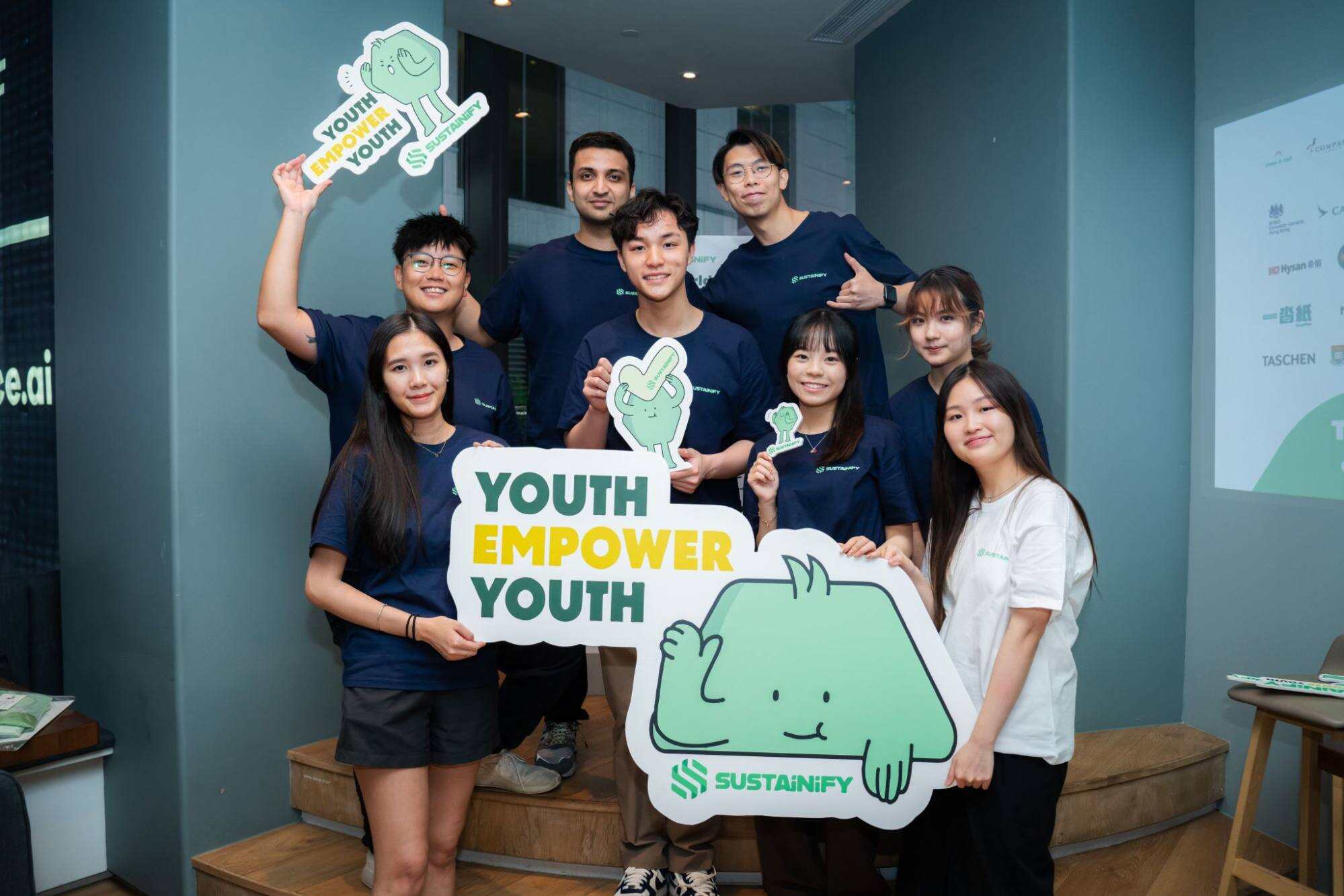
Boris Lo developed Sustainify to connect youth with educational tools, partnership networks and impact-tracking features. In six months, the app encouraged students to do more than 150 service hours, supported 2,400 users, and raised HK$780,000 for underserved communities. The app has even garnered support from Unesco. This proves that tech can turn passion into action.
“Sustainify’s value lies in the youth behind it – their spirit and resolve to drive change,” said Boris, who is now 17.
2. Smart recycling bin
When people put the wrong items in a recycling bin, this contaminates all the other things inside, sending them to landfills.
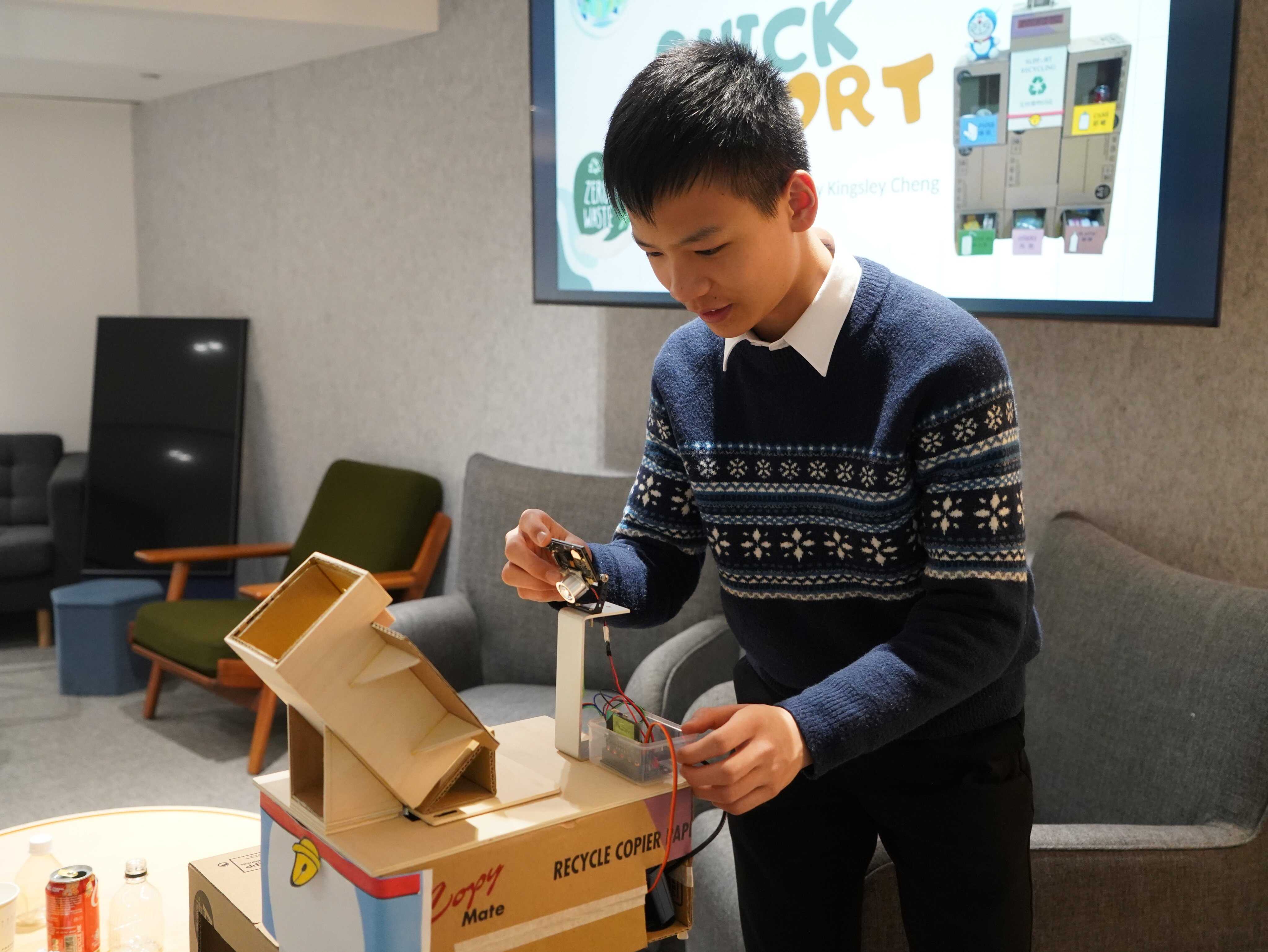
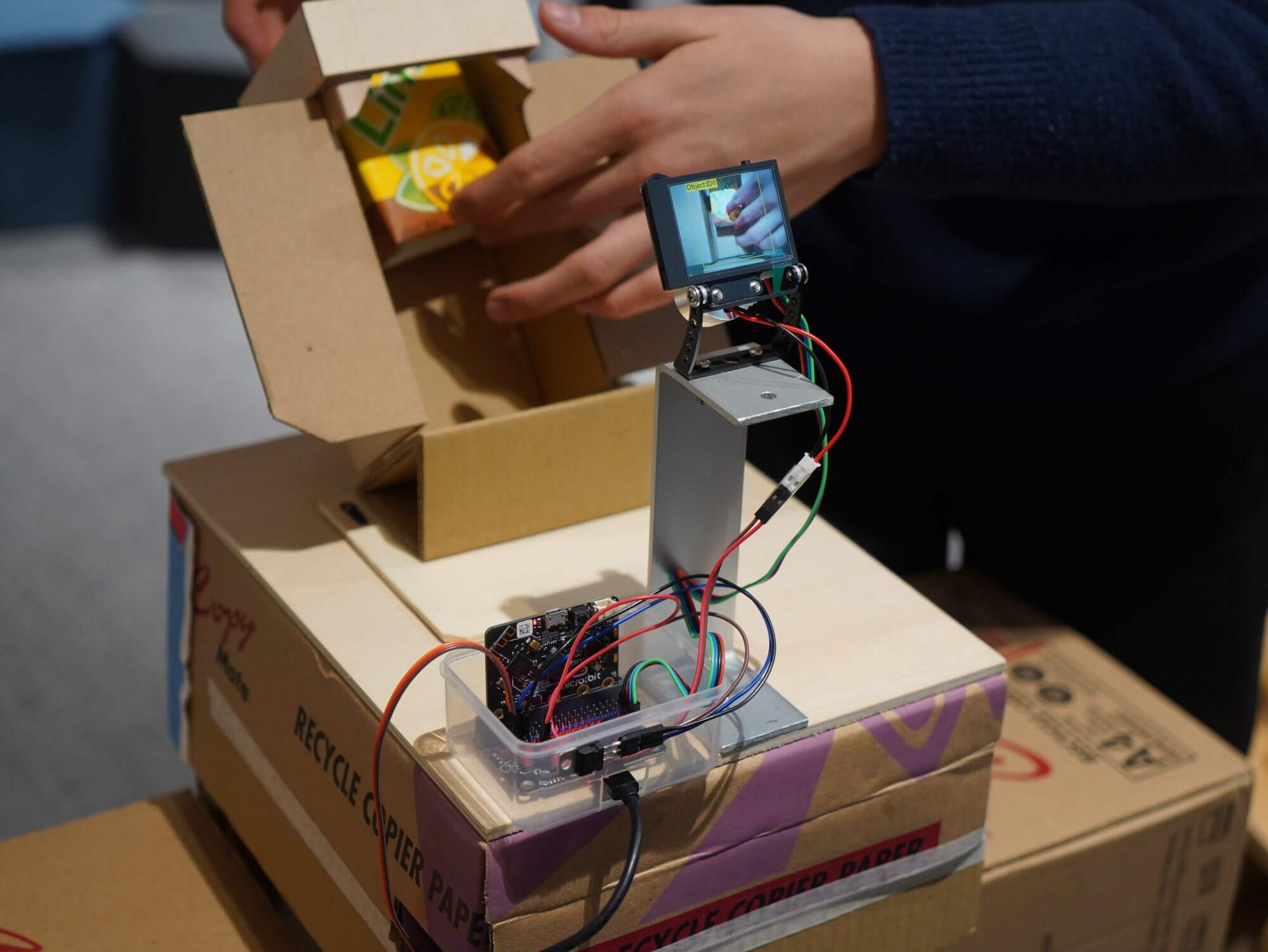
Kingsley Cheng, who is now 13, designed an AI-powered bin that uses a camera to identify materials such as plastic, glass and paper before sorting waste into the correct bins.
His product was one of the winners at Preface’s 2024 Nomad Awards Tech Competition. Hopefully, this idea will become real in the near future.
Your invention could change the world
Innovation isn’t just about scale; it is about intention. By designing tech for the planet, these young minds show how innovation thrives when there are good intentions behind it.
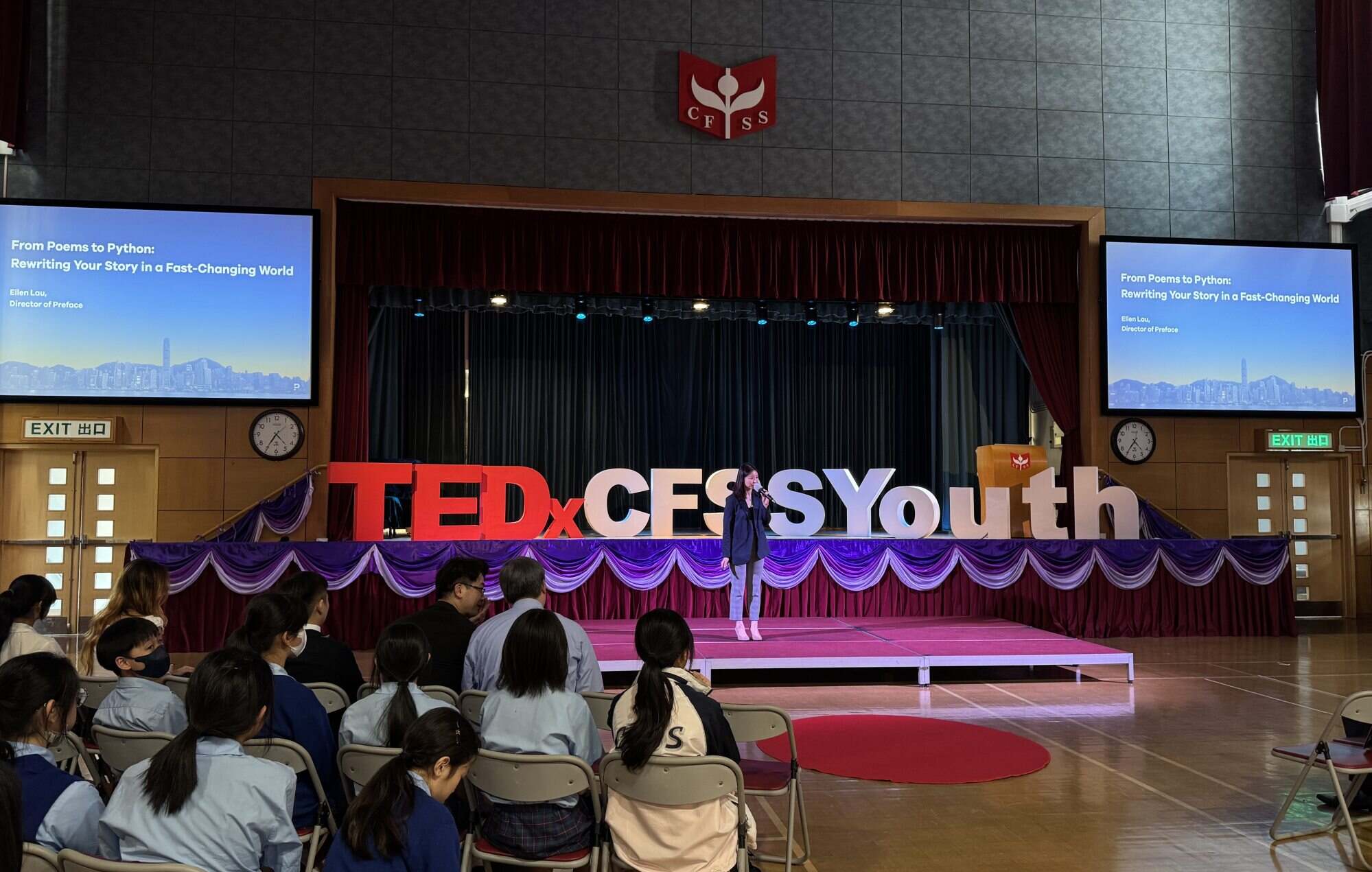
At a TEDx Talk event, Ellen Lau, Preface’s director, said: “In a world where 65 per cent of future jobs don’t even exist yet, it’s important to embrace change and find joy in the process.”
Every line of code, every prototype, and every idea can contribute to a greener future.
Sponsored by