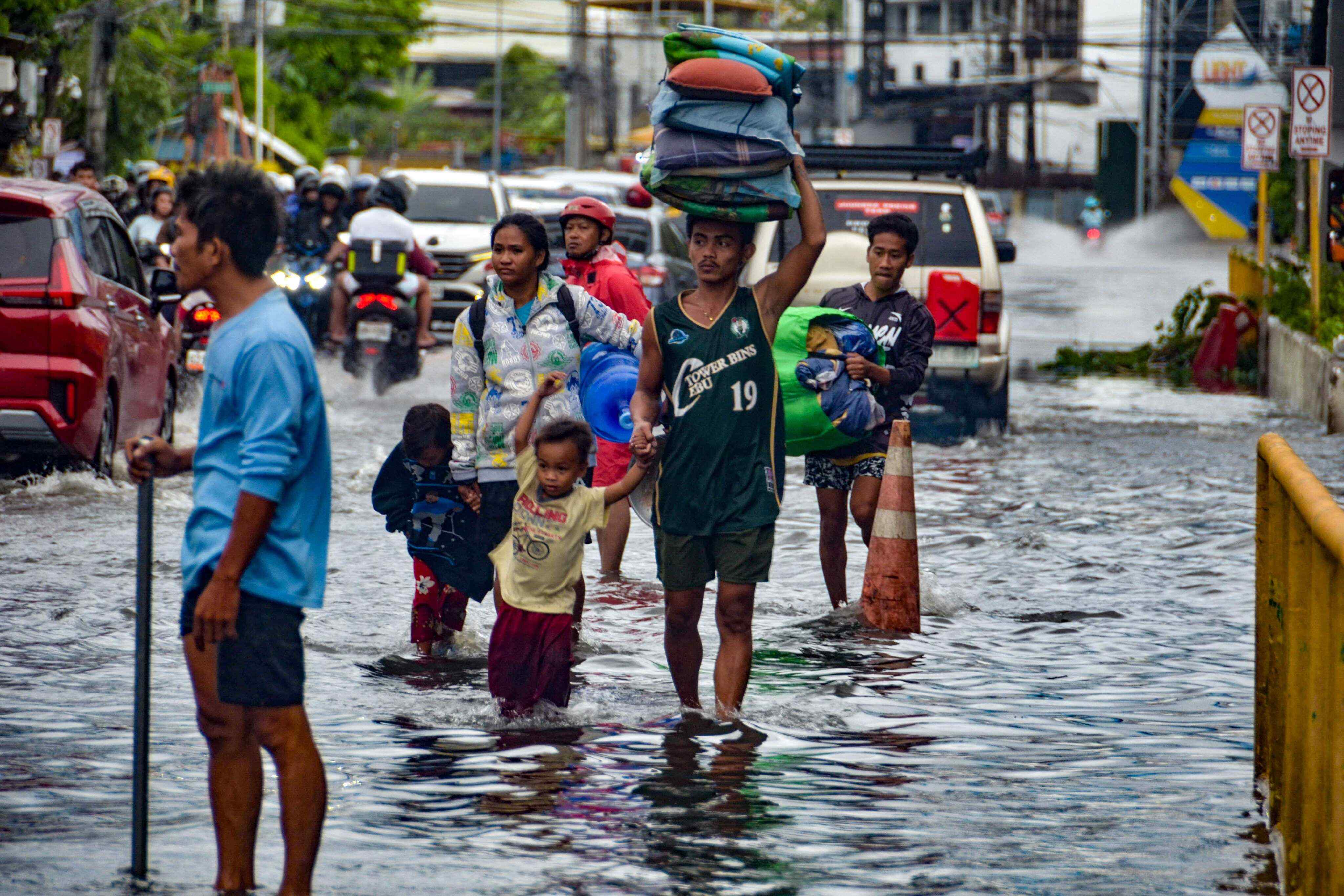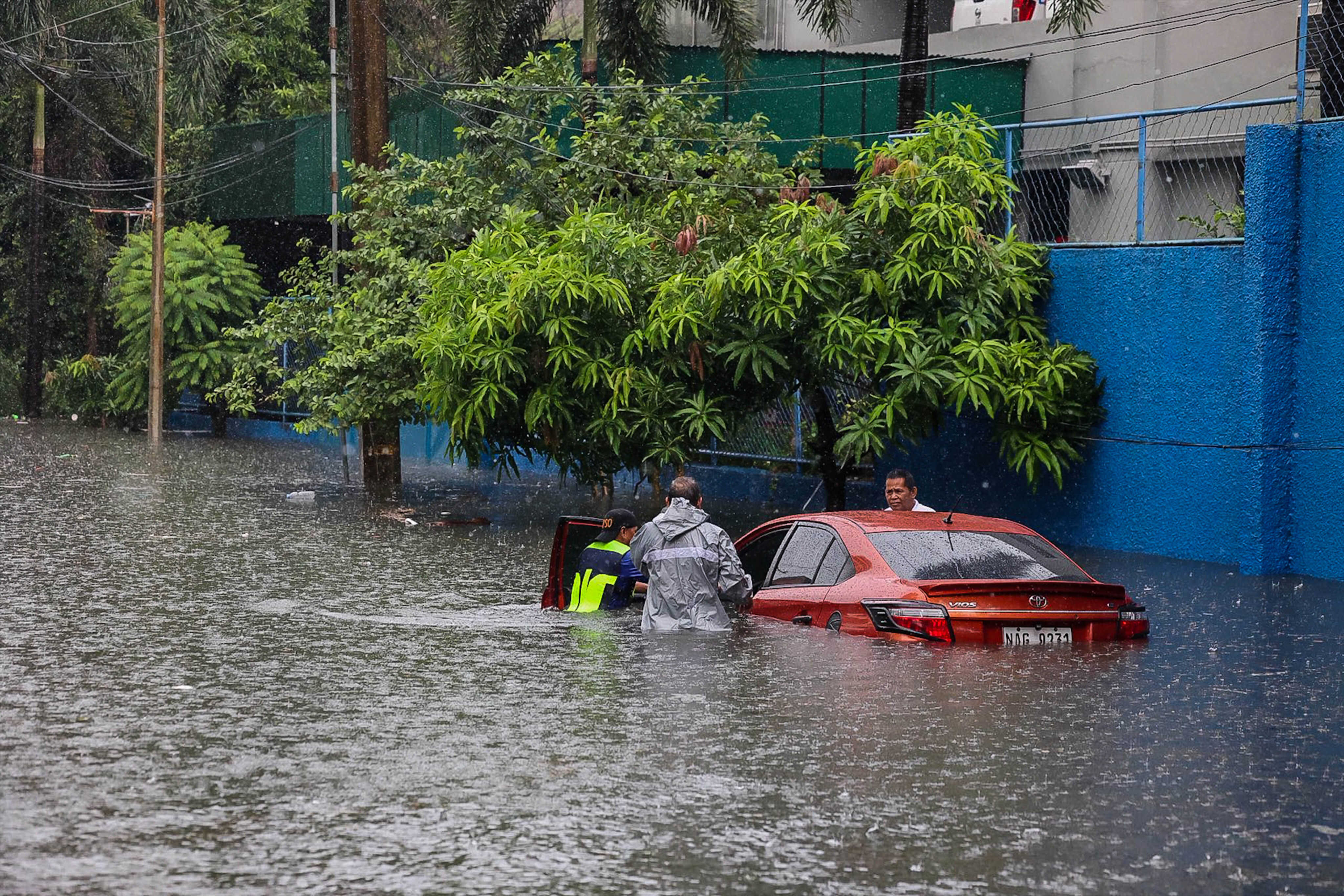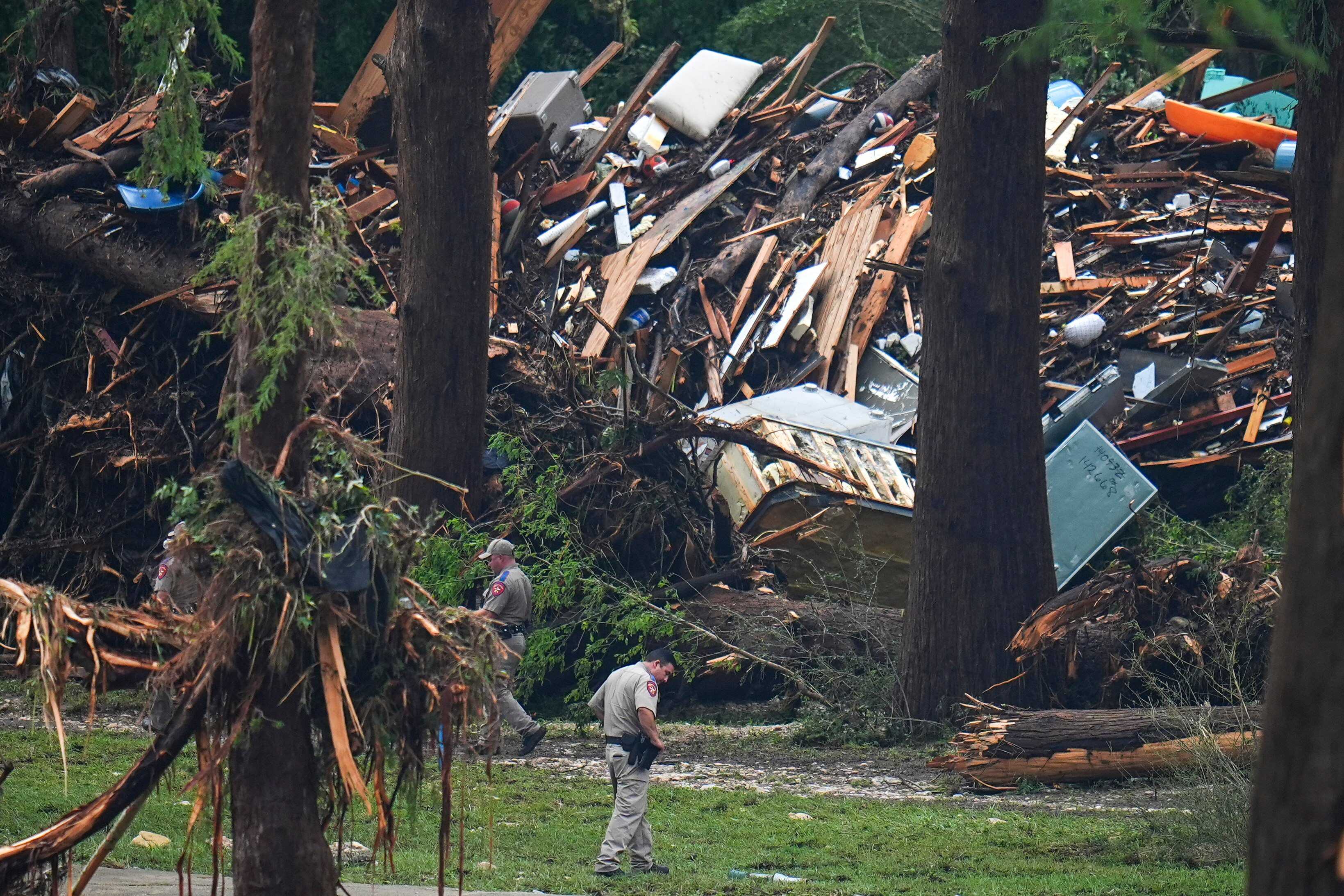
Hundreds of thousands of people have been displaced by deadly floods sweeping across Thailand and Vietnam, a crisis that has killed scores and stranded entire communities.
The late-season monsoon surge, combined with fragile flood-management systems, has overwhelmed towns and cities from southern Thailand to Vietnam’s central coast, with Malaysia bracing itself for its turn as the severe weather moved south.
Vast stretches of central and southern Thailand were under water after days of relentless rain breached riverbanks and forced authorities to release water from swollen dams.
Hat Yai, a major southern city in Thailand’s Songkhla province, was declared a disaster zone on Monday. It followed several grim days that saw tens of thousands evacuated from their homes, roads and rail links cut, and power shortages as electricity poles were devoured by the surging, muddy torrent that had taken over the city centre.
Panicked relatives had been unable to contact loved ones left behind without electricity or fresh food for three days in submerged Hat Yai, a popular getaway for Malaysian tourists.
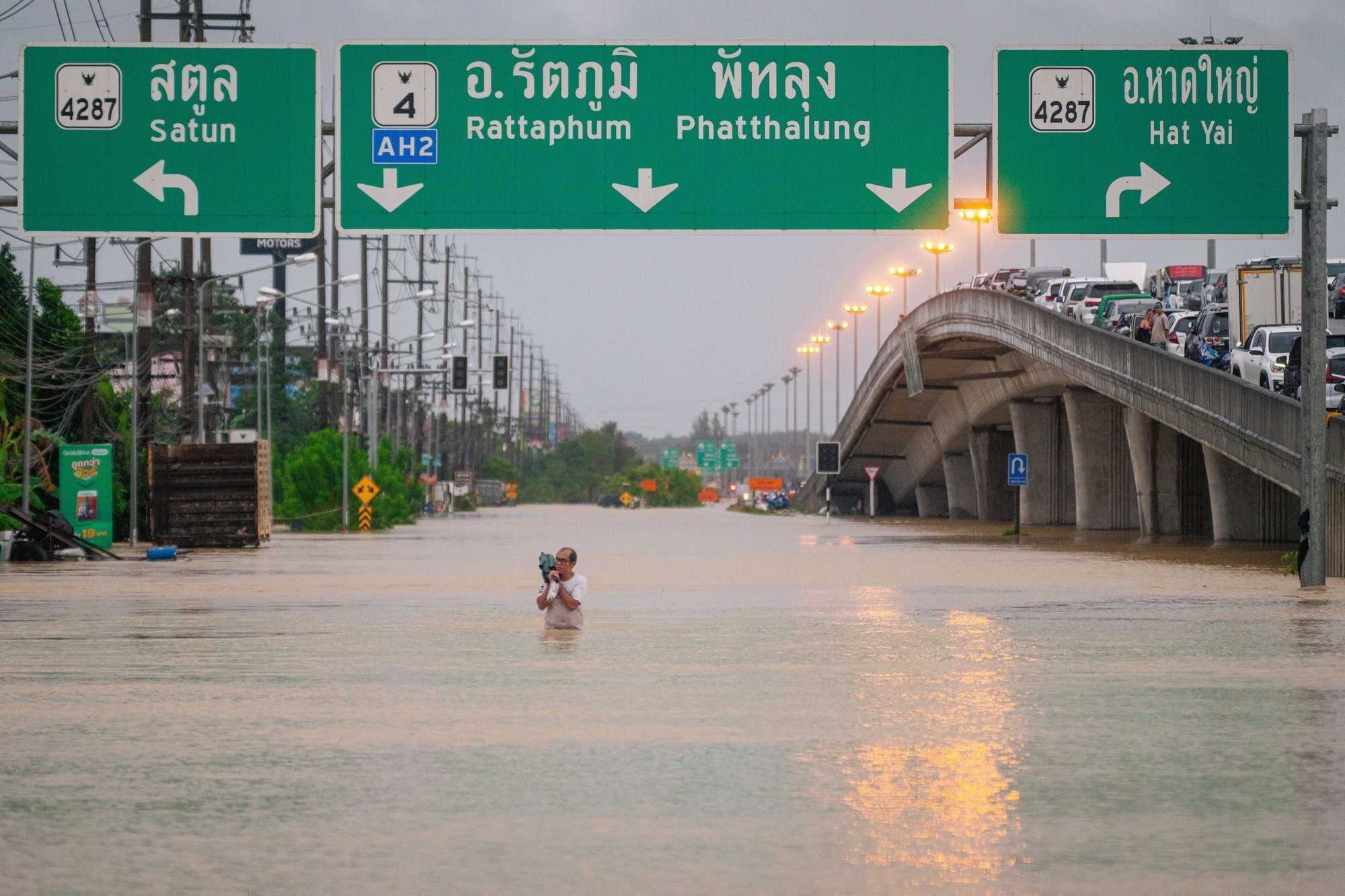
“This is the worst we have ever experienced,” said Choom, a Hat Yai Airbnb owner requesting to go by a nickname. “It’s been flood after flood. You can say it is climate change, but the lack of systematic flood management is just as much to blame,” he said, reflecting mounting anger at the failure to handle the annual flood scourge.
With waters rising dangerously late on Monday, the governor of Songkhla province ordered the entire Hat Yai district evacuated – a zone home to hundreds of thousands of people.
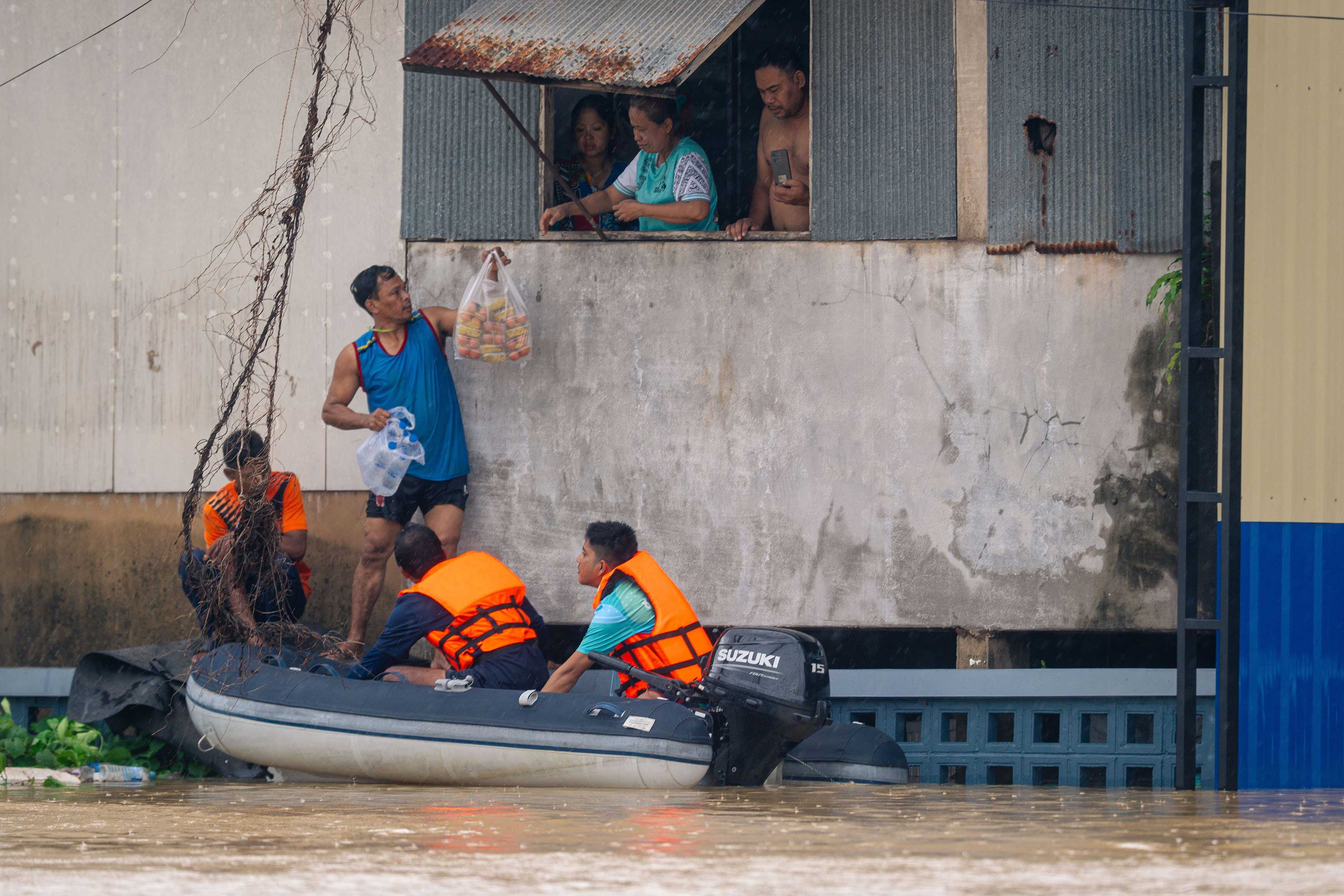
Military flat-bottomed boats were deployed to help a rescue mission of people trapped on roofs, some for nearly 24 hours.
Further south, near the Thai border with Malaysia, viral videos have shown flash floods sweeping away homes in Yala and reaching rooftops in parts of Pattani province as rescuers battle to get the young, old and disabled to safety in boats.
Meteorologists had warned that this year's La Niña, a Pacific Ocean climate phenomenon that brings higher-than-normal rainfall to Southeast Asia, risked causing serious flooding in the region.
In the centre of Thailand, that reality has been lived by some districts for more than four months, as bulging dams have been opened, turning their communities into overspill areas to protect Bangkok. Some stupas – domed buildings – in Ayutthaya’s ancient temples have been nearly submerged by the waters, hammering the city's tourism.
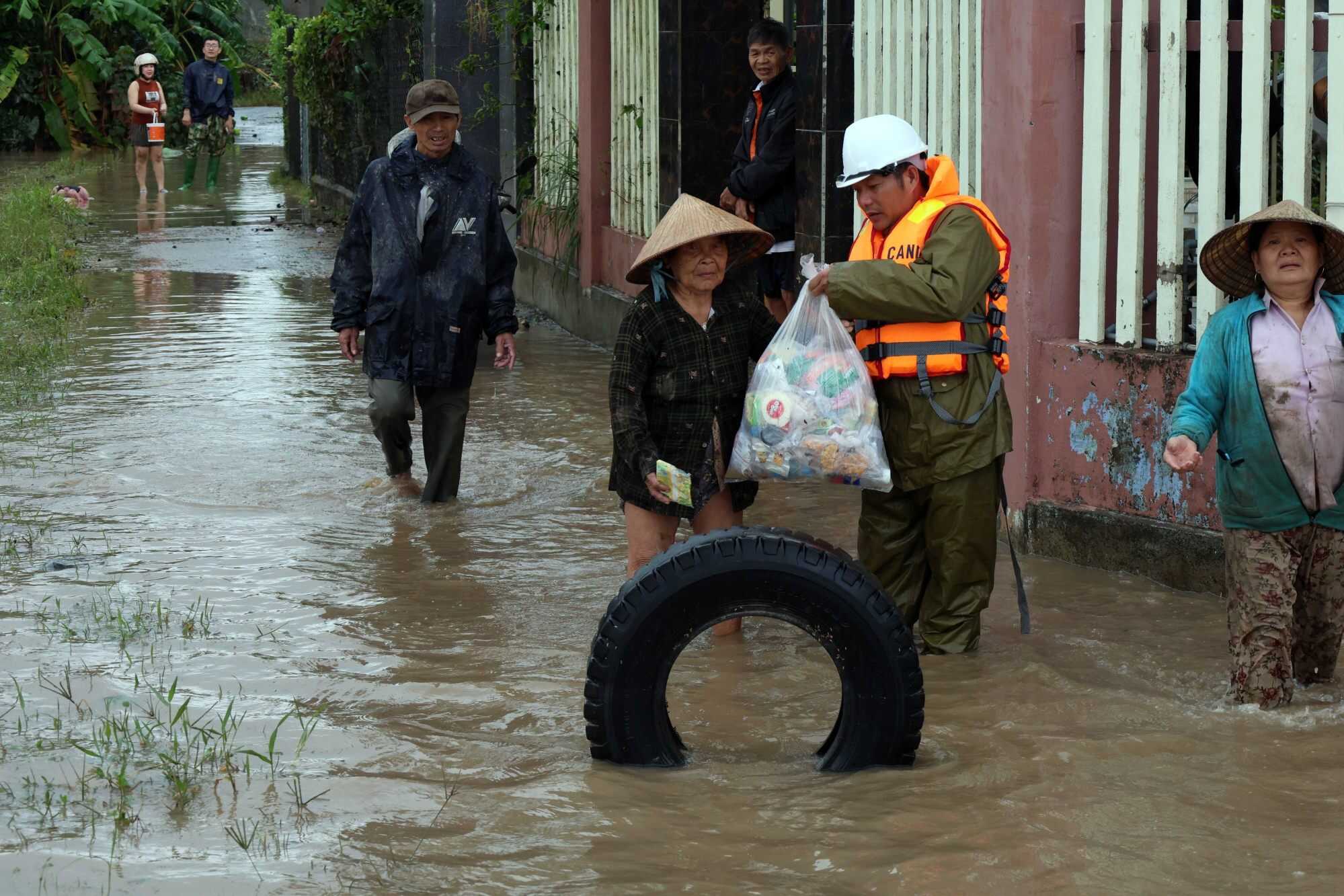
Vietnam, whose central belt was battered by back-to-back typhoons in October, has been hit hard by fresh floods, recording more than 90 deaths as tens of thousands of people have been evacuated from inundated homes.
That is in addition to the about 280 people killed in weather-related disasters between January and October. The economic damage has also been brutal, with the government estimating it will cost around US$1.4 billion to recover.
Emergency services in Malaysia evacuated more than 14,000 people across nine states as persistent rain since Sunday triggered landslides and left thousands of homes inundated with floodwaters. The northeastern state of Kelantan – which borders Thailand – was the worst hit, with nearly 9,700 people seeking refuge in temporary shelters as of Monday afternoon.