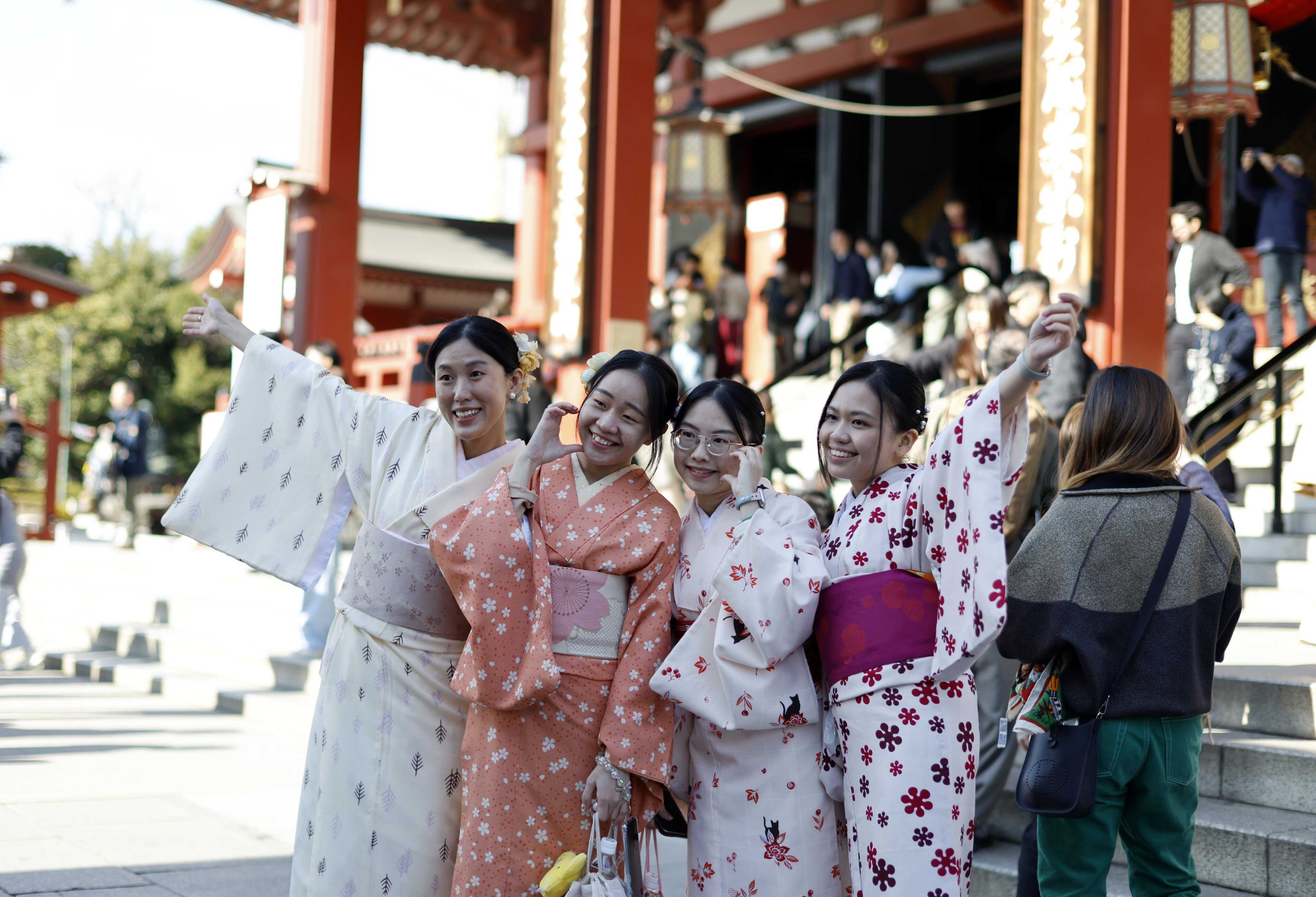
Japan’s government is considering requiring anyone applying for permanent residency to have reached a certain standard of Japanese-language proficiency and to undergo instruction on how to be a good citizen.
The proposals from the ruling Liberal Democratic Party, the major conservative and nationalist political party, have sparked a fierce debate online among Japanese and foreign residents.
Many insist it is a fair and reasonable commitment for anyone planning to live in the country long term. But others have accused Japan’s Prime Minister Sanae Takaichi of erecting additional barriers to immigration at a time when Japan needs more workers.
The Asahi newspaper quoted government sources as saying that the intention was to provide foreign residents with “fundamental societal knowledge, primarily language skills”.
Tentatively named the “social inclusion programme”, the new system is designed to prevent misunderstandings and clashes between foreign residents and local communities and “curb rising xenophobia”, according to the report published on Friday.
Provisions will also be made for children with limited Japanese language abilities before they enter local schools.
Swing to the right
The proposals are part of a wider re-examination of regulations covering foreign nationals settling in Japan – issues that have attracted greater public attention in recent years. They were also a key focus of the July general election.
Far-right parties, such as Sanseito and the Japan Conservative Party, campaigned against greater immigration and fared well in that election. Takaichi has also been moving her party to the right to reflect public attitudes.
At present, anyone applying for permanent residency must have lived in Japan for 10 years and have shown “good behaviour” and the ability to support themselves financially. They must also have paid taxes and contributed fully to the national health and pension systems. Language abilities are not currently a component.
If the government takes its discussions further, language tests could be introduced in reforms scheduled for April 2027.
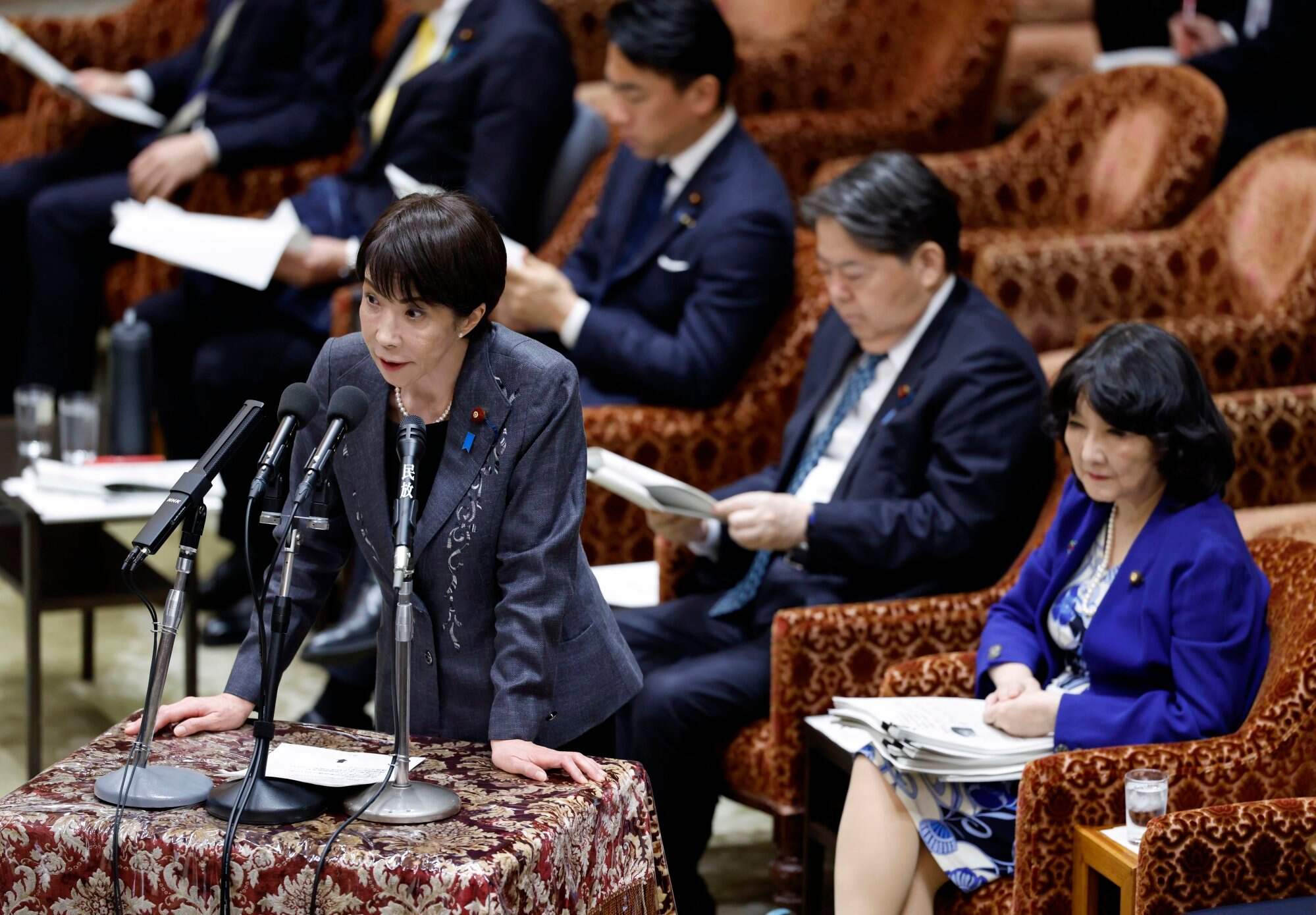
The government has pointed out that many other countries – including Australia, France, Germany, the UK and Nordic states – require proficiency in either the local language or English for permanent residency.
But in Japan, not everyone supports the idea.
“Will have to rethink my retirement. Japan is fast becoming a less and less desirable place to spend my twilight years,” read one post on the Japan Today web page. “This, despite spending the past three decades doing my best to fit in and contribute to society. Ethno-nationalism rules!”
“This is just another obstacle/roadblock thrown in the face of anyone thinking about living in Japan,” another said, adding that it would be fairer if the same requirement were imposed on Japanese seeking to move abroad.
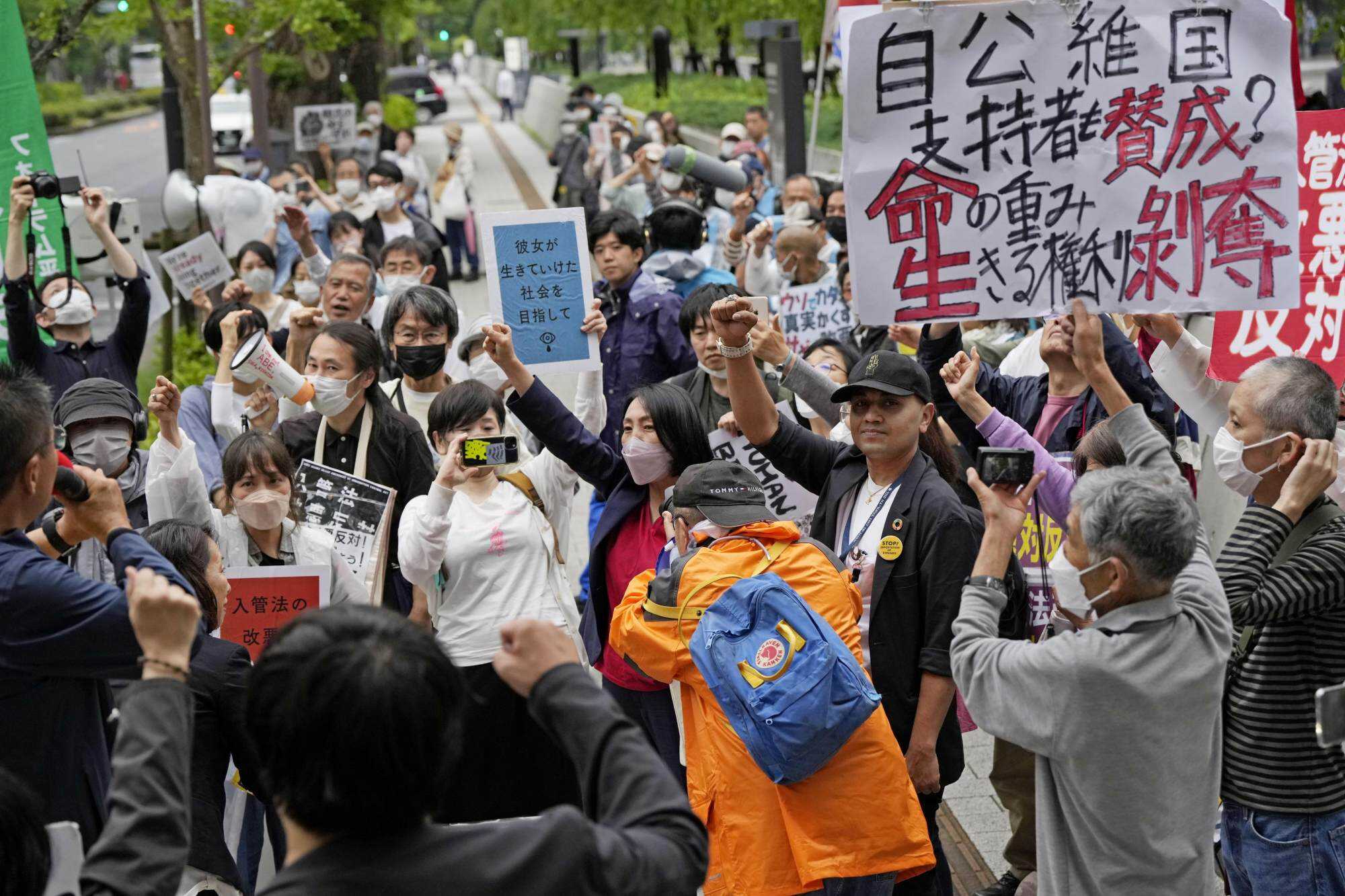
One described the move “as just one of many instances of pandering to xenophobes”, while others pointed out more practical hurdles, such as those working long hours finding it hard to take time to study or those in poorly paid jobs who do not have enough spare money to pay for classes.
Record numbers
According to government figures, there were a record 3.96 million foreigners living in Japan at the end of June, including 930,000 permanent residents.
Many online posters believe it is a fair requirement, with one message on Reddit saying: “This should be the case in every country. Someone looking to settle in a foreign country permanently should be able to speak the language as well as being able to read and write it.”
Another added: “A no-brainer. Not sure too many people would be upset at being required to speak the official language of the country you want to stay in long-term.”
Some Japanese, however, are conflicted on the issue.
“I am 50-50 on this. I can see why good Japanese skills would be necessary in a business environment, but they would not be very helpful for foreign workers in the agriculture or fisheries sectors,” said Makoto Watanabe, a professor of communications and media at Hokkaido Bunkyo University in Eniwa, Hokkaido.
“I also fear that adding new requirements is going to make people with skills that are important to the national economy – such as in specialist finance roles, technology and academia – think twice about coming to Japan. Arguably, these people do not need perfect Japanese to do their jobs, and making it mandatory could mean they look elsewhere.”
It is also ironic that Japan is planning to require foreign nationals to be fluent when a report earlier this month pointed out that English proficiency among the Japanese has slumped, leaving Japan in 96th place of the 123 nations surveyed.
Laos, Turkmenistan and Bhutan all fared better in the study, compiled annually by Swiss international education company EF Education First.
“It looks like Japan is failing when it comes to internationalisation but still requiring foreigners to take a Japanese test,” Watanabe said.