Days before the new year, authorities in the Philippines braced themselves for another familiar increase in injuries and deaths linked to fireworks. Every new year, Filipinos set off explosive celebrations that light up streets, backyards and skylines across the country.
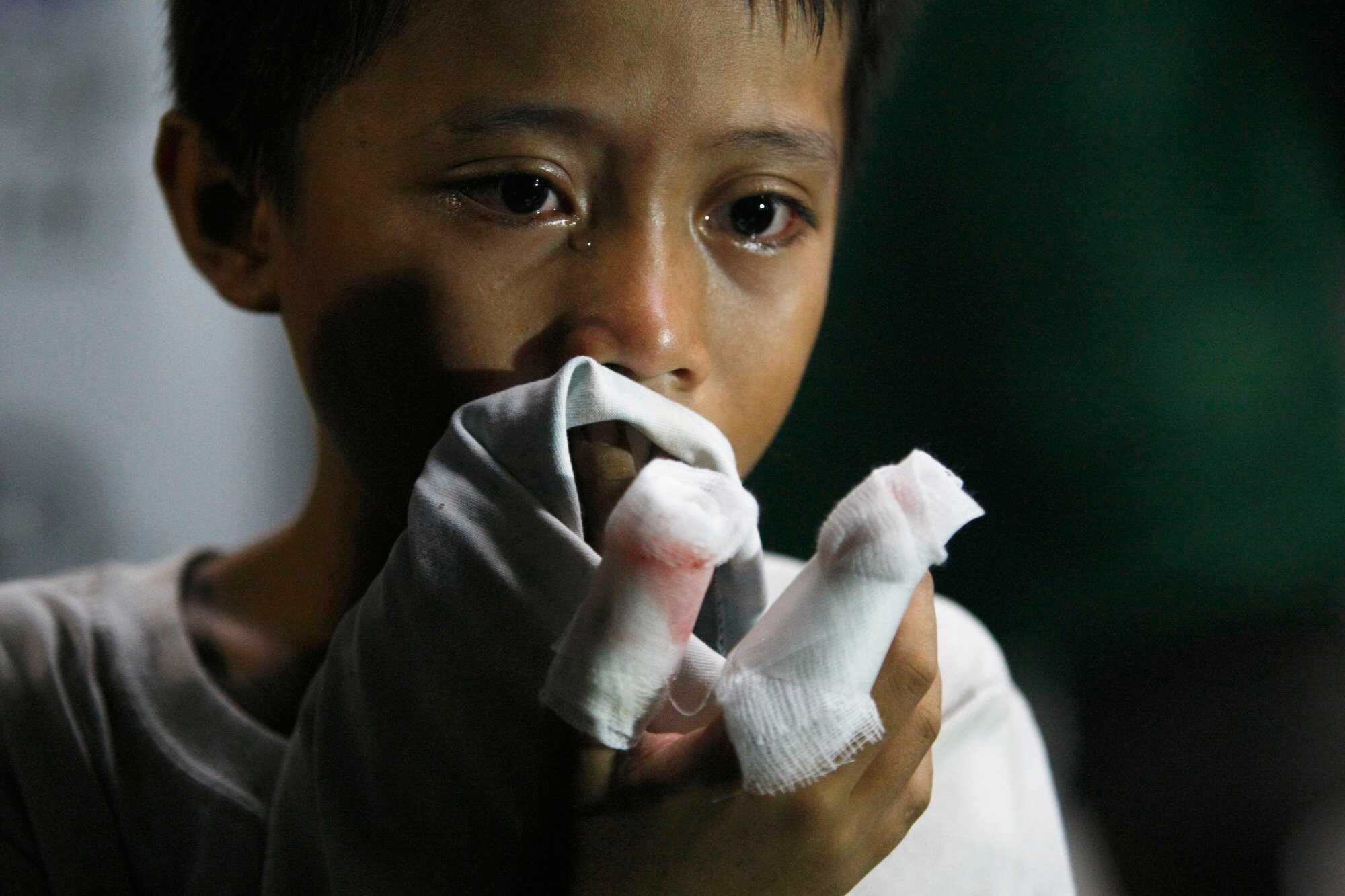
In just the lead-up to December 31, at least 57 people had been treated in government hospitals for firework-related injuries, according to the country’s Department of Health. This included children who lost fingers when fireworks exploded in their hands.
Police had also reported deaths linked to stray bullets fired into the air during Christmas celebrations.
Despite these risks, fireworks remain deeply woven into the country’s celebratory traditions, driven by a belief that loud noise scares away bad luck and evil spirits.
Every year from November onwards, health officials, firefighters and police issue warnings, raid illegal dealers and urge the public to avoid powerful pyrotechnics.
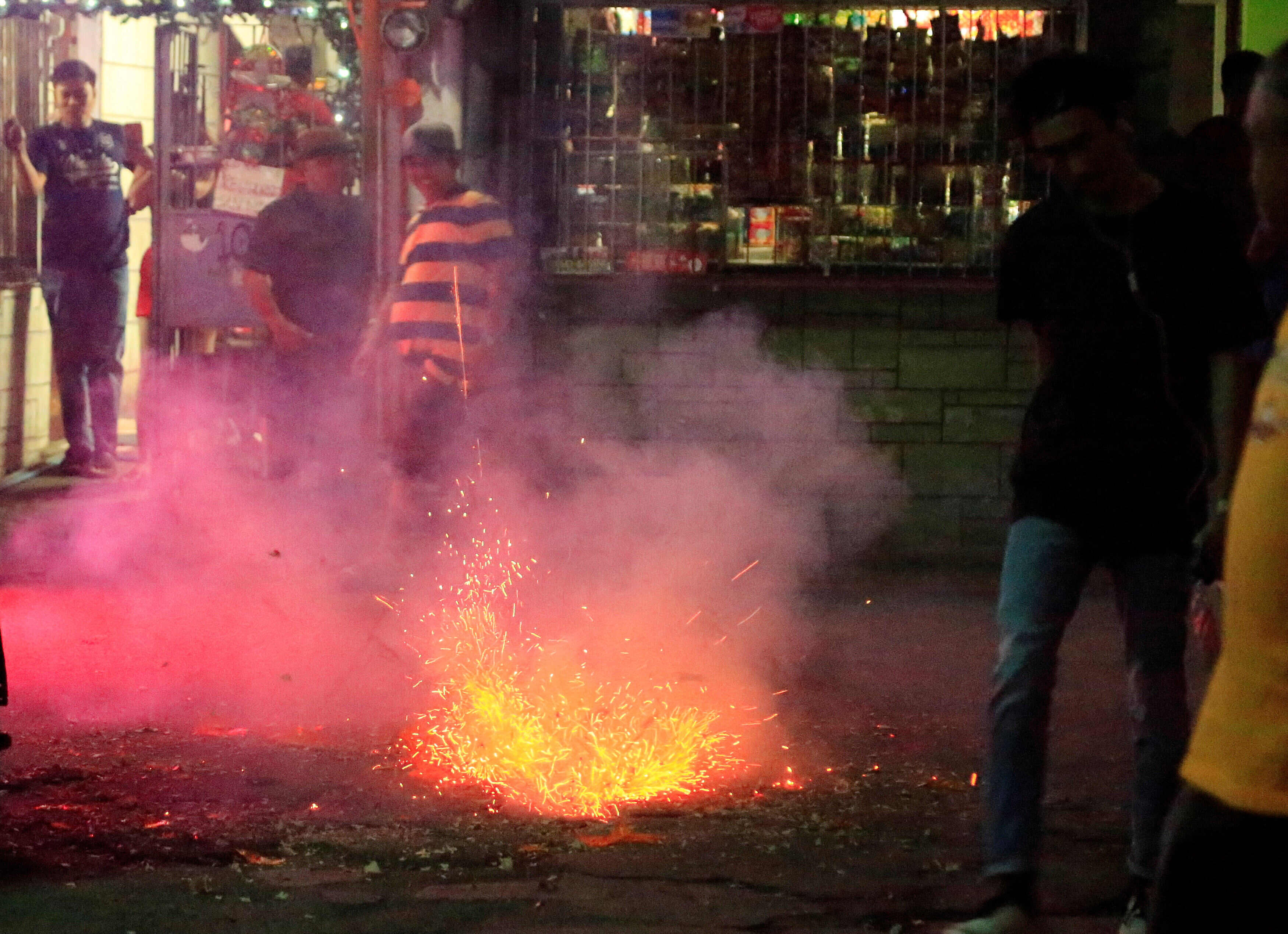
And every December 31, millions of Filipinos pour into the streets or stay in their backyards and set off a vast assortment of fireworks – many of them illegal and most of them dangerous.
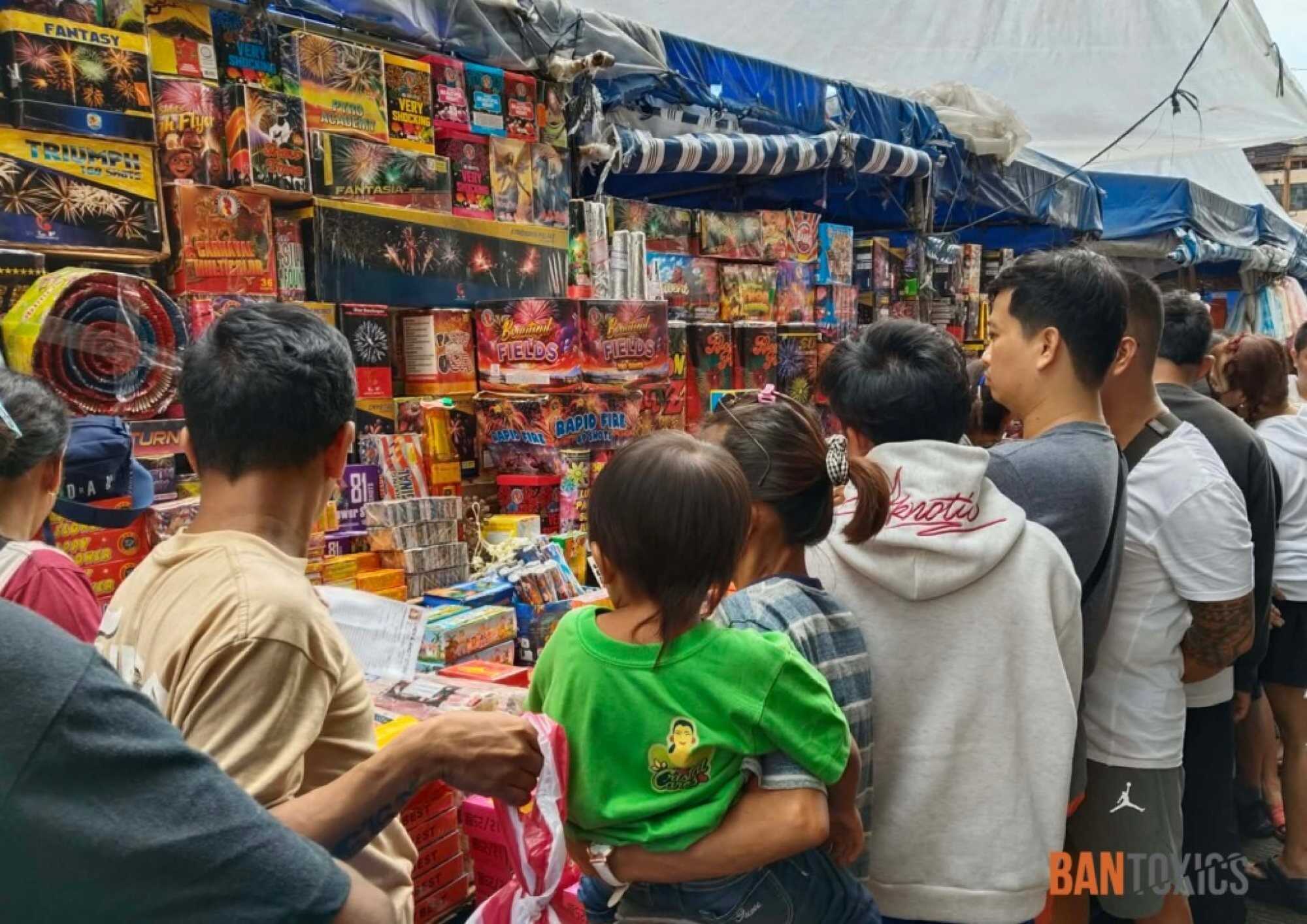
Filipinos light up New Year’s Eve with sparklers, miniature explosives, home-made cannons, flares, rockets, pinwheels, starbursts, whistle bombs and Roman candles alongside costly and elaborate displays.
A few also fire guns into the air, a practice police warn carries a high risk of killing or injuring someone when spent bullets fall back to the ground.
Manila in particular is rocked by near-constant explosions, wreathed in smoke and flashes of light, with injuries mounting as the hours wear on.
On New Year’s Day, the city typically wakes to quieter streets shrouded in smog, smelling of gunpowder and littered with scraps of scorched paper.
The chaos persists despite a 33-year-old law regulating the manufacture, sale and use of firecrackers, which bans devices considered unsafe, oversized or fitted with dangerously short fuses. Vendors continue to sell prohibited pyrotechnics that exceed allowed explosive limits or burn too fast to be safely handled, according to police and regulators.
Many of these fireworks are made in clandestine factories in the central province of Bulacan, a long-established firecracker hub, before being shipped out and stored in residential neighbourhoods, authorities have said.
The Philippine Star reported that one person in Manila was killed by a stray bullet early on December 25, while the health department said two children, aged eight and 16, lost fingers after fireworks exploded in their hands.
Last year, the Philippine National Police said it had identified 31 specific firecrackers as prohibited and warned it would arrest, fine and jail anyone caught using them. The names of some of the banned items hint at their power: King Kong, Dart Bomb, Super Lolo, Atomic Bomb, Bin Laden, GPH Nuclear and Goodbye Philippines.
Far from being deterred by police raids, illegal manufacturers regularly introduce new explosives, often giving them names drawn from events or public figures.