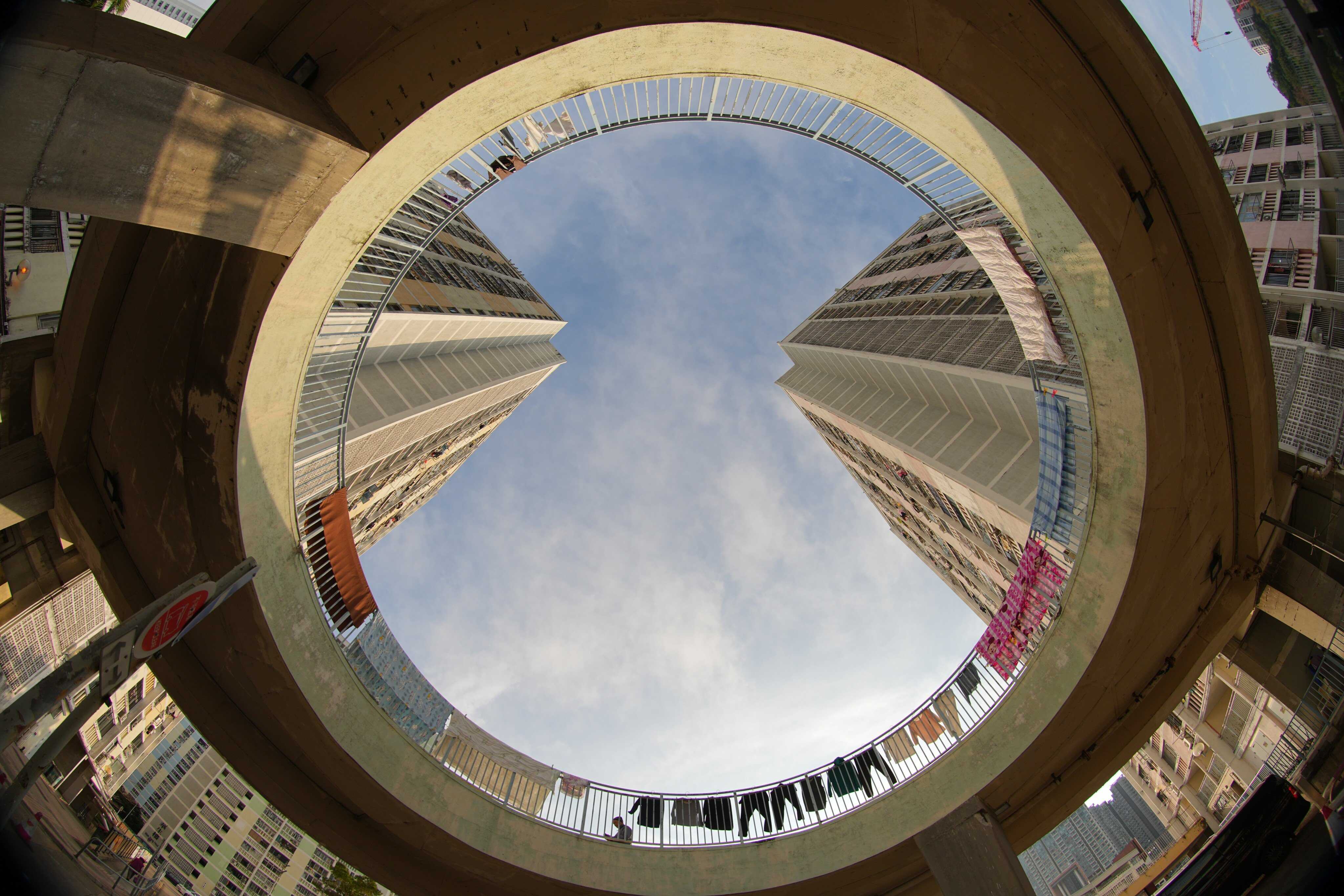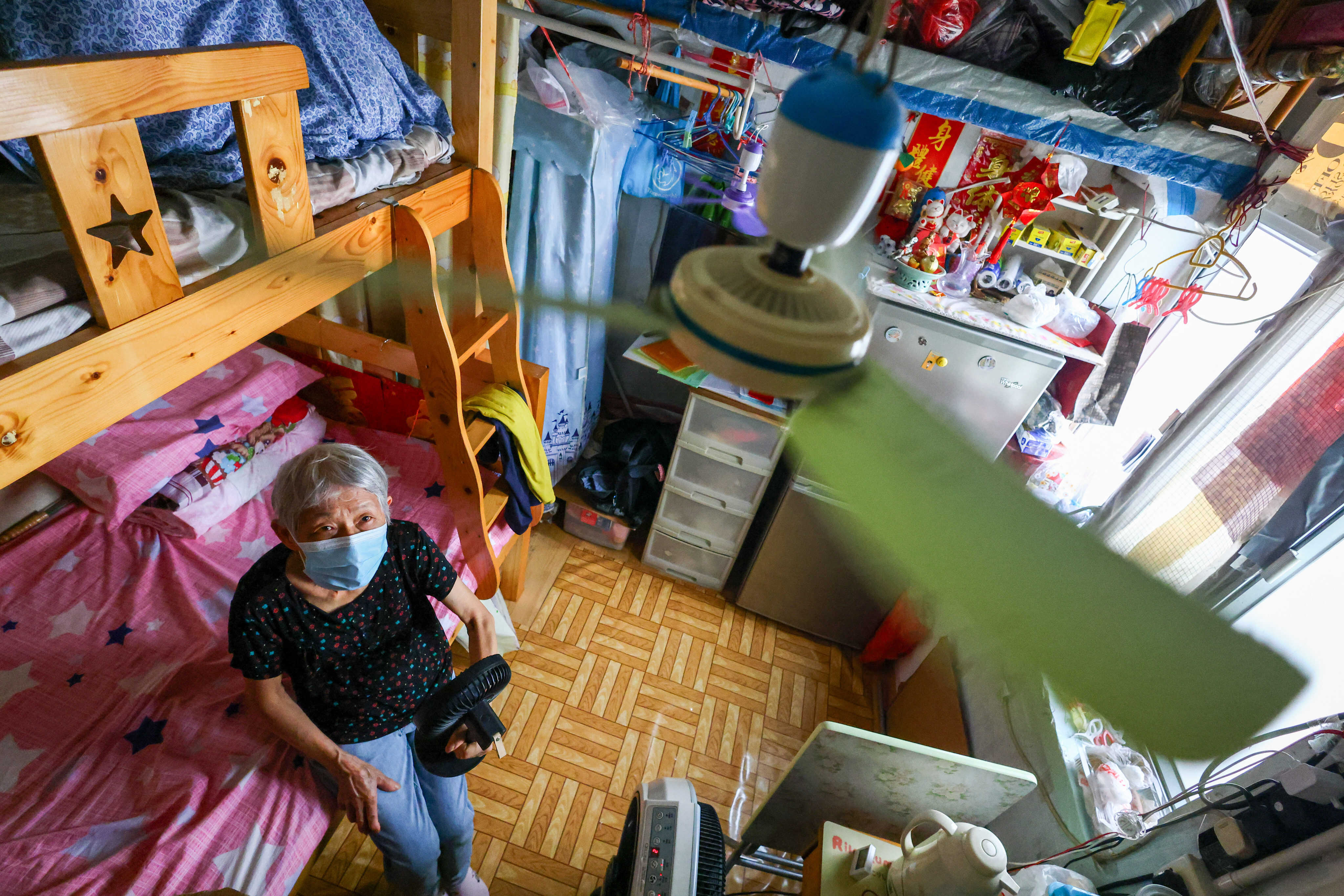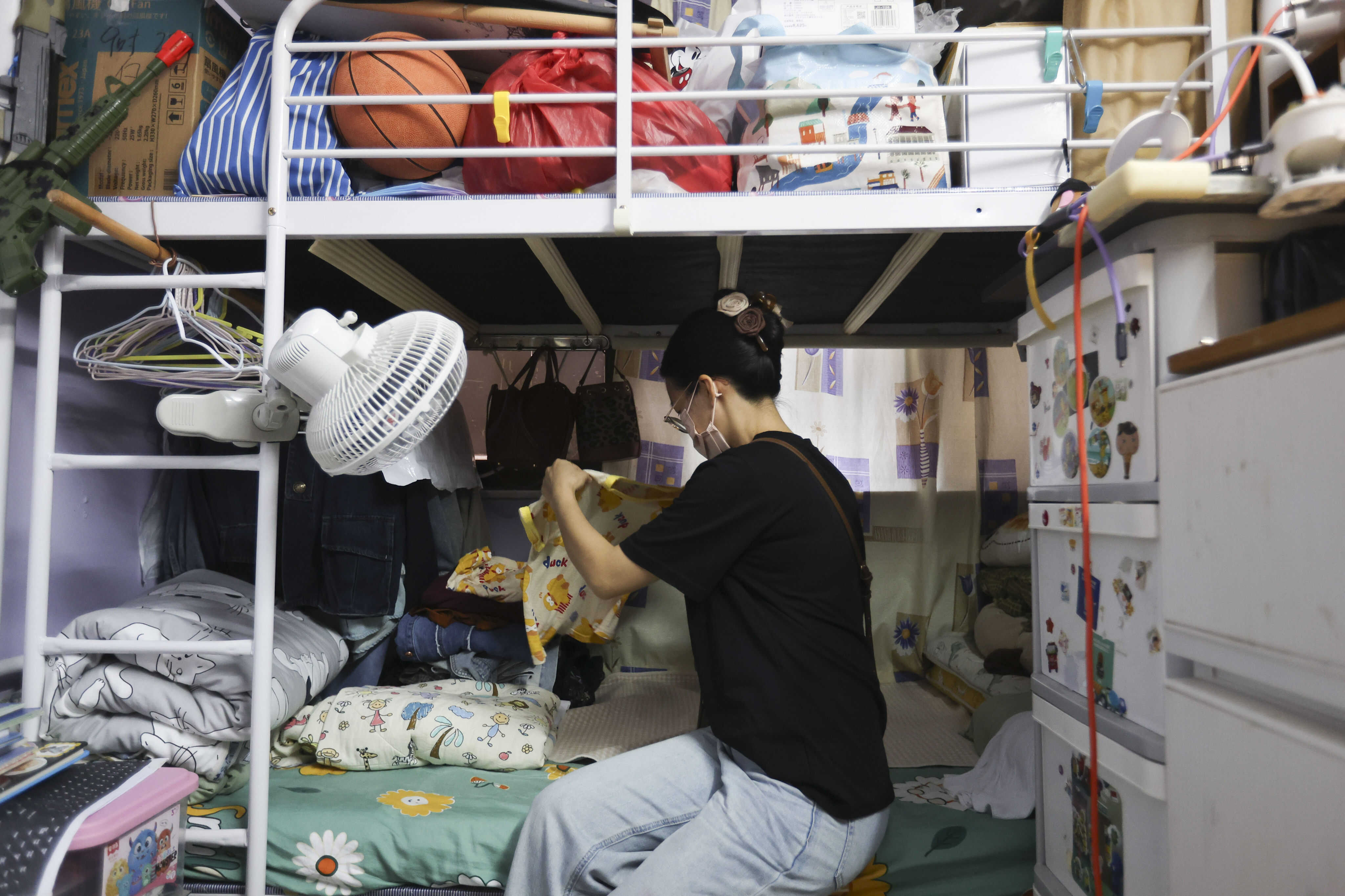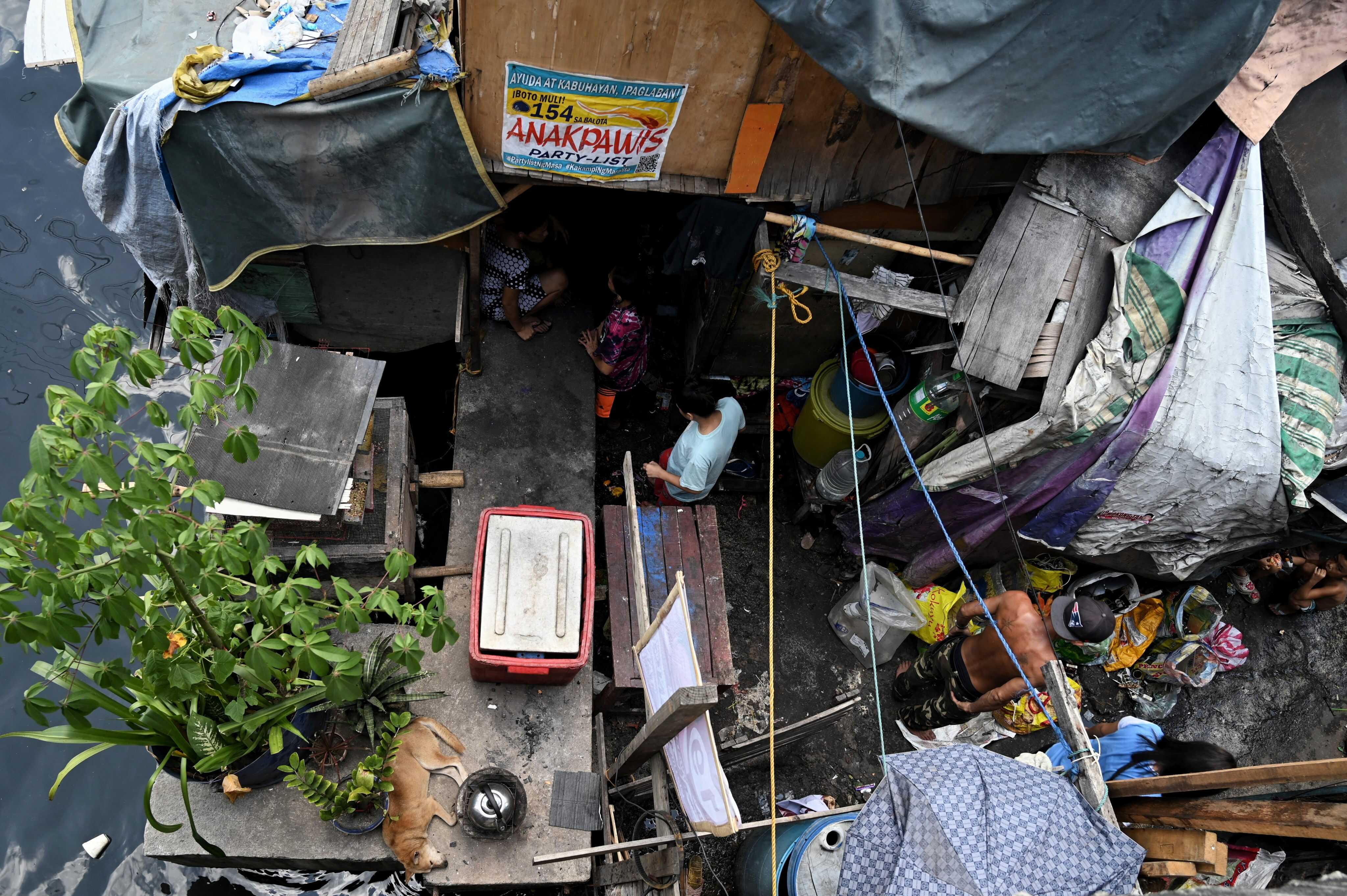
Hong Kong routinely tops global rankings of unaffordable cities. But it is the residents of Manila in the Philippines, Colombo in Sri Lanka, and Yangon in Myanmar who are far more likely to tell pollsters they cannot afford shelter.
The Philippines recorded the world’s highest share of people reporting difficulty affording housing in a new survey from US-based firm Gallup, with 55 per cent saying they had struggled to pay for shelter in the past 12 months.
Sri Lanka followed at 54 per cent, Myanmar at 49 per cent and Thailand at 40 per cent.
Bangladesh, India, South Korea, Nepal, Indonesia and China rounded out the top 10, according to Gallup’s 2025 World Poll, an annual survey covering more than 140 countries and regions.
Paradoxically, Taiwan and Hong Kong – where 40 per cent of respondents reported dissatisfaction with the availability of good, affordable housing – recorded some of the lowest shares of residents who reported actually struggling to pay.
But analysts stress that the Gallup figures capture only self-reported financial strain.
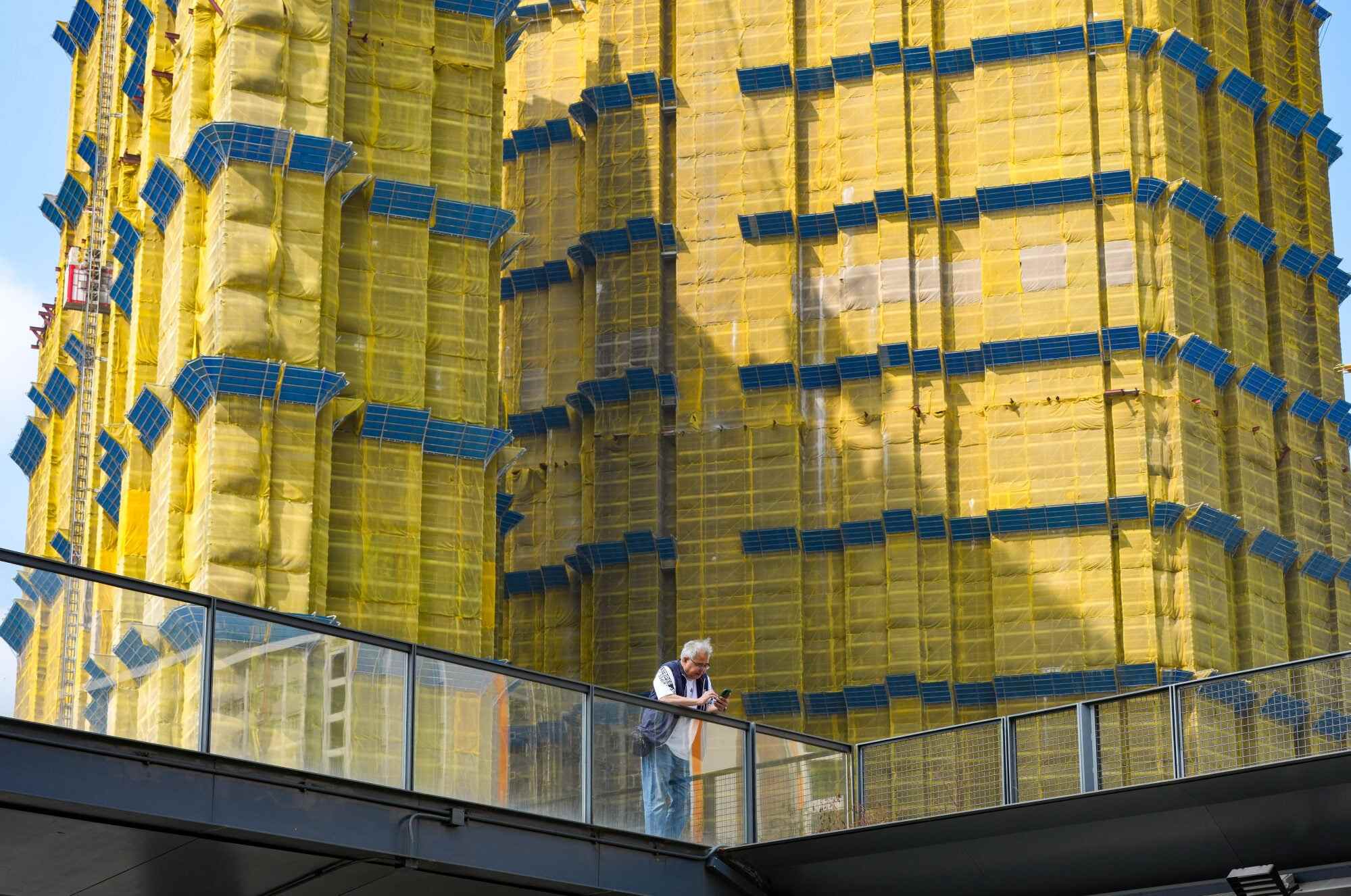
Separate indices that compare home prices directly with household incomes, such as the Urban Land Institute’s Home Attainability Index, consistently rank land-scarce Hong Kong and Singapore among the world’s least attainable markets.
Residents there may be priced out in absolute terms, but many are not going without. In Manila or Yangon, far more people simply cannot cover the basics. That difference is precisely what makes Asia’s housing crisis so hard to solve, according to experts.
“Unaffordable housing usually results from several constraints coming together,” said Ramola Naik Singru, a principal urban development specialist at the Asian Development Bank (ADB).
She cited rapid urbanisation and wages that fail to keep up with land and building costs. Other issues include mortgage lending being hard to access, permits taking too long to come through and developers pricing homes beyond what ordinary working families could afford, she said.
“Based on our experience, there is no single universally accepted definition of affordable housing,” said Singru’s colleague Jitendra Balani, a senior urban development specialist working on affordable and social housing at the ADB.
One of the most commonly used yardsticks is the ratio of average home prices to median income. By that metric, more than 90 per cent of housing in 211 cities across the region was severely unaffordable for median-income households as of 2019, according to an ADB report.
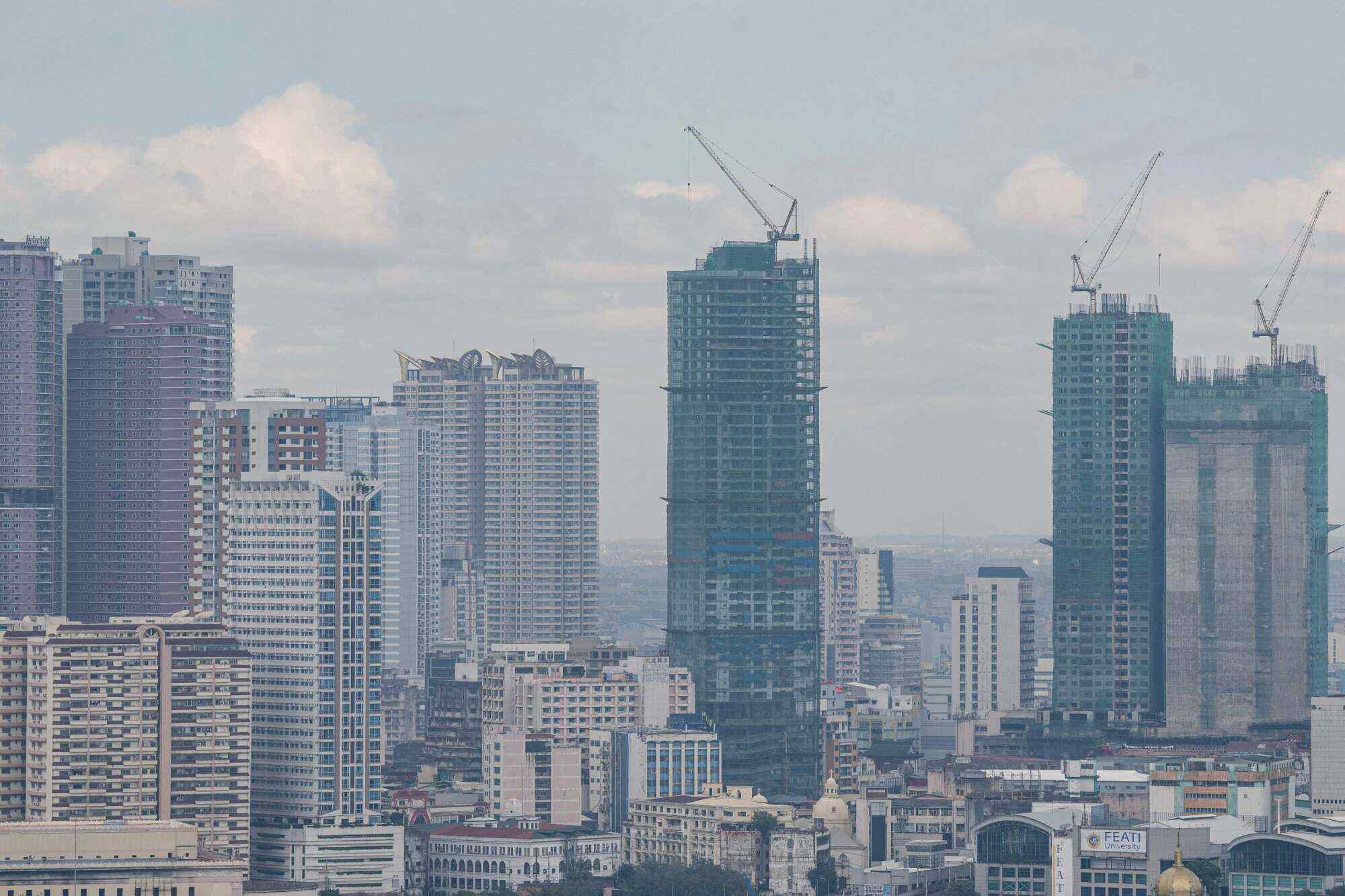
But for the poorest households, total income is often not the best measure, according to Balani.
The Urban Land Institute, a Hong Kong-based non-profit organisation, draws a similar distinction between developed and developing markets.
In wealthy cities, homes are unattainable primarily because they are too expensive. In large developing economies such as India and Indonesia, the more pressing problem is a shortage of basic housing altogether.
The Indonesian government has estimated that one-third of households lack access to adequate shelter, and a public house-building programme has been unable to keep pace with population growth.
Places as different as Hong Kong and rural Indonesia might both suffer from housing unattainability, yet face entirely different underlying problems, the report said.
“Housing affordability is rarely just about the price,” Balani said. “It is also about what households must spend in time and money to reach jobs, schools, healthcare and urban services.”
Life at the bottom
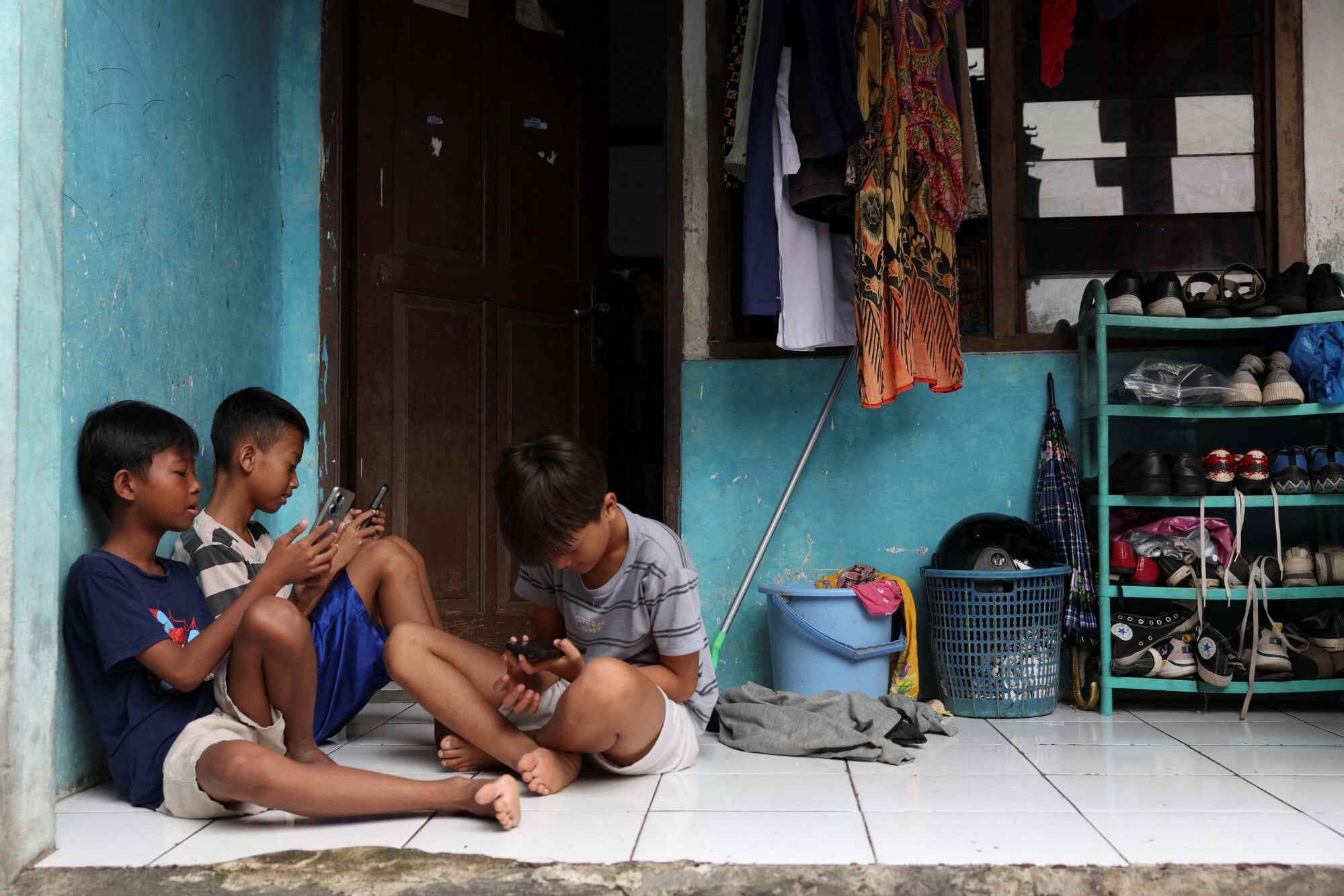
The human cost of housing failures is concentrated at the very bottom of the property ladder.
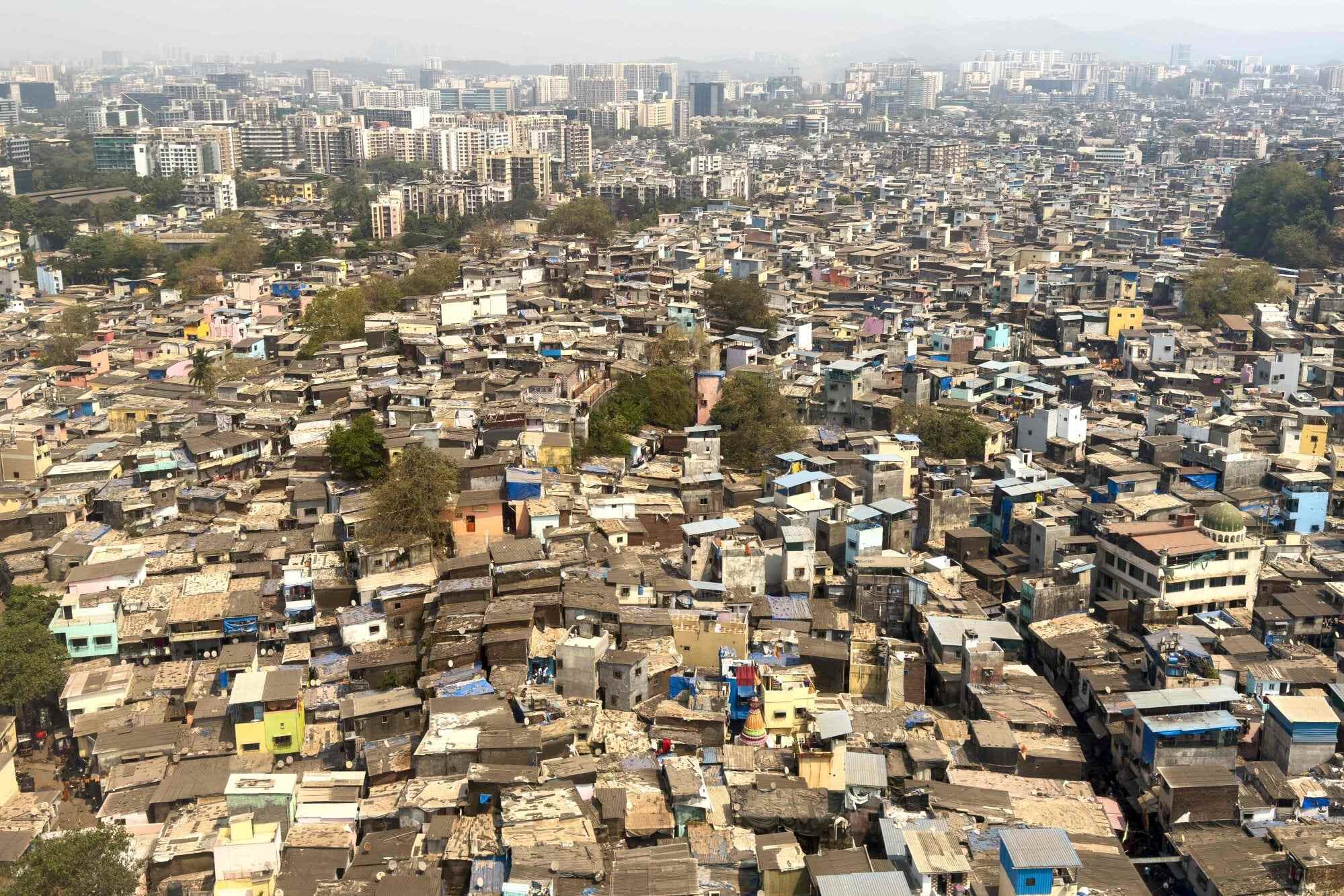
The ADB estimates that 60 per cent of the world’s slum dwellers and informal settlers live in Asia, with migration threatening to push that figure higher.
Tamil Nadu, one of India’s most urbanised yet climate-vulnerable states, faces a housing shortage of over 1.25 million units while 5.8 million people live in slums under constant threat of severe flooding, according to Singru.
Manila, meanwhile, is home to 3.7 million informal settler families, with over half a million in slums and high-risk zones even as the Philippines is battered by around 20 tropical cyclones a year.
Singru pointed to a recurring pattern in which housing is built without adequate social and economic infrastructure, prompting families to abandon new developments and return to informal settlements “closer to jobs and livelihoods”.
“Land scarcity matters, but it is not the whole story. The bigger issue is whether cities have enough well-located, serviced and developable land,” she said. “This needs to be supported by sound urban planning and design, efficient infrastructure and regulation.”
Rental housing and incremental models that allow families to build or expand homes gradually as cash flows allow are just as important as ownership pathways, experts say, since sizeable portions of the population cannot access mortgage finance at all.
Quality, not just quantity, also demands attention: much of Asia’s existing housing stock fails to meet basic liveability standards, let alone green design principles.
Above all, Singru said housing was not an issue that could be treated in isolation.
Just as important was the surrounding infrastructure, such as access roads, water, sanitation, drainage and public transport, “delivered in coordination with land development and housing supply”, she said.