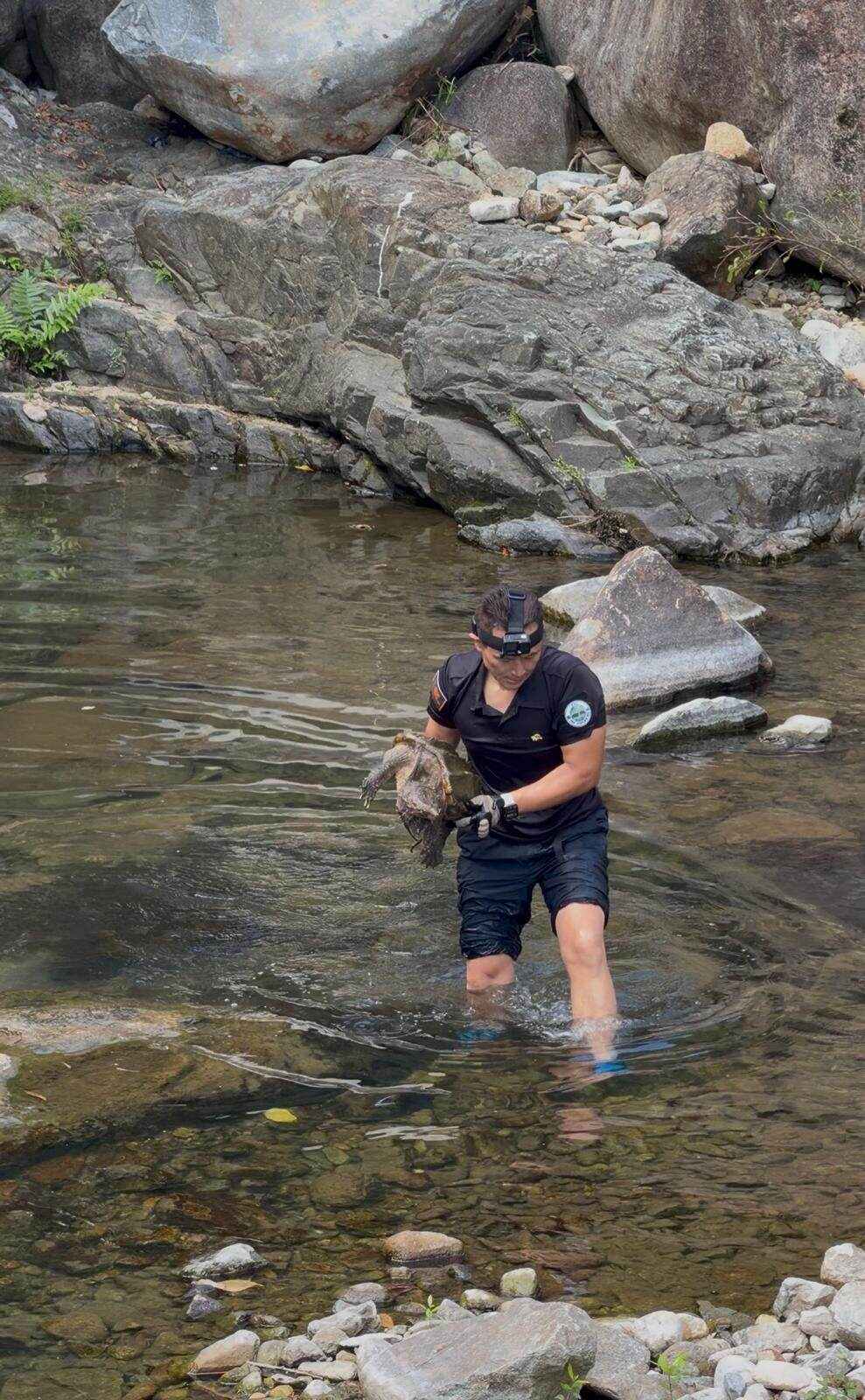
Hong Kong has seen a troubling rise in illegal dog trapping and cat smuggling. In the past six months, an animal rescue group reported saving 351 animals, averaging about two animals per day.
On Tuesday, the Paws Guardian Rescue Shelter, now in its 10th year, released a report detailing the conditions of the animals it rescued during this period.
The founder of the shelter, who led most of the rescue operations, shared with the South China Morning Post how brutal recent cases have become.
Founder Kent Luk Ka-chit said that in December alone, the group rescued four seriously injured dogs caught in illegal traps set up by residents to catch wild boars on hillsides in areas including Lau Fau Shan, Ngau Chi Wan and Siu Lam.
“The most common trap has a wire noose with a spring mechanism. Shortly after a dog is trapped, the noose tightens around its limb as it struggles, cutting off blood circulation and exposing bones in many cases,” Luk said.
“Of the four rescued dogs, one was being treated. Three had one of their limbs amputated. It already incurred massive vet bills of more than HK$200,000 [US$26,000] for saving their lives so far.
“The situation has become alarmingly common in recent months. It’s really hard for us to keep raising enough funds.”
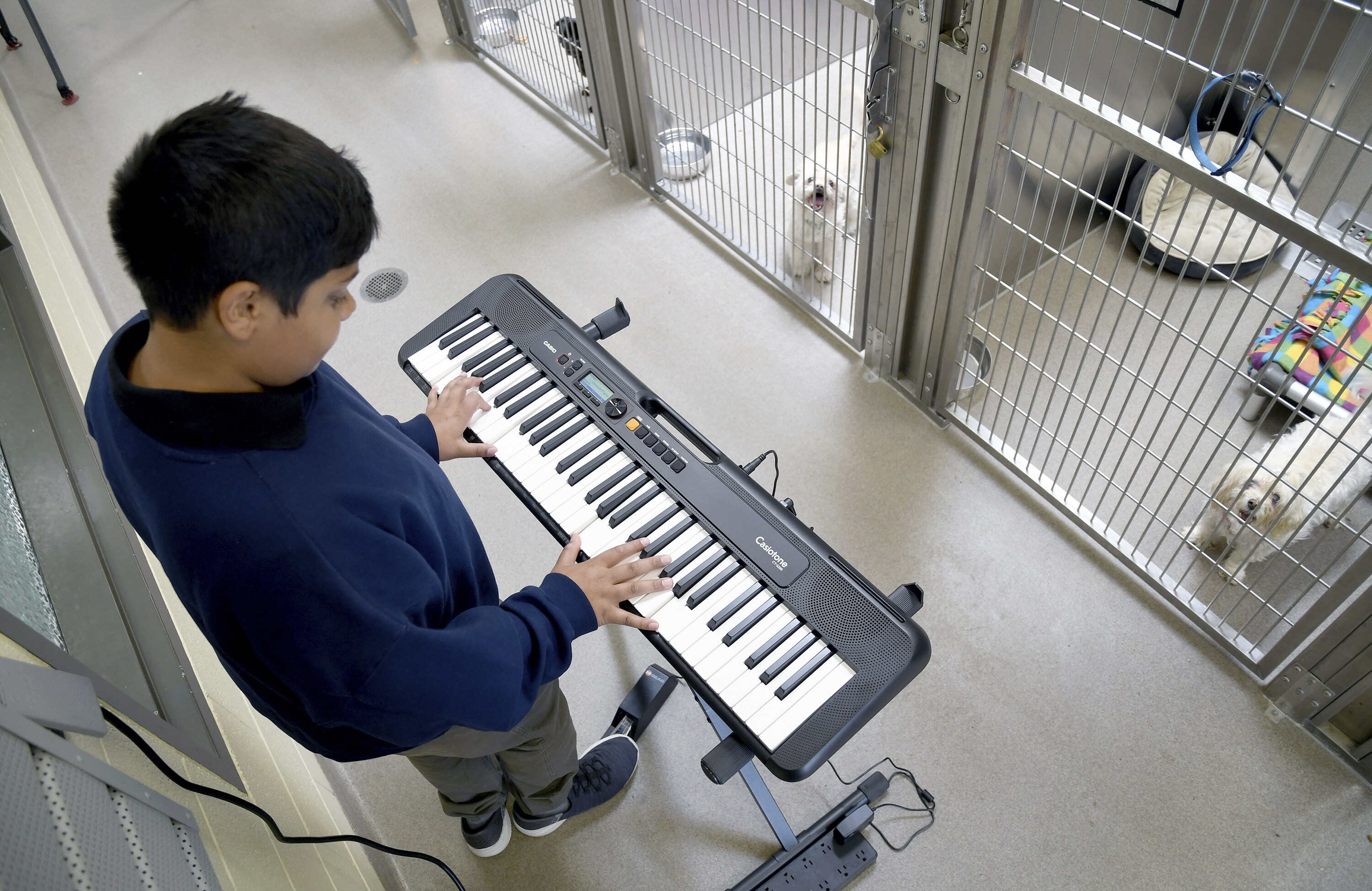
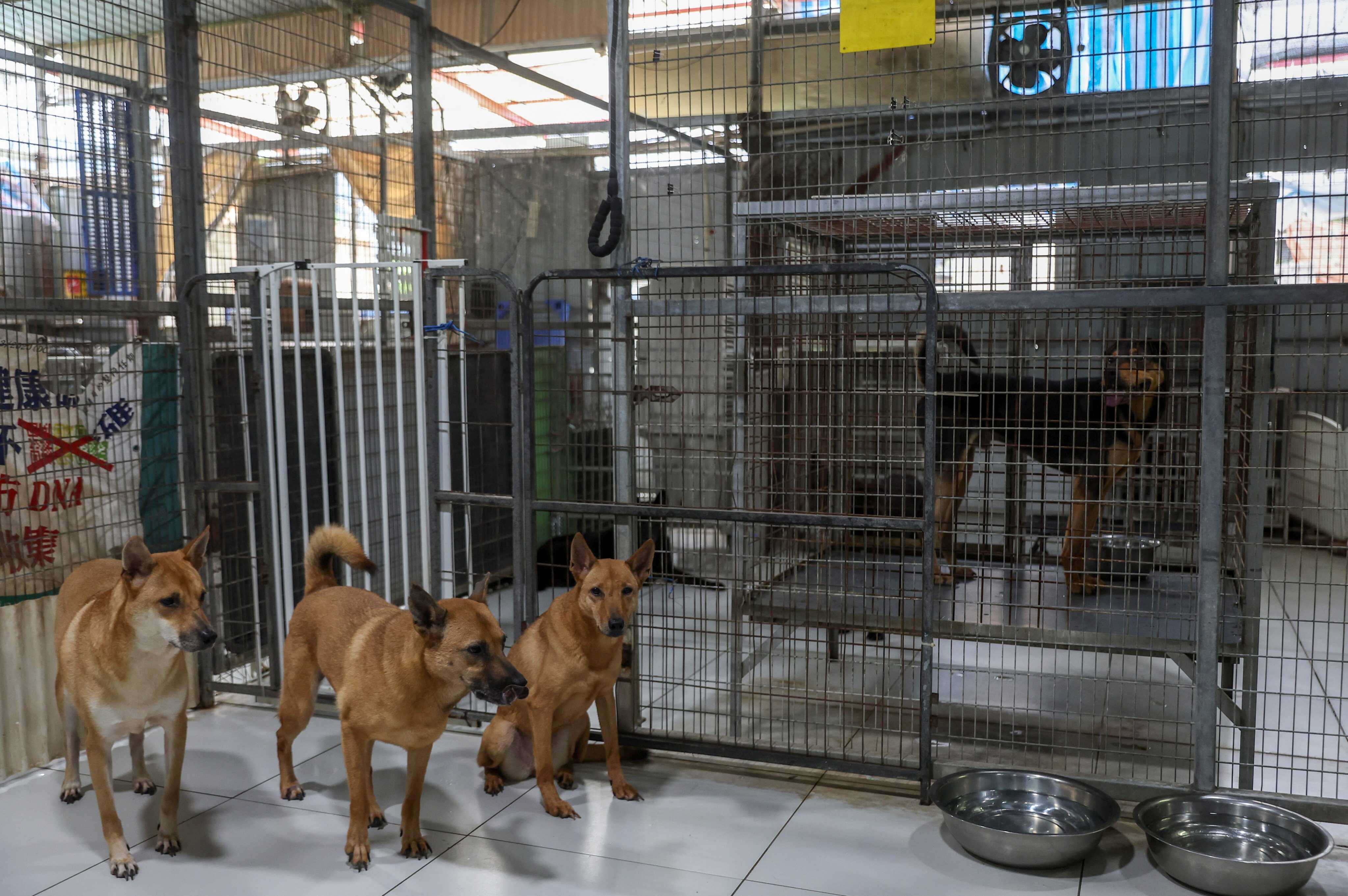
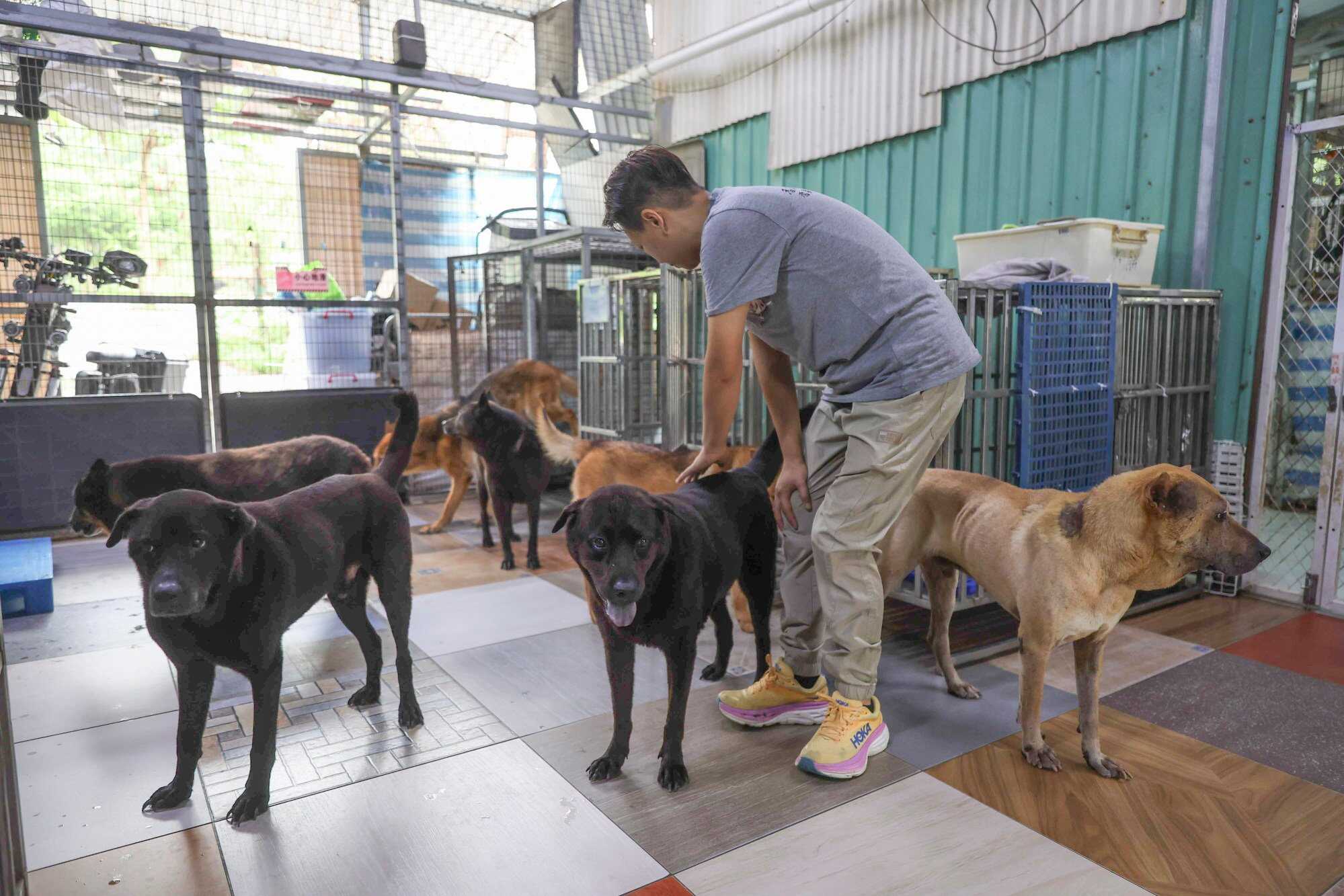
Paws Guardian prioritises rescuing injured animals and provides emergency treatment before arranging adoptions. The shelter currently houses nearly 300 dogs and 200 cats, according to Luk.
It was the first time the NGO had commissioned university scholars to analyse the conditions of the hundreds of animals it had rescued.
In its latest report, which recorded the 281 cats and 70 dogs rescued between July and December last year, 43.2 per cent of cats and 64.2 per cent of dogs were either injured or ill.
Common injuries included wound infections, conditions related to traffic accidents, attacks by other animals and injuries caused by traps, according to the report.
An overwhelming 94 per cent of dogs and 56 per cent of cats were found in the New Territories, particularly in Yuen Long and North district.
The group also rescued 87 kittens and 19 puppies in the past six months.
Luk highlighted that cat smuggling had become increasingly common as current laws regulated the breeding and sale of dogs but not cats.
“It’s easier to breed and transport cats [than dogs] … You may notice that many pet shops that once sold dogs now predominantly sell cats,” he said.
“That is a lucrative business. A cat can be sold for up to HK$30,000 in a pet shop, while a kitten illegally smuggled from mainland China can be acquired cheaply at HK$500.”
Luk said a surge in the pet cat population was linked to the increase in abandonment observed over the past year. As a veteran rescuer, he noted that abandoned kittens and puppies were unlikely to survive on their own.
The survey excluded animals that died before reaching a vet or those sent directly to 24-hour veterinary hospitals other than the group’s affiliated clinic.
According to the report, the mean ages of the rescued cats and dogs were around three and five years, respectively. The vast majority were domestic shorthair cats and mongrels.
Luk added that the group’s adoption rates had been low due to Hong Kong’s economic conditions, small living spaces and people’s reluctance to adopt animals with disabilities resulting from their injuries.
He called on authorities to strengthen efforts to crack down on the importation of illegal traps and smuggled animals, as well as to increase penalties for animal cruelty.
Under the Prevention of Cruelty to Animals Ordinance, the offence carries a maximum penalty of three years’ imprisonment and a fine of HK$200,000.
But Luk said it was very difficult for authorities to catch perpetrators, as the traps were often set in remote areas and abandonment was hard to prove.
“Hong Kong’s animal protection laws have been lagging far behind many other places including Taiwan. All we can do is continue rescuing them,” he said.