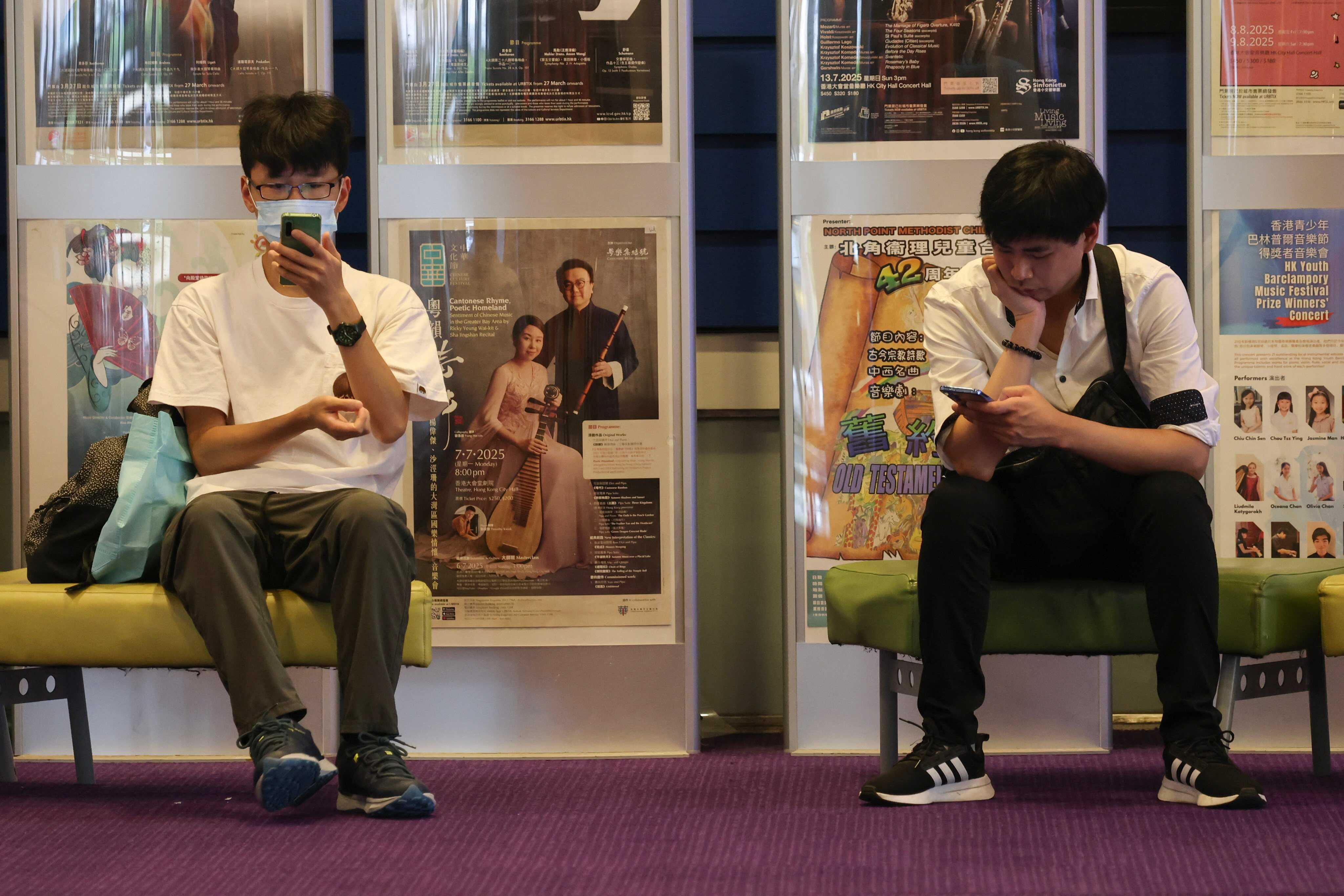
A survey conducted by the Chinese YMCA of Hong Kong revealed that over 60 per cent of young people in Hong Kong, known as Zoomers, are concerned about their ability to compete with rapidly advancing artificial intelligence (AI) in the workplace. The survey also found that about 30 per cent of respondents were unfamiliar with how to use AI tools. Meanwhile, only 11.5 per cent felt “very familiar” with the technology.
The young members’ council of the Chinese YMCA interviewed 1,178 Hongkongers aged 15 to 30 – commonly known as “Generation Z” or “Zoomers” – between May and September 2025 to examine the competitiveness and future challenges facing the city’s young people.
On the impact of AI, nearly 20 per cent “strongly agreed” that the technology would affect their competitiveness, while another 42.5 per cent “agreed” with this statement. Only 3.2 per cent “disagreed” and 1.7 per cent “strongly disagreed”.
The survey also found that about 43 per cent of respondents would take into account the development of AI when choosing their academic courses or career path.
Around 68 per cent cited fears that the technology would replace the skills they learned at school or on the job.
The findings were consistent with respondents’ self-assessments across various abilities.
On a scale of one to five, with five being the highest, respondents rated their “technological knowledge” at an average of 3.03 – the lowest of the five major skills they evaluated.
The second-lowest rating of 3.11 went to “professional skills”.
They rated their “critical thinking” ability and “communication skills” at 3.48 and 3.45, respectively, while “moral character” received 3.66, the highest average score.
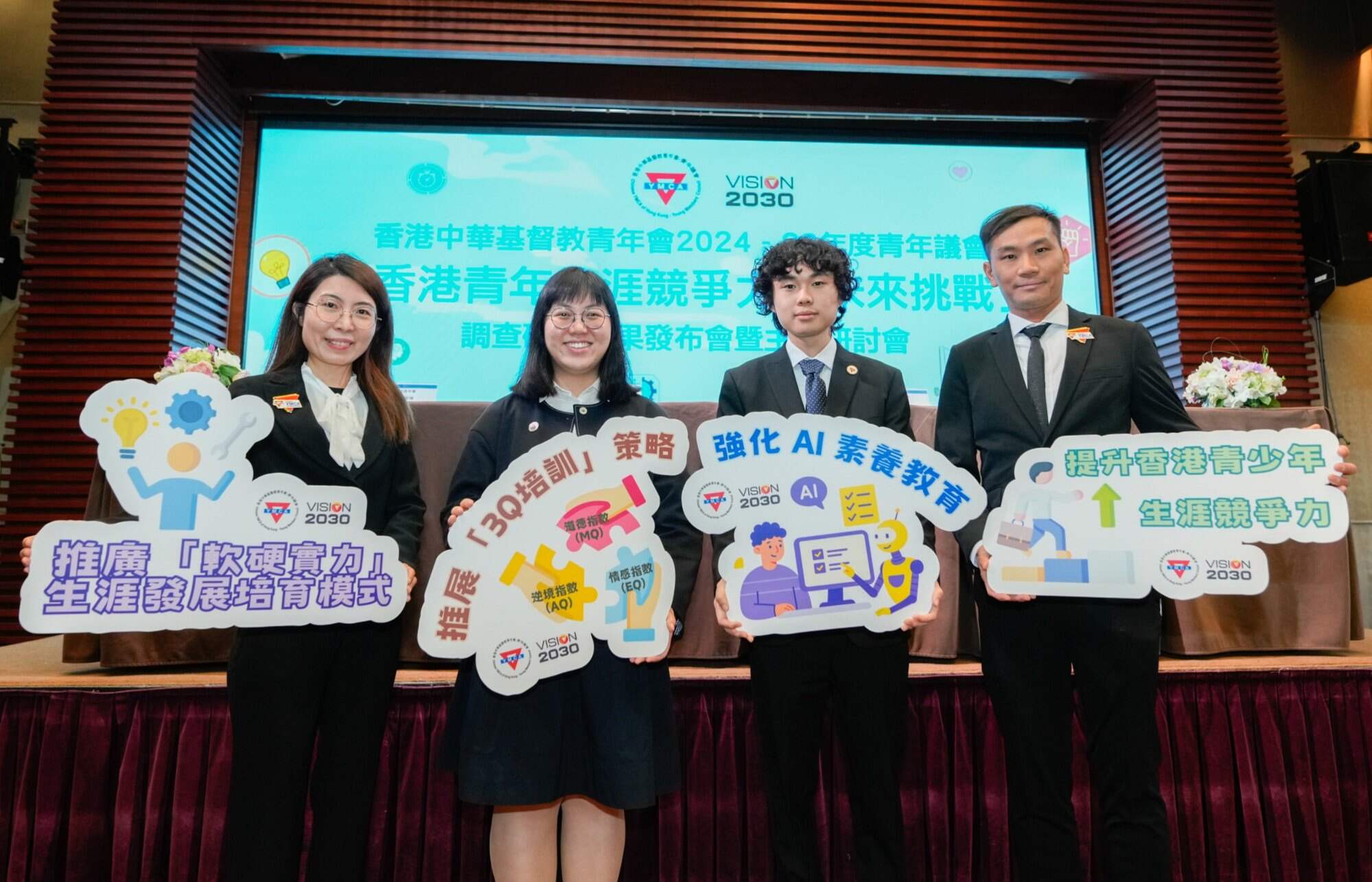
Steve Chung Chun-yan, Chinese YMCA’s assistant principal programme secretary, said the findings showed the need for more AI education in schools.
He proposed adopting a so-called human-machine symbiosis approach in secondary and tertiary education.
“We need to develop an intelligence-based AI literacy framework for our students. AI should be made more relevant to the curriculum,” Chung said.
“Rather than treating AI as a separate technological skill added to the curriculum for students to learn, we should incorporate AI applications in the curriculum and use more of it to help equip our young people with skills that are needed when they enter the workplace.”
The group also called for greater promotion of the responsible and ethical use of AI.
Generation Z refers to people born roughly between 1997 and the early 2010s.
Sociologically, they are also regarded as the first cohort of “digital natives” – those who have grown up with the internet since birth.