Before you read:
-
Hong Kong’s secondary school curriculum is getting a revamp, with an overhaul of the history and Chinese history subjects
-
Students will learn more about the Communist Party, socialism and China’s future plans
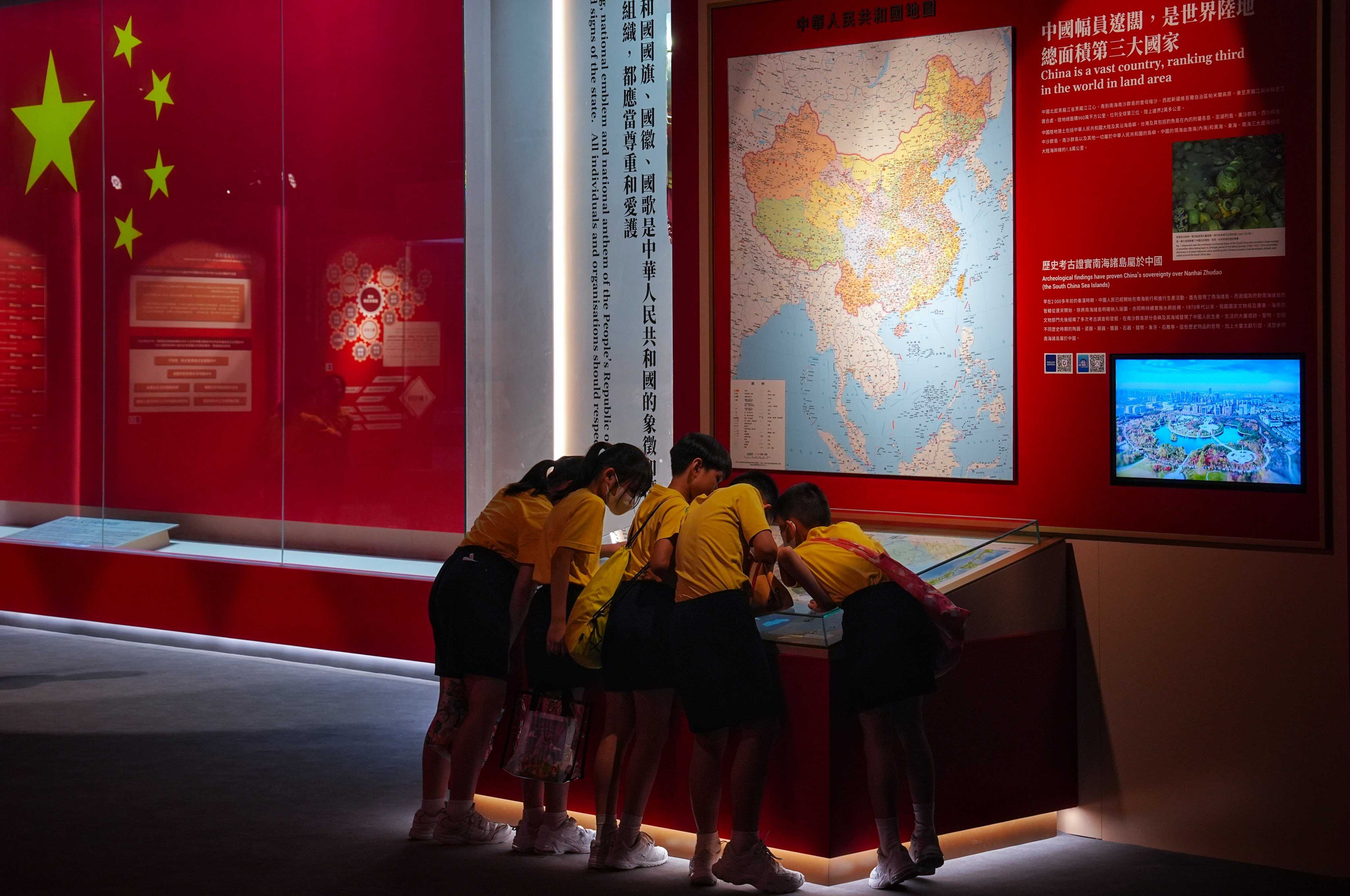
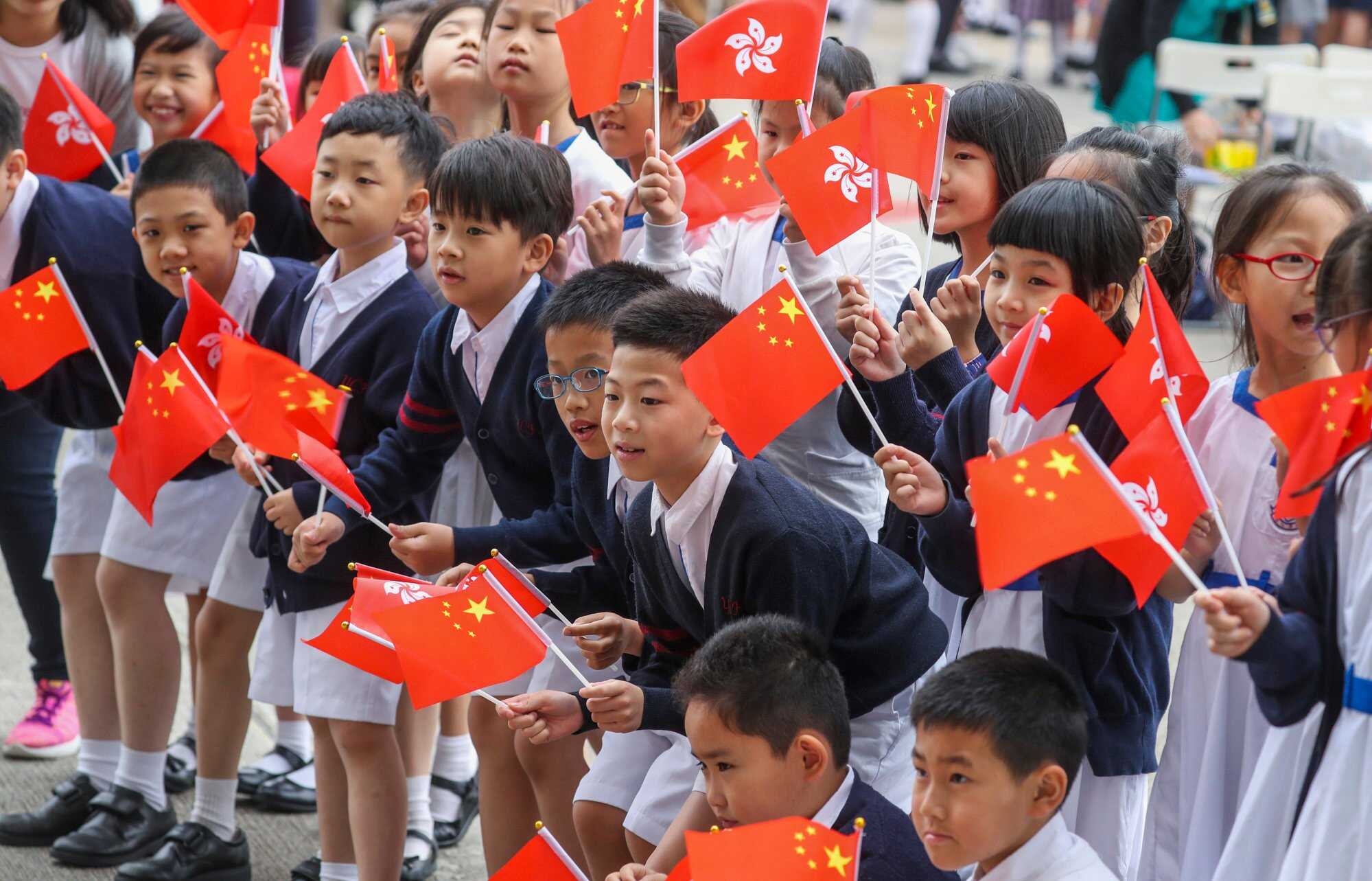
Earlier this month, Hong Kong’s Education Bureau announced significant changes to the Chinese history and history subjects in secondary schools. In particular, upper secondary school students could expect a revamp that strengthens patriotic education and helps cultivate a national identity.
But some Hong Kong students have expressed concern about the new framework, especially the exclusion or “glossing over” of topics that they see as essential.
A tutor also warned that reducing long essay questions in the city’s university entrance exam will deprive students of the knowledge and skills needed to consolidate and present complex ideas.
Authorities said the new framework would be implemented in Form Four from the 2027 to 2028 academic school year. It would apply to the Diploma of Secondary Education (DSE) examinations starting in 2030.
The overhaul came as Hong Kong’s Chief Executive John Lee Ka-chiu pledged last month to “optimise” both history subjects. In a notice sent to secondary school leaders, the Education Bureau said it would be necessary to review and update both subjects to ensure learning kept pace with the times.
An update and revision
The current upper secondary Chinese history and history subjects were added to the school curriculum in 2009.
The updated Chinese history subject will take topics from the city’s former university entrance exam, the Hong Kong Advanced Level Examination (HKALE). Topics will include Zheng He’s voyages to the western ocean, the Silk Road and the central political systems of the Qin and Han dynasties. A new “Science, technology and culture” topic will focus on the significant achievements of different dynasties.
The revised history subject’s curriculum will place greater emphasis on China. A new unit on the modern nation’s development, now named “China and the world”, will have 90 lesson hours, up from the previous 40.
The curriculum will be divided into compulsory and elective parts, including a new elective topic on overseas Chinese. Hong Kong, Japan and the modernisation of Southeast Asia will no longer be their own topics. Instead, they will be merged into the “China and the world” unit.
Confusion and dismay
Students took to social media to express frustration with certain choices made in the curriculum revamp.
Hayley Sum Yui-ching, a student at Paul’s Convent School, said removing Japan’s modernisation, culture and economic development could lead to a “narrowed mindset” when it came to subsequent chapters such as the Second Sino-Japanese War.
Without knowledge of “the tensions of 1930s Japan, how can students be expected to gain a comprehensive view of our country’s past?” the 16-year-old said.
Miranda Li, a third-year history student at Chinese University, said the revamp is inevitable.
“It’s a demand of the times,” she said, adding that authorities would want to add their own perspective by amending or adding narratives. Li, who took the 2023 DSE, said the revamp could also “eliminate lingering feelings or thoughts about the previous colonial era”.
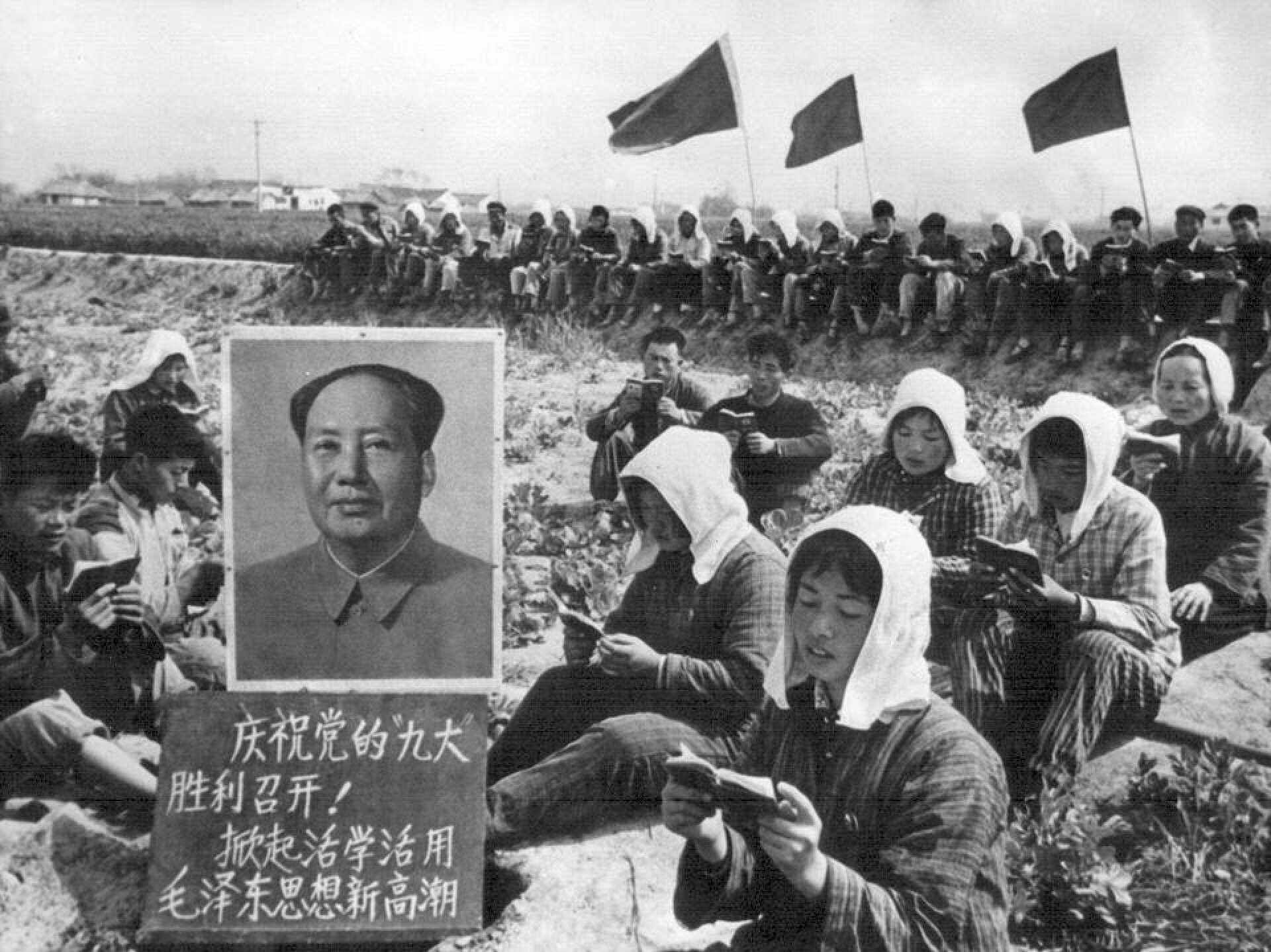
The Cultural Revolution will no longer be an independent Chinese history topic; instead, it will be integrated into the “Exploration and development of socialist construction” topic. This move confused Li.
The student said she believed in the value of studying failures in history. Glossing over the topic, Li said, would be “unfair” to young people.
“No government is 100 per cent prosperous for a long time; there will always be some failures,” she said. “When we study these failures, it can inspire us to think: Why did we make this mistake? What can we learn? How can we prevent it from happening again?”
A simpler exam
Alvin Wong is a Chinese history tutor with more than 10 years of teaching experience. He said he believed the DSE Chinese history exam would become easier after the revamp.
“I worry that skipping certain topics will make it difficult for students to understand the full context of historical events. It will become a process of force-feeding facts without understanding,” he said.
Wong said the new system focuses less on analysis: “I believe it will be difficult to ask questions in a long essay format. It’s a bit of a pity, because long-form writing [should be a part of] history education.”
In the age of the internet, information can be found instantly, Wong said. “But the problem is: how do you transform all that information into your own knowledge, and how do you then express that well?”