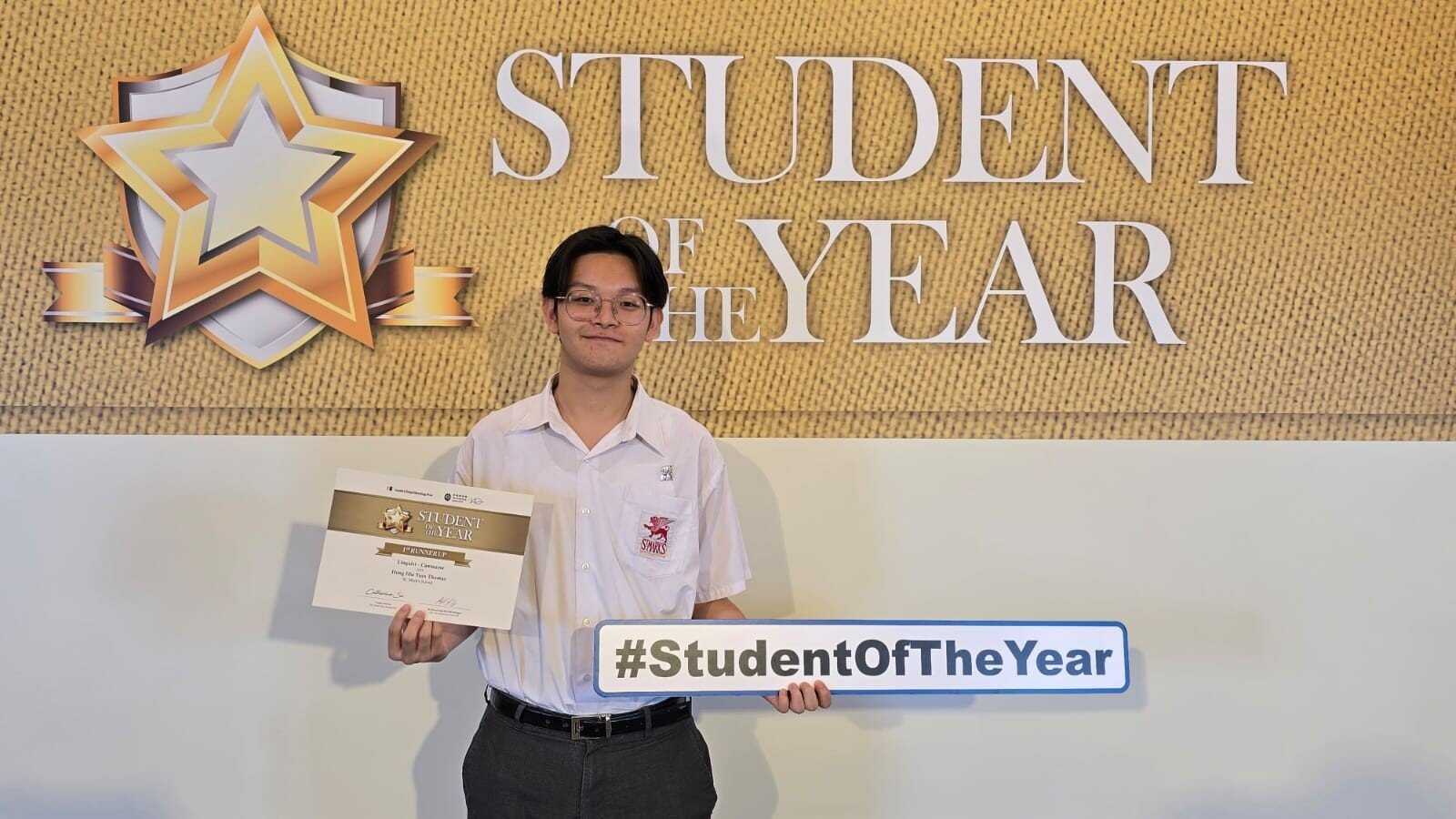
Thomas Hung Hiu-tsun vividly recalled a pivotal moment in leading his school’s Cantonese debate team. The 17-year-old student at St Mark’s School said it was not a championship win, “but a season of steady losses”.
“As captain, I learned that leadership is less about triumphant speeches and more about being the constant presence who sustains morale,” he reflected.
Thomas was a finalist in the Linguist (Cantonese) category of the 2024/25 Student of the Year Awards. The awards were organised by the South China Morning Post and solely sponsored by the Hong Kong Jockey Club.
One teacher described the student debate captain as a leader who cheered the team on and pushed everyone to improve. On stage, Thomas kept his team calm and focused, dividing speaking roles to maximise each debater’s talent. Offstage, he led rigorous debriefs and treated each loss as a rehearsal for future excellence.
The team spent long nights refining cases, creating a place with responsibility, commitment and a sense of belonging, Thomas said.
“That duty taught me to lead by steady example, to listen first, and to make space for others to shine,” he added.
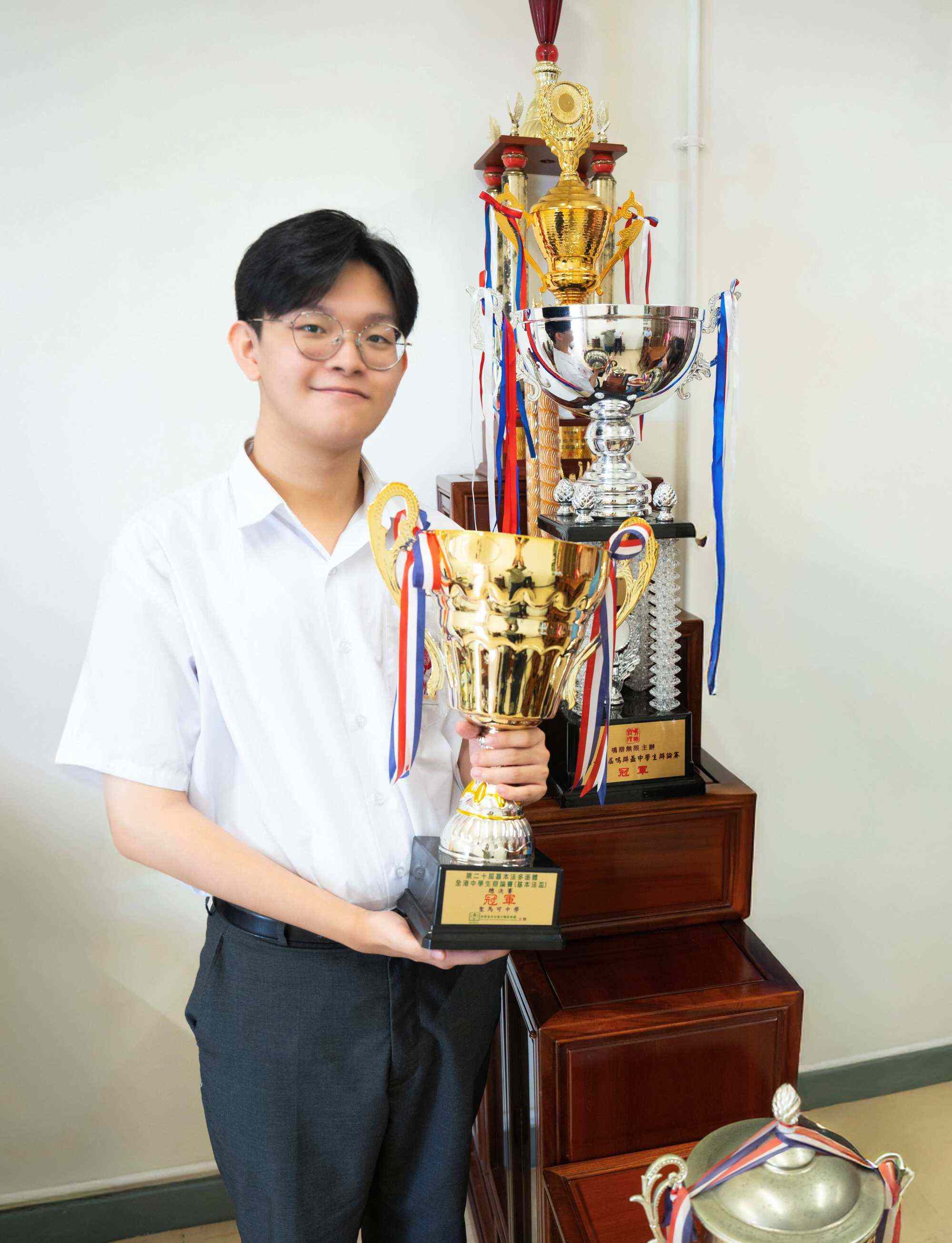
The debate captain recalled a moment where a Form One student with no prior experience led her class to the junior finals of a competition. She won Best Debater.
“Her breakthrough proved that language unlocks potential when guided patiently. Coaches and seniors who facilitate reflective dialogue help even experienced debaters reach a deeper, more holistic grasp of issues, strengthening both thinking and empathy,” he said.
Beyond competitions, Thomas uses language to empower others. He created and launched the project “Tung4 Jyut6”, partnering with doctors from Hong Kong Children’s Hospital. He had noticed some paediatric patients struggled to express themselves and answer questions.
Thomas used his debate training to design workshops for the children.
“I taught participants how to spot the intent behind questions and used mock interviews as practical preparation, mirroring how [debate] teams prepare cases,” he said. “The workshops are interactive and scaffolded, emphasising authentic expression over rehearsed answers.”
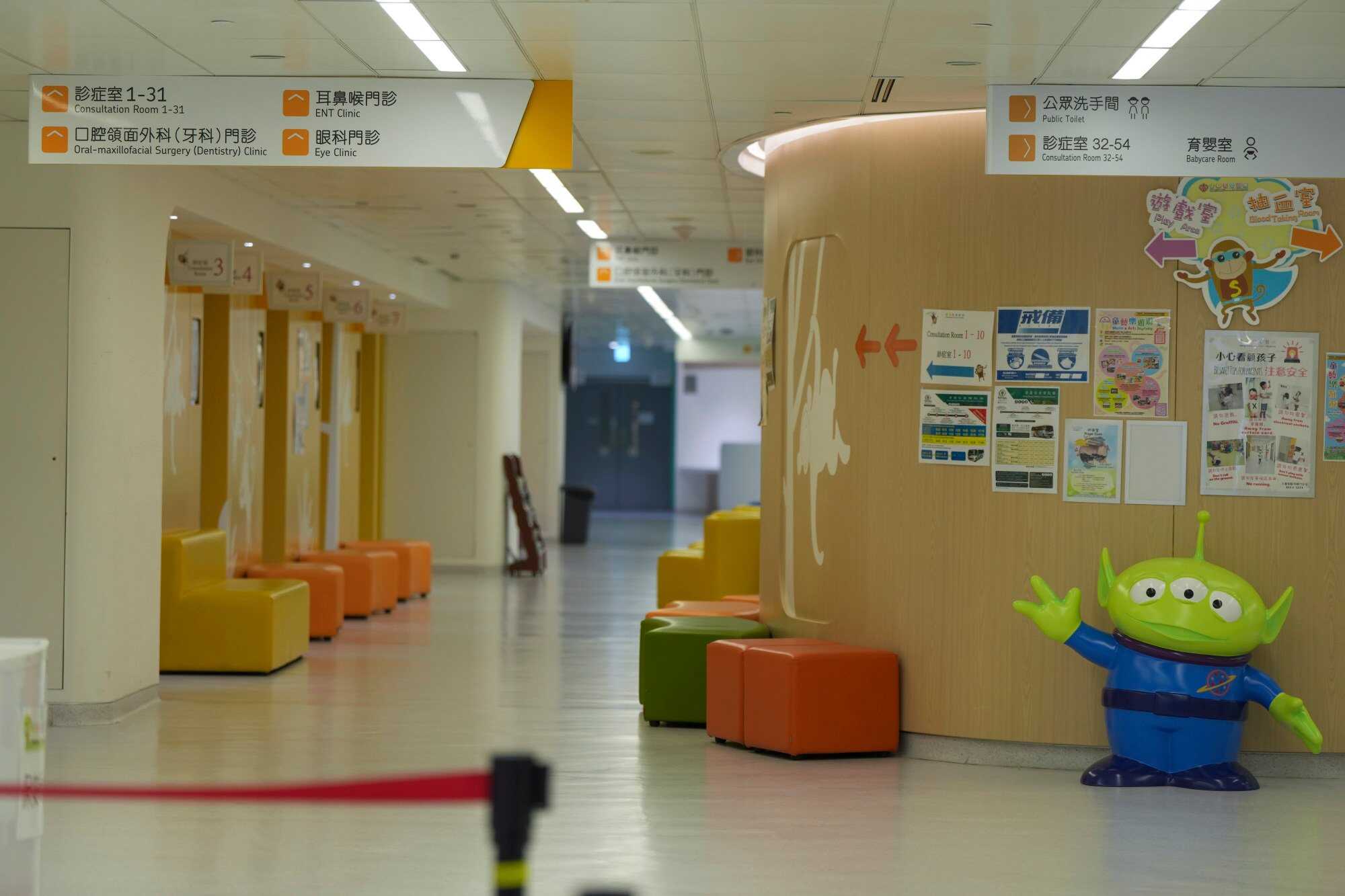
He hoped the project would empower children from low-income families and young paediatric patients. Some transformations were unforgettable.
Thomas recalled one Primary Five student who had been hospitalised for three years and had barely spoken to peers.
“We paired her with a patient, persistent volunteer who offered gentle encouragement. By the end, she answered questions with visible confidence. Her mother described it as a huge step forward,” Thomas said.
“That single exercise showed me how language, practised in a safe space, can redraw a child’s horizon and restore a voice that had been silent for years.”
Balancing debate finals, community events and the demands of “Tung4 Jyut6” has taught Thomas discipline.
He said he would keep using language “thoughtfully and compassionately to break down barriers, inspire peers to serve and turn talent into tangible social impact”.