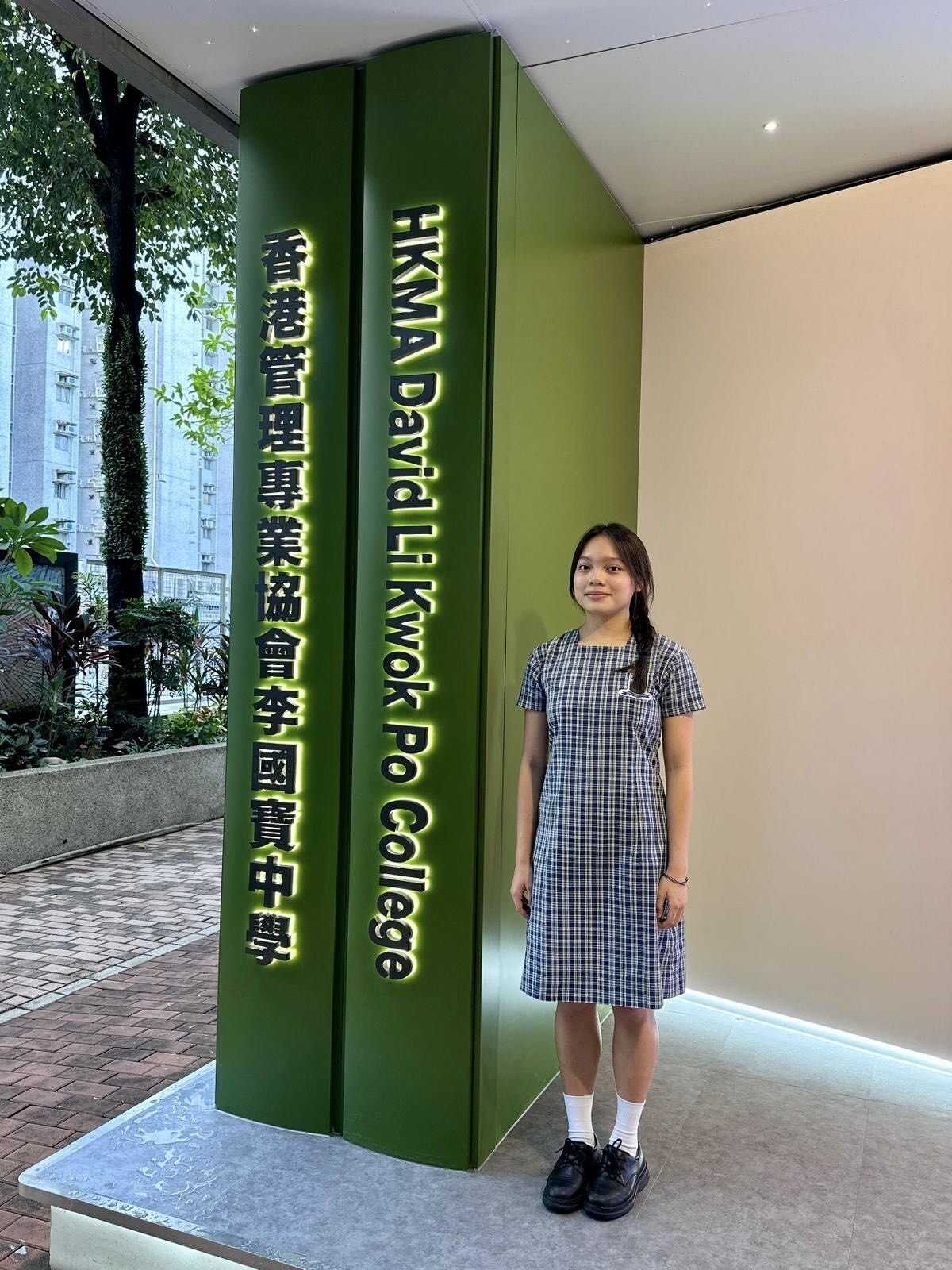
Ashley Cheung Yik-nga first noticed a racial divide on campus when she joined the house committee at her school, HKMA David Li Kwok Po College, in Form Two.
“One in five students at my school are non-Chinese, mainly from South Asia,” she said. At the house committee, “most non‑Chinese‑speaking students appeared shy, and they mostly kept to themselves”.
This observation pushed Ashley to become involved in various student organisations, turning her awareness into action. Still, “I didn’t start reaching out to them until I became the deputy head prefect,” she recalled.
“After making friends with some of them, they opened up about the discrimination they faced off campus. Their stories inspired me to promote racial inclusion at school because full integration and inclusivity in society start here.”
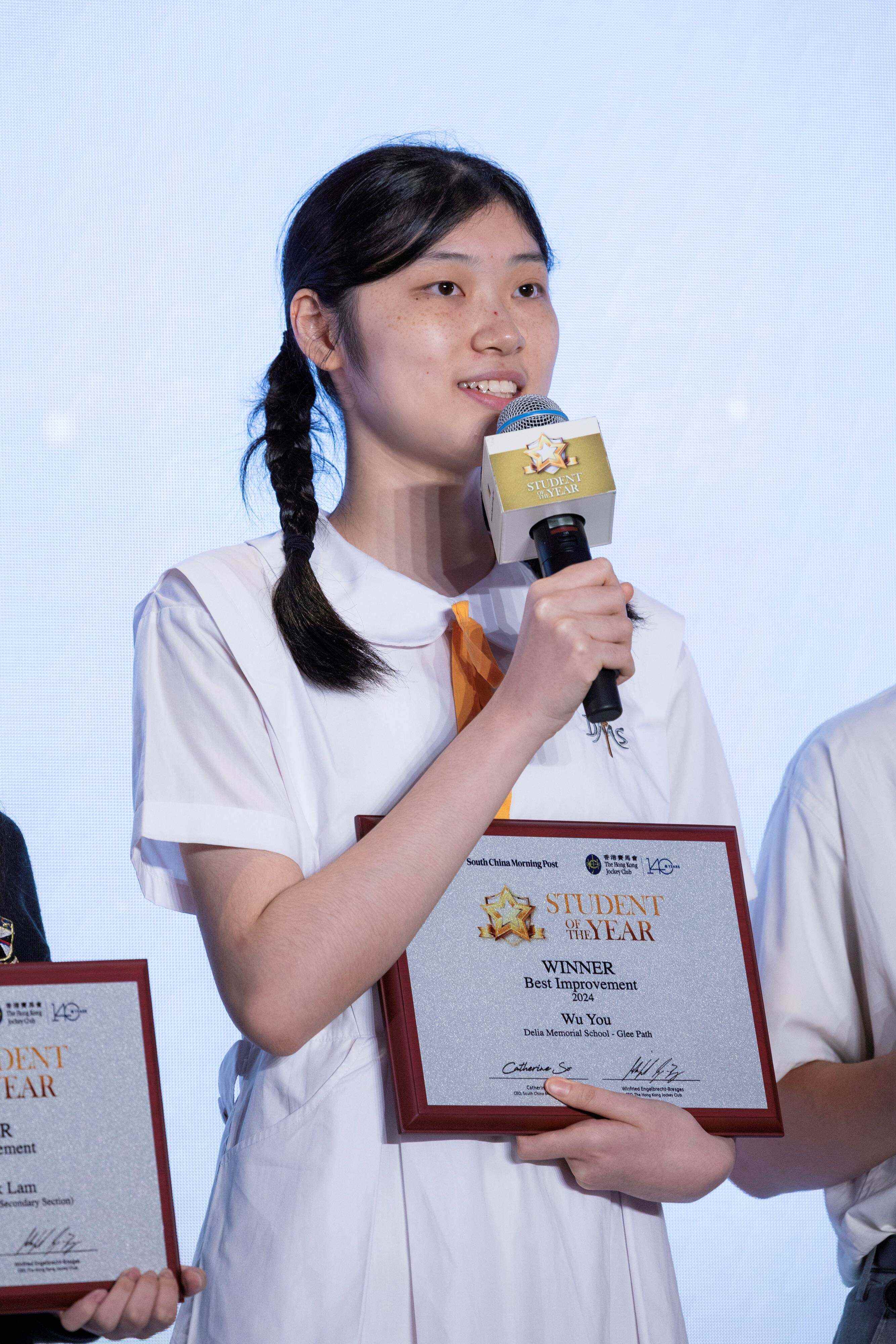
Ashley’s efforts did not go unrecognised. The 16-year-old received an honour in the Best Devotion to School category of the 2024/25 Student of the Year Awards, organised by the South China Morning Post and solely sponsored by The Hong Kong Jockey Club.
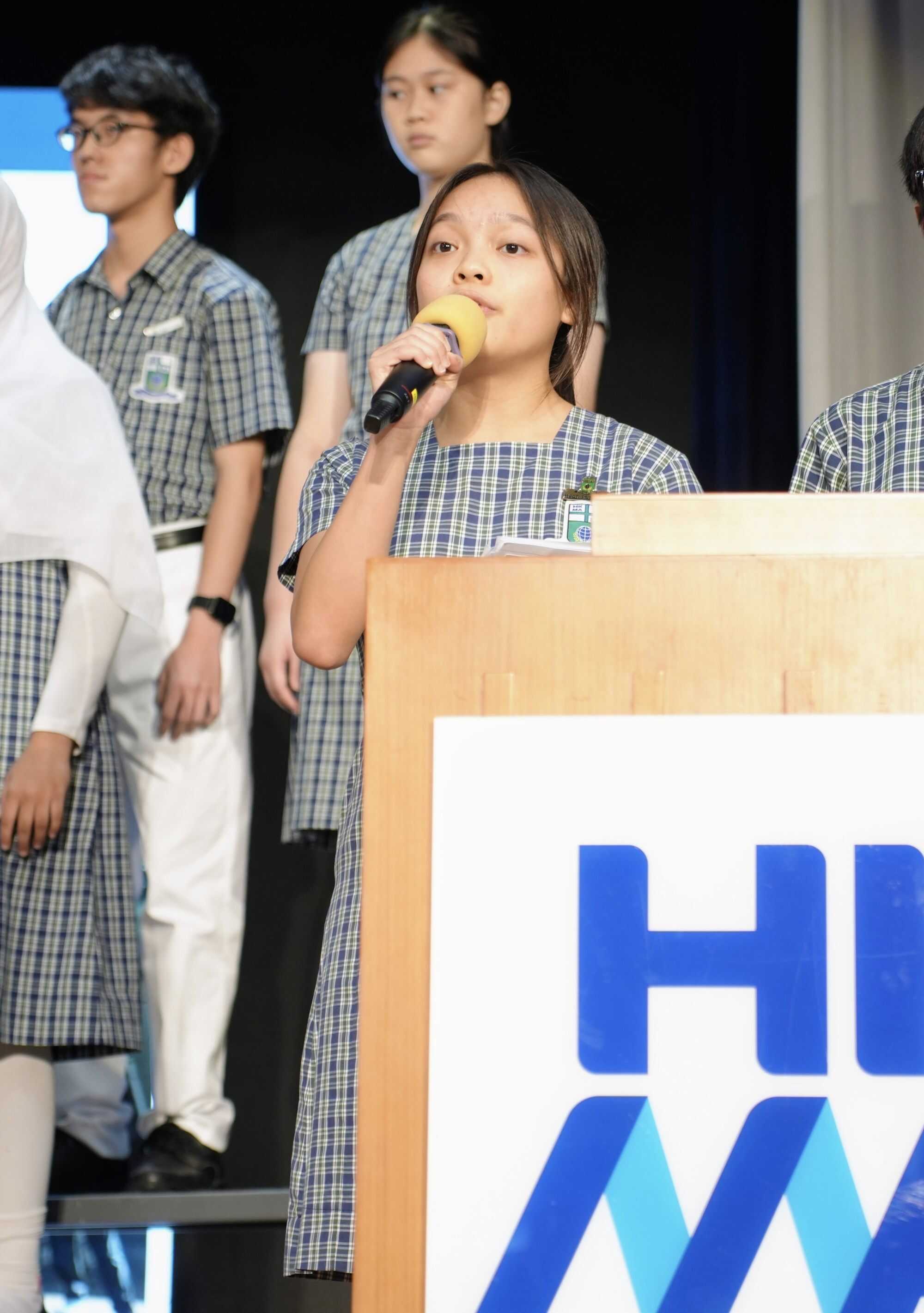
Language barriers often made it difficult for non‑Chinese students to connect with their Chinese‑speaking peers.
“Many non‑Chinese students are proud of their cultural heritage and eager to share their traditions, including singing and dancing,” she said. And, “Chinese students are curious about other cultures and love trying the traditional games their non‑Chinese counterparts play.”
What was missing, Ashley realised, was a bridge – an opportunity that would bring everyone together in a fun, welcoming way.
“I advocated for organising activities designed to engage all students. One successful example was the cultural fest, where students showcased their national costumes. Some South Asian students even demonstrated henna painting,” she recalled.
But progress didn’t come without challenges. Ashley remembers the initial hesitation among some Chinese students to join a talent fiesta organised by the Student Council.

“To encourage participation, I suggested assigning student‑helper roles specifically to Chinese students,” she noted. “Through word of mouth, more stepped out of their comfort zones. Once they saw how enjoyable the activities were, they became more involved.”
The key has always been taking the first step.
“It’s a gradual process,” she reflected. “Although it takes time to build collaboration between Chinese and non‑Chinese students, I’m glad we’ve achieved our goal.”
Her dedication was further recognised when she received a scholarship from the Race Relations Unit of Hong Kong’s Home Affairs Department. She used the funds to organise a dodgeball team and recruited members from different ethnic groups.
Her leadership roles and initiatives also led to personal growth.
“I’ve become more confident expressing my thoughts in English. Engaging in discussions with school management has been great exposure,” she said. “I’ve learned to develop solutions by considering perspectives from all sides.”
Recognition from her school, the government and the SOTY Awards has strengthened her belief that she is on the right path in promoting racial inclusion. Looking ahead, Ashley said she hoped to organise more activities that bring Chinese and non‑Chinese students together, especially those in the lower forms.