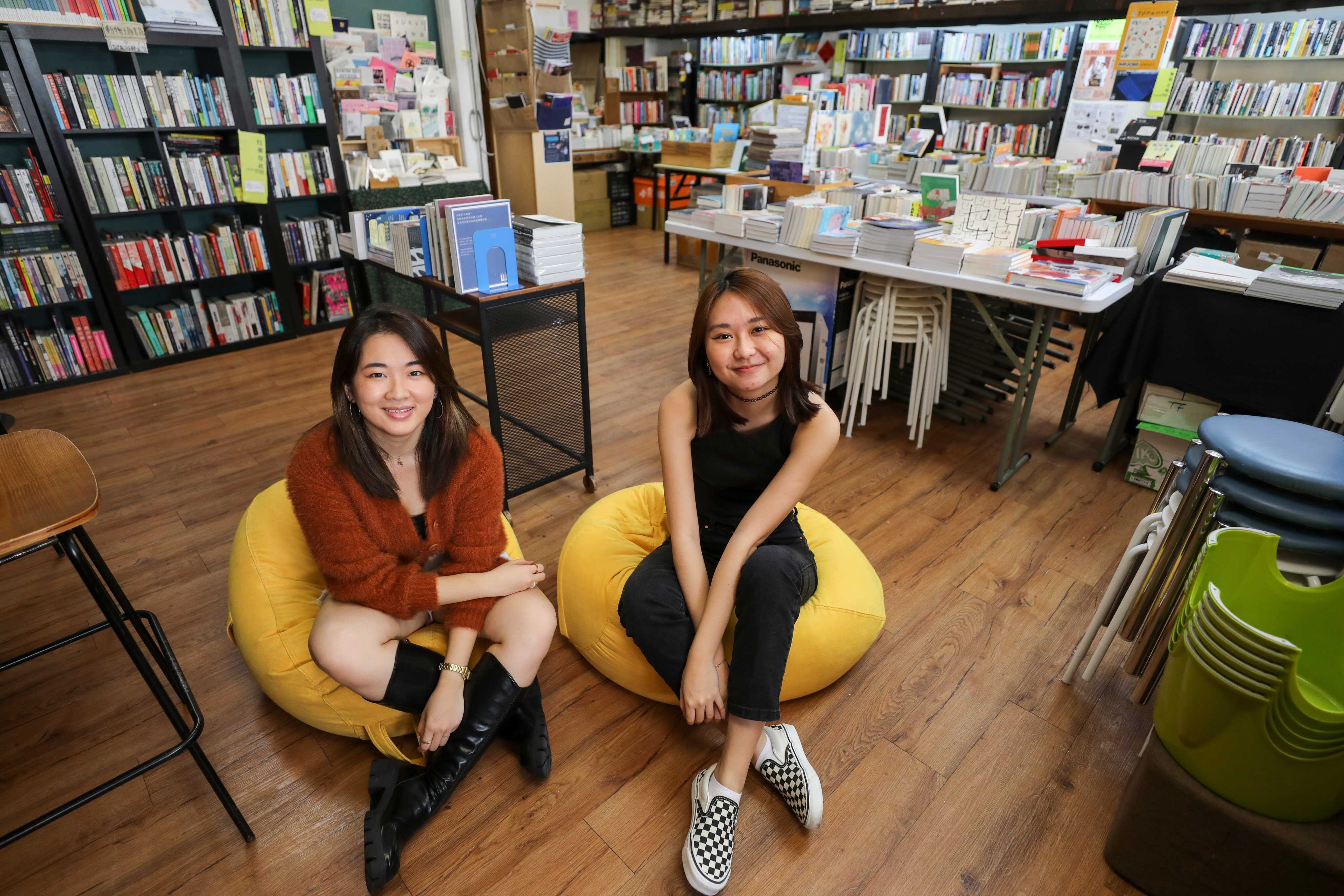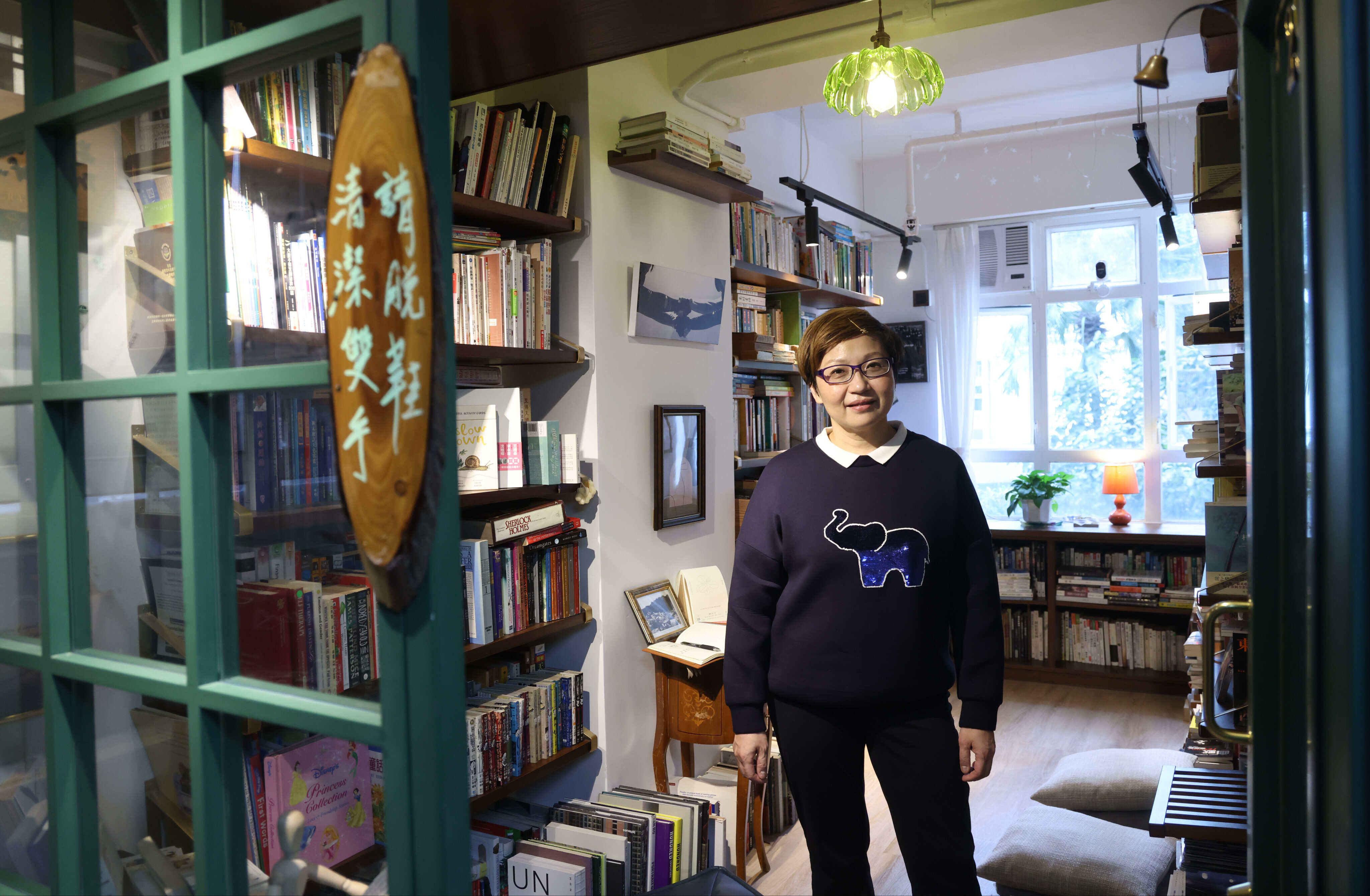
Hong Kong student Katia Alcaraz knows just the spot to hang out with friends who share her love of reading.
Once a month, the 16-year-old heads to a public library in Sai Kung to read and study, drawn by its quiet atmosphere and wide range of resources.
“Public libraries give me the chance to explore books I’ve never heard of before,” said the Grade 11 student at Hong Kong Academy. “I truly believe there’s nothing better. They give me a quiet space to focus and access a variety of materials.”
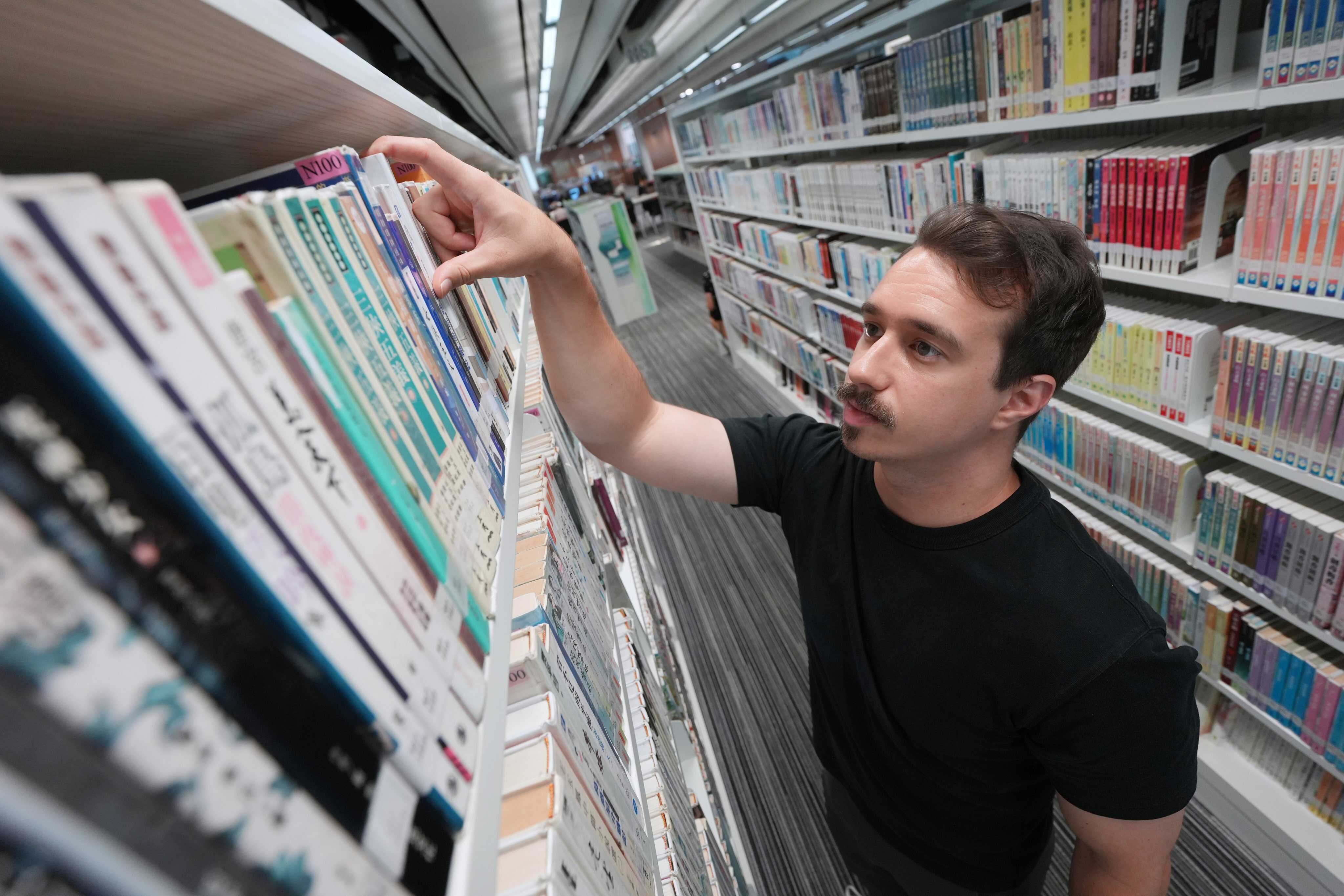
Another library aficionado, author and content creator Steven Stratman, has made it his mission to visit and document every public library in Hong Kong. His videos inspire viewers to rediscover these reading spaces.
Stratman, who moved to Hong Kong from America nine years ago, said he appreciated how each of the city’s libraries had “its own flavour”.
He explained: “The architecture, the people, the vibe – it all ties together. You get everything from sleek steel-and-glass buildings to libraries tucked above wet markets, which makes exploring them so much fun.”
He is fascinated by the way some older libraries are integrated into municipal buildings or wet markets.
“It’s almost an analogy for all of Hong Kong – finding space to fit these essential services wherever you can,” he noted. “Where else in the world do you weave through wet market tables to get to a library entrance, like on Electric Road? That’s special.”
One of Stratman’s favourite libraries is in City Hall.
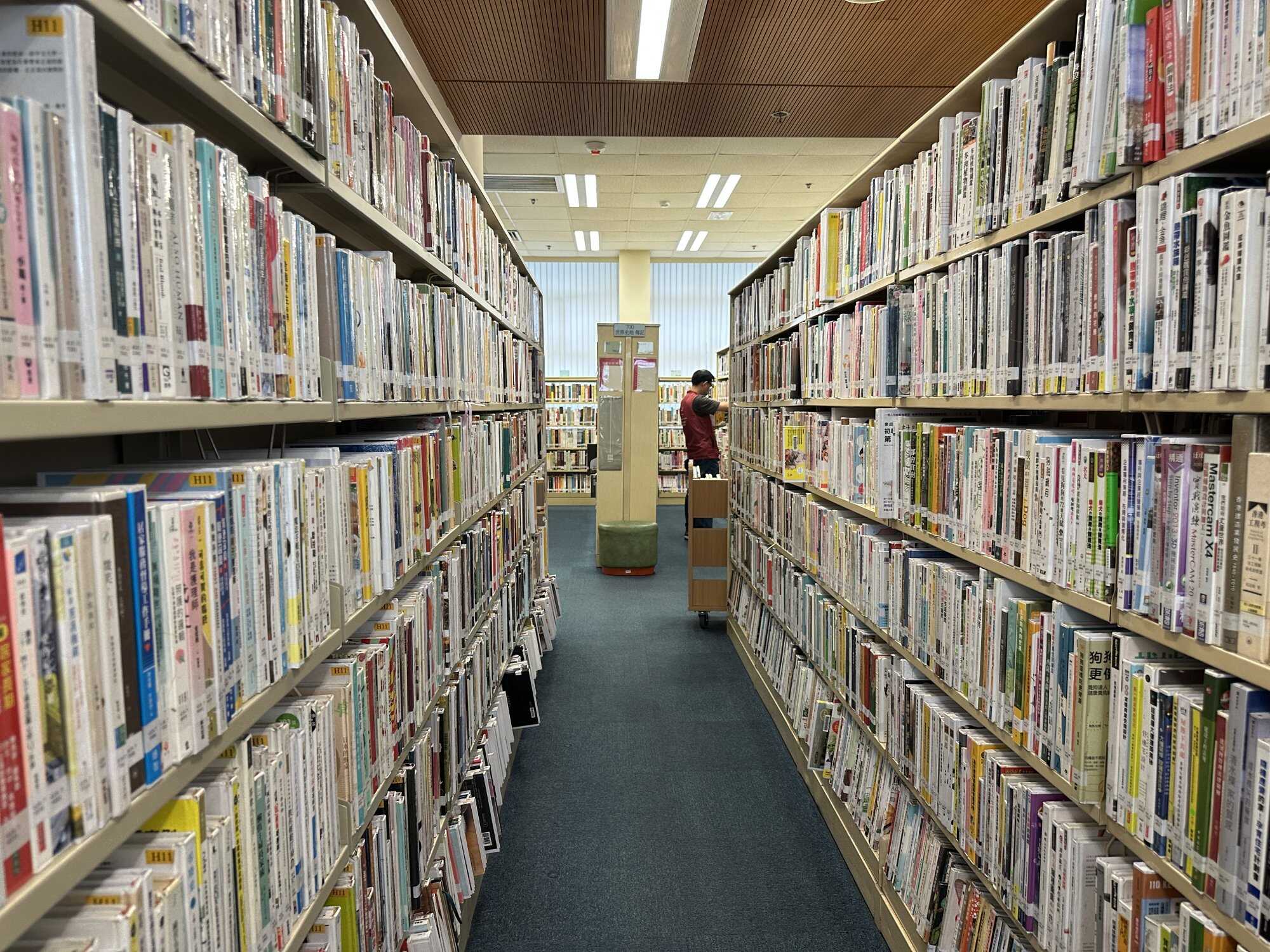
“It feels like you’re in a book cave – the smell of the books and feeling a little adventurous, like you could get lost there. I think that’s really cool,” he said.
He pointed to other reasons that Hongkongers go to the library: to escape the hot weather and noisy streets.
“There’s also a respect for quiet that you don’t find everywhere ... That’s so rare, especially in a noisy city like this,” Stratman said.
Redefining library engagement
But for many other Hongkongers, public libraries have a dull reputation as study spots. And after years of pandemic restrictions kept visitors away, libraries are struggling to bring them back.
Despite efforts to enhance existing facilities, physical visits have yet to recover. According to the Leisure and Cultural Services Department, visits dropped from 34.7 million in 2019 to just 21.5 million in 2023, before slightly rebounding to 23.8 million last year.
But the use of e-books soared from 960,000 in 2019 to a record 3.39 million in 2020, and the demand has remained even after the pandemic. Last year, the city logged 2.32 million e-book uses.
Libraries around the world are seeing similar trends to those in Hong Kong.
A 2024 survey of North American libraries found in-person visits have rebounded slightly since the pandemic, while e-resource use has hit new highs.
Ku Kam-ming is president of the Hong Kong Library Association, a group formed by librarians to promote the profession. Ku said physical visits were no longer the best indicator of how people use public libraries today.
The steady usage of e-books and other e-resources shows that people are still reading – just in a different way.
“Declining visits signal a shift, but not the end of libraries,” Ku said. “They underscore the importance of adapting services ... to sustain a reading culture in both physical and digital realms.”
Ku explained the need for a dual strategy: “Libraries should continue enhancing digital services such as e-lending and databases, while also making their physical spaces more attractive.”
The librarian added that Hong Kong could learn from library initiatives elsewhere.
He observed how Shanghai Library East functions as a community hub, blending library services with art, performances and learning spaces.
Ku also pointed to how some public libraries in mainland China offer door-to-door book couriers and integrate their services with art and museums.
Renewed interest
Stratman’s videos online touch on the unique design and atmosphere of each library he visits. He was surprised by how his content resonated with Hongkongers, sparking a renewed appreciation for their neighbourhood libraries.
“Some people tell me they’ve lived in a district for 20 years and never realised there was a library tucked inside a municipal building,” he said. “Others, especially Hongkongers who’ve moved abroad, said my content instantly brings them back to their childhood.”
He added: “People reached out to say they’ve never looked at their neighbourhood library that way before – that it took someone from the outside to help them see how unique these spaces are.”
For teenagers, he hopes his content can inspire them to “ditch their electronics and go to the library”.
“You’ll remember sitting in that chair, reading that book ... You probably won’t remember where you were when you read an article on your phone,” he said.
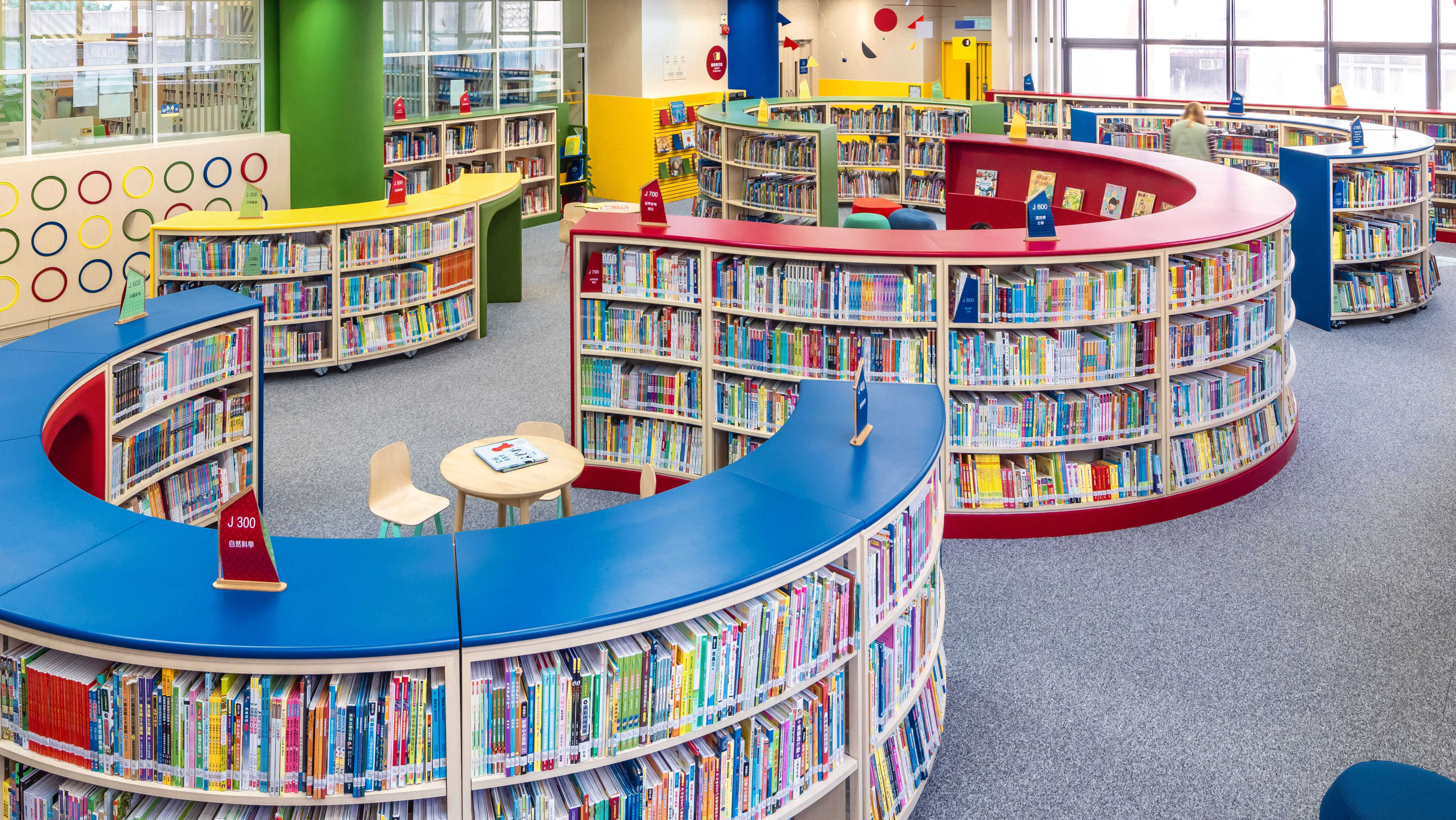
But Stratman noted that libraries needed to make their spaces more inviting and comfortable for young people.
“The student study areas are quite drab, almost like a hospital,” he said. “These kids are under so much stress ... and they spend hours in these rooms with bad lighting.
It wouldn’t take much, just a little colour, to make the spaces more welcoming. That could go a long way.”