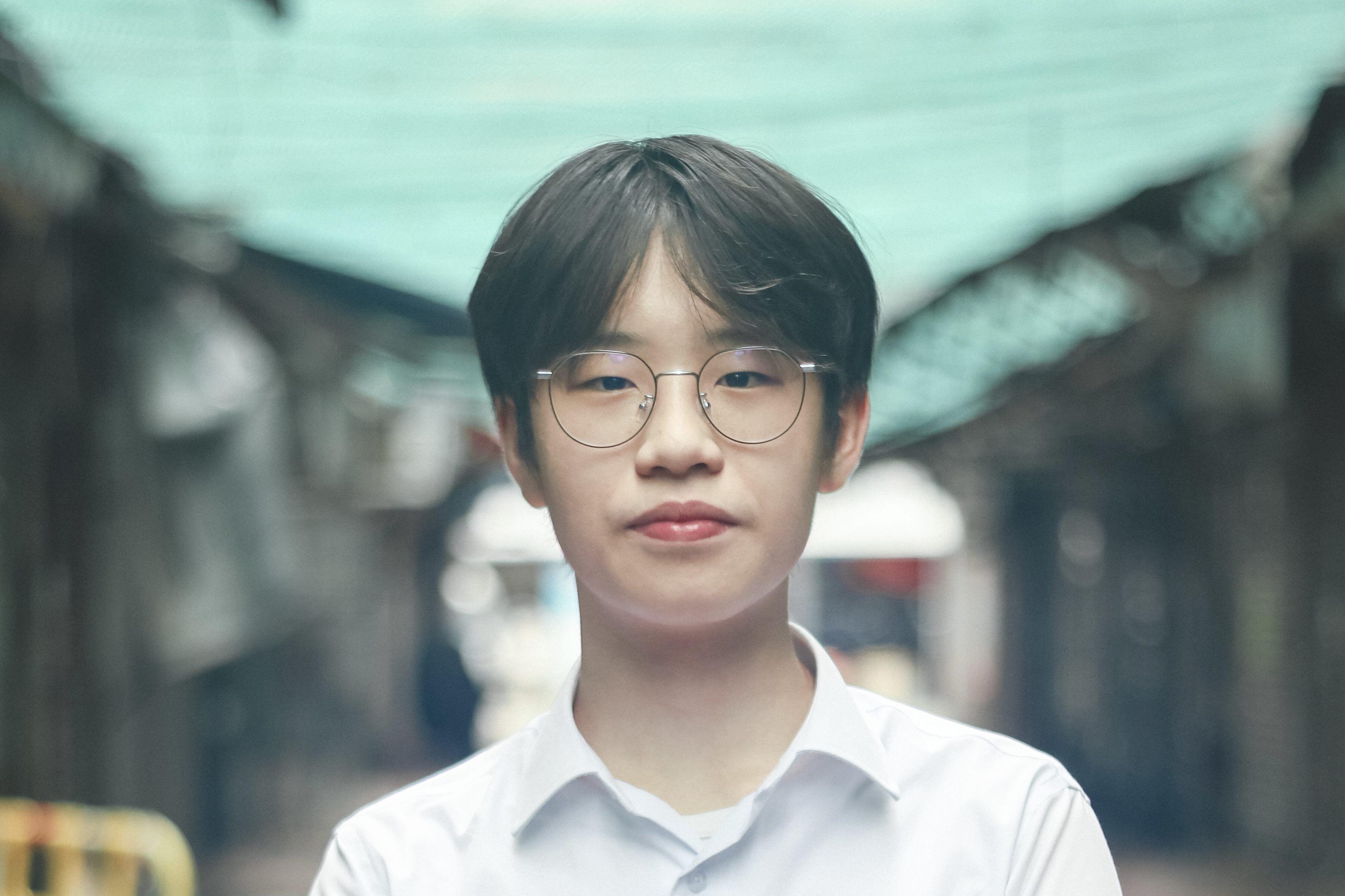
Lam Ka-hei’s eureka moment came during his first outreach activity shortly after joining the Community Service Union as a Form Two student at Cheung Sha Wan Catholic Secondary School.
“It was during the pandemic; we visited a cleaning station in Sham Shui Po and handed out heat-relief supplies like fruit and beverages to the cleaners. They were genuinely pleased,” Ka-hei, 17, recalled.
“That experience made me realise that care initiatives must be tailored to [someone’s] specific needs, many of which we’re often unaware of.”
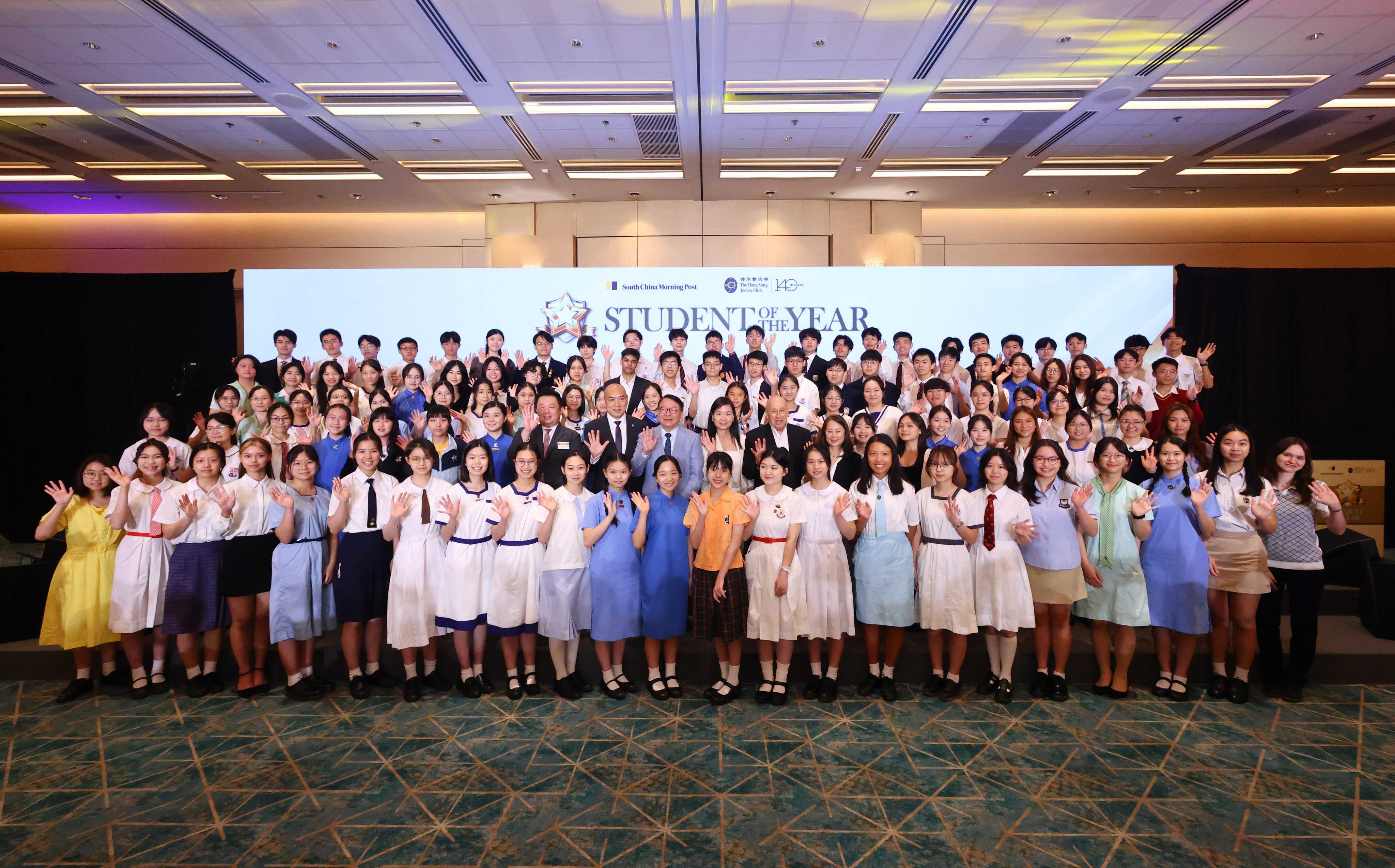
Ka-hei was recently honoured with the top award in the Community Contributor category at the Student of the Year Awards 2024/25. The prestigious award is organised by the South China Morning Post and solely sponsored by the Hong Kong Jockey Club.
Now a Form Six student, the valuable lessons Ka-hei has absorbed have taught him how to effectively design and lead outreach initiatives: “For example, when we interact with children at Po Leung Kuk Children’s Home, we need to be especially empathetic and sensitive,” he said. “Many of them have endured traumatic experiences.”
He emphasised the importance of seeing through the eyes of service recipients when planning activities. Ideally, an initiative should be both impactful and results-driven – an approach that not only enhances effectiveness but also fosters meaningful connections between volunteers and those they serve.
Guided by this philosophy, Ka-hei has spearheaded a range of outreach projects. His team has distributed warm meals to those in need and, during one Easter holiday, they brought joy to children at the Children’s Home through games and small gifts. They’ve also conducted Chinese-language classes for children from ethnic minority backgrounds and collaborated with volunteers from Tak Nga Secondary School to organise games for visually impaired residents.
“We always try to integrate learning into our activities,” Ka-hei explained. “For instance, with help from the science and pet clubs, we organised a visit to our school’s lab and brought pets to a gathering so kids could learn a bit about biology.”
Ka-hei acknowledged that one of the initial challenges was mentally preparing volunteers. “We provide training to cultivate the right mindset: open, warm and empathetic. Volunteers should be able to connect with others through genuine interaction,” he said.
The journey has been deeply rewarding for Ka-hei and his team. “Many students change their perception of low-income communities after participating [in community initiatives]. They promote mutual understanding and inclusion,” he explained.
Ka-hei hoped his work would inspire more young people to get involved in community service. “I want the younger generation to cultivate empathy and sharpen their observation skills – to truly understand people’s needs,” he said. “With the right attitude, they can create projects that make a real impact.”