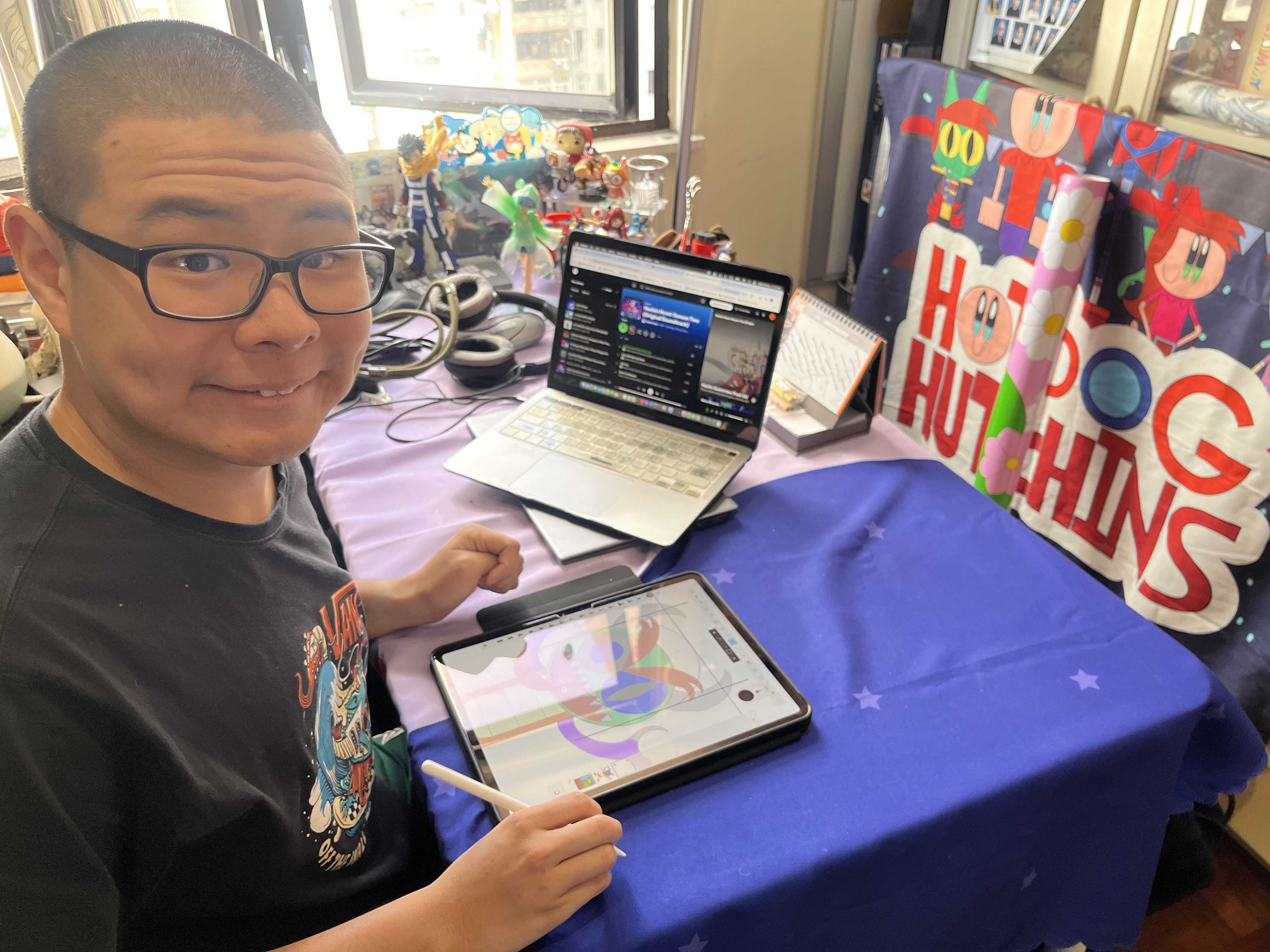
Neurodivergent cartoonist Justin Tan Haozhi believes that no villains are purely evil. Kindness and optimism can always be found beneath the world’s cruelty.
The 22-year-old’s cartoons feature a mix of old castles and knights as well as robots and futuristic machines, all coexisting in harmony. Every story has humour, love and happy endings.
Diagnosed with autism and attention-deficit/hyperactivity disorder (ADHD) at the age of three, Tan creates art based on his lived experiences, such as being bullied in school and feeling misunderstood.
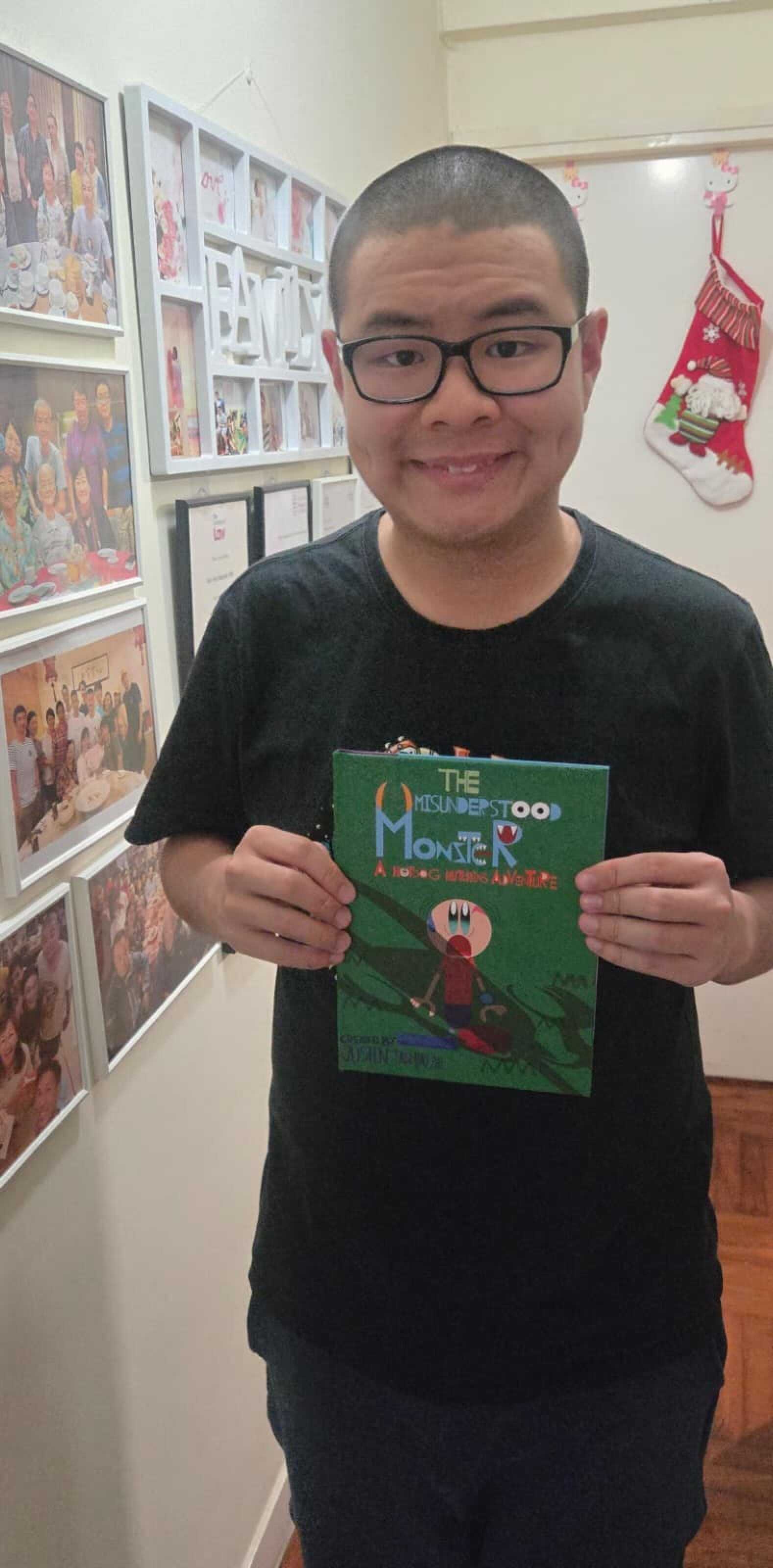
At 15, Tan lost his mother to cancer and channelled his grief into writing and illustrating a fantasy comic book, The Misunderstood Monster: A Hotdog Hutchins Adventure.
Annie, a nurturing figure in the book, is a tribute to his late mother.
Of the many stories Tan has worked on over the years, he chose to publish this one because it is closest to his heart.
Through storytelling, Tan hopes to inspire young readers to show empathy – especially towards children with special educational needs (SEN).
“Treat everyone fairly, no matter who they are,” he said. “And never give up.”
For Tan, being neurodivergent means that he experiences the world differently: thinking at his own pace, focusing intently on his interests and needing breaks during conversations.
Rather than viewing conditions like autism, ADHD or dyslexia as flaws, the term “neurodivergence” recognises them as natural variations in how people think.
Tan’s stepmother, Donna Yau Yuet-wah, said he found solace in his illustrations.
“Drawing became a way for him to release his emotions. He takes in a lot – good and bad experiences – and sometimes gets frustrated, so he turns those feelings into sketches,” she said.
An artist’s growth
After earning a higher diploma in illustration from Hong Kong Design Institute and a top-up degree in illustration from the University of the West of England, Bristol, Tan is now studying product design at the Technological and Higher Education Institute of Hong Kong.
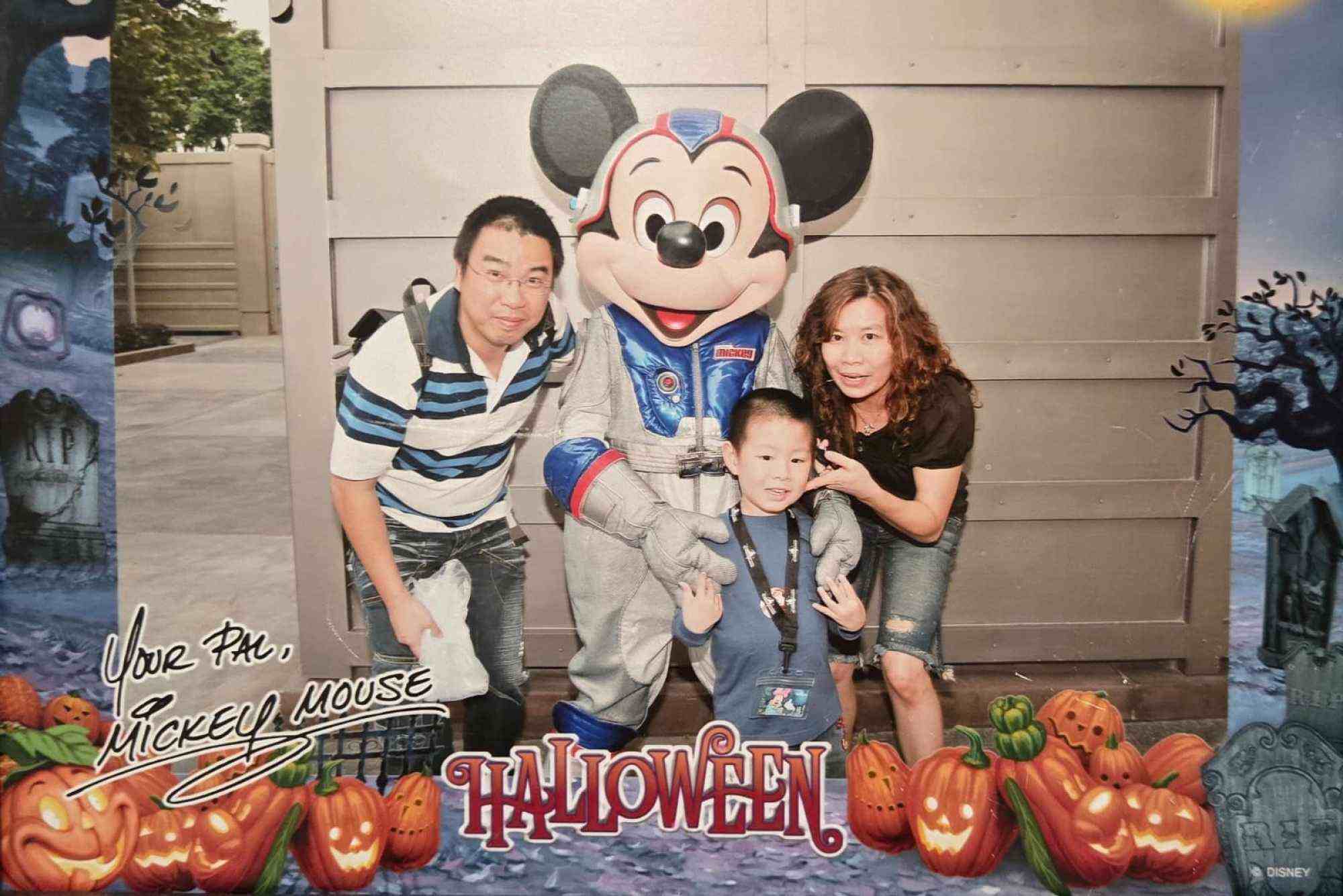
His journey into art began when he was three, as his parents trained him to draw circles and straight lines to improve his dexterity. Over time, he naturally progressed into drawing cartoon characters.
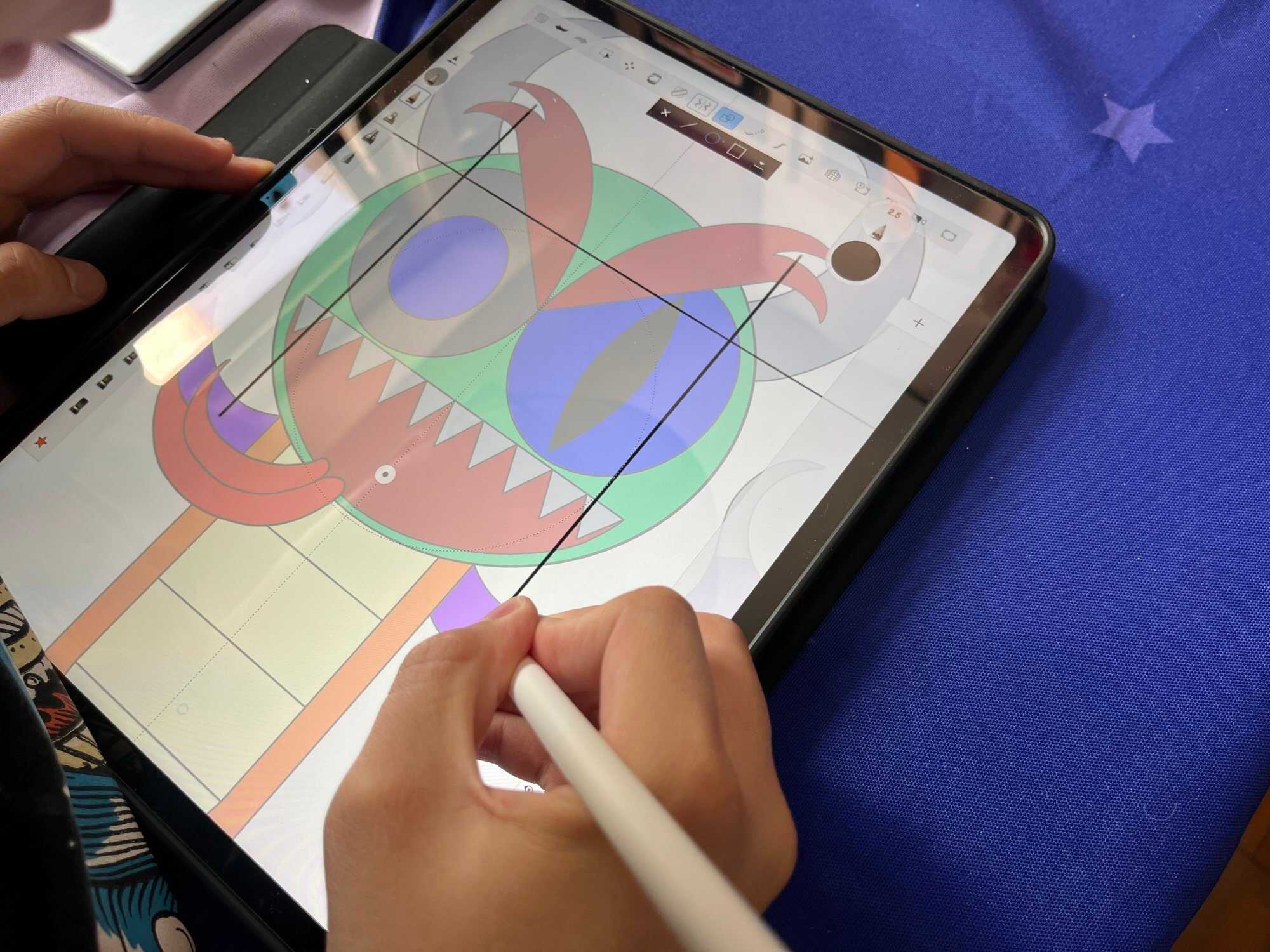
To help Tan refine his techniques and encourage his passion, his family hired an art teacher who introduced him to colour theory and digital drawing tools. Tan eventually transitioned from paper sketches to iPad illustrations.
Eager to share his work, Yau helped her stepson print his comic books through a Fotomax shop, and Tan knocked on doors in his building to promote his books.
However, some neighbours thought this was intrusive and complained to the building management.
School life was also difficult as Tan was often excluded for being different.
“There were bullies,” he said. “They did not leave me alone. They didn’t like me. But the bullies are gone now.”
An inclusive publication
A turning point came after Yau shared Tan’s work with another Hong Kong parent who also understood the struggles of SEN children.
Rosalind Lee Suk-yee, who is an accountant and honorary secretary of the parent-teacher association for Renaissance College, was moved to tears after reading one of Tan’s stories and decided to help him publish The Misunderstood Monster.
“The story about people misunderstanding someone who only wants to help reflected so much truth,” she said, explaining that Mr Huggypants, the monster in Tan’s story, was a misunderstood soul who just wanted to do good.
“It’s a powerful message: don’t judge people by appearances. Try to understand what’s underneath.”
Tan’s story resonated with Lee because her son, who struggles with reading and impulsivity, was diagnosed with mild ADHD last year.
“It reminded me of how my own son was sometimes rejected at school – not so much by kids, but by adults who should know better,” she said. “Once, I even heard a grandmother tell her grandson, ‘Don’t play with him, he’s a bad boy.’ It broke my heart.”
The mother emphasised that with the right support, SEN students could succeed.
In hopes of spreading awareness, Lee is helping Tan set up a booth for his book at Renaissance College’s Open Day event later this month.
“I wanted to bring him back into the community, to remind people that inclusiveness matters – especially in schools,” Lee noted.
Lee said that her social enterprise, 404 Not Found Limited, would serve as a publisher to fund Tan’s comic books and other works from the city’s SEN students.
“There are so many people in this world who are ‘not found’ – people who hide because they’re misunderstood or left out,” she explained.
“That’s our dream: to make inclusion real.”
The group has printed 100 copies so far, with plans to translate Tan’s work into Chinese, French, German and Khmer with help from like-minded parents.
A better place for SEN children
In the 2024-25 school year, Hong Kong had about 67,870 SEN students in public schools, with ADHD being the most common diagnosis.
While some families shy away from the government’s Registration Card for People with Disabilities – commonly known as the “white card” – Tan’s parents saw no shame in applying for their son’s disability status.
“Even though we want to protect him forever, it’s not realistic. So one day, he’ll have to find his own way. That’s what we’re preparing him for,” said Tan’s father, Eric Tam Chi-chuen, who goes by the surname Tam.
He has always believed in helping his son engage with the world, not hide from it.
The father shared that the family used to hire a domestic worker to take care of Tan. But now, Tan has learned to take care of himself: he goes to school on his own, eats outside and hikes almost every day.
In addition to his schooling, drawing lessons and English tutorial classes, Tan also has regular support from counselling sessions and a social group for SEN students.
“We encourage him to meet people and explore, and I don’t feel bad having a special kid. I actually tell everyone I meet,” the father said. “I want more people to know about them. Hopefully, there can be a better world for them.”