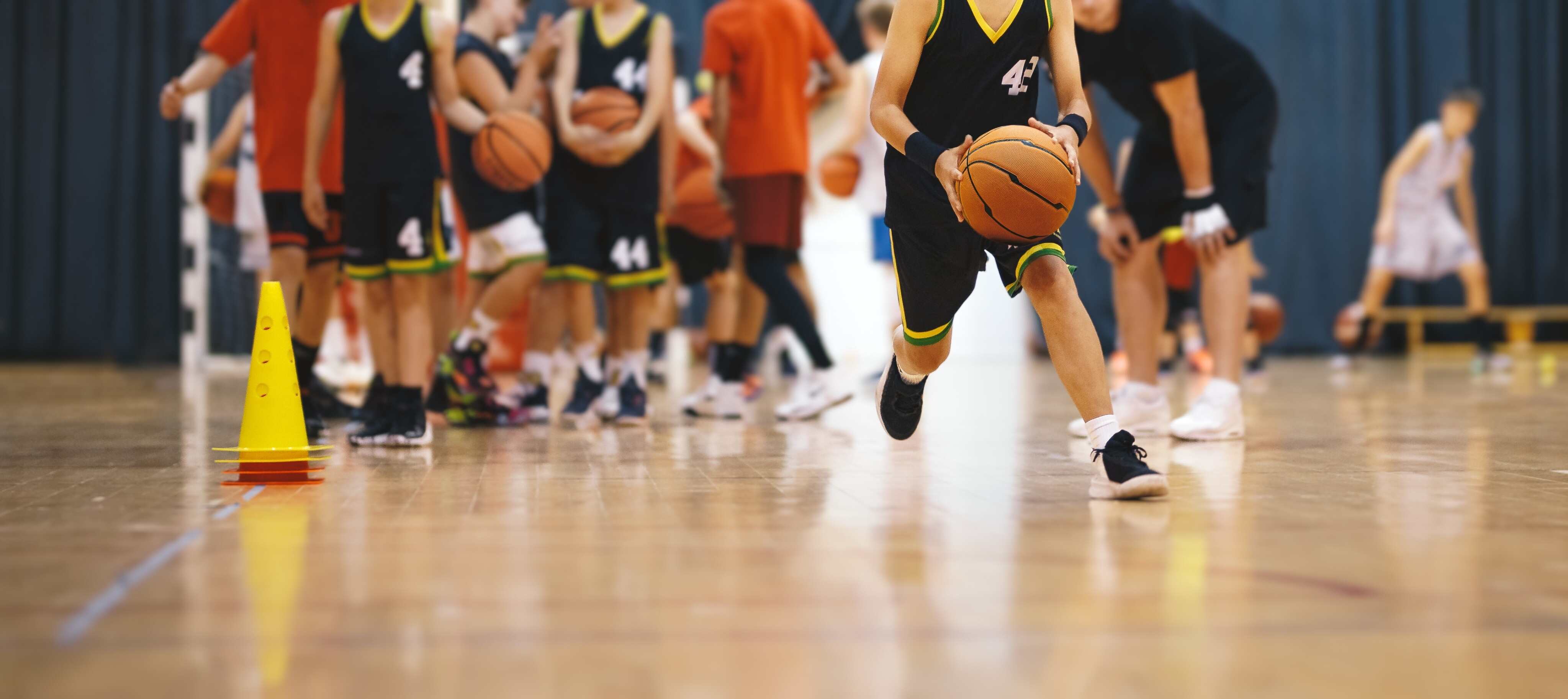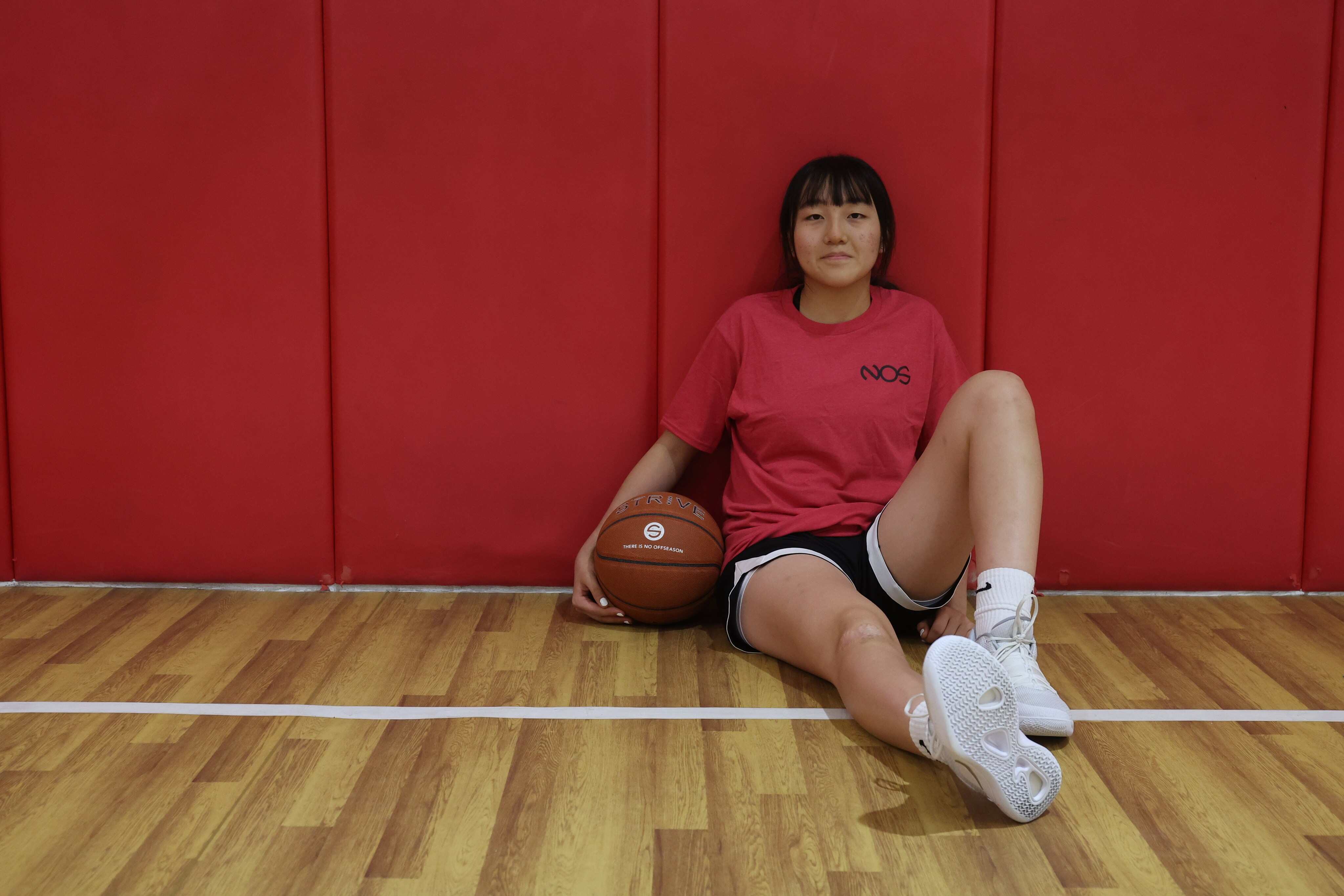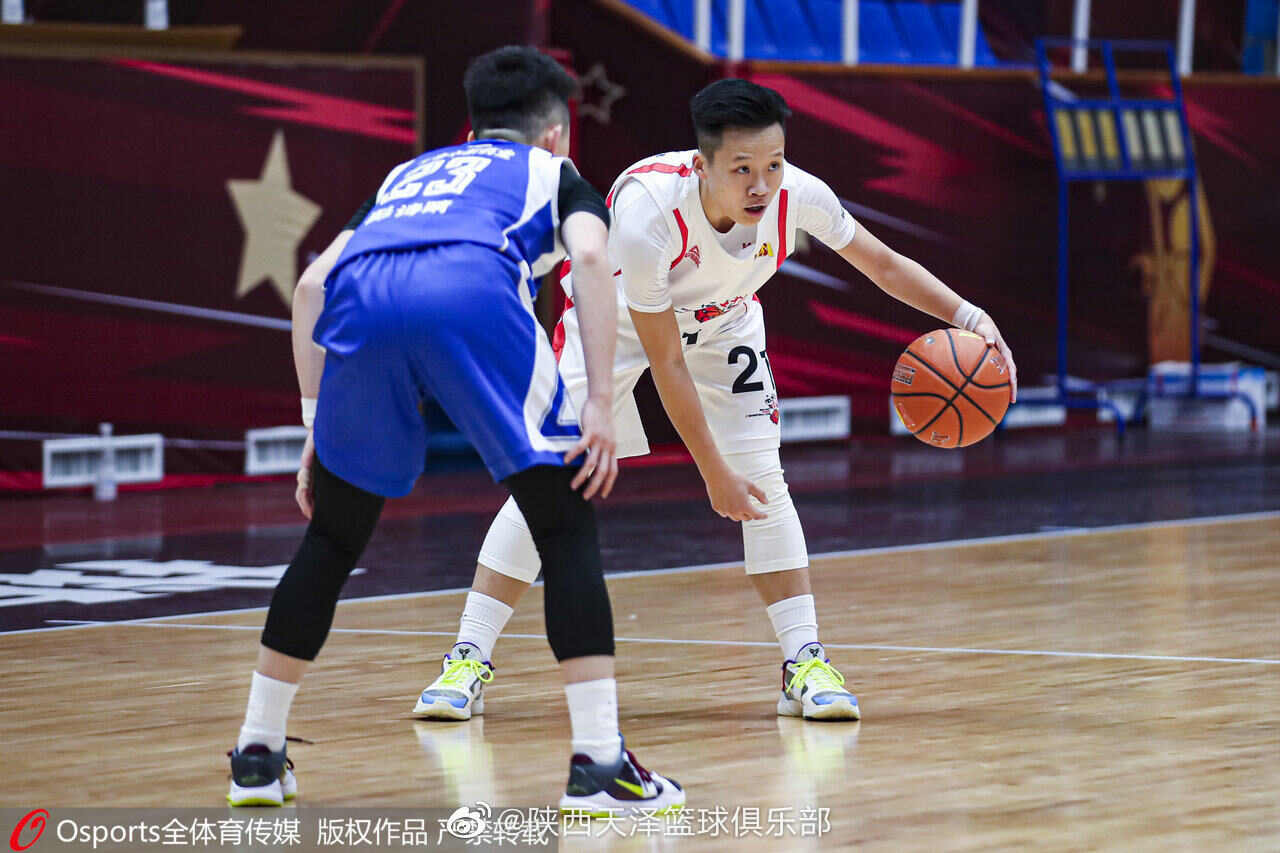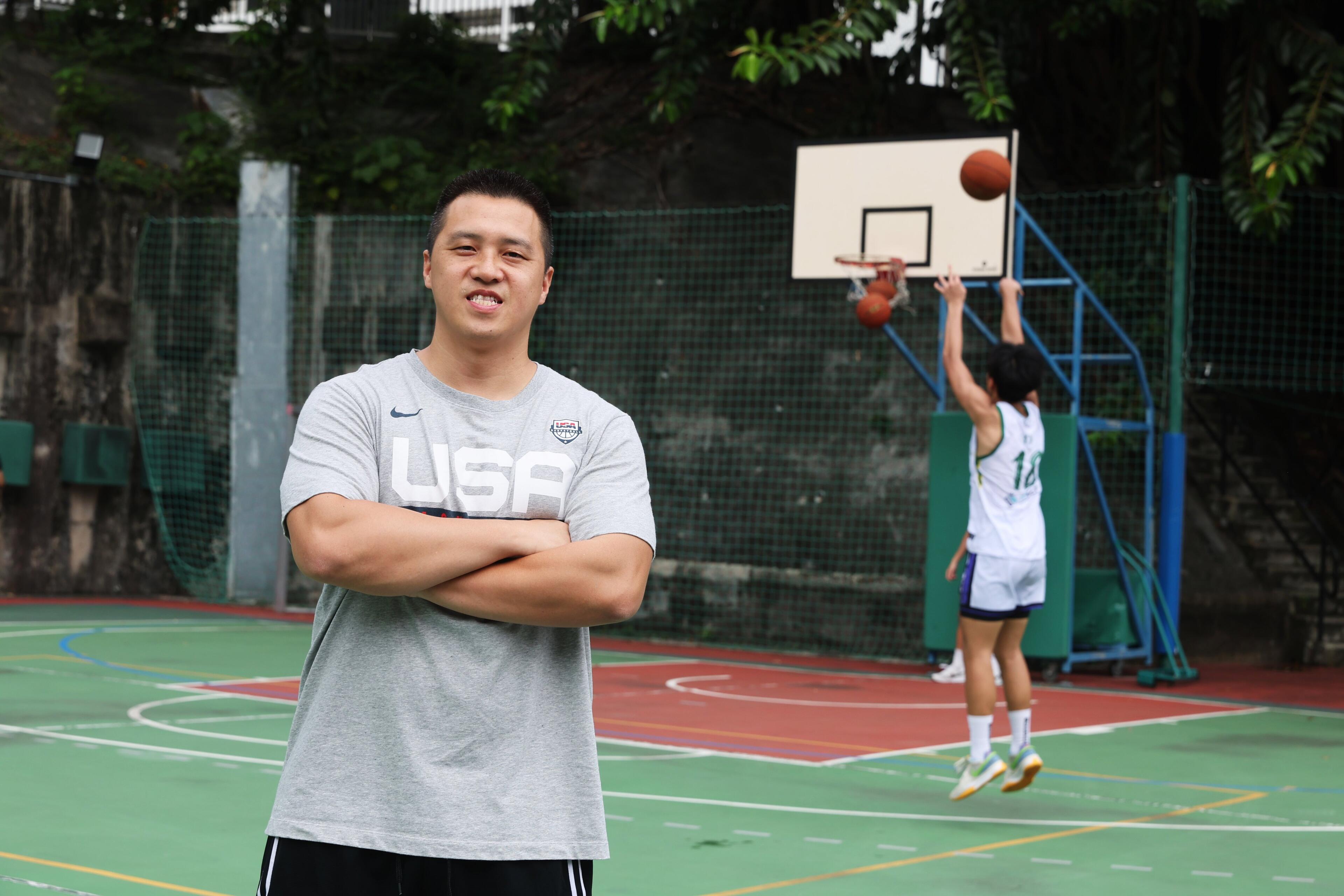
At ELCHK Lutheran Secondary School, coach Lee Ki – who is also one of Hong Kong’s most decorated basketball players – guided students as they shot hoops during their morning training session.
For the veteran athlete, victory is now about using sports to help dejected students believe in themselves.
“I hope that students who lack motivation – those who just wait for the bell to ring, doze off in class or study only to pass – can learn to face failure, identify their weaknesses and focus on a goal,” said the 38-year-old, who is also a physical education (PE) teacher at the school. “That, at least, gives their lives meaning.”
In 2017, Lee led the Hong Kong Eastern Basketball Team, a professional basketball club known as the Eastern Long Lions, to win their first Asean Basketball League championship title. He continued his winning streak in 2018, when he helped them capture the Hong Kong A1 Division Championship.
But Lee’s rise to success might never have happened without his secondary school PE teacher, who inspired him to pursue his basketball dreams.
After six years as a professional athlete, Lee hoped to do the same for the next generation when he decided in 2021 to dedicate himself to teaching full time.
This year, both the boys’ and girls’ basketball teams at ELCHK Lutheran Secondary School achieved a breakthrough, qualifying for Division One in the Inter-School Basketball Competition. Competition will be tough in this group, but Lee hopes the teams will persevere.
“Even if our boys and girls may not be able to compete with the traditional elite schools or may even be defeated, they don’t give up playing,” the coach said.
“It’s about taking it one step at a time; you can’t get to the top in a single leap.”
For Lee, winning is not the most important thing. He wants the students to focus on improving themselves and apply the lessons learned in sports to the rest of their lives.
“I hope they can use the way they handle these various difficulties encountered in sports to deal with future life goals and challenges,” he said. “If you fail, are you just going to stop moving forward?”
It’s not all about winning
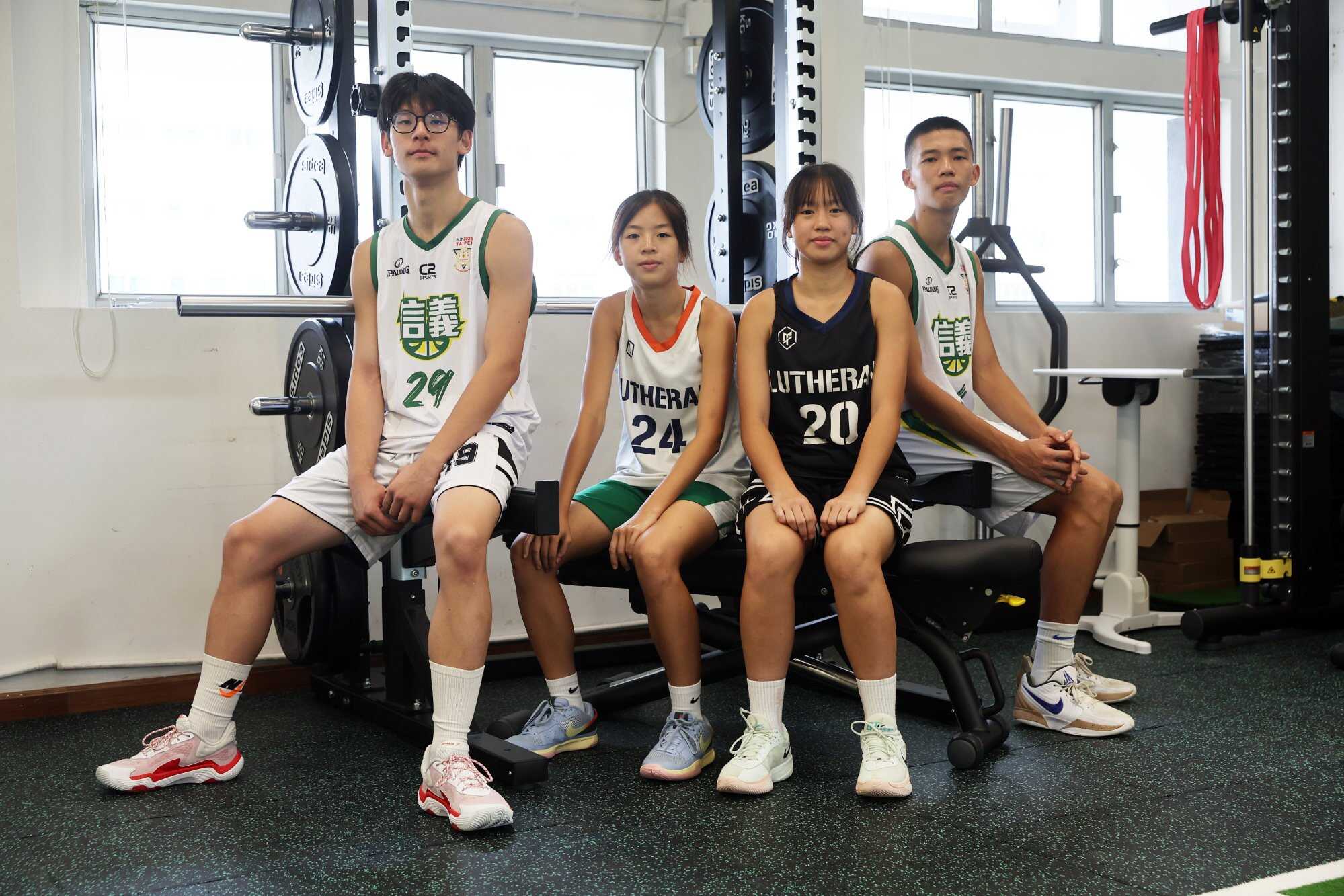
As part of ELCHK Lutheran Secondary School’s top boys’ team, Ray Lin Bai-rui’s goal is to take part in the All Hong Kong Schools Jing Ying Tournament, where the top six Division One teams compete. For the Form Five student-athlete, basketball has built his self-confidence.
“Playing the sport made me realise what I was capable of. On the court, I feel free,” the 18-year-old said.
“If you can be disciplined with yourself in basketball, then you will apply that same demanding standard to your studies or anything else you do.”
Another basketball player, Form Four student Andy Hui Wang-tik said: “[It’s the] same as life: it all comes down to perseverance ... When people find basketball tough, they might choose to quit. But they might be just a little bit of extra effort or a couple of steps away from success.”
Wong Hoi-shan, the PE teacher who coached the girls’ squad, said the team trained intensely, and in her second year as a coach, they won the runner-up title.
“When they achieved that, they felt that their hard work had genuinely paid off. That success began to inspire the younger students, and the squad has continued to grow ever since,” she said.
Female player Tam Hei-tung, 16, said: “Sports not only benefit your body and health, but you can also meet different friends and build friendships in the process.”
Why students must balance sports and academics
While Lee noted that sports had seen more recognition in Hong Kong since the city’s wins at the Tokyo Olympics, this had not led to changes for basketball, which is not considered an elite sport and thus has fewer resources.
Lee called for the city’s government to increase the number of interschool basketball games for students. He proposed raising it from five group matches a season to 10.
“[For] interschool competitions ... even in Division One, one grade only plays five group stage matches among six teams in a year. Five official full-court games a year is extremely few,” he said, comparing that with the 50 or 60 games students in other parts of Asia might play in a year.
Because of the lack of resources for basketball in Hong Kong, Lee makes sure his student-athletes do not overlook their academics.
“We hope they can find a balance between studying and playing sports. In Hong Kong, you absolutely cannot just play basketball and neglect your studies,” he said.
“At least, when they go to university, they will have more choices for the future. Otherwise, if you purely play basketball and aren’t one of the absolute top players, your future options will be very narrow.”
He added that even if students became professional athletes, their careers might only last until their 30s.
“What will you do to map out the rest of your life after that?” the coach pointed out.
This is why the school’s principal Liang Kwun-fan hopes to broaden pupils’ understanding of sports careers. For instance, the school invited sports management companies to teach students about organising events.
“This exposure helps students realise they can pursue careers in related fields like sports photography,” he said.
“This is a huge hope for us as we continue to develop – that students can see that their growth in sports and their journey can lead to a wider range of future paths.”