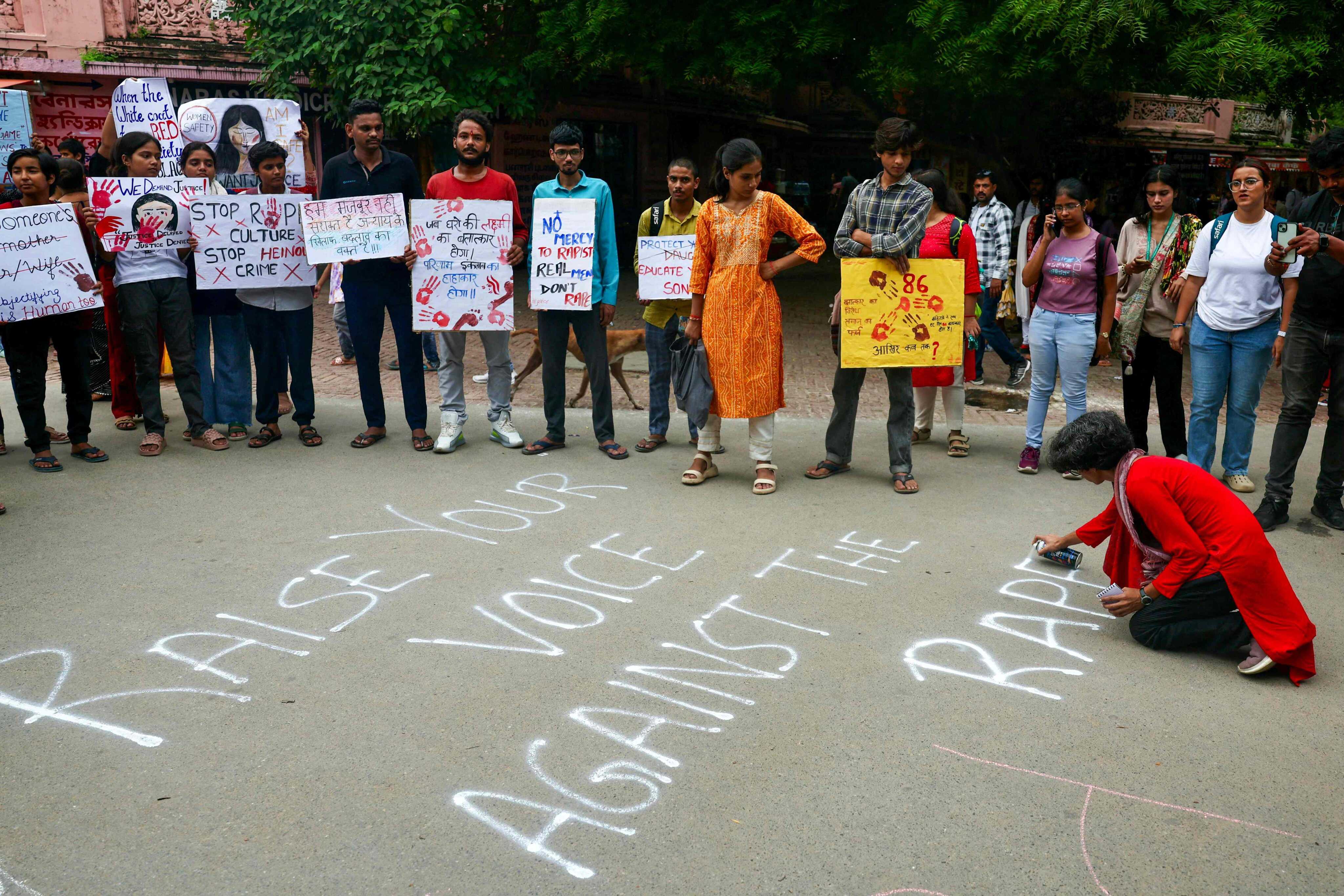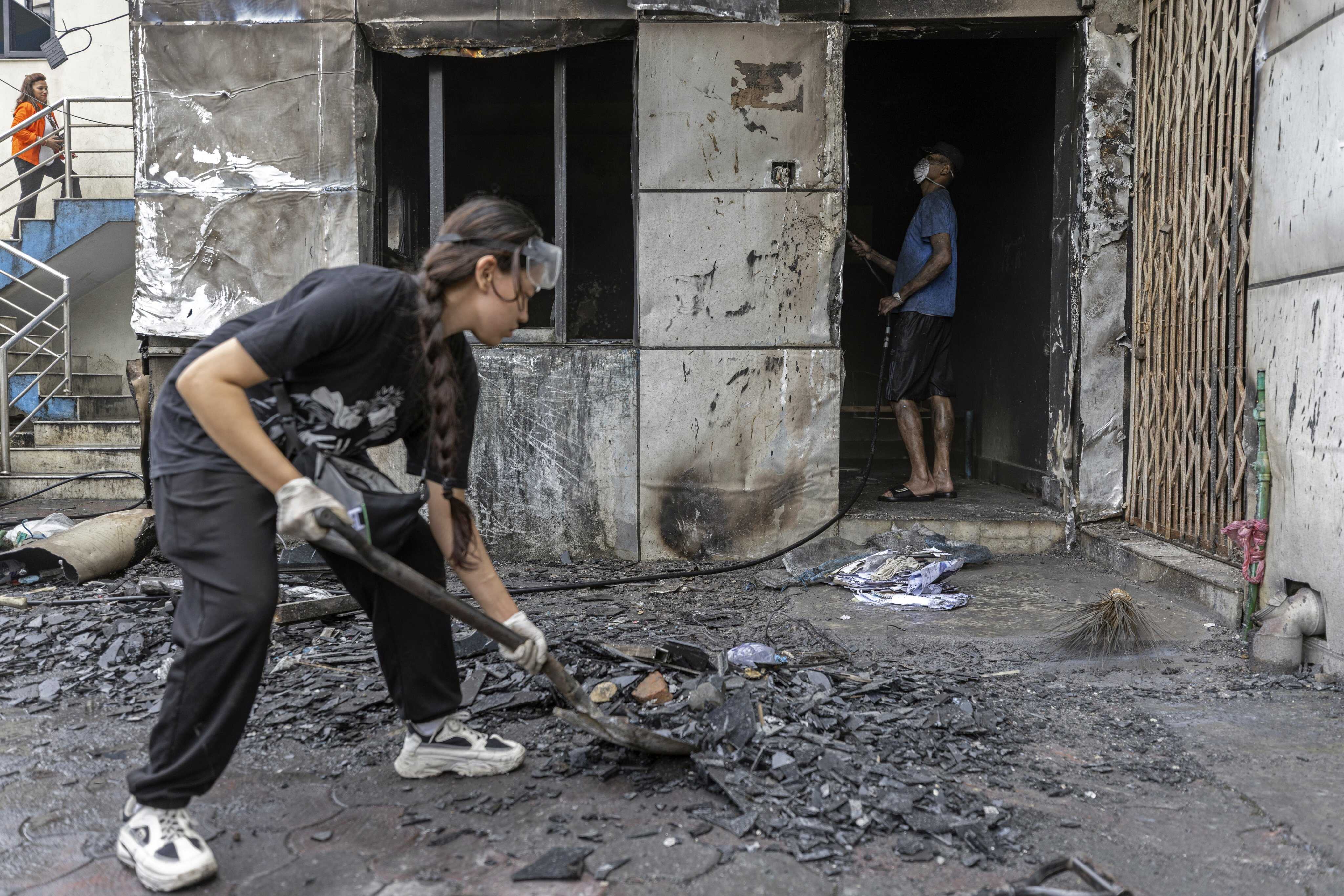
Days after some of Nepal’s largest and deadliest protests in recent memory swept through Kathmandu, many of the young demonstrators who had filled the capital’s streets with anti-corruption slogans returned – this time with brooms and trash bags instead of placards and chants.
Volunteers, mostly in their teens and twenties, have been seen clearing rubble and burned debris from roads surrounding the federal parliament in New Baneshwar, where violence peaked during the unrest.
This clean-up campaign followed nearly a week of demonstrations that began on September 4, after the government announced a ban on 26 social media platforms, including Facebook, YouTube and TikTok.
Protesters argued that these restrictions were a thinly veiled attempt to silence dissent, which ignited a broader movement against corruption and elite privilege, tapping into long-standing frustration over youth unemployment and inequality.
Though the ban was quickly rescinded, the protests intensified and turned violent. Seventy-two people were killed and at least 2,113 were injured in clashes across the country, according to Nepal’s Ministry of Health.
In Kathmandu, where students and unemployed youth led marches under banners reading “Shut down corruption, not social media”, the streets have since taken on a different character. Volunteers began mobilising to restore damaged areas, particularly in protest flashpoints where looting and arson had left parts of the city in disarray.
“Youths have cleaned up the streets in the New Baneshwar area ... They picked up plastic and also swept the streets there,” local news outlet Setopati reported.
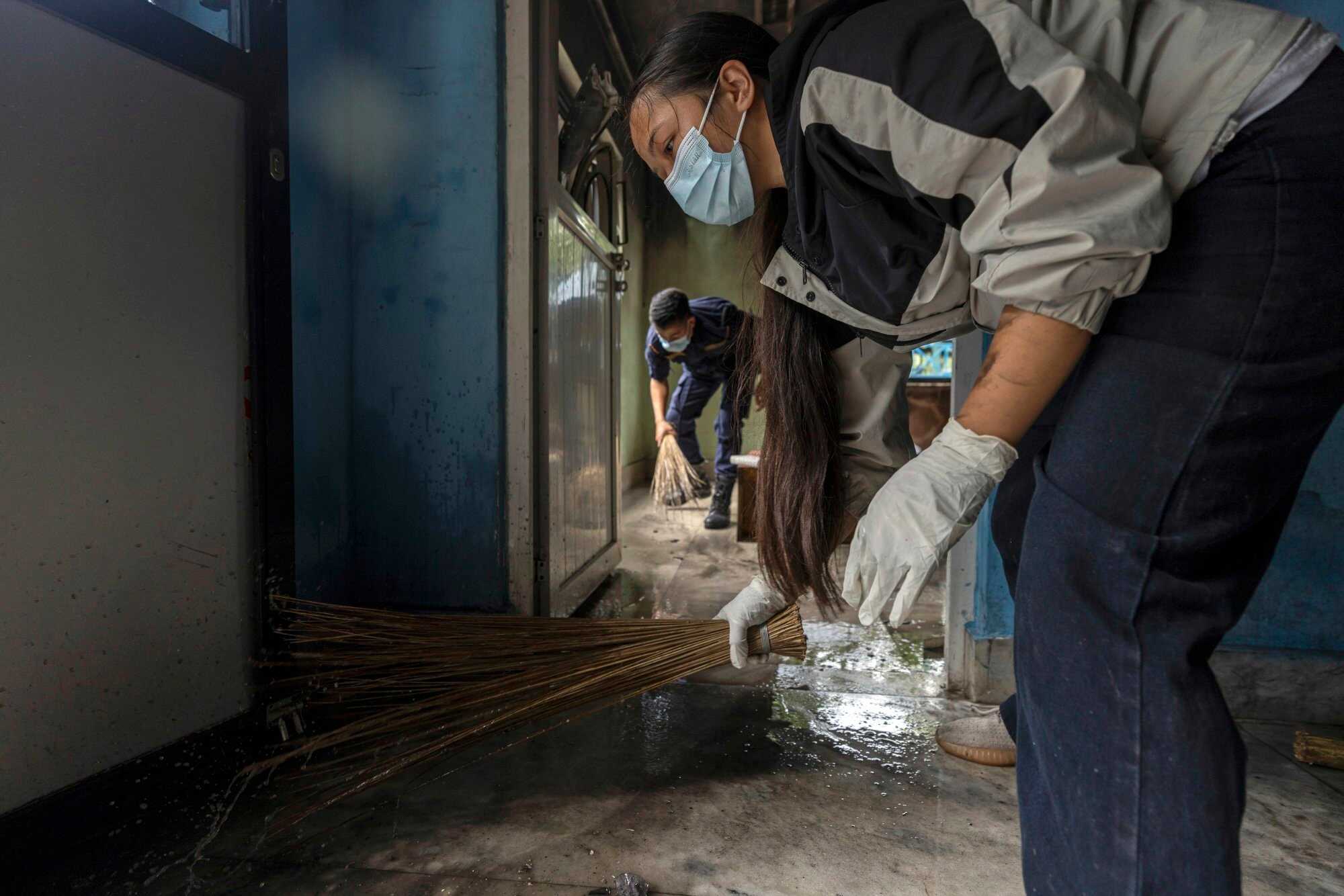
The shift from confrontation to reconstruction reflects a broader desire among the young protesters to distance themselves from the violence and restore the movement’s peaceful message. Several groups have attributed the chaos to “opportunists” who infiltrated the rallies. Organisers have sought to frame their protests against corruption as constructive.
A Gen Z coordinator condemned looting and damage, asserting that the movement was “close to our objective of building a new Nepal” and would proceed “peacefully, with discipline”, according to Ratopati, another Nepali news outlet.
In response to the unrest, authorities appointed a transitional government.
Prime Minister KP Sharma Oli resigned and was succeeded three days later by Sushila Karki, a former Supreme Court chief justice known for her anti-corruption stance. Karki’s appointment, the first of a woman to the post, followed informal consultations with youth protest leaders, who supported her selection.
Kathmandu’s Mayor Balendra Shah urged protesters to show restraint following Oli’s resignation.
“Please remain calm. The loss of national resources is our collective loss,” he wrote in a Facebook post. “From here onwards, it is your generation that must lead the country.”