The United Nations’ migration agency warned on Tuesday that relief efforts in Sudan’s war-torn North Darfur region could pause indefinitely unless immediate funding and safe delivery of supplies were ensured.
“Despite the rising need, humanitarian operations are now on the brink of collapse,” the International Organisation for Migration (IOM) said in a statement.
It added: “Warehouses are nearly empty, aid convoys face significant insecurity and access restrictions continue to prevent the delivery of sufficient aid.”
The IOM said more funding was needed to ease the humanitarian impact of the war between the Sudanese army and its rival, the paramilitary Rapid Support Forces (RSF). The agency warned of “an even greater catastrophe” if its appeal went unheeded.
“Our teams are responding, but insecurity and depleted supplies mean we are only reaching a fraction of those in need,” IOM Director General Amy Pope said in a statement.
Satellite images appear to show mass graves in El-Fasher
The paramilitaries' recent capture of North Darfur’s capital, El-Fasher, has left hundreds dead and forced tens of thousands of people to flee reported atrocities by the force, according to aid groups and UN officials.
The RSF’s seizure of the major city followed an 18-month siege marked by starvation and bombardments. The city’s capture dislodged the army from its last stronghold in the vast western Darfur region.
The IOM have said nearly 90,000 people have left El-Fasher and surrounding villages, undertaking a perilous journey through unsafe routes where they have no access to food, water or medical assistance.
An analysis of satellite images last week appeared to show mass burials in the city. The RSF have been accused of mass killings, looting and sexual violence there and in the neighbouring Kordofan region.
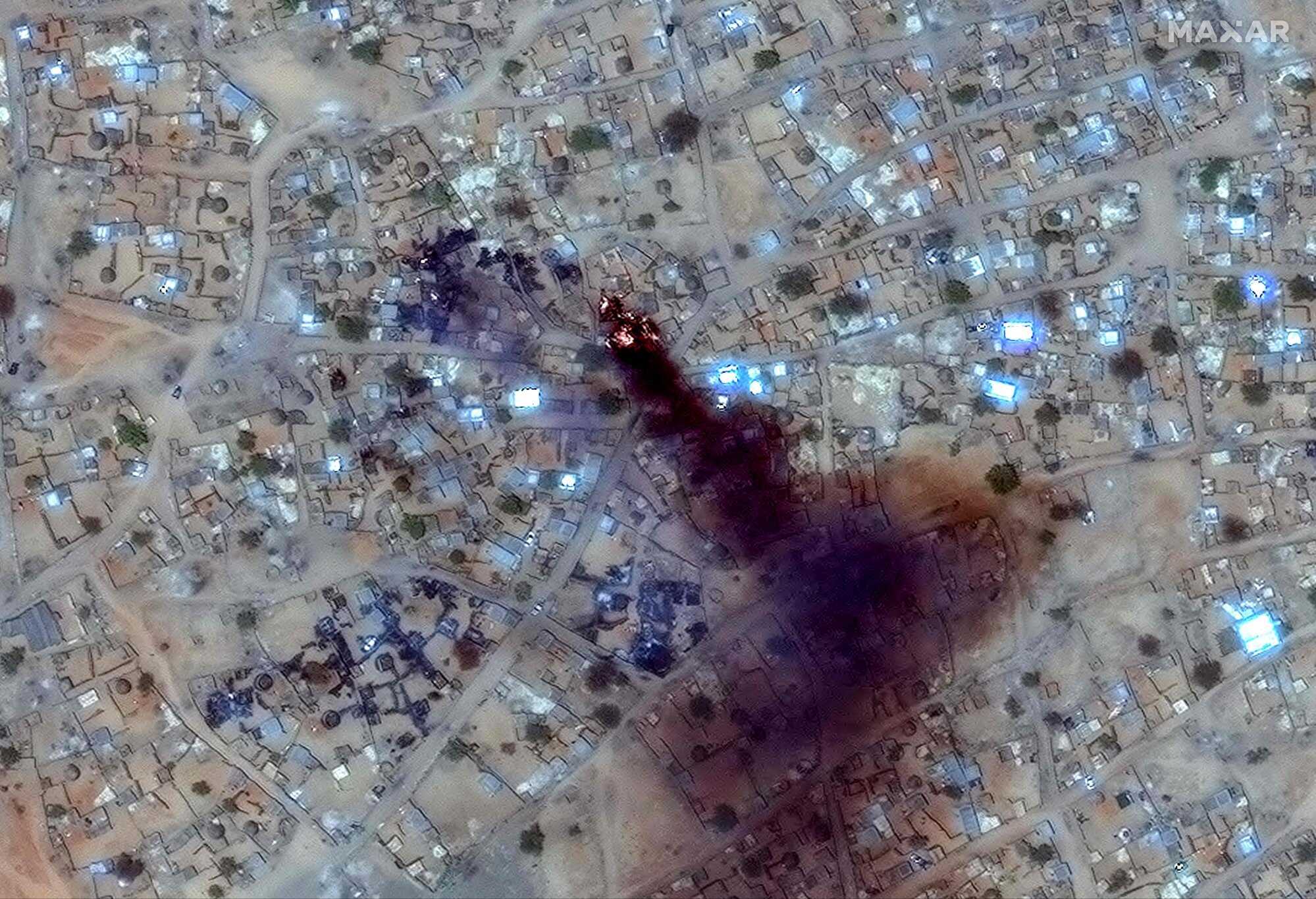
The Yale School of Public Health’s Humanitarian Research Lab analysed images of El-Fasher shot by Vantor, an imaging firm based in Colorado formerly known as Maxar Technologies.
Those images appear to show mass graves being dug and later covered at two sites in the city – one at a mosque just north of the Saudi hospital where some 460 people reportedly had been killed and another by a former children’s hospital that the RSF had been using as a prison, the researchers said.
Earlier satellite images analysed by the Yale lab and Associated Press showed white objects on the grounds of the Saudi hospital and near the children’s hospital immediately after the RSF seized El-Fasher. The Yale lab identified those as likely being corpses, with blood stains also seen from space.
The RSF has denied killing anyone at the Saudi hospital, but testimonies from those fleeing El-Fasher, online videos and satellite images offer an apocalyptic vision of their attack.
‘The displaced are too many’
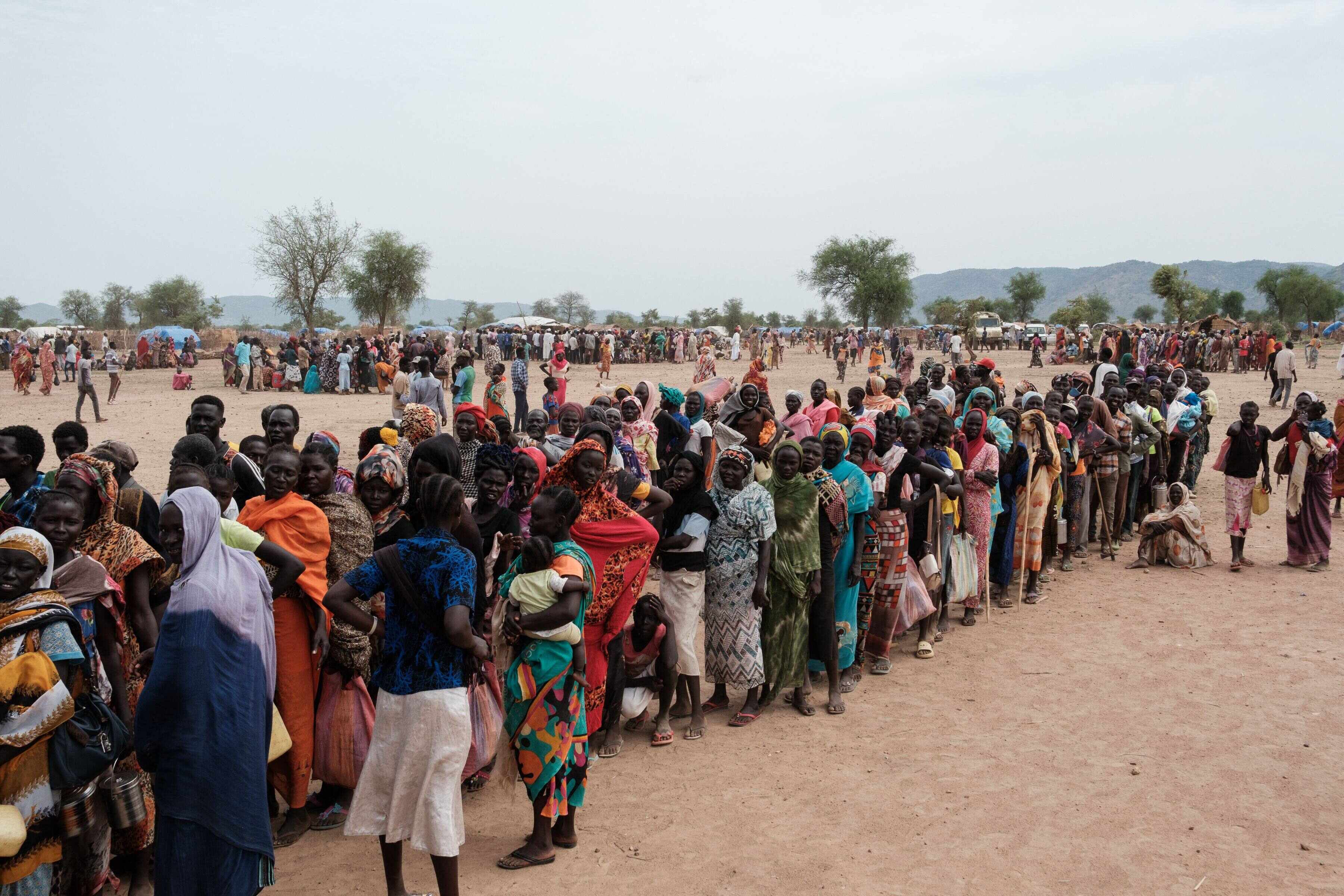
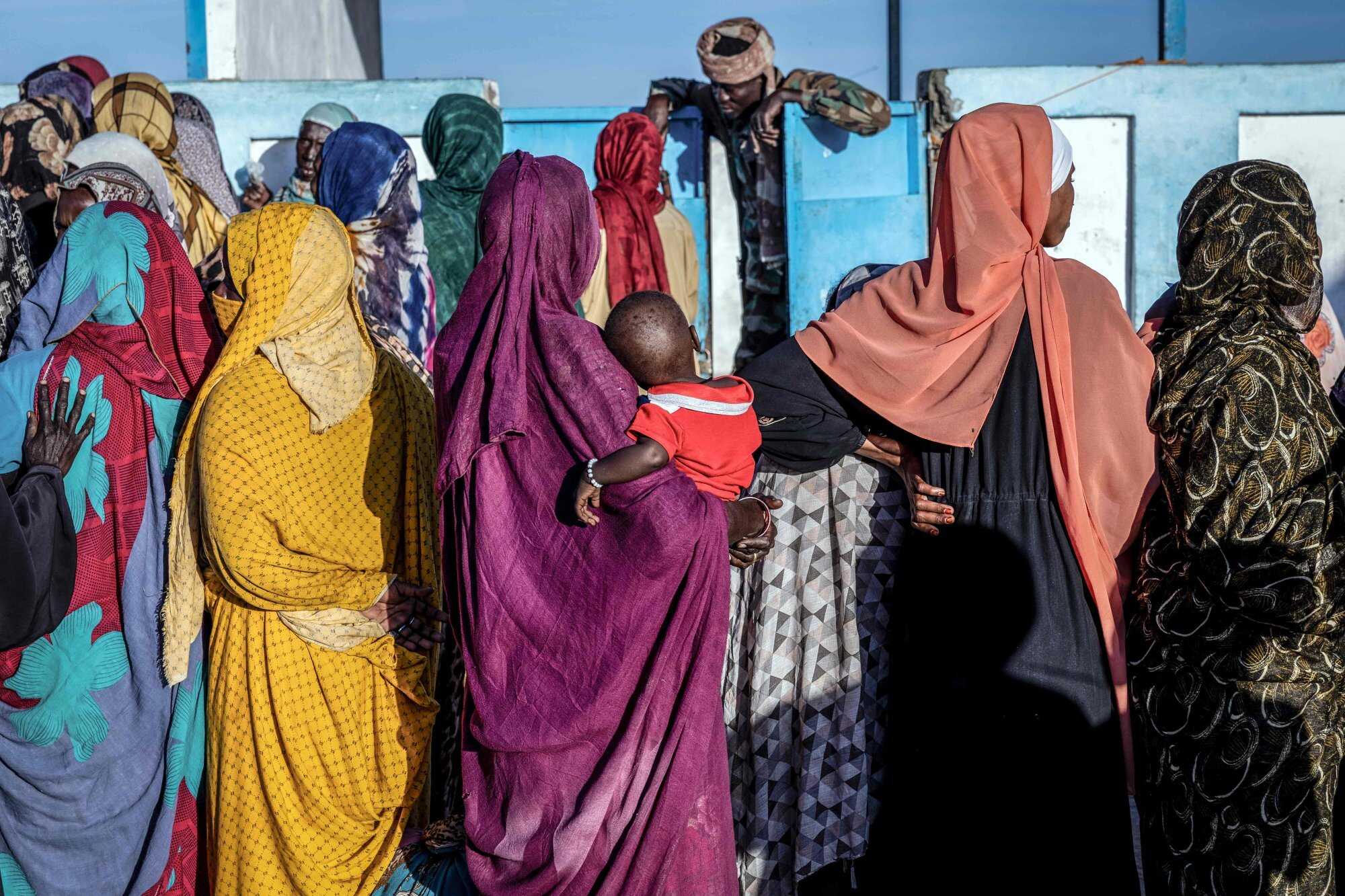
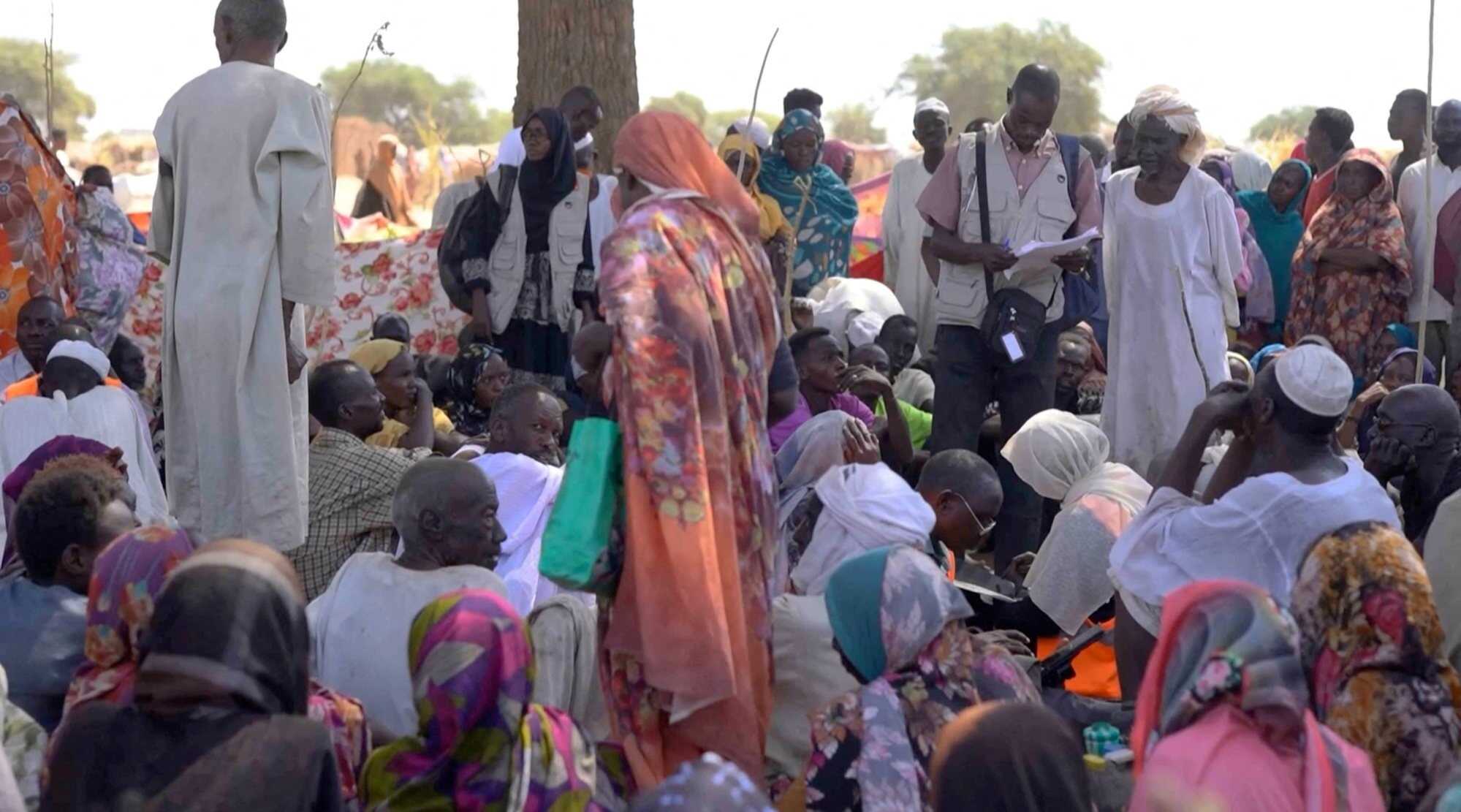
Tens of thousands have arrived at overcrowded displacement camps in Tawila, about 70 kilometres (43 miles) from El-Fasher. In the camps, the displaced find themselves in barren areas with few tents and insufficient food and medical supplies.
“We have been getting little food from community kitchens here; we only get lunch meals,” Sohaiba Omar, 20, told reporters from a shelter in Diba Nayra camp in Tawila.
“We also need a nearby source of water and toilets. Disposing of our wastes in the open can make us fall sick and catch diseases like cholera.”
Batoul Mohamed, a 25-year-old volunteer at the camp, said, “The displaced are too many. They are also hungry. It is very difficult to have people come up to us saying that they could not eat because there was not enough food.”
Aid group Doctors Without Borders (Medecins Sans Frontieres) warned that malnutrition in displacement camps has reached “staggering” rates.
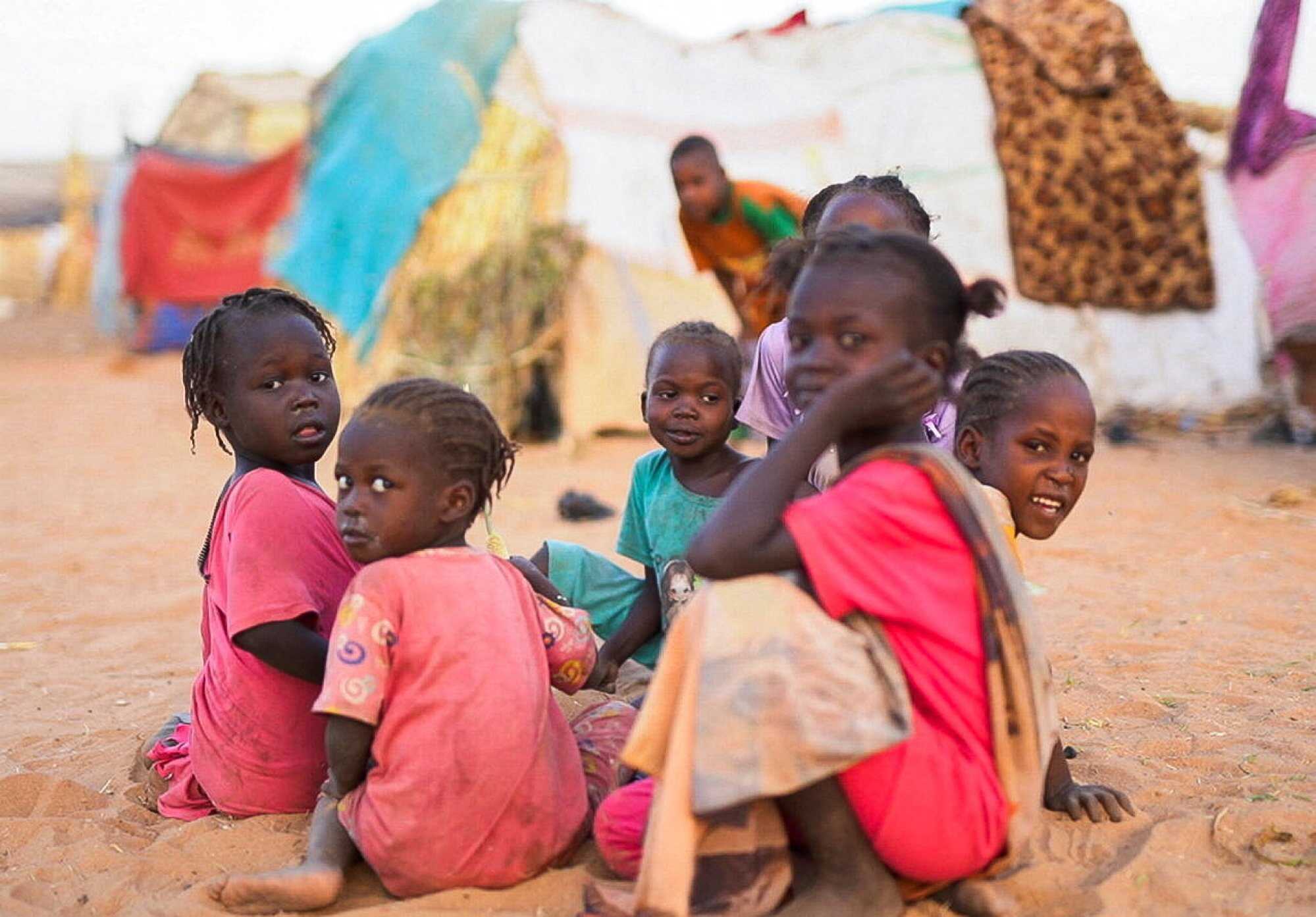
Over 70 per cent of children under the age of five who reached Tawila were acutely malnourished, and more than a third experienced severe acute malnutrition, the group said Tuesday.
“The true scale of the crisis is likely far worse than reported,” it said.
The war between the RSF and the Sudanese military began in April 2023. More than 40,000 people have been killed, according to the World Health Organization, but aid groups say the true death toll could be many times higher.
The fighting has driven more than 14 million people from their homes and fuelled disease outbreaks. Two regions of Sudan are enduring a famine that is at risk of spreading.
Nations press on with ceasefire efforts
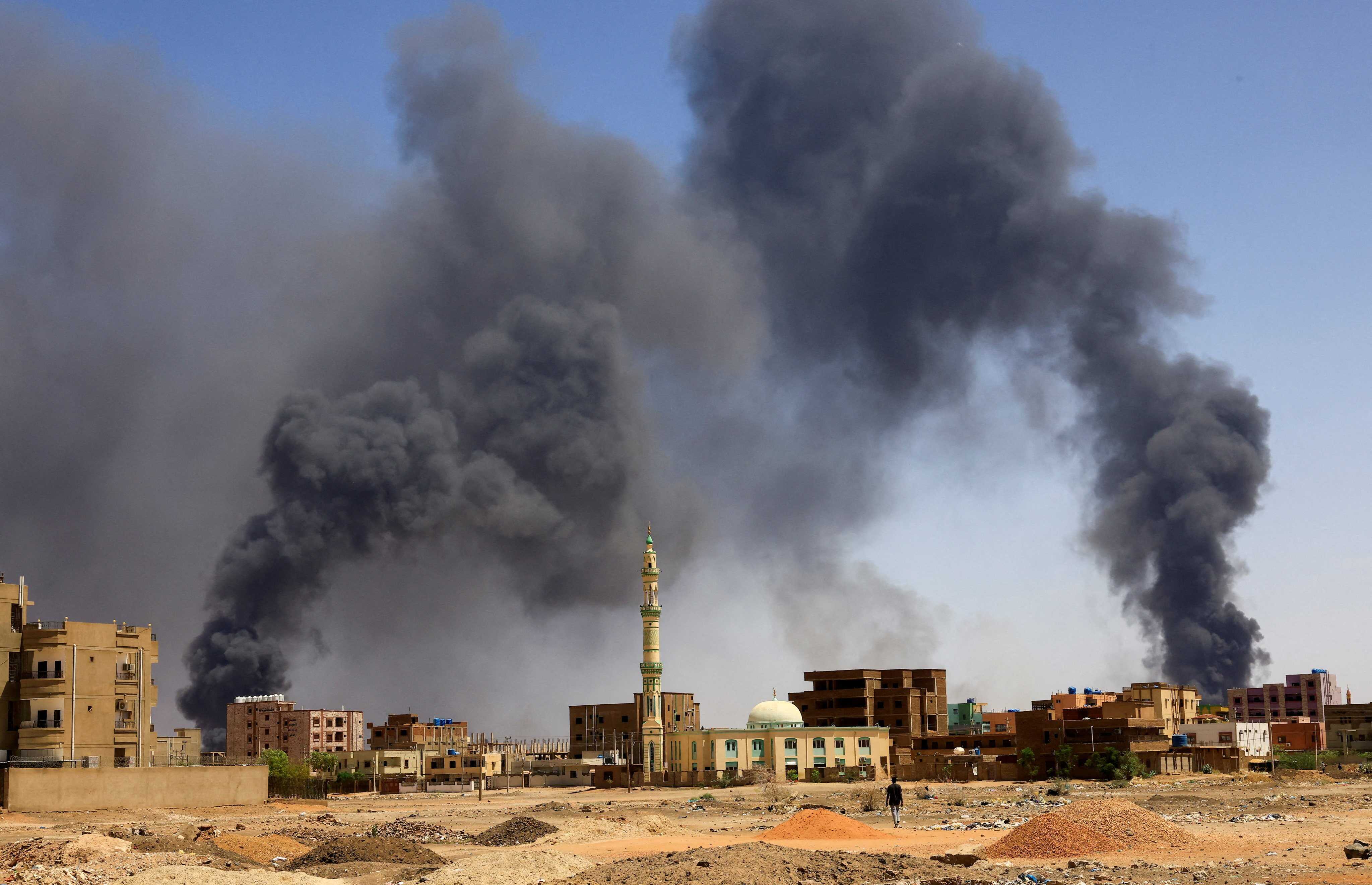
The RSF had said last week that it agreed to a proposal for a humanitarian truce put forward by mediators. But witnesses said they heard explosions near the army-controlled Sudanese capital, Khartoum, just a day after. Meanwhile, people 300km (186 miles) north in Atbara saw drones engaged by anti-aircraft defences.
The UN Office for the Coordination of Humanitarian Affairs warned that the situation in North Darfur “remains volatile,” following the RSF takeover.
UN deputy spokesman Farhan Haq stressed that while large-scale clashes have subsided, “sporadic fighting and drone activity persist, leaving civilians at risk of looting, forced recruitment and gender-based violence”.
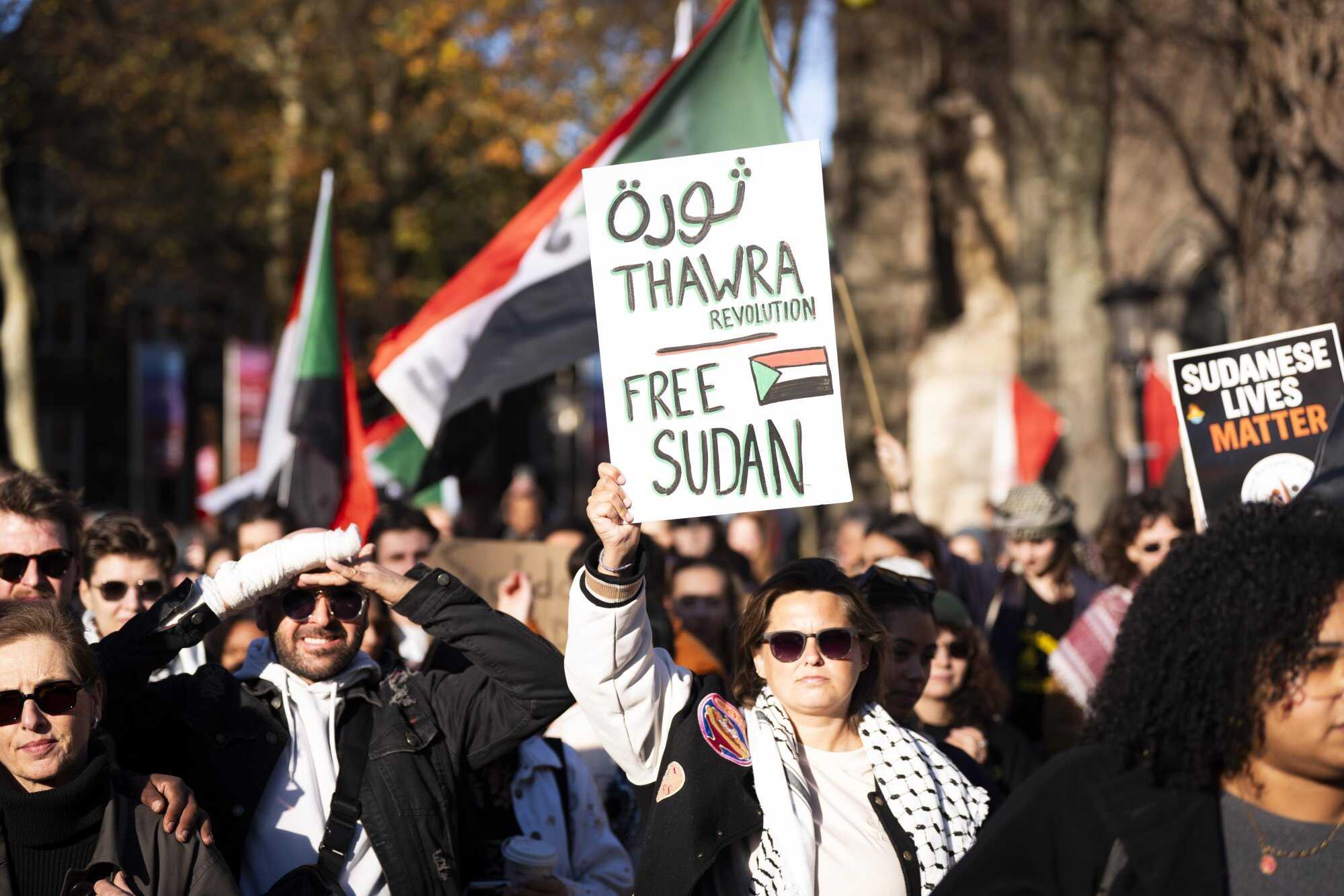
The violence had spread to other parts of Sudan, including Western Darfur and Kordofan, forcing more people to flee. Nearly 39,000 people fled North Kordofan between October 26 and November 9, according to the IOM.
On Tuesday, Egypt’s Foreign Minister Badr Abdelatty met Sudan’s army chief General Abdel-Fattah Burhan in Port Sudan. Abdelatty expressed Egypt’s unequivocal support for Sudan’s armed forces and condemned the atrocities in el-Fasher.
He stressed the need to commit to the peace plan announced in September by a quartet including the US, Egypt, Saudi Arabia and the United Arab Emirates, according to a statement issued by Egypt’s Foreign Ministry.
The plan envisages a three-month humanitarian truce, followed by a nine-month political process. The army said it welcomes the quartet’s proposal, but will only agree to it if the RSF withdraws from civilian areas and gives up its weapons.
Additional reporting by Agence France-Presse and Reuters