On Tuesday, a group of conservation and historical organisations filed a lawsuit against US President Donald Trump and US Interior Secretary Doug Burgum over National Park Service policies that are “erasing history and science”.
The suit, filed in Boston, said Trump administration orders have forced America’s national parks service staff to remove or censor exhibits that share factually accurate and relevant United States history and scientific knowledge, including about slavery and climate change.
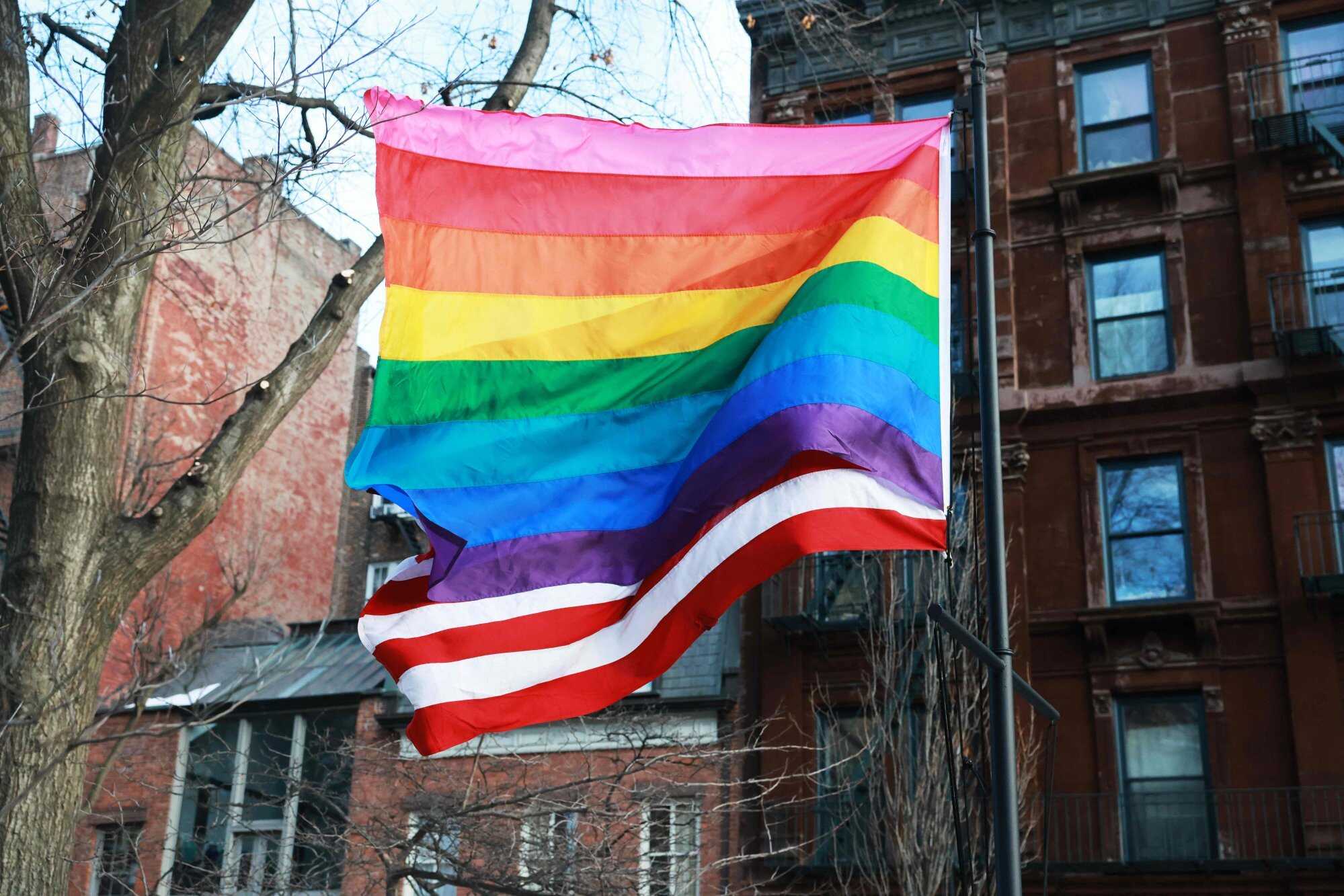
Separately, LGBTQ rights advocates and historic preservationists sued the park service Tuesday for removing a rainbow Pride flag from the Stonewall National Monument. The site in New York commemorates a foundational moment in the modern LGBTQ rights movement.
The changes at exhibits came in response to a Trump executive order “restoring truth and sanity to American history” at the nation’s museums, parks and landmarks. It directed the Interior Department to ensure those sites do not display elements that “inappropriately disparage Americans past or living”.
Burgum later directed the removal of “improper partisan ideology” from museums, monuments, landmarks and other public exhibits under federal control.
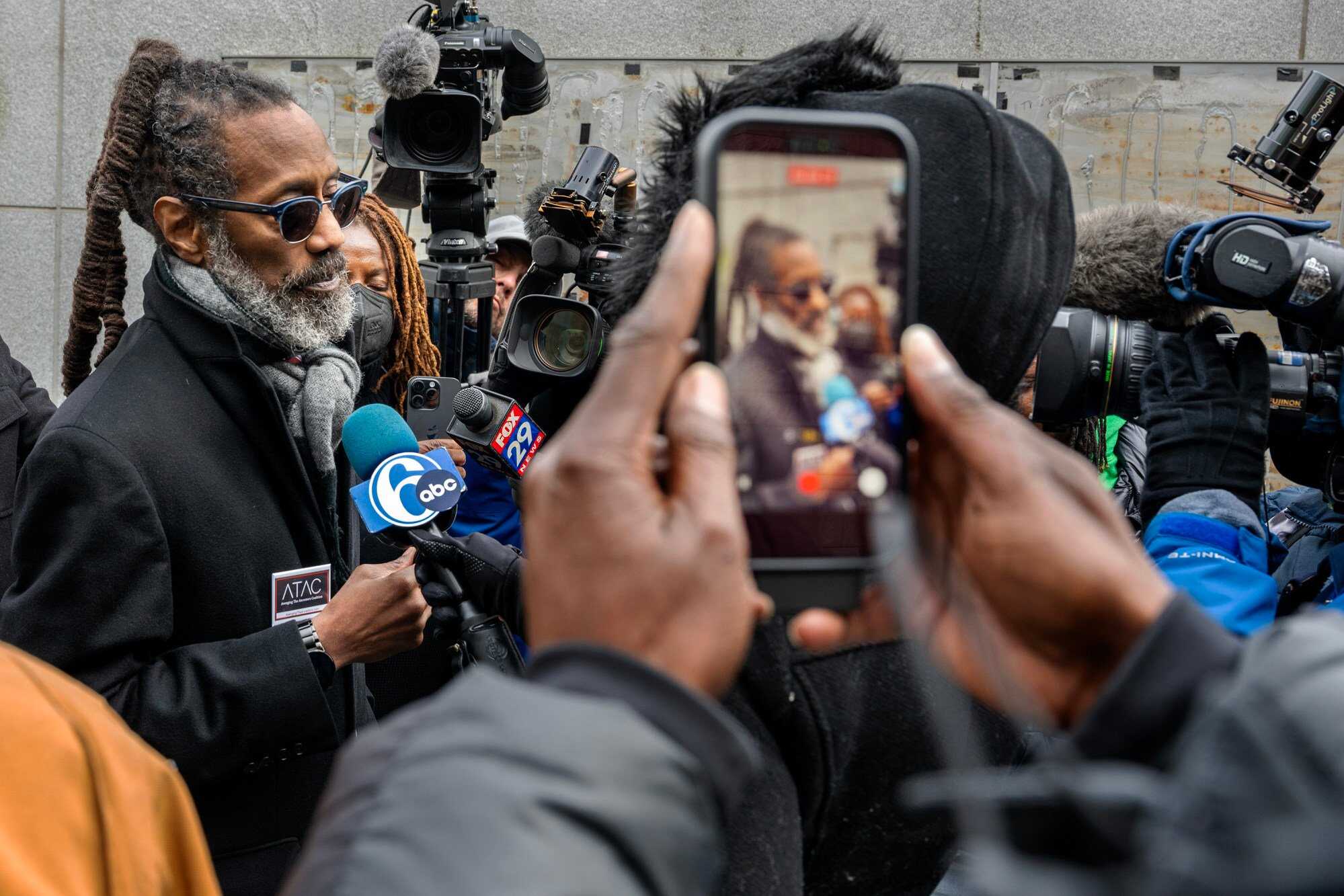
The groups behind the lawsuit said that a federal campaign to review interpretive materials has escalated in recent weeks, leading to the removal of numerous exhibits that discuss the history of slavery and enslaved people, civil rights, treatment of Indigenous peoples, climate science and other “core elements of the American experience”.
The suit was filed by a coalition that includes the National Parks Conservation Association, the American Association for State and Local History, the Association of National Park Rangers and the Union of Concerned Scientists.
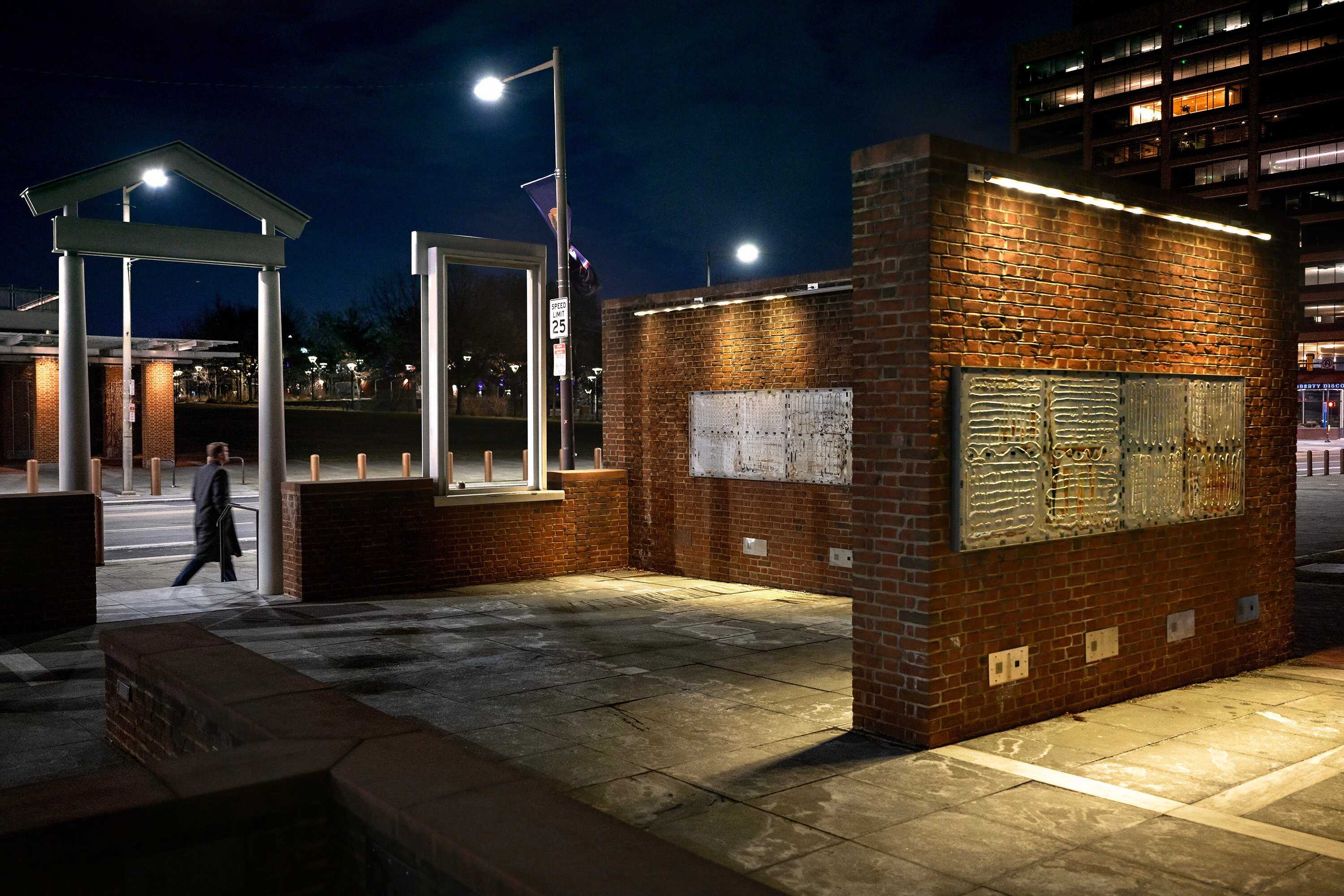
It comes as a federal judge on Monday ordered that an exhibit about nine people enslaved by the first US president, George Washington, must be restored at his former home in Philadelphia.
The park service removed explanatory panels last month from Independence National Historical Park. George and Martha Washington lived at the site with nine of their slaves in the 1790s when Philadelphia was briefly the nation’s capital.
The judge ordered the exhibits restored on Presidents Day, the federal holiday honouring Washington’s legacy.
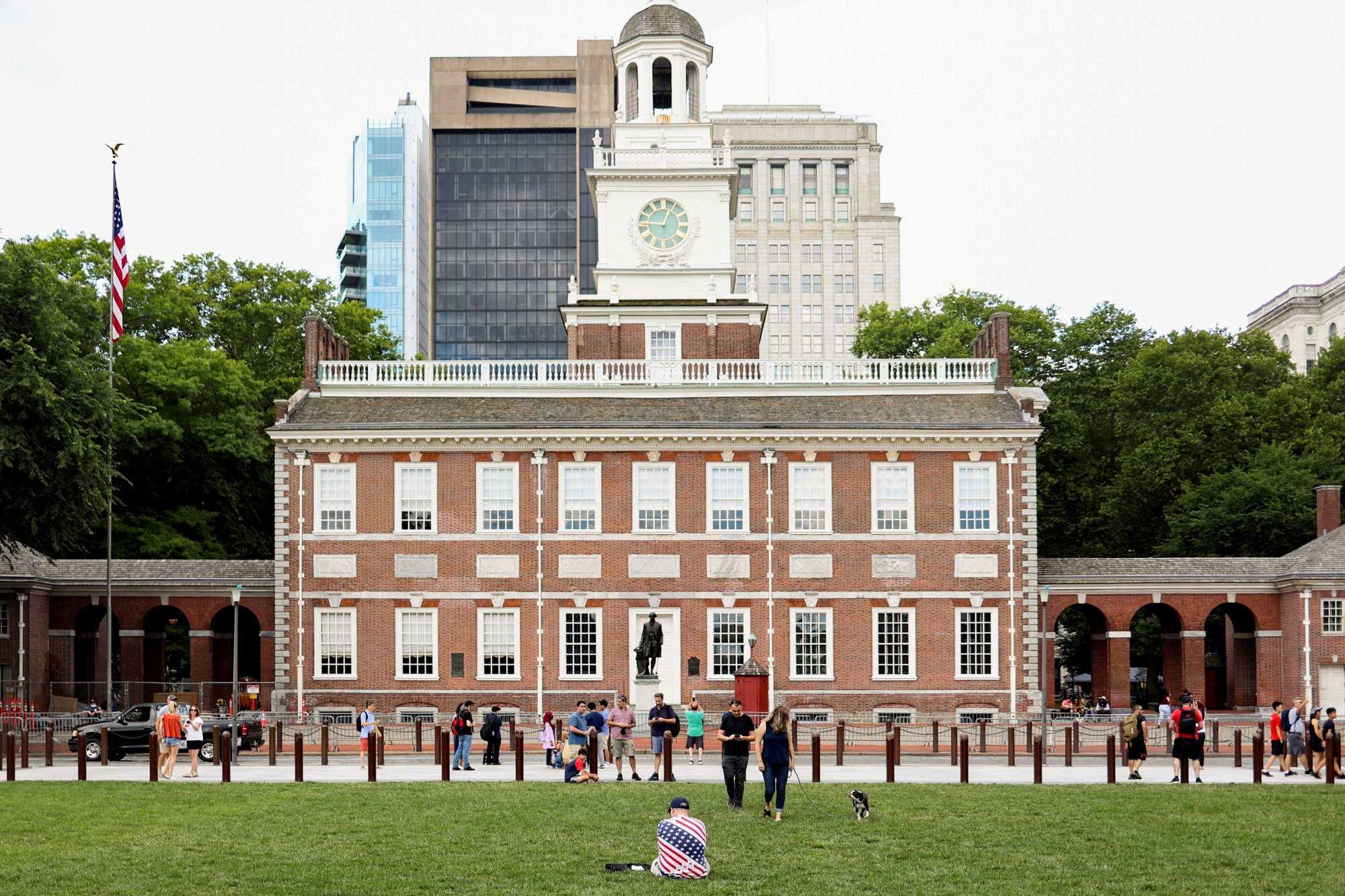
Besides the Philadelphia case, the park service has flagged for removal interpretive materials describing key moments in the civil rights movement, the groups said.
For example, at the Selma to Montgomery National Historic Trail in Alabama, officials have flagged about 80 items for removal. The permanent exhibit at Brown v Board of Education National Historical Park in Kansas has also been flagged because it mentions “equity”, the lawsuit said.
Signage that has disappeared from Grand Canyon National Park has said settlers pushed Native American tribes “off their land” for the park to be established and “exploited” the landscape for mining and grazing. At Glacier National Park in Montana, Park Service officials ordered the removal of materials describing the effect of climate change on the park and its role in driving the disappearance of glaciers, the suit said.
“Censoring science and erasing America’s history at national parks are direct threats to everything these amazing places, and our country, stand for,” said Alan Spears, senior director of cultural resources at the Parks Conservation Association.
“National parks serve as living classrooms for our country, where science and history come to life for visitors,” Spears added. “As Americans, we deserve national parks that tell stories of our country’s triumphs and heartbreaks alike. We can handle the truth.”
The Interior Department said Tuesday it has appealed the court’s ruling in the Philadelphia case. Updated interpretive materials “providing a fuller account of the history of slavery at Independence Hall would have been installed in the coming days” in the absence of a court order, an Interior spokesperson said in an email.
US District Judge Cynthia Rufe ruled Monday that all materials from the Philadelphia exhibit must be restored in their original condition while a lawsuit challenging the removal's legality plays out. She prohibited Trump officials from installing replacements that explain the history differently.
The separate lawsuit over the Stonewall flag called its removal “the latest example in a long line of efforts by the Trump administration to target the LGBTQ community for discrimination and opprobrium”.
The Pride flag was installed in 2022, becoming the first such banner to fly permanently on federal land. After the banner vanished this month, the park service cited a January 21 memo, although the memo exempts providing “historical context”.
The lawsuit argues the rainbow flag provided such context and says the park service continues to make exceptions for other banners, including Confederate ones, that help explain certain sites’ history. New York politicians and activists raised their own Pride flag at the Stonewall monument on Thursday.
Jeff Mow, who retired in 2022 as superintendent at Glacier, said the park service “has always taken great pride in its scholarly research, its focus on telling the truth and being very straightforward about that”.
He called Trump’s order a “disservice” to the public, and that “it makes it very hard for those that are trying to do their jobs and being storytellers and speaking the truth”.