While K-pop has gained popularity worldwide, South Korea’s entertainment industry is still largely excluded from the Chinese market.
In 2016, China unofficially banned South Korean entertainment after South Korea deployed the US Terminal High Altitude Area Defence (THAAD) system, despite Beijing’s objections. THAAD is an anti-missile system designed to spot and knock out ballistic missiles. K-pop concerts were cancelled, South Korean dramas vanished from Chinese streaming platforms and South Korean stars were removed from Chinese variety shows.
South Korean President Lee Jae Myung’s visit to China in January failed to secure a complete reopening of the Chinese market. Still, slight cracks are appearing in the barriers to Korean content.
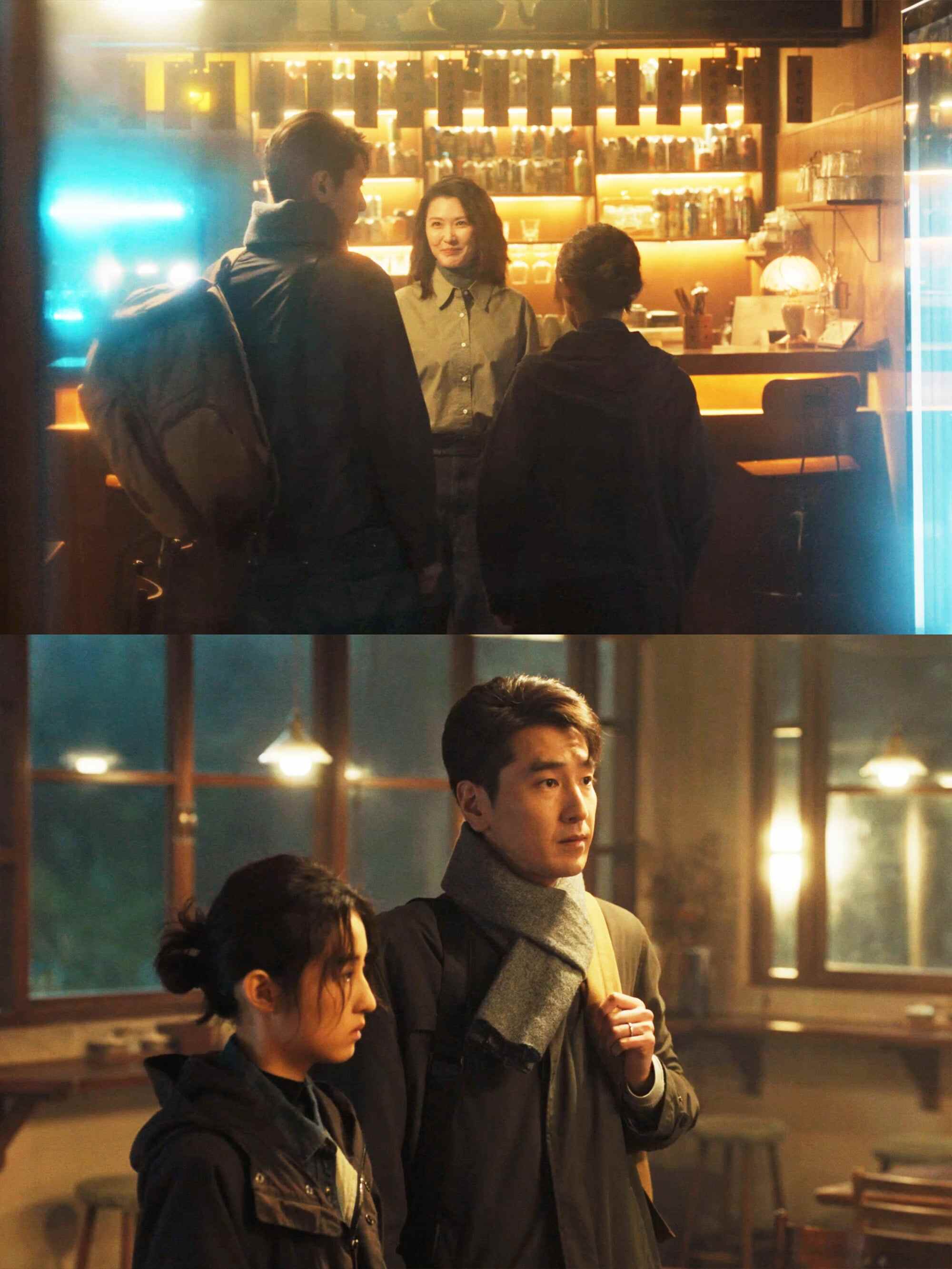
That same month, the Chinese remake of the South Korean television series My Mister – featuring singer-actress IU – was released on the streaming platform Youku. The Chinese version, titled Loving Strangers, stars actors Mark Chao Yu-ting and Zhang Zifeng.
South Korean entertainment company CJ ENM partnered with JYP Entertainment’s Chinese subsidiary and Tencent Music Entertainment to launch Onecead, an artist management and music production company with a focus on the Chinese market.
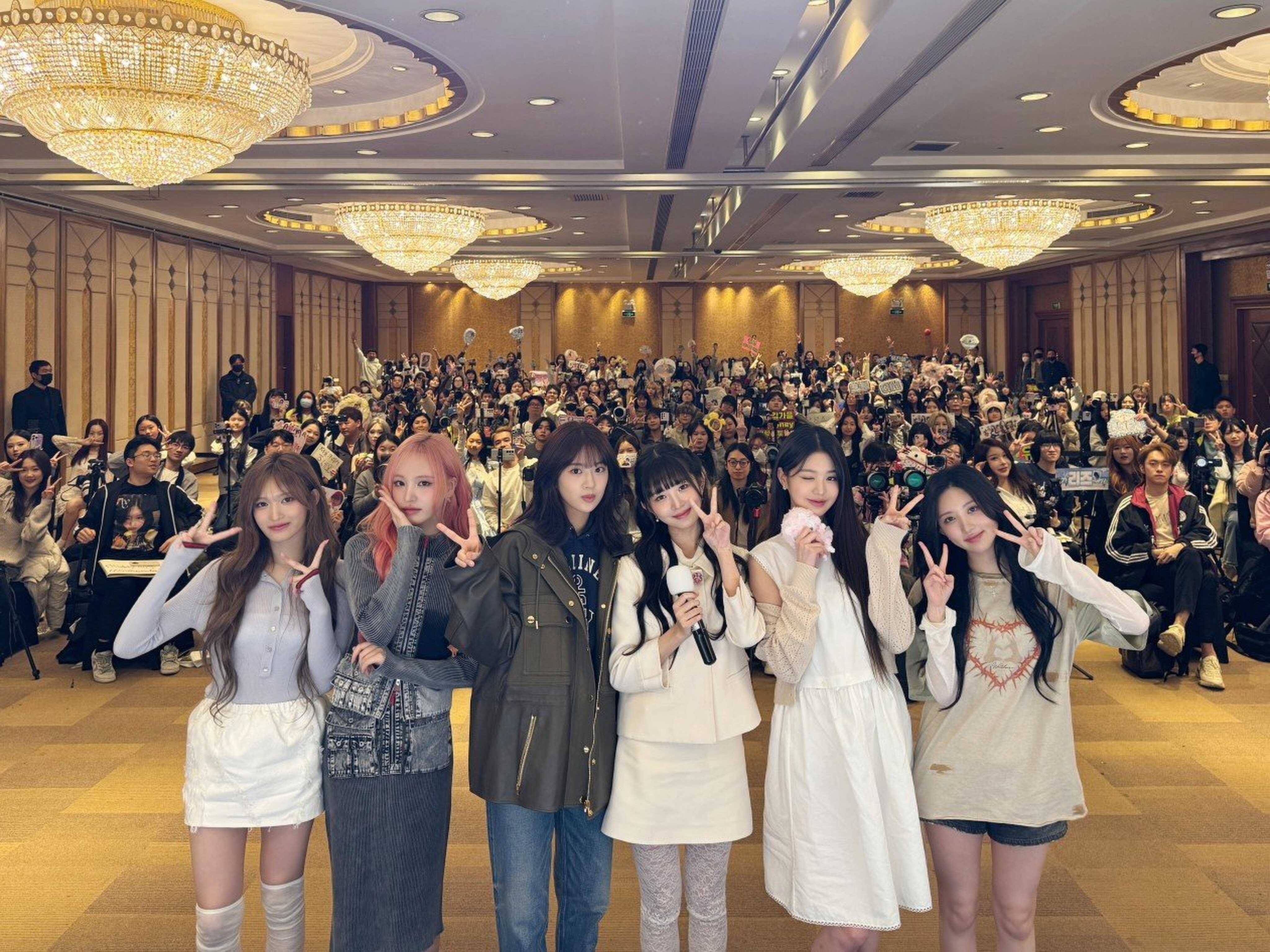
K-pop artists have been allowed to hold fan meetings and autograph signings in China in recent years, though full-scale concerts remain prohibited.
In January alone, musical groups Itzy, Ive, Hearts2Hearts and WayV held fan events in China, as did actor and presenter Lee Dong-wook.
Nevvue Jiang, a 24-year-old from Sichuan province who has followed K-pop groups since lower secondary school, said that attending meet-and-greets and watching concerts were her ways of indulging her passion.
Since 2022, Jiang has been going to concerts, album release performances and meet-and-greets in South Korea and Japan to see Cortis, her favourite boy band.
In the world of K-pop, getting face time with an idol works much like a high-stakes lottery, with the tickets being physical albums.
Fans buy albums in bulk to try to secure a spot at meet-and-greet events. They typically get 60 to 90 seconds to talk to a band member at these occasions.
Lee Dong-gyu, a research fellow at the Asan Institute for Policy Studies in Seoul, said China’s official position was that there was no ban on Korean entertainment.
“China has made efforts to develop its own cultural industry. For this, it seems to be necessary for China to prevent the import of other countries’ cultures,” he said.