Our next question: In which places or situations do you feel young people are most vulnerable to crime, and why? This question has been sponsored by the Hong Kong Police Force. To take part, drop us a line via this form by 12pm on Wednesday, May 6.
Rosaline Wong, 13, Madam Lau Kam Lung Secondary School of MFBM: Teens may be tempted to engage in vaping, using nicotine, alcohol or drugs. Online, they can face issues like cyberbullying, online scams and pressure to share personal photos or participate in risky challenges. Additionally, some teens may experience sexual pressure. On the streets, they might take unsafe risks, such as crossing roads carelessly or using their devices while walking. Some teens may also fall victim to gambling or get-rich-quick scams. To support teens, it is important to have trusted adults in their lives and provide quick, non-judgmental support.
Oa Yang Tsz-ching, 12, Pui Kiu College: The most dangerous risk isn’t vaping or gambling, but rather silence. Teens often choose not to share their struggles, and as a result, they suffer alone. Unfortunately, small problems can escalate into risky behaviours and larger issues. To escape the pressure, they might engage in dangerous activities, with no one speaking up or offering help until it is too late. The real culprit isn’t the risky behaviours themselves, but the silence that surrounds them.
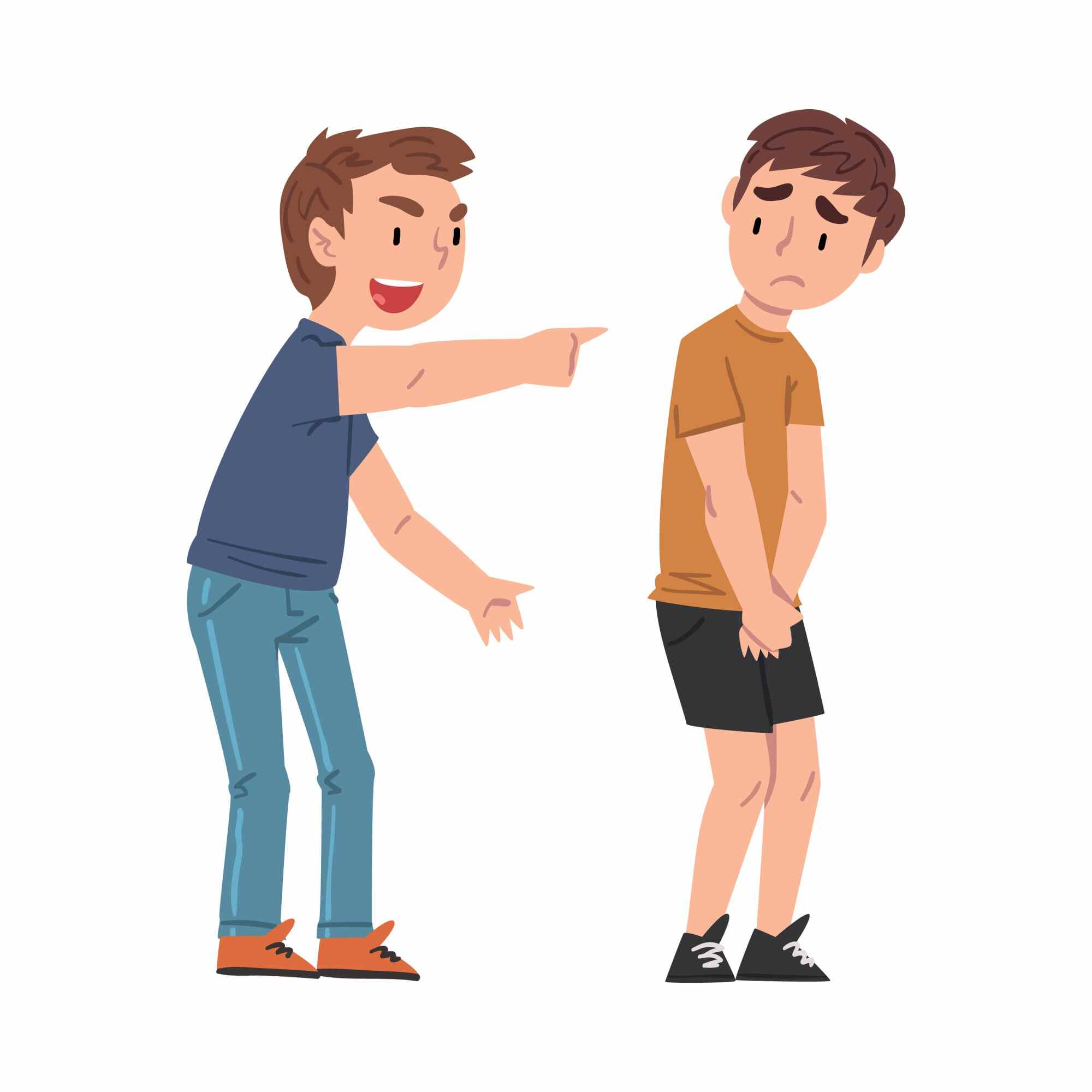
Jen He Zhi-yan, 15, GCCITKD Lau Pak Lok Secondary School: Bullying is one of the most dangerous behaviours that teenagers in Hong Kong are drawn into today. Many teens harm others in school or on social media to fit in with their peers. This can involve physical violence or verbal attacks, leading to physical and psychological harm for the victims.
Barnard Wong Yin-pok, 14, Hong Kong Tang King Po College: Excessive mobile phone use is one of the riskiest behaviours among teenagers today. The appeal of mobile phones lies in the multitude of functions they offer. It is not just teenagers; adults also find it difficult to live without them. Teenagers are particularly addicted to their phones because they want to stay up to date on social interactions and peer activities. This fear of missing out drives them to check their devices for news and updates constantly. This behaviour leads them to neglect their surroundings and engage in “phubbing” – ignoring the people around them while looking at their screens. This can result in poor social skills.
Chuengjadee Chulawat, 19, Fung Kai No 1 Secondary School: Online dating is often the first thing that comes to mind for teenagers as they begin to develop a desire for love. The internet offers an easy way to seek such “love”, but it also comes with overlooked consequences. As a result, online grooming is becoming increasingly common. Some individuals exploit this by using manipulative methods to scam, deceive or sexually exploit teenagers.
Josephine Chen Hao, 16, LKWFSL Lau Wong Fat Secondary School: Forming friendships with the wrong people is one of the most tempting behaviours for teenagers in Hong Kong. Negative peers can distort positive values and attitudes towards life. They may encourage teens to skip classes, smoke, drink excessively and even engage in illegal activities like vandalism, theft or fighting. These harmful influences can easily jeopardise a teenager’s future and lead them down the wrong path.
Celeste Chan Sik-yue, 16, Leung Shek Chee College: Hong Kong teens are increasingly drawn to strict dieting. The rise of social media has made them more vulnerable to peer pressure, often leading them to be influenced by online creators. While some influencers share positive messages, others promote harmful ideologies and unrealistic beauty standards. They may normalise strict diets as a healthy way to stay slim and fit, tempting many to adopt these practices without recognising the associated risks, especially during critical stages of their development.
Hazel Tam Hau-nam, 13, Pope Paul VI College: Many teenagers in Hong Kong face temptations such as vaping and illegal gambling. While some might see vaping as trendy, it is actually addictive and harmful to their health. Additionally, the availability of many mobile apps may lead some students to engage in online betting in hopes of making quick money, which can result in serious debt. Internet scams pose a significant risk, with some teens being deceived into participating in money-laundering schemes or sharing their personal information.
Andy Lui Yat-hang, 16, St Francis of Assisi’s College: An app called Character AI lets users chat with their favourite cartoon, anime and movie characters. However, this app contains content that includes pornography, violence and hate speech. Many teenagers in Hong Kong are obsessed with using it to interact with these characters every day, which increases the risk of exposure to mature themes that could negatively affect their moral development. While the app can be entertaining, we should exercise caution and avoid any inappropriate use of technology.
Li Wa-san, 17, Po Leung Kuk Mrs Ma Kam Ming Cheung Fook Sien College: Nowadays, many teenagers want to earn money quickly but often don’t want to put in the effort required to do so. This desire stems from their many wants, such as mobile phones, computers and in-game purchases. As a result, there has been an increase in crime cases involving teenagers delivering drugs. They believe this is an easy way to make money, but the risks are extremely high. Often, they may not even be aware of what they are delivering. Ultimately, teenagers should prioritise their academic achievements over quick money.